 Mariola Belda-Antolí1
 Nadia Fenández-Ehrling2
 Eloy Jaenada-Carrilero1
 Luís Baraja-Vegas1
 Javier Ferrer-Torregrosa2
 Francisco J. Falaguera-Vera1*
 Juan Vicente-Mampel1
- 1Medicine and Health Science School. Department of Physiotherapy, Catholic University of Valencia, Torrent, Valencia, Spain
- 2Medicine and Health Sciences School. Department of Podiatry, Catholic University of Valencia, Torrent, Valencia, Spain
Background: Seaweeds are typically considered a part of traditional diets in several Asian countries and have recently acquired significant attention owing to the therapeutic potential of their bioactive compounds. sulfated polysaccharides, polyphenols, and proteins are the most common seaweed-derived substances with pronounced antioxidant and anti-inflammatory properties. However, the analgesic effects of these compounds have not yet been well established.
Methods: An extensive systematic search of four databases, including PubMed, Scopus, Web of Science, and the Cochrane Library, was conducted until May 2025. Preclinical and clinical studies evaluating the analgesic effects of seaweed-derived compounds were included in this review.
Results: Preclinical studies have shown significant antinociceptive effects of various seaweed-derived substances. Sulfated polysaccharides demonstrated a dose-dependent peripheral analgesic effect, whereas central analgesic effects appeared at the highest doses. Phlorotannin-rich polyphenols also showed substantial peripheral analgesic effects, reaching 90.16% inhibition in the writhing test, and prominent central analgesic responses lasting 120 min. Furthermore, lecithin extracts exhibited significant peripheral antinociceptive effects with favorable safety profiles. Evidence from human studies is limited to four small trials (total n = 91). In one study (n = 30) on mild knee osteoarthritis, a multi-mineral seaweed formulation (Aquamin+) produced greater pain reduction than glucosamine. Risk of bias assessment showed an overall low-to-moderate quality across the included studies.
Conclusion: Seaweed extracts exhibit promising peripheral and central antinociceptive effects. However clinical data remain preliminary and heterogenous. Further research is warranted to standardize the extracts, explore chronic pain applications, and validate the findings in large-scale human trials.
Clinical trial registration: https://www.crd.york.ac.uk/prospero/, identifier systematic review is registered with PROSPERO CRD420251078862.
1 Introduction
The Global Burden of Disease 2021 study estimated that chronic pain affects 1.5 billion people globally and contributes to approximately 5% of the years lived with a disability (GBD 2021 Diseases and Injuries Collaborators, 2024). It is a major contributor to lower economic output and lower standards of living (Shetty et al., 2024). The search for chemicals produced by marine algae as possible analgesics is in line with the World Health Organization’s 2021–2030 Pain Management Framework (World Health Organization, 2023), which highlights the pressing need for safe, reasonably priced, and non-opioid alternatives. Seaweeds, or marine macroalgae, have been widely utilized in traditional diets and medicinal practices across Asia for many decades, particularly in China, Japan, and South Korea (Paiva et al., 2017). Recently, the use of edible seaweeds as functional foods has expanded, particularly in France, the United States, and South America (Bocanegra et al., 2009; Faggio et al., 2016; Paiva et al., 2017). Seaweeds contain high concentrations of polysaccharides, polyphenols, fucoidan, and other phytochemicals. These unique marine-derived compounds possess notable antioxidant, antiviral, and anti-inflammatory properties (Jung et al., 2013; Leandro et al., 2020; Lin et al., 2018; Myers, 2010; Sathivel et al., 2013; Walsh et al., 2019). Seaweed does not require arable land or freshwater, and its favorable safety profile further emphasizes its potential as an alternative medicinal therapy for various diseases (Meinita et al., 2022).The incorporation of seaweed into traditional diets has been associated with lower estimates of chronic diseases, including cancer, obesity, arthritis, and cardiovascular disorders (Brown et al., 2014; Iso, 2011; Iso et al., 2007; Kim et al., 2009; Mary et al., 2012; Park et al., 2021).The growing evidence of its safety and edible and functional properties (Lomartire and Gonçalves, 2022) has led to increased interest in the therapeutic benefits of seaweed, particularly in pain management. Oxidative stress plays a significant role in many chronic inflammatory and neurodegenerative diseases linked to pain (Teleanu et al., 2022). The excessive generation of reactive oxygen species (ROS) can harm cells and tissues, which can worsen inflammation and pain (Checa and Aran, 2020). Natural antioxidants have gained attention as potential therapeutic options. Algae produce a variety of bioactive compounds with antioxidant capabilities (Guiry, 2024).
These compounds include polyphenols, carotenoids, vitamins, minerals, and sulfated polysaccharides, which are especially abundant in marine species. This antioxidant effect helps to minimize cellular damage and inflammation, which is particularly important in managing conditions related to chronic pain. Consequently, marine algae are considered valuable resources for developing new antioxidant-based treatments. Although the anti-inflammatory and antioxidant effects of seaweeds have been well documented, their efficacy in pain management remains undetermined and, at times, conflicting. Preliminary results suggest a promising analgesic potential, indicating that future research should focus on evaluating the effects of specific algal extracts or isolated compounds within the framework of clearly defined pain mechanisms (Belda-Antolí et al., 2025).
By adopting a targeted, evidence-based approach that considers the underlying aetiopathogenesis of different pain types, algal compounds can be more effectively integrated into multimodal pain management strategies, ultimately contributing to improved clinical outcomes for patients. The effects of seaweed compounds on pain appear to be multifactorial (Sanjeewa et al., 2021). Polyphenols (such as phlorotannins) interact with GABAergic and TRP ion channels to influence nociceptive transmission (Kwon et al., 2023), lectins control cytokine-mediated inflammatory cascades (e.g., TNF-α, IL-1β) (De Queiroz et al., 2015), which are linked to central sensitization, and sulfated polysaccharides modulate prostaglandin and nitric oxide signaling (Manlusoc et al., 2019). Their demonstrated analgesic effects have biological plausibility owing to these molecular linkages (Belda-Antolí et al., 2025). This systematic review aims to summarize the available preclinical and clinical evidence regarding the analgesic effects of different seaweed-derived compounds.
2 Methods
We followed the PRISMA 2020 standards for reporting systematic reviews when conducting this study (Page et al., 2021). We prospectively registered the protocol of this study in the PROSPERO database with the following ID: CRD420251078862.
2.1 Search strategy and source of information
We conducted a comprehensive literature search across four databases (Web of Science, Cochrane Library, Scopus, and PubMed) from inception until April 2025. We developed a thorough search approach to identify research assessing the effects of seaweed or seaweed-derived substances on pain outcomes. We used Boolean operators to combine keywords associated with seaweed (marine algae, seaweed extract, phlorotannin, and fucoidan) and pain (pain, analgesia, nociception, writhing, and thermal latency). No restrictions were applied to language, publication date, or study location. Supplementary Table 1 provides specific search terms and results for each database.
2.2 Eligibility criteria
Inclusion criteria:
● Studies involving human and animal participants that evaluated the analgesic or pain-relieving effects of seaweed or biologically active compounds derived from seaweed were considered.
● Regardless of the species, extraction methods, dosage, mode of administration, or duration of therapy, seaweed extracts, whole seaweed, and isolated bioactive components were deemed eligible interventions.
● Studies that assessed pain outcomes, which could incorporate behavioral pain tests (e.g., the formalin test, hot-plate latency, tail-flick, or acetic acid-induced writhing) as well as molecular biomarkers of nociception (such as PGE2, CGRP, TNF-α, IL-1β, or pain-related leukocyte migration).
Exclusion criteria:
● Studies that exclusively evaluated outcomes other than pain, such as inflammation, metabolic metrics, oxidative stress, or general toxicity, without assessing endpoints related to pain.
● Reviews, editorials, and research that lacked original data.
2.3 Study selection
We used the EndNote™ reference manager (from Clarivate) to import all the retrieved citations. After duplicate removal, they underwent a two-round screening. Two researchers independently examined the abstracts and titles to identify potentially eligible studies using the Rayyan screening tool (Ouzzani et al., 2016). Subsequently, studies retrieved from the first round underwent full-text screening. Any disagreements regarding inclusion were discussed, and if no agreement could be achieved, a third reviewer was consulted. The final collection of studies was carefully chosen based on the established eligibility criteria of this review.
2.4 Data extraction
Two authors independently extracted the data using an adapted extraction sheet. The extracted data incorporated the key findings, population or species details (e.g. human participants, mice, or rats), experimental design (for example, RCT, animal trial), number of participants, type of seaweed or bioactive substances used, dosage, route and duration of administration, pain induction model, form of pain outcome measured, and study characteristics (author, year, and country). Common animal research models include chemically induced writhing, thermal nociception, and formalin tests. The chemicals extracted from red, brown, and green seaweeds included lectins, fucoidans, heterofucans, phenol tannins, and other polysaccharides, which varied throughout the studies. Various dosages and delivery methods have been used, including intravenous, intraperitoneal, and oral methods. Both behavioral pain responses and, when applicable, molecular markers were included in the results section.
2.5 Risk of bias assessment
For randomized controlled trials involving human participants, we used the Cochrane Risk of Bias 2.0 (RoB 2) tool (Sterne et al., 2019), which evaluates potential bias across five domains: randomization process, deviations from intended interventions, missing outcome data, measurement of outcomes, and selection of the reported result (Sterne et al., 2019). For animal studies, we used the SYRCLE Risk of Bias tool, which is an adaptation of the original Cochrane tool for preclinical models that addresses sequence generation, allocation concealment, baseline variables, random housing, blinding, incomplete outcome data, and other sources of bias (Hooijmans et al., 2014). Two reviewers independently evaluated the risk of bias in each study, and disagreements were settled through discussion or adjudication by a third reviewer, as needed.
2.6 Evidence synthesis
Quantitative synthesis via meta-analysis was deemed unfeasible due to substantial variations between studies in terms of species, pain models, seaweed types, chemicals investigated, study design, and outcome measurement. Therefore, we synthesized the evidence narratively. We compared the principal results across models and study contexts, and studies were categorized by compound class and seaweed species. Where feasible, we discussed plausible modes of action as well as trends in the consistency or variability of the included studies.
3 Results
3.1 Literature search and study characteristics
Our initial electronic search of four databases retrieved 1259 records, 140 of which were eliminated as duplicates, and 1119 were evaluated through the title and abstract screening phase. After the rigorous application of our inclusion criteria, 987 articles were excluded, and 132 were retrieved for the full-text screening phase. Finally, 65 articles were included in this systematic review (Abdelhamid et al., 2018; Abreu et al., 2016; Albuquerque et al., 2013; Anca et al., 1993; Aragao et al., 2016; Araújo et al., 2017; Ardizzone et al., 2023; Assreuy et al., 2008; Bhatia et al., 2019, Bhatia et al, 2015; Bitencourt et al., 2008; Brito Da Matta et al., 2011; Carneiro et al., 2014; Chatter et al., 2012; Chen et al., 2019; Costa et al., 2020, Costa et al., 2015; Coura et al., 2017, Coura et al., 2012; Da Conceição Rivanor et al., 2014; De Araújo et al., 2016, De Araújo et al., 2016, De Araújo et al., 2011; De Sousa et al., 2013; De Souza et al., 2009; Figueiredo et al., 2010; Frestedt et al., 2009; García Delgado et al., 2013; Guzman et al., 2001; Hassan et al., 2024; Heffernan et al., 2020; Hong et al., 2011; Hu et al., 2014; Jarmkom et al., 2024; Jeon et al., 2019; Joung et al., 2020; Kim et al., 2014; Lee et al., 2023; Mahardani Adam et al., 2021; Matta et al., 2015; Merchant et al., 2000; Moon et al., 2018; Myers, 2010; Neelakandan and Venkatesan, 2016; Oliveira et al., 2020; Pereira et al., 2014; Phull et al., 2017; Quinderé et al., 2013; Ramamoorthi et al., 2025; Ribeiro et al., 2014; Rivanor et al., 2018; Rodrigues et al., 2014, Rodrigues et al., 2013, Rodrigues et al., 2012; Samaddar and Koneri, 2019; Santos et al., 2015; Shih et al., 2017; Silva et al., 2010; Souza et al., 2019, Souza et al., 2009; Vaamonde-García et al., 2022; Vanderlei et al., 2010; Vieira et al., 2004; Yegdaneh et al., 2020; Yuvaraj et al., 2013; Yuvaraj, 2017). Figure 1 shows the PRISMA flow diagram of the study selection process.
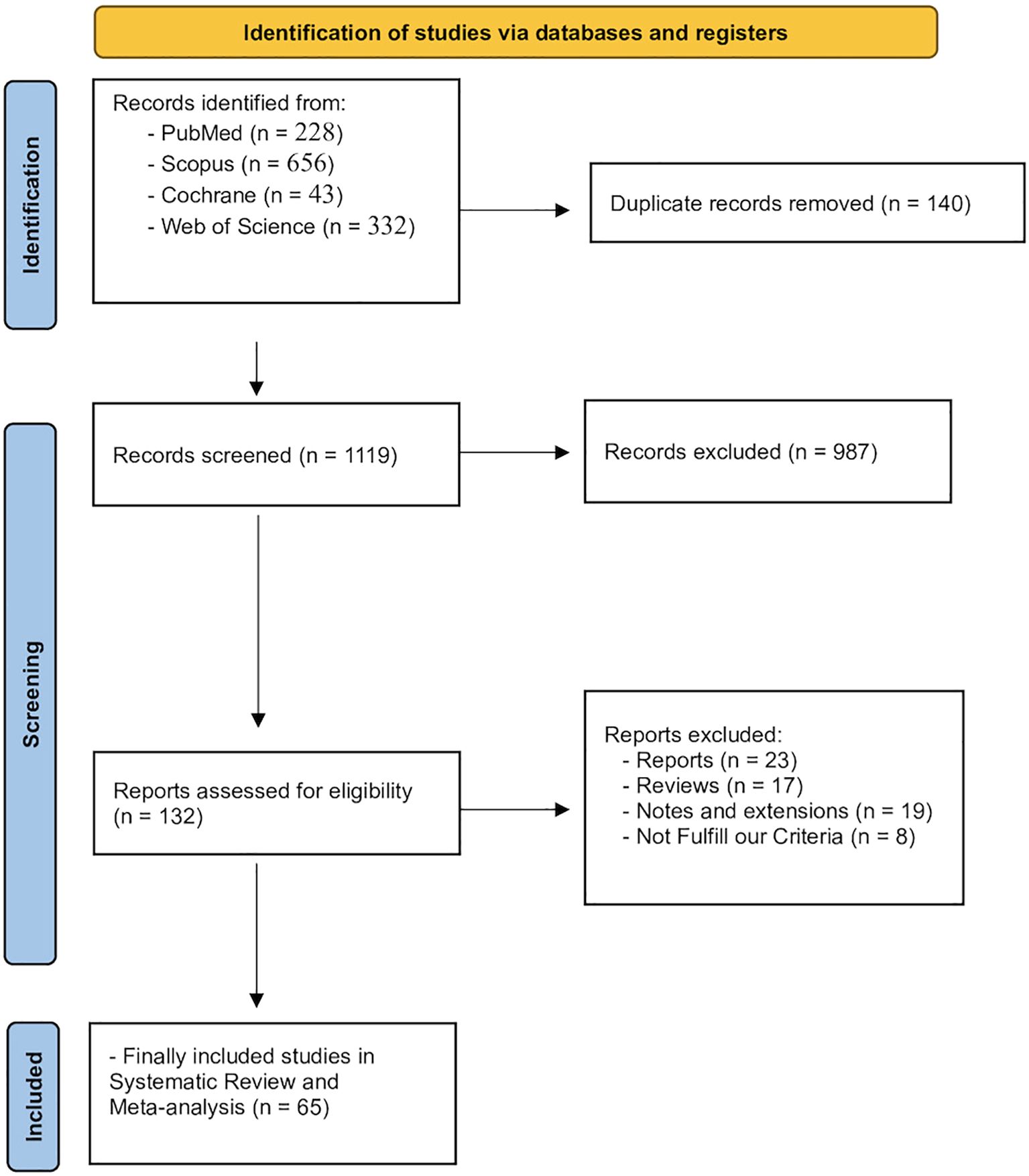
Figure 1. PRISMA flow diagram of the study selection process.
Most of the included studies were animal-controlled studies using mouse models, while only four were human-controlled studies encompassing 91 individuals. Studies were conducted in various geographical areas, with 37 studies conducted in North and South America, mainly in Brazil and the USA; 20 in Asia; 7 in Europe, and one in Africa. Several types of seaweed species were evaluated, such as Solieria filiformis, Porphyra vietnamensis, Gracilaria cornea, Ulva Lactuca, and Caulerpa cupressoides. SPs, polyphenols, and lectin proteins were the most extracted bioactive compounds. In-depth information regarding the study characteristics is presented in Table 1.

Table 1. Summary characteristics of included studies.
3.2 Risk of bias
Sixty-one studies were evaluated using the SYRCLE tool, with 33 studies categorized as having a low risk of bias, 19 exhibiting an unclear risk, and 9 showing a high risk of bias. Detailed information regarding the risk of bias for each study is presented in Table 2. ROB2 was implemented to assess the randomized trials, with three studies rated as having some concerns and one demonstrating a high risk of bias, as illustrated in Figure 2.
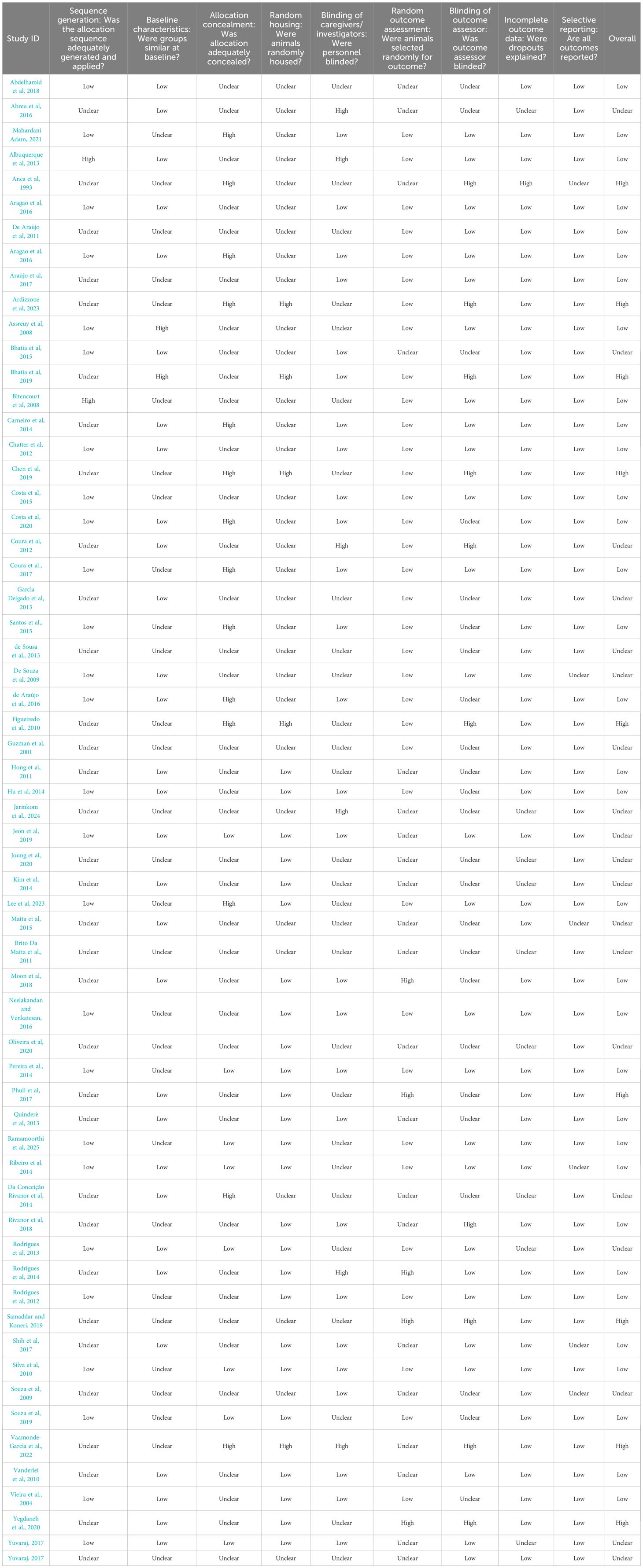
Table 2. SYRCLE ROB for animal studies.
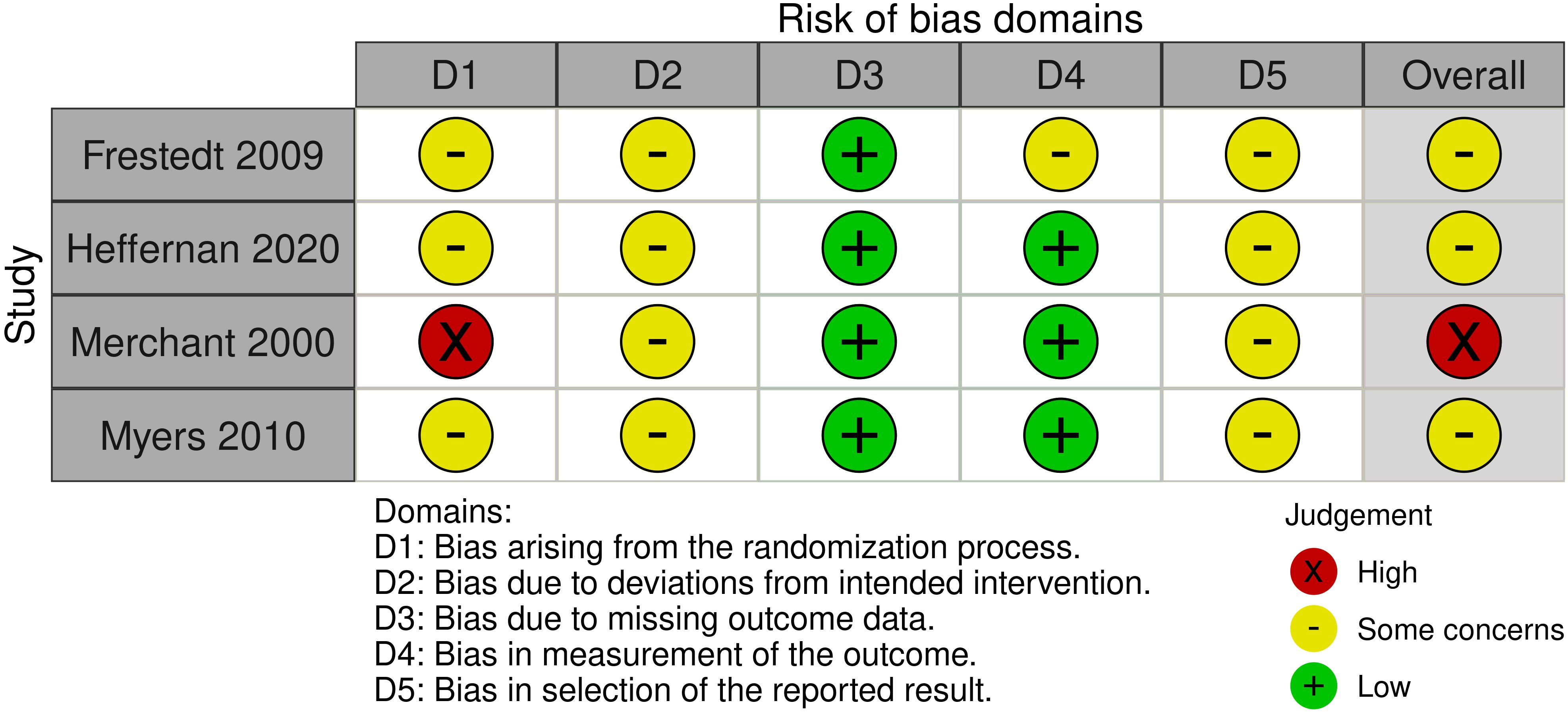
Figure 2. Risk of bias of randomized controlled trials.
3.3 Evidence from experimental studies
3.3.1 Sulphated polysaccharides
SPs demonstrated a potent peripheral analgesic effect, with studies revealing their ability to reduce pain through several mechanisms. For instance, Araújo et al (De Araújo et al., 2011). demonstrated a dose-dependent inhibition of writhing responses, with reductions of 40.6%, 56.6%, and 70.2% at 1 mg/kg, 3 mg/kg, and 9 mg/kg of SPs extracted from Solieria filiformis, respectively. Notably, more recent evidence supports these peripheral analgesic benefits through the significant release of β-endorphin in the subnucleus caudalis by SP extracts from Solieria filiformis (Araújo et al., 2017). The central analgesic effects of SPs have also been evident in several studies. Coura et al (Coura et al., 2012). found a central antinociceptive effect for SPs derived from Gracilaria cornea, as evidenced by the significantly increased latency in the hot-plate test at the highest SP dosage (27 mg/kg). Similar findings were obtained from the SPs extracted from Digenea simplex, with a 160.5% elevation in thermal pain latency in the hot plate test with a dose of 60 mg/kg (Pereira et al., 2014). Nevertheless, Albuquerque et al (Albuquerque et al., 2013). did not find any significant central antinociceptive effect of SPs derived from Dictyota menstrualis at any of the tested concentrations in the hot plate test.
3.3.2 Polyphenols
phlorotannins, have emerged as potent analgesics with peripheral and central mechanisms. Abdelhamid et al (Abdelhamid et al., 2018). demonstrated a marked peripheral antinociceptive effect of phlorotannin-rich fractions from Cystoseira sedoides, as evidenced by a 90.16% reduction in acetic acid-induced writhing. Notably, the central analgesic effects were also prominent with this polyphenolic derivative, as shown by the significant increase in latency in the hot-plate test, with effects lasting 120 min (Abdelhamid et al., 2018). In the same context, Ecklonia cava polyphenols have been shown to significantly reduce postoperative and neuropathic pain in rats, with enhancements in mechanical sensitivity by 682% and decreases in distress vocalizations by 62.8% (Kim et al., 2014). These findings align with those of Samaddar et al (Samaddar and Koneri, 2019), who revealed a significant reduction in neuropathic pain in diabetic rats through notable improvements in thermal analgesia and substantial inhibition of aldose reductase and subsequent sorbitol accumulation.
3.3.3 Proteins
Protein extracts from seaweeds, particularly lectins, are key elements in managing pain through proposed peripheral and central antinociceptive effects. Solieria filiformis lectin showed a considerable reduction in abdominal writhing without a significant impact on thermal nociception in the hot plate test, indicating a lack of central analgesic action (Abreu et al., 2016). Notably, there were no signs of toxicity in mice over the 7-day administration period, highlighting S. filiformis lectin as a safe, peripherally acting analgesic agent. Furthermore, a dose-dependent antinociceptive response was observed with Caulerpa cupressoides-derived lectin, showing reductions of 37.2%, 53.5%, and 86% in acetic acid-induced writhing with 3, 9, and 27 mg/kg lectin doses, respectively (Vanderlei et al., 2010).
3.3.4 Other compounds
A brown aqueous fraction derived from Himanthalia elongata revealed considerable central analgesic activity, as evidenced by the notable increase in reaction time in the hot-plate test at doses of 20, 40, and 100 mg/kg (Anca et al., 1993). However, only the highest dose of this aqueous fraction (100 mg/kg) showed a pronounced peripheral analgesic effect, with a significant reduction in nociceptive responses in the writhing test (Anca et al., 1993). Chatter et al (Chatter et al., 2012). found a significant reduction in pain for brominated diterpene derivatives from Laurencia glandulifera across several mechanisms. The brominated diterpene exhibited dose-dependent inhibition of acetic acid-induced writhing, reducing the frequency of pain behavior and increasing the onset latency, which ranged from approximately 20 to over 60 s.
An alkaloid extract, Caulerpin, from green algae also revealed pronounced peripheral and central analgesic actions by mitigating writhing responses and increasing hot-plate latency (De Souza et al., 2009). Furthermore, Amansia multifida ethanolic extracts demonstrated dose-dependent inhibition of peripheral nociceptive responses, with a maximum reduction of 78% at 5 mg/kg in the acetic acid writhing test, outperforming the standard drug indomethacin (45%) (Aragao et al., 2016). The A. multifida ethanolic extracts also demonstrated a central analgesic effect in the tail flick test, increasing pain latency by 64% and 56% at 90 and 150 min, respectively, at a dose of 10 mg/kg. Yuvaraj et al (Yuvaraj, 2017). found notable analgesic activity for the methanolic extract of Dictyopteris australis in rats. Although the 200 mg/kg dosage of the methanolic extract showed a significant increase in tail withdrawal latency compared to diclofenac sodium (at 3 h, 5.75 s vs. 2.25 s), the 400 mg/kg dosage showed less efficacy relative to diclofenac sodium (at 3 h, 3 s vs. 2.25 s), indicating a non-linear dose-response.
3.4 Evidence from human studies
Multiple human studies have explored the role of seaweed in managing pain associated with various diseases, particularly in osteoarthritis. For instance, a randomized trial by Frestedt et al (Frestedt et al., 2009). found no significant difference between seaweed-derived Aquamin F (2400 mg/day) and placebo in WOMAC pain scores (p = 0.63) in patients with knee osteoarthritis. Notably, Aquamin F was associated with significant improvements in range of motion and six-minute walk distance compared to the placebo, following a 50% reduction in NSAID use. In contrast, in symptomatic knee osteoarthritis, the combination of mineral-rich algae with seawater-derived magnesium and pine bark significantly reduced pain, with a large effect size (d’ = 0.73, p < 0.01). At the same time, glucosamine showed no significant reduction in pain (d’ = 0.38, p = 0.06) (Heffernan et al., 2020). In the same context, a seaweed extract complex containing fucoidans from brown algae, vitamin B6, zinc, and manganese showed significant pain relief in patients with osteoarthritis, with a dose-dependent pattern of pain reduction (Myers, 2010). Chlorella pyrenoidosa, a unicellular green alga rich in chlorophyll and β-carotene, was utilized in patients with fibromyalgia. Supplementation resulted in significant reductions in the tender point index after two months (30 vs. 25, p = 0.01) (Merchant et al., 2000).
4 Discussion
This systematic review provides a comprehensive and robust evaluation of the role of different seaweed species and their associated bioactive extracts in pain management. Different seaweed species and their bioactive compounds have demonstrated pronounced peripheral and central analgesic effects.
4.1 Preclinical evidence
SPs derived from Solieria filiformis revealed significant peripheral antinociceptive effects, with a dose-dependent inhibition in the writhing test, reaching 70% with a 9 mg/kg dosage of SP. Furthermore, Gracilaria cornea-derived SPs also showed a considerable central analgesic effect, with a substantial increase in latency in the hot-plate test at the highest SP dosage (27 mg/kg). In contrast, Dictyota menstrualis-SP extracts showed no significant central analgesic effect in the hot plate test at any of the evaluated doses. Polyphenols, particularly phlorotannins from Cystoseira sedoides, have also demonstrated significant antinociceptive effects. These substances resulted in a 90% reduction in the writhing test and a substantial increase in latency in the hot plate test. Moreover, polyphenols extracted from Ecklonia cava have been shown to improve mechanical sensitivity and decrease stress in postoperative and neuropathic pain models. Notably, Amansia multifida ethanolic extracts showed superior peripheral and central analgesic effects compared to standard drugs such as indomethacin. Furthermore, protein extracts, such as lectins from Solieria filiformis and Caulerpa cupressoides, demonstrated peripheral analgesic benefits without significant central effects. Other derivatives, such as brominated diterpenes from Laurencia glandulifera and the alkaloid caulerpin, also exhibited pronounced peripheral and central antinociceptive actions.
4.2 Human evidence
Human evidence has shown conflicting results. Aquamin F showed no improvement in pain scores compared to the placebo, despite substantial improvements in the range of motion and six-minute walk distance in patients with knee osteoarthritis. In contrast, a mineral-rich algae blend with seawater magnesium and pine bark significantly reduced pain, surpassing the effects of glucosamine supplementation. Similarly, fucoidan-containing seaweed extracts improved osteoarthritis-related pain.
Seaweeds are multicellular, photosynthetic organisms that significantly impact aquatic ecosystems, contribute to oxygen production, and serve as food and physical habitats for various marine organisms. Additionally, they aid in minimizing ocean acidity, which emphasizes their significant role as a nature-based solution to global warming (Cabral et al., 2016; Duarte et al., 2017; Kim et al., 2017; Hasselström et al., 2018). Seaweeds have been traditionally consumed in multiple Asian countries, including China, Japan, and Korea, owing to their health-promoting properties. From a nutritional standpoint, seaweeds are rich in carbohydrates (up to 60%) and proteins (17-44%), contain very little fat (< 4.5%), and are packed with essential micronutrients such as vitamins, minerals, and pigments (Lomartire and Gonçalves, 2022). Many seaweed species are considered promising candidates for biotechnological applications because of their unique biological properties. Several compounds derived from seaweeds are associated with significant health benefits. However, the effects of these bioactive compounds on pain management have not yet been well established.
SPs are commonly extracted from seaweed and exhibit prominent antinociceptive, anti-inflammatory, and antioxidant effects (De Araújo et al., 2011). These extracts have a unique chemical structure rich in polyanions, which enables them to interact with various types of proteins (Arfors and Ley, 1993). In vivo evidence by Araújo et al (De Araújo et al., 2011). supported the ability of SPs to significantly reduce peripheral pain without a notable impact on the central pain pathways. SPs showed a marked dose-dependent inhibition in the acetic-acid writhing test and the inflammatory phase of the formalin test, reaching 70.2% inhibition at 9 mg/kg in the writhing test and 84.6% in the formalin test, indicating a substantial peripheral anaglesic effect for SPs. These antinociceptive effects were similar to those of conventional analgesics, such as indomethacin and morphine, highlighting the strong peripheral analgesic effect of SPs. These peripheral analgesic effects could be attributed to the significant inhibition of peripheral inflammatory mediators, such as prostaglandins, substance P, bradykinin, and cytokines, which sensitize nociceptors (Araújo et al., 2017; De Araújo et al., 2011). Importantly, Araújo et al (De Araújo et al., 2011). did not find any significant effect of SPs on the hot plate test, a model that measures the centrally mediated analgesic response, at any of the SP doses (1, 3, and 9 mg/kg). In contrast, Coura et al (Coura et al., 2012). found a significant increase in pain latency in the hot plate test with the highest SP dose (27 mg/kg); however, lower doses (3 and 9 mg/kg) were ineffective. Notably, the effect of the 27 mg/kg dose was comparable to that of morphine at the 30-minute time point and further reversed by naloxone, an opioid antagonist, which confirms an opioid-like central mechanism for SPs.
These findings highlight the potent peripheral analgesic action of SPs at either lower or higher dosages, whereas the central analgesic effect was achieved at higher SP doses. Seaweed extracts showed reductions ranging from approximately 40 to 90 percent, depending on the species, extract, and dose in several preclinical experiments, indicating significant percent inhibition in conventional nociceptive assays (acetic acid-induced writhing, formalin, and hot plate). Although direct head-to-head statistical equivalency claims are rare and methods/reporting heterogeneity precludes conclusive conclusions regarding equivalence to NSAIDs or opioids, some of these studies also included positive controls (indomethacin, morphine), leading to reductions in the expected ranges for these assays. Consequently, even though the impact sizes seem encouraging, the therapeutic relevance needs to be confirmed (Coura et al., 2012).
Polyphenols are naturally occurring substances extracted mainly from brown seaweeds and have pronounced antioxidant and anti-inflammatory activities. Phlorotannins belong to the polyphenol family and have emerged as promising substances for managing pain. An in vivo animal study utilized phlorotannin-rich fractions (PHT) from three different Mediterranean brown seaweeds (Cystoseira sedoides, Cladostephus spongeosis, and Padina pavonica) found significant analgesic effects for these substances (Abdelhamid et al., 2018). Among these, the phlorotannin extracts from C. sedoides exhibited the most substantial peripheral analgesic effects, achieving 90.16% inhibition with a 100 mg/kg dosage in the acetic acid-induced writhing test, outperforming standard drugs such as acetylsalicylate of lysine, which achieved a 57.79% inhibition at a 200 mg/kg dosage. Furthermore, phlorotannin extracts from C. sedoides and C. spongeosis demonstrated a considerable increase in pain latency in the hot plate test. In contrast, the extracts from P. pavonic were ineffective. Moreover, the central analgesic effects of phlorotannin extracts from C. sedoides (50 and 100 mg/kg) were comparable to those of tramadol and lasted up to 120 min. Interestingly, the co-administration of phlorotannin extracts from C. sedoides (100 mg/kg) and tremadol (25 mg/kg) showed a significantly greater and longer-lasting analgesic effect than either agent alone, suggesting a potential synergistic interaction between them.
Many preclinical investigations have suggested a positive safety profile, with no overt toxicity or behavioral side effects observed after oral or intraperitoneal administration of seaweed extracts at doses up to 200 mg/kg (Rodrigues et al., 2012). However, its reproducibility is limited by variations in the solvent systems, chemical composition, and extraction techniques. Regulatory development will require the establishment of standardized bioactive profiles, including the quantification of phlorotannins and sulfated polysaccharides (Rosa et al., 2019). Additionally, preclinical data suggest that polyphenols derived from seaweed may have synergistic effects with opioidergic or NMDA-modulatory pathways, improving central analgesia (Chatter et al., 2012). Although there is molecular plausibility, these results are still preliminary and require controlled clinical evaluation and focused pharmacodynamic research to be confirmed as translationally relevant.
Mechanistically, its effects are attributed to both peripheral and central actions, likely involving modulation of prostaglandins and oxidative stress, and possibly interacting with opioid or NMDA pathways (Abdelhamid et al., 2018). While the findings highlight a dual mechanism and high efficacy, the exact molecular targets remain unidentified, and the active constituents within the phlorotannin-rich fraction have yet to be isolated. Nonetheless, these results position phlorotannin-rich extracts, especially those from C. sedoides, as strong candidates for further development as multi-target analgesics with both peripheral and central actions.
Protein extracts from seaweed, particularly lecithin, are valuable bioactive substances with promising anti-inflammatory and analgesic effects (Cardozo et al., 2007; Gabius et al., 2011). Peripheral analgesic effects were evidenced in an animal study by Abreu et al (Abreu et al., 2016), who found that the Solieria filiformis lectin was associated with a significant dose-dependent inhibition of writhing, reaching 60% inhibition at a dosage of 9 mg/kg. These potent peripheral antinociceptive effects could be attributed to the substantial anti-inflammatory effect of lecithin, as supported by the potent inhibition of the inflammatory pain phase in the formalin test, which reached 98% with the highest dosage (9 mg/kg). In contrast, Solieria filiformis lectin did not affect the central pain pathway, as it did not prolong the reaction time at any tested dose. Notably, lecithin has a favorable safety profile with no systemic toxicity upon repeated administration.
NSAIDS are commonly used to manage pain in several diseases, such as osteoarthritis; however, their administration carries a substantial risk of adverse events, such as gastrointestinal discomfort, ulceration, and cardiovascular complications (Nussmeier et al., 2005; Ray et al., 2004). Therefore, the utilization of naturally occurring seaweed derivatives has been introduced as a potential pain reliever and a safer solution. The randomized trial by Frestedt et al (Frestedt et al., 2009). investigated the role of Aquamin F, a multi-mineral supplement extracted from the calcified red alga Lithothamnion corallioides, at a dosage of 2400 mg/day during NSAID withdrawal in patients with moderate-to-severe knee osteoarthritis. Despite the significant improvements in function (walking distance and range of motion) with Aquamin F compared to the placebo, even after reducing the NSAIDS use by 50%, no significant difference in the WOMAC pain score between the two groups. Notably, fewer participants in the Aquamin group withdrew from the study due to pain than in the placebo group (13% vs. 36%), highlighting a potential supportive role for Aquamin in symptom stability, especially during NSAIDs withdrawal. Conversely, Heffernan et al (Heffernan et al., 2020). examined a more advanced formulation, Aquamin+ (3056 mg/day), composed of Lithothamnion, magnesium, and pine bark extract. Aquamin+ showed a significant improvement in KOOS pain scores, whereas glucosamine did not. Furthermore, Aquamin+ reduced analgesic use by 70% compared to glucosamine. These significant findings could be attributed to the synergistic anti-inflammatory and neuromodulatory effects of the Aquamin+ components.
4.3 Strengths and drawbacks
Seaweed-derived bioactives, including sulfated polysaccharides, phlorotannins, and lectins, have demonstrated consistent preclinical analgesic effects comparable to those of conventional analgesics. Although human evidence remains limited, existing studies suggest potential benefits in conditions such as osteoarthritis and in fibromyalgia. These effects are mechanistically plausible, as they are supported by the modulation of the inflammatory and nociceptive pathways.
This systematic review offers the most extensive evaluation of preclinical and clinical evidence regarding the analgesic effects of different seaweed species and their bioactive substances. A significant strength of this study is the inclusion of diverse seaweed bioactive compounds, including sulfated polysaccharides, polyphenols, proteins such as lectins, and other secondary derivatives, which represent nearly all available bioactive compounds, ensuring the generalizability and applicability of our findings. The retrieved animal studies were well conducted, implementing a standardized pain model, such as acetic acid-induced writhing and the hot plate test, providing precise dose-response data compared to conventional therapies such as indomethacin or morphine. Furthermore, this study includes available human evidence, which improves translational relevance.
Nonetheless, this study has some drawbacks. First, most animal studies depend on acute pain models, which may not fully reflect chronic pain conditions such as osteoarthritis or neuropathic pain. Second, a significant number of studies utilized crude or partially purified extracts, which raises concerns regarding whether the analgesic effect is caused by the compound itself or other substances. Third, from a clinical perspective, the limited number of clinical trials and their small sample sizes restrict the generalizability of their findings. Fourth, there was considerable heterogeneity between the included studies in terms of study design, intervention type, and outcome measures, which may limit direct comparison between studies. Therefore, although the current findings are promising, further studies are required to confirm these observations.
4.4 Advances in clinical knowledge
This systematic review highlights the efficacy of seaweed-derived compounds in pain management by gathering available evidence from animal and human studies. Most of these compounds exhibited promising analgesic effects. For instance, sulfated polysaccharides and polyphenols exhibited significant peripheral and central analgesic effects, with an apparent dose-dependent effect and comparable analgesic effects to standard drugs such as indomethacin and morphine. In clinical settings, the implementation of multi-mineral seaweed-derived substances, such as Aquamin+, revealed significantly higher analgesic effects than glucosamine in patients with knee osteoarthritis. Most seaweed-derived compounds are generally safe and do not cause significant adverse events. Thus, they are a potential alternative to standard analgesics, particularly for patients with a significant risk of NSAID-related complications.
4.5 Future suggestions
Well-characterized, standardized extracts should be investigated in future studies to obtain an accurate analgesic effect of seaweed compounds. Future studies should focus on examining the effects of seaweed extracts on chronic and neuropathic pain models. Large-scale trials with extended follow-up durations and placebo controls should be conducted to support the current evidence and optimize patient outcomes. Comparative studies of NSAIDs and opioids would provide critical insights into their clinical effectiveness. Future preclinical research should confirm the mechanistic targets, including opioid, NMDA, and TRP channels, using receptor-antagonist and pathway-inhibitor methodologies. Whether the analgesic effects are centrally or peripherally mediated can be determined by comparative studies employing pharmacologic blockers or receptor knockouts. Using purified polysaccharide and phlorotannin fractions to standardize the dose-response across investigations will enhance repeatability and facilitate translational pharmacokinetic modeling.
4.6 Translational and stakeholder implications
These results show that marine-derived nutraceuticals have potential as supplements or substitutes for conventional analgesics. The development of nutraceuticals should prioritize active compound discovery, pharmacodynamic characterization, and repeatable extraction procedures. Regulators must standardize seaweed-derived chemicals in accordance with Good Manufacturing Practice (GMP) guidelines and start IND-enabling toxicity investigations as crucial next steps for clinical use.
5 Conclusion
This systematic review emphasizes seaweed-derived substances, particularly sulfated polysaccharides, polyphenols, and proteins, exhibit consistent peripheral and central analgesic effects comparable to those of conventional pharmacological agents. Clinical studies demonstrated encouraging results, particularly for multi-mineral seaweed formulations such as Aquamin+, which notably minimized pain and analgesic use in patients with knee osteoarthritis. Caution is needed while interpreting these findings, given the small number of human studies and heterogeneity among the included studies. Further research is warranted to standardize the extracts, explore chronic pain applications, and validate the findings in large-scale human trials.
Data availability statement
The original contributions presented in the study are included in the article/Supplementary Material. Further inquiries can be directed to the corresponding author/s.
Author contributions
MB-A: Conceptualization, Formal Analysis, Writing – original draft, Methodology. NF-E: Writing – review & editing, Methodology. EJ-C: Validation, Data curation, Software, Writing – review & editing. LB-V: Writing – review & editing, Software. JF-T: Writing – review & editing, Methodology, Data curation. FF-V: Writing – review & editing, Validation. JV-M: Formal Analysis, Methodology, Writing – original draft, Conceptualization.
Funding
The author(s) declare that no financial support was received for the research and/or publication of this article. The publication of the work has been funded by the Catholic University of Valencia.
Conflict of interest
The authors declare that the research was conducted in the absence of any commercial or financial relationships that could be construed as a potential conflict of interest.
Generative AI statement
The author(s) declare that no Generative AI was used in the creation of this manuscript.
Any alternative text (alt text) provided alongside figures in this article has been generated by Frontiers with the support of artificial intelligence and reasonable efforts have been made to ensure accuracy, including review by the authors wherever possible. If you identify any issues, please contact us.
Publisher’s note
All claims expressed in this article are solely those of the authors and do not necessarily represent those of their affiliated organizations, or those of the publisher, the editors and the reviewers. Any product that may be evaluated in this article, or claim that may be made by its manufacturer, is not guaranteed or endorsed by the publisher.
Supplementary material
The Supplementary Material for this article can be found online at: https://www.frontiersin.org/articles/10.3389/fmars.2025.1720255/full#supplementary-material
Abbreviations
SPs , Sulfated polysaccharides; ROS , Reactive oxygen species; RCT , Randomized controlled trial; NSAIDs , Non-steroidal anti-inflammatory drugs; NO , Nitric oxide; TRP , Transient receptor potential; GABA , Gamma-aminobutyric acid; OA , Osteoarthritis; TMJ , Temporomandibular joint; HO-1 , Heme oxygenase-1; IL , Interleukin; TNF , Tumor necrosis factor; NMDA , N-methyl-D-aspartate; PRISMA , Preferred Reporting Items for Systematic Reviews and Meta-Analyses; ROB , Risk of bias
References
Abdelhamid A., Jouini M., Bel Haj Amor H., Mzoughi Z., Dridi M., Ben Said R., et al. (2018). Phytochemical analysis and evaluation of the antioxidant, anti-inflammatory, and antinociceptive potential of phlorotannin-rich fractions from three mediterranean brown seaweeds. Mar. Biotechnol. 20, 60–74. doi: 10.1007/s10126-017-9787-z
Abreu T., Ribeiro N., Chaves H., Jorge R., Bezerra M., Monteiro H., et al. (2016). Antinociceptive and anti-inflammatory activities of the lectin from marine red alga solieria filiformis. Planta Med. 82, 596–605. doi: 10.1055/s-0042-101762
Albuquerque I., Cordeiro S., Gomes D., Dreyfuss J., Filgueira L., Leite E., et al. (2013). Evaluation of anti-nociceptive and anti-inflammatory activities of a heterofucan from dictyota menstrualis. Mar. Drugs 11, 2722–2740. doi: 10.3390/md11082722
Anca J., Lamela M., and Calleja J. (1993). Activity on the central nervous system of himanthalia elongata. Planta Med. 59, 218–220. doi: 10.1055/s-2006-959655
Aragao G. F., Nonato D. T. T., Ponta E. L. D., Sales J. R., Alencar D. B., Sampaio S. S., et al. (2016). Protective effects of ethanolic extract from the red algae Amansia multifida on experimental inflammation, nociception and seizure experimental models. Acta Sci. Biol. Sci. 38, 465. doi: 10.4025/actascibiolsci.v38i4.32361
Araújo I. W. F., Chaves H. V., Pachêco J. M., Val D. R., Vieira L. V., Santos R., et al. (2017). Role of central opioid on the antinociceptive effect of sulfated polysaccharide from the red seaweed Solieria filiformis in induced temporomandibular joint pain. Int. Immunopharmacol. 44, 160–167. doi: 10.1016/j.intimp.2017.01.005
Ardizzone A., Mannino D., Capra A. P., Repici A., Filippone A., Esposito E., et al. (2023). New Insights into the Mechanism of Ulva pertusa on Colitis in Mice: Modulation of the Pain and Immune System. Mar. Drugs 21, 298. doi: 10.3390/md21050298
Arfors K. E. and Ley K. (1993). Sulfated polysaccharides in inflammation. J. Lab. Clin. Med. 121, 201–202.
Assreuy A. M. S., Gomes D. M., Da Silva M. S. J., Torres V. M., Siqueira R. C. L., Pires A. D. F., et al. (2008). Biological effects of a sulfated-polysaccharide isolated from the marine red algae champia feldmannii. Biol. Pharm. Bull. 31, 691–695. doi: 10.1248/bpb.31.691
Belda-Antolí M., Ros Bernal F. A., and Vicente-Mampel J. (2025). From sea to relief: the therapeutic potential of marine algal antioxidants in pain alleviation. Mar. Drugs 23, 270. doi: 10.3390/md23070270
Bhatia S., Sardana S., Senwar K. R., Dhillon A., Sharma A., and Naved T. (2019). In vitro antioxidant and antinociceptive properties of Porphyra Vietnamensis. BioMedicine 9, 3. doi: 10.1051/bmdcn/2019090103
Bhatia S., Sharma K., Sharma A., Nagpal K., and Bera T. (2015). Anti-inflammatory, Analgesic and Antiulcer properties of Porphyra Vietnamensis. Avicenna J. phytomedicine 5, 69–77.
Bitencourt F. D. S., Figueiredo J. G., Mota M. R. L., Bezerra C. C. R., Silvestre P. P., Vale M. R., et al. (2008). Antinociceptive and anti-inflammatory effects of a mucin-binding agglutinin isolated from the red marine alga Hypnea cervicornis. Naunyn-Schmied Arch. Pharmacol. 377, 139–148. doi: 10.1007/s00210-008-0262-2
Bocanegra A., Bastida S., Benedí J., Ródenas S., and Sánchez-Muniz F. J. (2009). Characteristics and nutritional and cardiovascular-health properties of seaweeds. J. Med. Food 12, 236–258. doi: 10.1089/jmf.2008.0151
Brito Da Matta C. B., De Souza É.T., De Queiroz A. C., De Lira D. P., De Araújo M. V., Cavalcante-Silva L. H. A., et al. (2011). Antinociceptive and anti-inflammatory activity from algae of the genus caulerpa. Mar. Drugs 9, 307–318. doi: 10.3390/md9030307
Brown E. S., Allsopp P. J., Magee P. J., Gill C. I. R., Nitecki S., Strain C. R., et al. (2014). Seaweed and human health. Nutr. Rev. 72, 205–216. doi: 10.1111/nure.12091
Cabral P., Levrel H., Viard F., Frangoudes K., Girard S., Scemama P., et al. (2016). Ecosystem services assessment and compensation costs for installing seaweed farms. Mar. Policy 71, 157–165. doi: 10.1016/j.marpol.2016.05.031
Cardozo K. H. M., Guaratini T., Barros M. P., Falcão V. R., Tonon A. P., Lopes N. P., et al. (2007). Metabolites from algae with economical impact. Comp. Biochem. Physiol. C Toxicol. Pharmacol. 146, 60–78. doi: 10.1016/j.cbpc.2006.05.007
Carneiro J. G., Rodrigues J. A. G., De Sousa Oliveira Vanderlei E., Souza R. B., Quinderé A. L. G., Coura C. O., et al. (2014). Peripheral antinociception and anti-inflammatory effects of sulphated polysaccharides from the alga caulerpa mexicana. Basic Clin. Pharma Tox 115, 335–342. doi: 10.1111/bcpt.12234
Chatter R., Cenac N., Roussis V., Kharrat R., and Vergnolle N. (2012). Inhibition of sensory afferents activation and visceral pain by a brominated algal diterpene. Neurogastroenterol. Motil. 24, e336–e343. doi: 10.1111/j.1365-2982.2012.01940.x
Checa J. and Aran J. M. (2020). Reactive oxygen species: drivers of physiological and pathological processes. J. Inflammation Res. 13, 1057–1073. doi: 10.2147/JIR.S275595
Chen S.-J., Lee C.-J., Lin T.-B., Peng H.-Y., Liu H.-J., Chen Y.-S., et al. (2019). Protective effects of fucoxanthin on ultraviolet B-induced corneal denervation and inflammatory pain in a rat model. Mar. Drugs 17, 152. doi: 10.3390/md17030152
Costa V. V., Amaral F. A., Coelho F. M., Queiroz-Junior C. M., Malagoli B. G., Gomes J. H. S., et al. (2015). Lithothamnion muelleri treatment ameliorates inflammatory and hypernociceptive responses in antigen-induced arthritis in mice. PloS One 10, e0118356. doi: 10.1371/journal.pone.0118356
Costa L. E. C., Brito T. V., Damasceno R. O. S., Sousa W. M., Barros F. C. N., Sombra V. G., et al. (2020). Chemical structure, anti-inflammatory and antinociceptive activities of a sulfated polysaccharide from Gracilaria intermedia algae. Int. J. Biol. Macromolecules 159, 966–975. doi: 10.1016/j.ijbiomac.2020.05.166
Coura C. O., Chaves H. V., Do Val D. R., Vieira L. V., Silveira F. D., Dos Santos Lopes F. M. L., et al. (2017). Mechanisms involved in antinociception induced by a polysulfated fraction from seaweed Gracilaria cornea in the temporomandibular joint of rats. Int. J. Biol. Macromolecules 97, 76–84. doi: 10.1016/j.ijbiomac.2017.01.017
Coura C. O., De Araújo I. W. F., Vanderlei E. S. O., Rodrigues J. A. G., Quinderé A. L. G., Fontes B. P., et al. (2012). Antinociceptive and anti-inflammatory activities of sulphated polysaccharides from the red seaweed gracilaria cornea. Basic Clin. Pharma Tox 110, 335–341. doi: 10.1111/j.1742-7843.2011.00811.x
Da Conceição Rivanor R. L., Chaves H. V., Do Val D. R., De Freitas A. R., Lemos J. C., Rodrigues J. A. G., et al. (2014). A lectin from the green seaweed Caulerpa cupressoides reduces mechanical hyper-nociception and inflammation in the rat temporomandibular joint during zymosan-induced arthritis. Int. Immunopharmacol. 21, 34–43. doi: 10.1016/j.intimp.2014.04.009
De Araújo I. W. F., Rodrigues J. A. G., Quinderé A. L. G., Silva J. D. F. T., Maciel G. D. F., Ribeiro N. A., et al. (2016). Analgesic and anti-inflammatory actions on bradykinin route of a polysulfated fraction from alga Ulva lactuca. Int. J. Biol. Macromolecules 92, 820–830. doi: 10.1016/j.ijbiomac.2016.07.094
De Araújo I. W. F., Vanderlei E. D. S. O., Rodrigues J. A. G., Coura C. O., Quinderé A. L. G., Fontes B. P., et al. (2011). Effects of a sulfated polysaccharide isolated from the red seaweed Solieria filiformis on models of nociception and inflammation. Carbohydr. Polymers 86, 1207–1215. doi: 10.1016/j.carbpol.2011.06.016
De Queiroz I. N., Quinderé A. L., Rodrigues J. A., de Sousa Oliveira Vanderlei E., Ribeiro N. A., da Conceição Rivanor R. L., et al. (2015). ). Dual effects of a lectin from the green seaweed Caulerpa cupressoides var. lycopodium on inflammatory mediators in classical models of inflammation. Inflammation research: Off. J. Eur. Histamine Res. Soc. 64, 971–982. doi: 10.1007/s00011-015-0880-3
De Sousa A. A. S., Benevides N. M. B., De Freitas Pires A., Fiúza F. P., Queiroz M. G. R., Morais T. M. F., et al. (2013). A report of a galactan from marine alga Gelidium crinale with in vivo anti-inflammatory and antinociceptive effects. Fundamemntal Clin. Pharma 27, 173–180. doi: 10.1111/j.1472-8206.2011.01001.x
De Souza É.T., Pereira De Lira D., Cavalcanti De Queiroz A., Costa Da Silva D. J., Bezerra De Aquino A., Campessato Mella E. A., et al. (2009). The antinociceptive and anti-inflammatory activities of caulerpin, a bisindole alkaloid isolated from seaweeds of the genus caulerpa. Mar. Drugs 7, 689–704. doi: 10.3390/md7040689
Duarte C. M., Wu J., Xiao X., Bruhn A., and Krause-Jensen D. (2017). Can seaweed farming play a role in climate change mitigation and adaptation? Front. Mar. Sci. 4. doi: 10.3389/fmars.2017.00100
Faggio C., Pagano M., Dottore A., Genovese G., and Morabito M. (2016). Evaluation of anticoagulant activity of two algal polysaccharides. Nat. Prod Res. 30, 1934–1937. doi: 10.1080/14786419.2015.1086347
Figueiredo J. G., Bitencourt F. S., Cunha T. M., Luz P. B., Nascimento K. S., Mota M. R. L., et al. (2010). Agglutinin isolated from the red marine alga Hypnea cervicornis J. Agardh reduces inflammatory hypernociception: Involvement of nitric oxide. Pharmacol. Biochem. Behav. 96, 371–377. doi: 10.1016/j.pbb.2010.06.008
Frestedt J. L., Kuskowski M. A., and Zenk J. L. (2009). A natural seaweed derived mineral supplement (Aquamin F) for knee osteoarthritis: A randomised, placebo controlled pilot study. Nutr. J. 8, 7. doi: 10.1186/1475-2891-8-7
Gabius H.-J., André S., Jiménez-Barbero J., Romero A., and Solís D. (2011). From lectin structure to functional glycomics: principles of the sugar code. Trends Biochem. Sci. 36, 298–313. doi: 10.1016/j.tibs.2011.01.005
García Delgado N., Frías Vázquez A. I., Cabrera Sánchez H., Soto Del Valle R. M., Sierra Gómez Y., and Suárez Alfonso A. M. (2013). Anti-inflammatory and antinociceptive activities of methanolic extract from red seaweed Dichotomaria obtusata. Braz. J. Pharm. Sci. 49, 65–74. doi: 10.1590/S1984-82502013000100008
GBD 2021 Diseases and Injuries Collaborators (2024). Global incidence, prevalence, years lived with disability (YLDs), disability-adjusted life-years (DALYs), and healthy life expectancy (HALE) for 371 diseases and injuries in 204 countries and territories and 811 subnational locations 1990-2021: a systematic analysis for the Global Burden of Disease Study 2021. Lancet (London England) 403, 2133–2161. doi: 10.1016/S0140-6736(24)00757-8
Guiry M. D. (2024). How many species of algae are there? A reprise. Four kingdoms, 14 phyla, 63 classes and still growing. J. Phycology 60, 214–228. doi: 10.1111/jpy.13431
Guzman S., Gato A., and Calleja J. M. (2001). Antiinflammatory, analgesic and free radical scavenging activities of the marine microalgae Chlorella stigmatophora and Phaeodactylum tricornutum. Phytotherapy Res. 15, 224–230. doi: 10.1002/ptr.715
Hassan M., Zahra N., Shafi A., Shahzadi S., Moustafa A., and Kloczkowski A. (2024). Investigation of Anti-inflammatory, Antipyretic and AnalgesicActivities of Citrullus colocynthis in Albino Rats through in vivoand Pharmacoinformatics Studies. RAAIDD 19, 119–136. doi: 10.2174/2772434418666230412105317
Hasselström L., Visch W., Gröndahl F., Nylund G. M., and Pavia H. (2018). The impact of seaweed cultivation on ecosystem services - a case study from the west coast of Sweden. Mar. pollut. Bull. 133, 53–64. doi: 10.1016/j.marpolbul.2018.05.005
Heffernan S. M., McCarthy C., Eustace S., FitzPatrick R. E., Delahunt E., and De Vito G. (2020). Mineral rich algae with pine bark improved pain, physical function and analgesic use in mild-knee joint osteoarthritis, compared to Glucosamine: A randomized controlled pilot trial. Complementary Therapies Med. 50, 102349. doi: 10.1016/j.ctim.2020.102349
Hong D., Hoang M.-H., and Lan Anh H. (2011). Studies on the analgesic and anti-inflammatory activities of Sargassum swartzii (Turner) C. Agardh (Phaeophyta) and Ulva reticulata Forsskal (Chlorophyta) in experiment animal models. Afr. J. Biotechnol. 10, 2308–2314. doi: 10.5897/AJB10.213
Hooijmans C. R., Rovers M. M., de Vries R. B., Leenaars M., Ritskes-Hoitinga M., and Langendam M. W. (2014). SYRCLE’s risk of bias tool for animal studies. BMC Med. Res. Method. 14, 43. doi: 10.1186/1471-2288-14-43
Hu C., Zhang G., and Zhao Y. (2014). Fucoidan attenuates the existing allodynia and hyperalgesia in a rat model of neuropathic pain. Neurosci. Lett. 571, 66–71. doi: 10.1016/j.neulet.2014.04.030
Iso H. (2011). Lifestyle and cardiovascular disease in Japan. J. Atheroscler Thromb. 18, 83–88. doi: 10.5551/jat.6866
Iso H., Kubota Y., and Japan Collaborative Cohort Study for Evaluation of Cancer (2007). Nutrition and disease in the Japan collaborative cohort study for evaluation of cancer (JACC). Asian Pac J. Cancer Prev. 8 Suppl, 35–80.
Jarmkom K., Eiamart W., and Tunit P. (2024). Phytochemical screening, antioxidant and anti-arthritis potential of decoction extract from caulerpa lentillifera. Pharmacogn J. 16, 927–932. doi: 10.5530/pj.2024.16.150
Jeon H., Yoon W.-J., Ham Y.-M., Yoon S.-A., and Kang S. C. (2019). Anti-Arthritis Effect through the Anti-Inflammatory Effect of Sargassum muticum Extract in Collagen-Induced Arthritic (CIA) Mice. Molecules 24, 276. doi: 10.3390/molecules24020276
Joung E., Kwon M., Gwon W., Cao L., Lee S., Utsuki T., et al. (2020). Meroterpenoid-rich fraction of the ethanol extract of sargassum serratifolium suppresses collagen-induced rheumatoid arthritis in DBA/1J mice via inhibition of nuclear factor κB activation. Mol. Nutr. Food Res. 64, 1900373. doi: 10.1002/mnfr.201900373
Jung H. A., Islam M. N., Lee C. M., Oh S. H., Lee S., Jung J. H., et al. (2013). Kinetics and molecular docking studies of an anti-diabetic complication inhibitor fucosterol from edible brown algae Eisenia bicyclis and Ecklonia stolonifera. Chem. Biol. Interact. 206, 55–62. doi: 10.1016/j.cbi.2013.08.013
Kim J., Lim D., Cho S., Han D., and Kim Y. (2014). The edible brown seaweed ecklonia cava reduces hypersensitivity in postoperative and neuropathic pain models in rats. Molecules 19, 7669–7678. doi: 10.3390/molecules19067669
Kim J., Shin A., Lee J.-S., Youn S., and Yoo K.-Y. (2009). Dietary factors and breast cancer in Korea: an ecological study. Breast J. 15, 683–686. doi: 10.1111/j.1524-4741.2009.00817.x
Kim J. K., Yarish C., Hwang E. K., Park M., and Kim Y. (2017). Seaweed aquaculture: cultivation technologies, challenges and its ecosystem services. Algae 32 (1), 1–13. doi: 10.4490/algae.2017.32.3.3
Kwon Y. J., Kwon O. I., Hwang H. J., Shin H. C., and Yang S. (2023). Therapeutic effects of phlorotannins in the treatment of neurodegenerative disorders. Front. Mol. Neurosci. 16. doi: 10.3389/fnmol.2023.1193590
Leandro A., Pacheco D., Cotas J., Marques J. C., Pereira L., and Gonçalves A. M. M. (2020). Seaweed’s bioactive candidate compounds to food industry and global food security. Life (Basel) 10, 140. doi: 10.3390/life10080140
Lee S. A., Han S. H., Jang J. Y., Park B.-R., and Kim C. S. (2023). Chondroprotective Effects of Ulva prolifera on Osteoarthritis through MAPKs Signaling Inhibition. Prev. Nutr. Food Sci. 28, 43–49. doi: 10.3746/pnf.2023.28.1.43
Lin G., Liu X., Yan X., Liu D., Yang C., Liu B., et al. (2018). Role of green macroalgae enteromorpha prolifera polyphenols in the modulation of gene expression and intestinal microflora profiles in type 2 diabetic mice. Int. J. Mol. Sci. 20, 25. doi: 10.3390/ijms20010025
Lomartire S. and Gonçalves A. M. M. (2022). An overview of potential seaweed-derived bioactive compounds for pharmaceutical applications. Mar. Drugs 20, 141. doi: 10.3390/md20020141
Mahardani Adam O., Nugraha J., Machfoed M. H., and Turchan A. (2021). In silico Study on the Promising Active Components of Terpenoid and Fucoidon from Sargassum sp. Inhibiting CGRP TNF-α. PJ 13, 1715–1719. doi: 10.5530/pj.2021.13.221
Manlusoc J. K. T., Hsieh C. L., Hsieh C. Y., Salac E. S. N., Lee Y. T., and Tsai P. W. (2019). Pharmacologic application potentials of sulfated polysaccharide from marine algae. Polymers. 11 (7), 1163. doi: 10.3390/polym11071163
Mary J. S., Vinotha P., and Pradeep A. M. (2012). Screening for in vitro cytotoxic activity of seaweed, Sargassum sp. against Hep-2 and MCF-7 cancer cell lines. Asian Pac J. Cancer Prev. 13, 6073–6076. doi: 10.7314/apjcp.2012.13.12.6073
Matta C. B. B. D., Cavalcante-Silva L. H. A., Araújo Júnior J. X. D., Miranda G. E. C. D., Bastos K. X., Sousa J. C. F., et al. (2015). Antinociceptive and anti-inflammatory effects of caulerpa kempfii (Caulerpaceae). Rev. Virtual Química 7, 730–743. doi: 10.5935/1984-6835.20150033
Meinita M. D. N., Harwanto D., and Choi J.-S. (2022). Seaweed exhibits therapeutic properties against chronic diseases: an overview. Appl. Sci. 12, 2638. doi: 10.3390/app12052638
Merchant R. E., Carmack C. A., and Wise C. M. (2000). Nutritional Supplementation withChlorella pyrenoidosa for patients with fibromyalgia syndrome: a pilot study. Phytother. Res. 14, 167–173. doi: 10.1002/(SICI)1099-1573(200005)14:3<167::AID-PTR560>3.0.CO;2-R
Moon S.-M., Lee S. A., Han S. H., Park B.-R., Choi M. S., Kim J.-S., et al. (2018). Aqueous extract of Codium fragile alleviates osteoarthritis through the MAPK/NF-κB pathways in IL-1β-induced rat primary chondrocytes and a rat osteoarthritis model. Biomedicine Pharmacotherapy 97, 264–270. doi: 10.1016/j.biopha.2017.10.130
Myers S. (2010). A combined phase I and II open label study on the effects of a seaweed extract nutrient complex on osteoarthritis. BTT 33, 33–44. doi: 10.2147/BTT.S8354
Neelakandan Y. and Venkatesan A. (2016). Antinociceptive and anti-inflammatory effect of sulfated polysaccharide fractions from Sargassum wightii and Halophila ovalis in male Wistar rats. Indian J. Pharmacol. 48, 562. doi: 10.4103/0253-7613.190754
Nussmeier N. A., Whelton A. A., Brown M. T., Langford R. M., Hoeft A., Parlow J. L., et al. (2005). Complications of the COX-2 inhibitors parecoxib and valdecoxib after cardiac surgery. N Engl. J. Med. 352, 1081–1091. doi: 10.1056/NEJMoa050330
Oliveira F. F. B. D., Bingana R. D., Morais P. A. F., Oliveira S. R. B. D., Barbosa A. L. D. R., Chaves L. D. S., et al. (2020). Sulfated polysaccharide from Gracilaria caudata reduces hypernociception and inflammatory response during arthritis in rodents. Int. J. Biol. Macromolecules 161, 1061–1069. doi: 10.1016/j.ijbiomac.2020.06.060
Ouzzani M., Hammady H., Fedorowicz Z., and Elmagarmid A. (2016). Rayyan—a web and mobile app for systematic reviews. Systematic Rev. 5, 210. doi: 10.1186/s13643-016-0384-4
Page M. J., McKenzie J. E., Bossuyt P. M., Boutron I., Hoffmann T. C., Mulrow C. D., et al. (2021). The PRISMA 2020 statement: an updated guideline for reporting systematic reviews. . BMJ 372, n71. doi: 10.1136/bmj.n71
Paiva L., Lima E., Neto A. I., Marcone M., and Baptista J. (2017). Nutritional and Functional Bioactivity Value of Selected Azorean Macroalgae: Ulva compressa, Ulva rigida, Gelidium microdon, and Pterocladiella capillacea. J. Food Sci. 82, 1757–1764. doi: 10.1111/1750-3841.13778
Park J.-K., Woo H. W., Kim M. K., Shin J., Lee Y.-H., Shin D. H., et al. (2021). Dietary iodine, seaweed consumption, and incidence risk of metabolic syndrome among postmenopausal women: a prospective analysis of the Korean Multi-Rural Communities Cohort Study (MRCohort). Eur. J. Nutr. 60, 135–146. doi: 10.1007/s00394-020-02225-0
Pereira J. G., Mesquita J. X., Aragão K. S., Franco Á.X., Souza M. H. L. P., Brito T. V., et al. (2014). Polysaccharides isolated from Digenea simplex inhibit inflammatory and nociceptive responses. Carbohydr. Polymers 108, 17–25. doi: 10.1016/j.carbpol.2014.01.105
Phull A.-R., Majid M., Haq I., Khan M. R., and Kim S. J. (2017). In vitro and in vivo evaluation of anti-arthritic, antioxidant efficacy of fucoidan from Undaria pinnatifida (Harvey) Suringar. Int. J. Biol. Macromolecules 97, 468–480. doi: 10.1016/j.ijbiomac.2017.01.051
Quinderé A. L. G., Fontes B. R., Vanderlei E. D. S. O., De Queiroz I. N. L., Rodrigues J. A. G., De Araújo I. W. F., et al. (2013). Peripheral antinociception and anti-edematogenic effect of a sulfated polysaccharide from Acanthophora muscoides. Pharmacol. Rep. 65, 600–613. doi: 10.1016/S1734-1140(13)71037-5
Ramamoorthi L., Jeyabalan S., Sankar S., Begum M. Y., Duraipandian C., Sekar M., et al. (2025). Anti-arthritic potential of crude sulfated polysaccharide from marine macroalgae Sargassum ilicifolium (Turner) C. Agardh: Regulation of cytokine cascade. Biomolecular Concepts 16, 20220050. doi: 10.1515/bmc-2022-0050
Ray W. A., Griffin M. R., and Stein C. M. (2004). Cardiovascular toxicity of valdecoxib. N Engl. J. Med. 351, 2767. doi: 10.1056/NEJMc045711
Ribeiro N. A., Abreu T. M., Chaves H. V., Bezerra M. M., Monteiro H. S. A., Jorge R. J. B., et al. (2014). Sulfated polysaccharides isolated from the green seaweed Caulerpa racemosa plays antinociceptive and anti-inflammatory activities in a way dependent on HO-1 pathway activation. Inflamm. Res. 63, 569–580. doi: 10.1007/s00011-014-0728-2
Rivanor R. L. D. C., Do Val D. R., Ribeiro N. A., Silveira F. D., De Assis E. L., Franco Á.X., et al. (2018). A lectin fraction from green seaweed Caulerpa cupressoides inhibits inflammatory nociception in the temporomandibular joint of rats dependent from peripheral mechanisms. Int. J. Biol. Macromolecules 115, 331–340. doi: 10.1016/j.ijbiomac.2018.04.065
Rodrigues J. A. G., Chaves H. V., Alves K. D. S., Filgueira A. A., Bezerra M. M., and Benevides N. M. B. (2014). Structural features and assessment of zymosan-induced arthritis in rat temporomandibular joint model using sulfated polysaccharide. Acta Sci. Biol. Sci. 36, 127. doi: 10.4025/actascibiolsci.v36i2.19342
Rodrigues J. A. G., Vanderlei E. D. S. O., Quinderé A. L. G., Monteiro V. S., Vasconcelos S. M. M. D., and Benevides N. M. B. (2013). Antinociceptive activity and acute toxicological study of a novel sulfated polysaccharide from Caulerpa cupressoides var. lycopodium (Chlorophyta) in Swiss mice - doi: 10.4025/actascitechnol.v35i3.15365. Acta Sci. Technol. 35, 417–425. doi: 10.4025/actascitechnol.v35i3.15365
Rodrigues J. A. G., Vanderlei E. D. S. O., Silva L. M. C. M., De Araújo I. W. F., De Queiroz I. N. L., De Paula G. A., et al. (2012). Antinociceptive and anti-inflammatory activities of a sulfated polysaccharide isolated from the green seaweed Caulerpa cupressoides. Pharmacol. Rep. 64, 282–292. doi: 10.1016/S1734-1140(12)70766-1
Rosa G. P., Tavares W. R., Sousa P. M. C., Pagès A. K., Seca A. M. L., and Pinto D. C. G. A. (2019). Seaweed secondary metabolites with beneficial health effects: an overview of successes in in vivo studies and clinical trials. Mar. Drugs 18, 8. doi: 10.3390/md18010008
Samaddar S. and Koneri R. (2019). Neuroprotective efficacy of polyphenols of marine brown macroalga Ecklonia cava in diabetic peripheral neuropathy. Phcog Mag 15, 468. doi: 10.4103/pm.pm_212_19
Sanjeewa K. K. A., Herath K. H. I. N. M., Yang H. W., Choi C. S., and Jeon Y. J. (2021). Anti-inflammatory mechanisms of fucoidans to treat inflammatory diseases: A review. Mar. Drugs 19, 678. doi: 10.3390/md19120678
Santos A.K.F.D.S., Da Fonseca D. V., Salgado P. R. R., Muniz V. M., De Arruda Torres P., Lira N. S., et al. (2015). Antinociceptive activity of Sargassum polyceratium and the isolation of its chemical components. Rev. Bras. Farmacognosia 25, 683–689. doi: 10.1016/j.bjp.2015.07.017
Sathivel A., Balavinayagamani n., Hanumantha Rao B. R., and Devaki T. (2013). Sulfated polysaccharide isolated from Ulva lactuca attenuates d-galactosamine induced DNA fragmentation and necrosis during liver damage in rats. Pharm. Biol. 52 (4), 498–505. doi: 10.3109/13880209.2013.846915
Shetty A., Delanerolle G., Cavalini H., Deng C., Yang X., Boyd A., Shi J., et al. (2024). A systematic review and network meta-analysis of pharmaceutical interventions used to manage chronic pain. Sci. Rep. 14, 1621. doi: 10.1038/s41598-023-49761-3
Shih C.-C., Hwang H.-R., Chang C.-I., Su H.-M., Chen P.-C., Kuo H.-M., et al. (2017). Anti-inflammatory and antinociceptive effects of ethyl acetate fraction of an edible red macroalgae sarcodia ceylanica. IJMS 18, 2437. doi: 10.3390/ijms18112437
Silva L. M. C. M., Lima V., Holanda M. L., Pinheiro P. G., Rodrigues J. A. G., Lima M. E. P., et al. (2010). Antinociceptive and anti-inflammatory activities of lectin from marine red alga pterocladiella capillacea. Biol. Pharm. Bull. 33, 830–835. doi: 10.1248/bpb.33.830
Souza C.Á.P.B., De Oliveira B. A., Santos S. A. A. R., Batista F. L. A., Andrade F. R. N., Neto E. J. R., et al. (2019). Orofacial antinociceptive effect of sulphated polysaccharide from the marine algae Hypnea pseudomusciformis in rodents. Inflammopharmacol 27, 261–269. doi: 10.1007/s10787-018-0454-4
Souza E. T., Queiroz A. C. D., Miranda G. E. C. D., Lorenzo V. P., Silva E. F. D., Freire-Dias T. L. M., et al. (2009). Antinociceptive activities of crude methanolic extract and phases, n-butanolic, chloroformic and ethyl acetate from Caulerpa racemosa (Caulerpaceae). Rev. Bras. farmacogn. 19, 115–120. doi: 10.1590/S0102-695X2009000100021
Sterne J. A. C., Savović J., Page M. J., Elbers R. G., Blencowe N. S., Boutron I., et al. (2019). RoB 2: a revised tool for assessing risk of bias in randomised trials. BMJ. 366, 14898. doi: 10.1136/bmj.l4898
Teleanu D. M., Niculescu A.-G., Lungu I. I., Radu C. I., Vladâcenco O., Roza E., et al. (2022). An overview of oxidative stress, neuroinflammation, and neurodegenerative diseases. Int. J. Mol. Sci. 23, 5938. doi: 10.3390/ijms23115938
Vaamonde-García C., Capelo-Mera E., Flórez-Fernández N., Torres M. D., Rivas-Murias B., Mejide-Faílde R., et al. (2022). In vitro study of the therapeutic potential of brown crude fucoidans in osteoarthritis treatment. IJMS 23, 14236. doi: 10.3390/ijms232214236
Vanderlei E. S. O., Patoilo K. K. N. R., Lima N. A., Lima A. P. S., Rodrigues J. A. G., Silva L. M. C. M., et al. (2010). Antinociceptive and anti-inflammatory activities of lectin from the marine green alga Caulerpa cupressoides. Int. Immunopharmacol. 10, 1113–1118. doi: 10.1016/j.intimp.2010.06.014
Vieira L. A. P., Freitas A. L. P., Feitosa J. P. A., Silva D. C., and Viana G. S. B. (2004). The alga Bryothamnion seaforthii contains carbohydrates with antinociceptive activity. Braz. J. Med. Biol. Res. 37, 1071–1079. doi: 10.1590/S0100-879X2004000700017
Walsh P. J., McGrath S., McKelvey S., Ford L., Sheldrake G., and Clarke S. A. (2019). The osteogenic potential of brown seaweed extracts. Mar. Drugs 17, 141. doi: 10.3390/md17030141
World Health Organization (2023). WHO guideline for non-surgical management of chronic primary low back pain in adults in primary and community care settings (Geneva, Switzerland).
Yegdaneh A., Saeedi A., Shahmiveh T., and Vaseghi G. (2020). The effect of sargassum glaucescens from the persian gulf on neuropathy pain induced by paclitaxel in mice. Adv. BioMed. Res. 9, 79. doi: 10.4103/abr.abr_183_20
Yuvaraj P. (2017). Analgesic activity of dictyopteris australis (Sonder) askenasy (Brown seaweed) from pamban, ramanathapuram district (Tamil Nadu, India). doi: 10.5281/ZENODO.848511
Keywords: seaweeds, analgesic, sulfated polysaccharides, polyphenols, phlorotannins, and chronic pain
Citation: Belda-Antolí M, Fenández-Ehrling N, Jaenada-Carrilero E, Baraja-Vegas L, Ferrer-Torregrosa J, Falaguera-Vera FJ and Vicente-Mampel J (2025) The analgesic promise of seaweeds: a systematic review of preclinical and clinical evidence. Front. Mar. Sci. 12:1720255. doi: 10.3389/fmars.2025.1720255
Received: 07 October 2025; Accepted: 10 November 2025; Revised: 01 November 2025;
Published: 28 November 2025.
Edited by:
Zhongshan Zhang, Huzhou University, ChinaReviewed by:
Tan Suet May Amelia, Chang Gung University, TaiwanChengqian Pan, Jiangsu University, China
Copyright © 2025 Belda-Antolí, Fenández-Ehrling, Jaenada-Carrilero, Baraja-Vegas, Ferrer-Torregrosa, Falaguera-Vera and Vicente-Mampel. This is an open-access article distributed under the terms of the Creative Commons Attribution License (CC BY). The use, distribution or reproduction in other forums is permitted, provided the original author(s) and the copyright owner(s) are credited and that the original publication in this journal is cited, in accordance with accepted academic practice. No use, distribution or reproduction is permitted which does not comply with these terms.
*Correspondence: Francisco J. Falaguera-Vera, ZmouZmFsYWd1ZXJhQHVjdi5lcw==