Abstract
Developing standardised assessment frameworks for landscape imagery in traditional villages remains challenging due to the diversity of local environmental, cultural, and socio-economic variables. To address this complexity, this study aims to identify key landscape imagery variables that support sustainable tourism development in traditional Chinese villages. Two representative case studies, Yaoli Village and Huangling Village in Jiangxi Province, were selected to reflect contrasting yet complementary landscape characteristics. A total of 114 photographs were systematically collected from the most frequently visited landmarks in both villages and were included in the expert evaluation process. Five experts were consulted to identify and assess the landscape imagery variables that contribute to sustainable tourism development. The findings indicate clear differences between the two villages and demonstrate their complementary value for understanding traditional village landscapes. Yaoli Village represents an accessible and well-preserved heritage site where authenticity, cultural continuity, and effective management are prioritised. In contrast, Huangling Village is characterised by strong visual appeal and symbolic landscape features that foster emotional engagement and memorable visitor experiences. Through comparative analysis, nine key landscape imagery variables were identified as collectively shaping the sustainable development of traditional Chinese villages. These variables provide a structured foundation for future policy making, spatial planning, heritage conservation, and tourism management strategies that seek to balance preservation with development.
1 Introduction
Tourism has become an important economic driver for many destinations, contributing significantly to development. Globally, tourism accounts for 10% of employment and 10.4% of the global gross domestic product. In particular, rural tourism has gained prominence and become a key focus of development in many countries (Zhuang et al., 2019). In the postmodern era, rural areas have transformed from primarily agricultural centres to spaces for recreation, leisure, and tourism (Saxena and Ilbery, 2010). According to Lane and Kastenholz (2015), rural tourism has existed since the late 19th century in Europe and North America, expanding in the 1970s and 1980s. Since then, integrating rural life with tourism has become a global strategy, generating significant economic revenue for countries and even mitigating the problem of depopulation in rural areas (Gao and Wu, 2017). Nevertheless, a challenge remains in balancing the needs of local people with the fair and effective management of tourism development (Gao and Wu, 2017).
Sustainable tourism in traditional Chinese villages focuses on balancing the needs of tourists, local communities, and the environment (Song et al., 2021). This approach supports the revitalisation of rural areas by emphasising policies for the preservation of local cultural heritage and the sustainable development of traditional Chinese villages (Zhang et al., 2020). By integrating tourism, cultural heritage preservation, community engagement, and economic growth, it aims to promote the development of traditional villages while preserving their cultural and natural characteristics (Zou and Xu, 2024). Sustainable tourism requires the active participation of local communities or local experts and effective governance to ensure sustainable development (Shen et al., 2023). Regarding the effective participation of local communities or local experts, promoting their satisfaction through, for example, virtual reality (via landscape imagery) is critical for achieving sustainable tourism in traditional Chinese villages (Nicholas et al., 2009).
Landscape imagery plays a crucial role in promoting the satisfaction of local residents and experts in diverse contexts, influencing perceptions, decision-making, and participation in landscape management and planning. Furthermore, landscape imagery significantly influences environmental satisfaction, with natural elements constituting the most important factor, followed by man-made elements (Qi et al., 2023). For example, a study conducted in Magic Valley, in the Western United States, demonstrated how image-based visualisations can spark meaningful conversations and revisions of research models, ultimately leading to improved project outcomes and landscape conservation (Cronan et al., 2022). Furthermore, landscape metrics reveal how residents’ emotions are influenced by the sight of natural elements, highlighting the positive impact of landscapes (Li et al., 2023). Image-based evaluation also provides a way to assess user preferences and satisfaction in regard to landscapes, revealing how visual variables can shape influential landscape features in traditional villages (Pinto-Correia et al., 2011).
In the context of sustainable tourism, aligning the identity of a destination with its projected image is essential for enhancing tourist satisfaction, as inconsistencies between the two can undermine visitor experience and long-term destination competitiveness. Previous studies have emphasised the importance of participatory approaches, visual communication through images, and systematic visual assessment in achieving landscape sustainability goals (Dale et al., 2019). While visual landscape evaluation has been widely discussed, existing research largely focuses on general aesthetic assessment frameworks or urban and natural settings. Limited attention has been given to traditional villages, where cultural heritage, symbolic meaning, and local distinctiveness create highly context-specific visual variables. As a result, there is a lack of a standardised yet adaptable framework for identifying and evaluating landscape imagery variables that support sustainable tourism development in traditional Chinese villages. This gap restricts the ability of planners and policymakers to integrate visual landscape considerations into sustainable tourism strategies in a systematic manner. To address this gap, the present study is guided by the following research questions: What landscape imagery variables are most relevant to promoting sustainable tourism development in traditional Chinese villages? And how can expert evaluation contribute to identifying a structured set of variables to inform sustainable tourism planning and conservation policies?
The novelty of this study lies in its systematic identification and comparative evaluation of landscape imagery variables within the specific context of traditional Chinese villages. By integrating expert assessment with visual analysis of representative village landscapes, the study moves beyond general aesthetic evaluation and proposes a context-sensitive yet structured set of variables tailored to heritage-based rural destinations. The findings contribute theoretically by refining the conceptual linkage between landscape imagery and sustainable tourism development, and practically by providing a clear foundation for policy formulation, spatial planning, heritage conservation, and tourism management in traditional villages.
2 Literature review
Previous studies have presented a large number of visual variables and their synonyms in the field of landscape imagery in traditional Chinese villages. This study seeks to condense these into 10 main variables, namely, naturalness, diversity, visibility, openness, accessibility, authenticity, sense of place, safety, stewardship, and aesthetics, as shown in Table 1.
Table 1
| Variable | Definition | Reference | |
|---|---|---|---|
| 1 | Naturalness | Naturalness refers to the presence of perceived natural elements, such as vegetation and water, and the area covered by these elements with no human intervention. | (Kang and Liu, 2024; Wang et al., 2024; Cao et al., 2024) |
| 2 | Diversity | Diversity is the combination of elements that contribute to landscape composition, including the different land uses, diverse vegetation types, distinct topographies, and water features within the landscape. | (Walz, 2015; Zhang et al., 2023; Mundher et al., 2022; Jiang et al., 2025) |
| 3 | Visibility | Visibility denotes the degree to which key features of the landscape can be seen and understood, including viewpoints and visual corridors. | (Inglis et al., 2022; Mistick et al., 2023; Wu et al., 2023) |
| 4 | Openness | Openness signifies the extent to which a landscape provides open spaces, wide vistas, and clear views that contribute to a broad view of the scene. | (Mundher et al., 2022; Liu and Schroth, 2019; Gao et al., 2024) |
| 5 | Accessibility | Accessibility is the physical accessibility to and enjoyment of different areas of a landscape. | (Villalobos et al., 2024; Dumitrașcu et al., 2023) |
| 6 | Authenticity | Authenticity is the extent to which a landscape retains its historical, cultural, and ecological integrity. | (Zhang et al., 2024; Li and Li, 2022) |
| 7 | Sense of Place | Sense of place refers to the emotional and cultural connection that visitors feel towards a landscape, reflecting its identity and distinctiveness. | (Ruzhytska et al., 2023; Csurgó and Smith, 2022; Evans et al., 2022) |
| 8 | Safety | Safety involves the relationship between landscape elements and the perceived or actual safety of landscapes, including physical security and psychological comfort. | (Ren et al., 2024; Lis et al., 2024; Li et al., 2025) |
| 9 | Stewardship | Stewardship is the visible evidence of landscape care and maintenance, contributing to perceptions of quality and sustainability. | (Xu et al., 2024; Rana et al., 2018; McLeod et al., 2024) |
| 10 | Aesthetics | Aesthetics refers to the visual appeal and beauty of a landscape, including its attractiveness and composition in the eyes of the viewer. | (Mundher et al., 2023b; Mundher et al., 2023a; Jahani et al., 2022; Gao et al., 2024) |
Landscape imagery variables, taken from previous literature studies.
Naturalness is one of the most important human perceptions identified in assessments of visual landscape quality and is influenced by distinct indicators, such as vegetation and water (Kang and Liu, 2024). The naturalness variable highlights the patterns of farmland and vegetation cover, which are fundamental to the characteristics of rural landscapes. Naturalness forms a key variable in influencing tourist perceptions, though it is considered to have a stronger effect when combined with cultural elements (Wang et al., 2024). The integration of cultural and natural landscapes is also essential for sustainable management, as overcoming the nature-culture divide can enhance biodiversity and cultural diversity preservation (Oosterbeek, 2025). In traditional villages, naturalness encompasses the surrounding landscapes of mountains and rivers, blending cultural aspects and natural landscapes free from human intervention (Cao et al., 2024). Thus, naturalness refers to the presence of perceived natural elements, such as vegetation and water, and the areas covered by these elements with no human intervention (Chen et al., 2024).
Diversity refers to the combination of elements that contribute to landscape composition, including the different land uses, diverse vegetation types, distinct topographies, and water features within the landscape (Walz, 2015). The diversity of visual elements contributes significantly to positive assessments of landscape values, highlighting the importance of landscape composition, tourism attractions, and sustainable spatial planning (Gyurkovich and Pieczara, 2021). Landscape features, such as green spaces, colour diversity, water features, and building structures, are critical in influencing residents’ assessments of visual quality (Zhang et al., 2023). In addition, the diversity of traditional villages is significantly influenced by topographic conditions, which drive the evolution of human-land systems through mechanisms, highlighting the importance of diverse topographies in shaping village characteristics (Jiang et al., 2025). Diversity has a significant impact on residents’ satisfaction and is indicating in this regard, especially in tourist areas. Nevertheless, increased diversity leads to complexity and may cause chaos (Mundher et al., 2022).
Visibility denotes the degree to which key features of the landscape can be seen and understood, including viewpoints and visual corridors (Inglis et al., 2022). Additionally, the organisation of concept of visibility from multiple observation points facilitates efficient landscape assessment and management, enabling better planning and conservation of viewpoints and visual corridors (Chen et al., 2025). Visibility is often reliant on viewsheds and is crucial for elucidating how landscapes are perceived and utilised (Mistick et al., 2023). The field of view is the primary means by which humans interact with their surroundings; hence, visibility can be an important variable in studying human–landscape connections (Wu et al., 2023). Openness signifies the extent to which a landscape provides open spaces, wide vistas, and clear views that contribute to a broad view of the scene (Gao et al., 2025; Mundher et al., 2022). Landscape openness influences people’s preferences, with open scenes being rated as more coherent and clear than enclosed ones (Liu and Schroth, 2019). Further, visual openness is a critical variable in landscape evaluations, shaping preferences and involving the integration of natural and built environments to enhance human wellbeing and environmental sustainability (Gao et al., 2024). Openness is high when a scene has a wide or panoramic perspective and the viewer experiences a sense of expansiveness (Fry et al., 2009).
Accessibility involves the physical accessibility to and enjoyment of different areas of a landscape. The spatial distribution and accessibility of traditional villages are crucial for enhancing tourism attractiveness, suggesting that bolstering the tourism economy (Dong et al., 2025). It involves the consideration of physical accessibility and inclusive designs, which are critical to ensuring that cultural landscapes are accessible and interpretable to visitors (Villalobos et al., 2024). Accessible tourism is becoming increasingly important, as improved physical access to attractions is associated with increased visitor satisfaction (Dumitrașcu et al., 2023).
Authenticity designates the extent to which a landscape retains its historical, cultural, and ecological integrity. In the context of rural areas, visual quality assessments have revealed that the congruence of visual elements with human aesthetic preferences and physiological responses collectively determines the authenticity of a landscape (Zhang et al., 2024). In the context of traditional Chinese villages, the cultural authenticity of landscapes is linked to human concepts such as antiquity, which is crucial for enhancing the competitiveness of tourist destinations (Kang and Liu, 2024). In tourism, perceived authenticity significantly influences tourists’ perceptions of and satisfaction with a destination’s image, enhancing their experiences (Li and Li, 2022).
Sense of place refers to the emotional and cultural connection visitors feel towards a landscape, reflecting its identity and distinctiveness. This concept is multidimensional, encompassing feelings, beliefs, and behavioural commitments influenced by tangible and intangible landscape characteristics (Ruzhytska et al., 2023). Sense of place is also integral to tourism and cultural heritage; given that cultural heritage values are linked to a sense of place and contribute to tourism development (Csurgó and Smith, 2022). The cultural landscapes significantly influence tourism satisfaction and place attachment, emphasising the role of sensory experiences in shaping tourists’ emotional connections to a place (Zhang et al., 2025). Sense of place is not merely a theoretical variable; it is an important variable in landscape planning and management, helping to identify and preserve the unique features of changing landscapes (Evans et al., 2022).
Safety entails the relationship between landscape elements and the perceived or actual safety of landscapes, including physical security and psychological comfort. In rural areas, trees and shrubs have been shown to promote feelings of safety and comfort, which are closely linked to positive emotional responses (Ren et al., 2024). Urban trees, when combined with neighbourhood cleanliness, also provide a sense of comfort and security, underscoring the importance of well-maintained green spaces (Lis et al., 2024). The importance of landscape elements, including environmental patterns and architectural character, lies in their role in shaping both residents’ and tourists’ perceptions, which in turn indirectly influence their sense of safety and overall satisfaction (Li et al., 2025). Stewardship involves the visible evidence of landscape care and maintenance, contributing to perceptions of quality and sustainability (Xu et al., 2024). Landscape care is critical to sustainable stewardship, requiring the involvement of direct users to address the challenges posed by environmental and urban change (Rana et al., 2018). The concept of landscape stewardship extends beyond visual aspects to include actions geared towards the protection, maintenance, and sustainable use of landscapes (McLeod et al., 2024).
Aesthetics entails the visual appeal and beauty of a landscape, including its harmony, composition, and appeal for the viewer (Mundher et al., 2023a). The visual aesthetic quality of a landscape is often assessed through its visual elements and composition (Jahani et al., 2022). Further, aesthetic quality is influenced by visual composition, perception, and conditions, constituting essential factors for the conservation and evaluation of urban green spaces (Mundher et al., 2023b). Aesthetics is a multifaceted variable that encompasses multiple elements, such as colour, composition, and environmental characteristics, all of which contribute to the visual appeal and functional value of a landscape. In this way, it constitutes a pivotal variable in landscape planning and management (Gao et al., 2024).
3 Materials and methods
3.1 Study areas
The year 2002 saw efforts to rescue and preserve China’s cultural heritage sites, renaming them “traditional villages.” This led to the first official definition of a traditional village in a government document that clearly states: “a village established in ancient times, possessing abundant traditional resources, and possessing cultural, historical, ecological, economic, social, aesthetic, and architectural significance that warrants protection” (Qin and Leung, 2021; Zi Hua et al., 2024). This definition serves as a basis for identifying, evaluating, and formulating strategies for the protection and development of traditional villages. In 2016, the National Cultural Heritage Administration, in collaboration with the China Foundation for Cultural Heritage Preservation, launched an initiative titled “Save Ancient Houses.” By this time, China had officially recognised more than 4,000 villages as national traditional villages (Gao and Wu, 2017). These protection efforts experienced nationwide expansion, and by 2019, 6,819 villages had been listed as traditional Chinese villages (Qin and Leung, 2021).
Jiangxi Province is one of the most important regions in China, home to a large number of traditional villages. Located in the southeast of the People’s Republic of China, Jiangxi covers a total area of 166,900 square kilometres. Surrounded on three sides by mountains and hills, 70% of the province is covered by forest resources, with a forest coverage rate of 63.5%. As a significant agricultural province, it boasts rich agricultural resources and an excellent ecological environment, leading to distinctive landscape and settlement characteristics and abundant natural and cultural resources. Jiangxi Province includes 413 villages listed for protection as Chinese traditional villages, ranking the province among the top five with the highest numbers of traditional villages in China. Figure 1 illustrates the widespread distribution of these 413 traditional villages.
Figure 1
In this study, Yaoli Village and Huangling Village in Jiangxi Province were selected as the research/study areas (Table 2) based on several key criteria derived from the basic definition of traditional villages. These criteria included cultural and historical significance, high environmental and scenic quality, active community participation, strong aesthetic and architectural value, and good accessibility. Both villages possess significant cultural and historical value, with a well-preserved traditional architecture and a rich cultural heritage, including local festivals and handicrafts. Their scenic beauty, set against a backdrop of mountains, rivers, and forests, enhances their appeal, and their location in areas of rich biodiversity makes them ideal for promoting sustainable tourism. Economically, both villages offer opportunities for local growth, given the presence of strong community participation in tourism activities and strong local government support for cultural and environmental conservation efforts. In terms of aesthetic and architectural value, both villages are scenic rural tourism sites, combining natural and built environments and attracting large numbers of tourists. Furthermore, they are easily accessible via major transportation routes and are located near other popular tourist attractions, strengthening their position as major tourist destinations. Yaoli Village, located in northern Jiangxi Province, and Huangling Village, in southern Jiangxi Province, exhibit unique characteristics, meriting further study and containing all the variables that promote STD in traditional Chinese villages.
Table 2
| Study area | Description | Google map |
|---|---|---|
| Traditional Yaoli village | Yaoli Village is an ancient traditional village located within Yaoli Ancient Town, northern Jiangxi Province, China, and is recognised as a source of porcelain, tea, and forests. It was founded in the mid-Ming Dynasty and has a rich history spanning more than 500 years. In 2001, Yaoli Ancient Town was designated as a provincial nature reserve, and later the same year, it was approved as a provincial scenic spot. The most important landmarks are Longline Dam, Longban Bridge, Yuanji Bridge, Puju Bridge, alleys, and ancestral halls. |  |
| Traditional Huangling village | Huangling Village is an ancient traditional mountain village located within Shangrao City, southern Jiangxi Province, China. It has a rich history spanning more than 500 years and is a cornerstone of Huizhou culture. Huangling Village is located at the foot of Shier Mountain, the main peak of which rises 1,260 metres above sea level, and was founded in the mid-Ming Dynasty. In 2014, the Ministry of Urban–Rural Housing and Urban Development and the Ministry of Culture and Tourism of China named Huangling Village a “Traditional Chinese Village.” The most important landmarks are Huaxi Street, Tian Street, Sun-Drying, Shuhe Hall, and stepped terraces. | 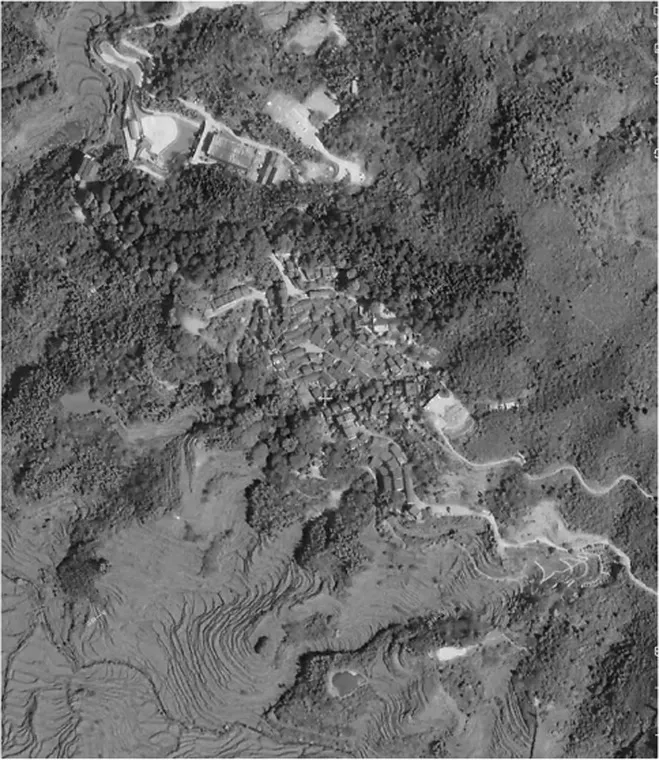 |
Yaoli and Huangling villages.
3.2 Data collection
The data collection of the study was conducted between January and March 2025, due to the long north–south distance between the two selected traditional villages. A systematic image sampling protocol was adopted to ensure consistency across the two study sites. First, the most frequently visited landmarks in each village were identified based on official tourism maps, on-site observation, and visitor flow concentration. In Yaoli Village, seven key attractions were selected, including Longline Dam, Longban Bridge, Yuanji Bridge, Puju Bridge, traditional stores, alleys, and ancestral halls. In Huangling Village, five major attractions were selected, including Huaxi Street, Tian Street, the Sun-Drying area, Shuhe Hall, and the stepped terraces.
Second, photographs were taken at each landmark under comparable conditions, using the same camera device and similar time frames (daytime hours) to maintain visual consistency. A phone camera was used for the image acquisition, with specific settings (ISO 50, a wide camera with a focal length of 26 mm and ƒ/1.6 aperture) and maintaining the same perspective and aspect ratio (Portrait 4:5; Figure 2). Multiple images were captured from different angles and viewpoints to ensure comprehensive visual representation of each site. This resulted in 170 images for Yaoli Village and 198 images for Huangling Village.
Figure 2
Third, a screening process was applied in April 2025. Images containing clearly identifiable human faces were excluded to comply with ethical considerations and privacy protection. Additionally, blurred, duplicated, or low-quality images were removed. After this filtering process, 53 images from Yaoli Village and 61 images from Huangling Village were retained for expert evaluation, resulting in a final dataset of 114 images. The final dataset was archived in a structured digital folder system, organised by study area and landmark, with standardised file naming codes that were used for inclusion in the expert evaluation process. This structured sampling and screening protocol ensured methodological transparency, visual consistency, and ethical compliance in the image selection process.
3.3 Data evaluation
In this study, experts were consulted for the evaluation process (Mundher et al., 2023b). Five experts, all university professors from Jiangxi Province specialising in either environmental or landscape design, with at least 15 years of experience, were gathered from China (Table 3). Before the evaluation session, the experts were contacted by email and provided with a detailed explanation of the study’s objectives and procedures. They were informed that the purpose of the assessment was to identify and refine landscape imagery variables that support sustainable tourism development in traditional Chinese villages. The evaluation process took place in July 2025, gathering all experts in a single room and presenting them with all 114 images using a digital presentation system to ensure consistent viewing conditions for all participants. The experts were asked to:
Classify the images according to the primary variables proposed in previous studies.
Identify the relevant variables that promote STD in traditional Chinese villages, depending on the classification of the images.
Provide similar terms and potential indicators for the variables that promote STD in traditional Chinese villages.
Table 3
| Gender | Age | Years of experience | Work | Professional background | Country | |
|---|---|---|---|---|---|---|
| 1 | Female | 45 | 15 | Univ. lecturer | Professor, Environmental Design | China |
| 2 | Male | 42 | 17 | Univ. lecturer | Professor, Landscape Design | China |
| 3 | Female | 45 | 22 | Univ. lecturer | Professor, Landscape Design | China |
| 4 | Male | 49 | 25 | Univ. lecturer | Professor, Environmental Design | China |
| 5 | Male | 46 | 16 | Univ. lecturer | Professor, Environmental Design | China |
Expert demographic.
This structured approach ensured consistency in the data evaluation process and facilitated thorough expert discussion and refinement of the selected variables. The experts agreed that when more than one variable appeared in a single image, the classification would be based on the most visually dominant or conceptually prominent attribute. This decision rule ensured consistency in attribution and avoided subjective overlap.
4 Results
4.1 Image classification using previous variables
The experts agreed to categorise the images based on their content knowledge and extensive experience in the field of landscape imagery (Table 4). There was a reasonable divergence of opinions among the experts and some debate over the images, as most of them contained a combination of multiple variables in a single scene. This complexity posed a challenge, as the experts had to identify and select a single dominant variable to accurately capture the essence of the scene. Nevertheless, their expertise ensured the most representative and meaningful assessment of STD in traditional Chinese villages.
Table 4
| Study area | Naturalness | Diversity | Visibility | Openness | Accessibility | Authenticity | Sense of Place | Safety | Stewardship | Aesthetics | Total | |
|---|---|---|---|---|---|---|---|---|---|---|---|---|
| A | Traditional Yaoli Village | 02 | 06 | 09 | - | 12 | 13 | 01 | - | 07 | 03 | 53 |
| B | Traditional Huangling Village | 16 | 15 | 01 | - | 01 | 01 | 15 | - | 01 | 11 | 61 |
| Total | 18 | 21 | 10 | - | 13 | 14 | 16 | - | 08 | 14 | 114 | |
| % | 15.8 | 18.4 | 8.8 | 0.0 | 11.4 | 12.3 | 14.0 | 0.0 | 7.0 | 12.3 | 100 |
Image classification using variables extracted from previous studies.
4.2 Image reclassification using relevant variables
Following the image classification process, the experts agreed to remove the variables openness and safety. Openness was considered conceptually overlapping with visibility, which was viewed as a more comprehensive variable capturing spatial exposure and visual range. Similarly, safety was excluded because its indicators were largely encompassed within the broader concept of stewardship, which includes maintenance, management quality, environmental care, and perceived security. In addition, the experts recommended introducing harmony as a distinct variable, as it was consistently identified across a large proportion of the images and reflects the visual and functional coherence between natural and built elements. Consequently, the final set of variables comprised naturalness, diversity, harmony, visibility, accessibility, authenticity, sense of place, stewardship, and aesthetics (Table 5).
Table 5
| Study area | Naturalness | Diversity | Harmony | Visibility | Accessibility | Authenticity | Sense of Place | Stewardship | Aesthetics | Total | |
|---|---|---|---|---|---|---|---|---|---|---|---|
| A | Traditional Yaoli Village | 02 | 05 | 03 | 08 | 12 | 12 | 01 | 07 | 03 | 53 |
| B | Traditional Huangling Village | 14 | 13 | 06 | 01 | 01 | 01 | 14 | 01 | 10 | 61 |
| Total | 16 | 18 | 09 | 09 | 13 | 13 | 15 | 08 | 13 | 114 | |
| % | 14.0 | 15.8 | 7.9 | 7.9 | 11.4 | 11.4 | 13.2 | 7.0 | 11.4 | 100 |
Image classification by experts using relevant variables.
The experts agreed on the dominance of two variables (the most representative of the character of the captured images), namely, the diversity variable (18 images, 15.8%) and the naturalness variable (16 images, 14.0%). On the other hand, the experts identified stewardship as the least present variable (eight images, 7.0%). This distribution indicates that both environmental qualities and experiential dimensions play a central role in shaping STD in traditional villages.
The expert image classification of the two villages using the relevant variables reveals two distinct profiles of traditional villages, each demonstrating different dimensions of landscape imagery. Yaoli Village displays clear strengths in accessibility, authenticity, visibility, and stewardship. A high accessibility score indicates that the village contains many historical alleys, attracting visitors. The strong emphasis on authenticity reflects the preservation of traditional architectural forms, cultural practices, and heritage character, confirming its rich centuries-long history. Additionally, a high visibility score suggests that its spatial configuration and visibility within the landscape is tourist oriented. Furthermore, a relatively high stewardship score indicates active community or institutional involvement in the management and conservation of both natural and cultural assets. In contrast, Huangling Village displays strengths in terms of its naturalness, diversity, sense of place, and aesthetics. A high naturalness score indicates that the surrounding environment is of high spatial quality, while a high diversity rating highlights a variety of spatial, architectural, and cultural elements that appear to be well organised and of high quality. A high score for sense of place reflects the ability of Huangling Village to evoke strong cultural and emotional associations, enhancing its symbolic significance for residents and tourists alike. Its high aesthetic rating also emphasises its visual appeal, making it an attractive site for cultural tourism. From a broader perspective, the differences between the variables for the two villages demonstrate the complementarity of variables that promote STD in traditional Chinese villages.
The comparative findings highlight two distinct yet complementary models of sustainable tourism development in traditional Chinese villages. Although each village demonstrates different dominant variables, their combined results suggest that effective sustainable tourism requires both well-structured heritage management and a compelling landscape image. The interplay between functional authenticity in Yaoli and the experiential landscape identity of Huangling offers a more comprehensive understanding of how visual variables collectively support long-term sustainability. Overall, the results reinforce the view that sustainable tourism in traditional villages is inherently multidimensional, encompassing environmental quality, cultural authenticity, spatial organisation, aesthetic value, and emotional connection.
4.3 Identification of landscape imagery variables
The experts were tasked with providing similar terms and potential indicators for variables that promote STD in traditional Chinese villages. This helped generate a complete understanding and accurate description of the relevant variables in the study. During this phase, the experts identified nine relevant variables, as presented in Table 6.
Table 6
| Landscape imagery variables | Description | Image | |
|---|---|---|---|
| 1 | Naturalness Code A | Naturalness refers to the degree to which a landscape comprises natural elements, including vegetation and water. The quality and percentage of these elements influence the sustainable development of tourism in traditional Chinese villages. Similar terms: Wilderness, Natural. Potential indicators: Natural cover percentage. STD*: Protects the natural environment and creates a relaxing tourist experience. | 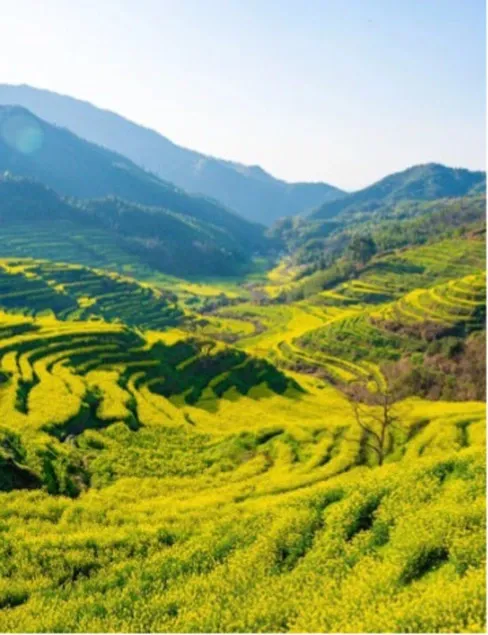 |
| 2 | Diversity Code B | Diversity denotes the state where a landscape comprises a combination of elements that contribute to its composition, including the different land uses, diverse plant species, distinctive terrains, and water features within the landscape. Complexity in the elements may lead to chaos. However, the regular diversity of natural and built elements promotes STD in traditional Chinese villages. Similar terms: Variety, Complexity. Potential indicators: Variety of elements. STD: Offers varied natural and cultural experiences that attract and sustain tourism. |  |
| 3 | Harmony Code C | Harmony involves a natural landscape composed of a unified set of elements, harmonious in shape, colour, and texture. Unity can, nevertheless, sometimes lead to monotony. However, the simple, diverse harmony of natural and urban elements promotes STD in traditional Chinese villages. Similar terms: Coherence, Unity. Potential indicators: Unity or harmony of elements. STD: Balances tourism growth with cultural and environmental protection. | 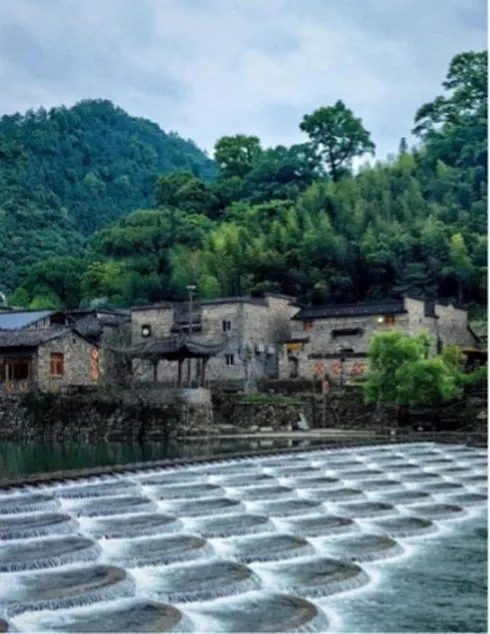 |
| 4 | Visibility Code D | Visibility signifies the extent to which key features of a landscape can be seen and understood, including vantage points and visual paths. The degree of the visual scale is the primary determinant of this variable. Increasing visibility promotes STD in traditional Chinese villages. Similar terms: Openness, Visual scale. Potential indicators: Degree of visual scale. STD: Enhances appreciation of scenic and cultural features. | 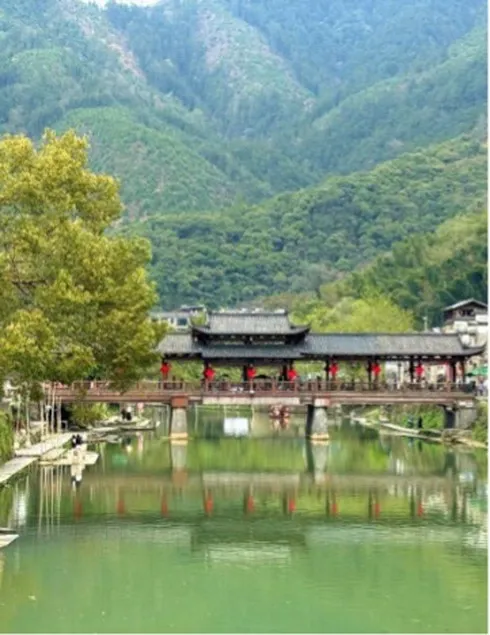 |
| 5 | Accessibility Code E | Accessibility refers to the physical and visual accessibility to and enjoyment of various natural landscapes. Physical accessibility is a key determinant of this variable. The presence of accessible travel routes connecting key landmarks promotes STD in traditional Chinese villages. Similar terms: Legibility, Physical access. Potential indicators: Presence of physical access. STD: Makes tourism sites easier to reach without harming the environment. | 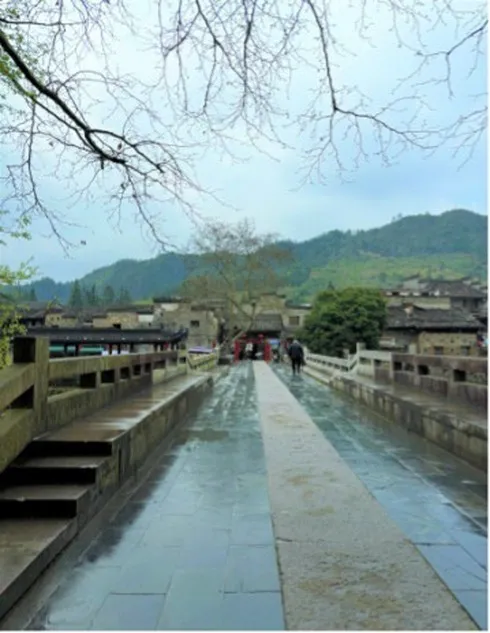 |
| 6 | Authenticity Code F | Authenticity is the extent to which a landscape retains its historical, cultural, and natural integrity. The extent to which the historical, cultural, and natural heritage is preserved is the primary determinant of this variable. The presence of authentic, intact, and preserved historical or cultural elements can enhance STD in traditional Chinese villages. Similar terms: Historical, Cultural. Potential indicators: Extent of retention of historical and cultural heritage. STD: Preserves genuine culture and heritage, building trust and value. | 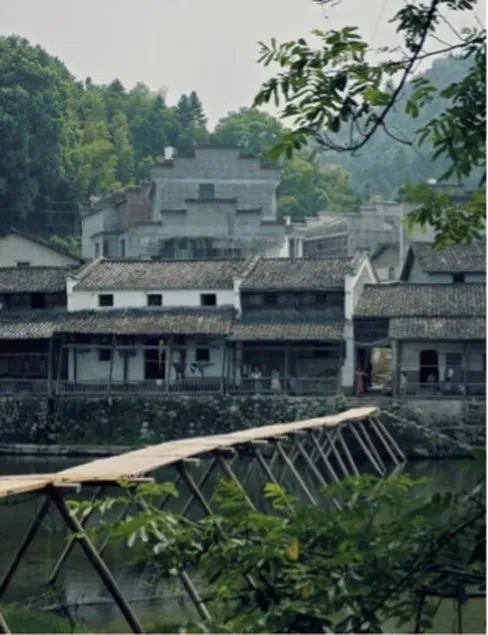 |
| 7 | Sense of Place Code G | Sense of place is the emotional and cultural connection that visitors feel towards a natural landscape, reflecting their connection to it and its distinctiveness. Emotional attachment is the primary factor determining this variable. The presence of cultural elements that connect tourists to a particular location and motivate them to return there due to their sense of place can enhance STD in traditional Chinese villages. Similar terms: Vividness, Emotion. Potential indicators: Emotional and cultural attachment. STD: Strengthens emotional and cultural connection between people and place. | 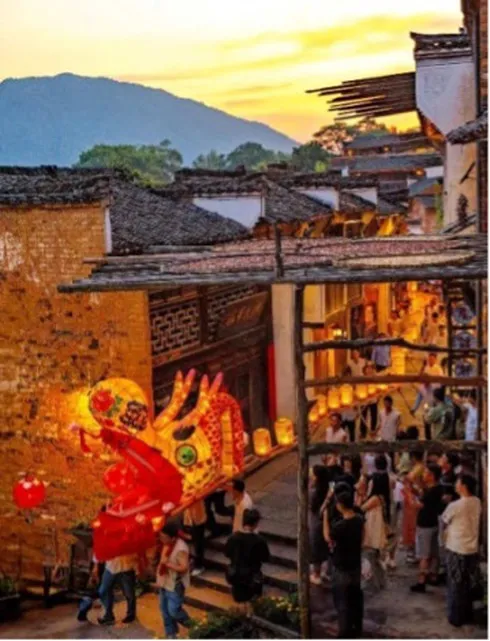 |
| 8 | Stewardship Code H | Stewardship is the visual evidence of the care and maintenance of natural landscapes, contributing to the consolidation of the concepts of quality and care. Maintenance and care are the key factors in determining this variable, provided that the care does not devolve into artificial, man-made landscapes. Stewardship is important for tourists and the cleanliness of the area, which can enhance STD in traditional Chinese villages. Similar terms: Maintenance, Safety. Potential indicators: Care and maintenance of landscapes. STD: Encourages local people to care for and manage their cultural and natural resources. | 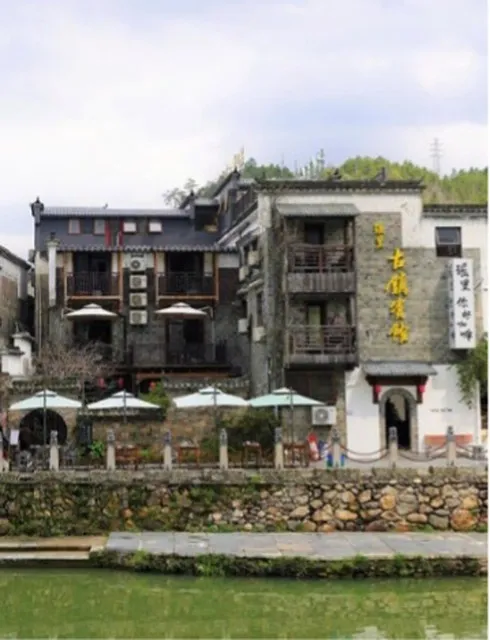 |
| 9 | Aesthetics Code I | Aesthetics entails the visual appeal and beauty of a landscape, including its appeal and composition for the viewer. Scenic appeal is the primary factor determining this variable, though this can vary from person to person. Aesthetics is particularly important in tourist areas for promoting STD in traditional Chinese villages. Similar terms: Beauty, Attractiveness. Potential indicators: Attractiveness of a landscape. STD: Creates visually pleasing environments that attract tourists and foster pride. |  |
Identification of landscape imagery variables.
*STD, variable supporting the Sustainable Tourism Development (STD).
5 Discussion
The expert consultation phase provided a systematic basis for identifying variables. Furthermore, having experts propose similar terms and potential indicators ensured a more precise understanding of each variable and enhanced the reliability of variable identification. The study utilised this approach to establish conceptual clarity and help ensure the applicability of the selected variables through measurable and potential indicators. Consequently, nine key variables were identified, all of which contribute to promoting STD in traditional Chinese villages. Naturalness emerged as a key variable in landscape imagery via the presence of natural landscapes, represented by plants, water, and other environmental features. The experts emphasised that the degree of natural cover directly affects the quality and strength of tourism. This is consistent with the findings of Pavão et al. (2021), who asserted that an abundance of natural cover can enhance the attractiveness of tourist destinations. Their study highlights a tension between the ecological reality of land cover and tourists’ perception of what is considered “natural,” suggesting that areas with higher visible natural vegetation are more aligned with visitor expectations. In this sense, our results confirm the broader literature by reinforcing that visible natural cover enhances perceived tourism value and destination appeal. Rather than contradicting prior studies, our findings support the argument that naturalness remains a key determinant of tourism quality, particularly in rural and nature contexts. Furthermore, they found that diversity was closely associated with the diversity of land use, plant species, terrains, and water features. The experts explained that while diversity creates a dynamic and organised landscape, excessive diversity can lead to visual chaos. This is consistent with the study by Zheng et al. (2024), who asserted that the organised diversity of landscape elements helps enhance tourist experiences. Their results show that diverse natural elements, especially vegetation and water, frequently contribute positively to satisfaction, supporting the idea that ecological and spatial diversity strengthens the experiential quality of a landscape. Also, the literature highlights the balance and coherence among elements, suggesting that diversity alone is not inherently beneficial. In this sense, our findings both confirm and refine the literature: while diversity enhances dynamism and richness, excessive or poorly organised diversity may create visual disorder, leading to what the experts described as “visual chaos.” Therefore, our results align with previous studies in recognising diversity as a key contributor to landscape quality, but they also stress the need for structured and harmonious integration to ensure that diversity translates into positive tourism experiences rather than perceptual overload. Harmony complements these environmental variables and is expressed through the unity of form, colour, and texture, creating a cohesive visual scene that avoids monotony and maintains aesthetic order. This is confirmed by Breiby (2014), who claimed that harmony as one of the central dimensions influencing tourist satisfaction, emphasising coherence and balance between natural and man-made elements. This aligns closely with our results, which show that harmony contributes to a cohesive visual scene that avoids monotony while maintaining order. In this sense, the results confirm earlier studies while offering a more operational understanding of harmony as a balancing mechanism that organises environmental variables into a unified and meaningful landscape experience.
Visibility was identified as one of the landscape imagery variables observed in the dataset. In this study, visibility refers to open views and clear spatial organisation within the village landscape. This was demonstrated by Chen et al. (2023), who showed that tourist preferences are influenced by spatial openness and visibility with clearer, broader visual fields. Their findings indicate that the degree of spatial openness is proportional to visual distance and is significantly associated with landscape preference intensity, particularly in areas featuring open platforms and extended views. These findings align with previous research that associates visibility, including open views and coherent spatial arrangements, with positive tourist perceptions of key landscape features. However, excessive openness or overexposure of landscape elements may reduce spatial layering and diminish the sense of exploration, potentially weakening experiential richness in certain village contexts. Accessibility was also identified as a recurring variable in the evaluated images. This includes the presence of access roads and clear physical connections within the village environment. This is corroborated by Dumitrașcu et al. (2023), who demonstrate that accessibility is not merely a logistical factor, but a core attribute influencing tourist satisfaction and destination attractiveness. Their study shows that destinations with better road infrastructure and easier access tend to generate higher levels of visitor satisfaction and increased tourism potential. This observation is consistent with prior studies suggesting that physical access and spatial clarity are commonly discussed in relation to sustainable tourism development. Nevertheless, excessive infrastructural development aimed at improving accessibility may risk disrupting traditional spatial patterns or altering the village’s original character. In addition, authenticity emerged as a prominent variable, reflected in the preservation of cultural and heritage elements within the villages. As confirmed by Li and Li (2022), authenticity in natural and cultural contexts influences destination image and satisfaction. Their structural model confirms that when tourists perceive cultural elements such as traditional architecture, ethnic customs, and local identity as authentic, they develop a more positive image of the destination and report higher levels of satisfaction. This result corresponds with existing literature indicating that heritage preservation is frequently associated with tourists’ interest in culturally meaningful experiences. At the same time, over-commercialisation in the name of authenticity may lead to staged or performative heritage representations, which could undermine perceived genuineness.
In addition, the results highlight that sense of place reflects the emotional and symbolic connections that visitors have with a tourist destination. This variable, characterised by cultural experiences and elements, shapes visual preferences, motivates repeat visits, and promotes tourism sustainability, consistent with the findings of Liu et al. (2024). Therefore, our findings confirm rather than contradict the literature, supporting the argument that emotional attachment, symbolic meaning, and cultural resonance are central to shaping visual preferences, encouraging repeat visits, and promoting tourism sustainability. Stewardship refers to landscape care and maintenance, which enhances the concepts of quality and respect for the environment. Importantly, the experts highlighted that overly or artificially landscaped stewardship reduces the authenticity and appeal of tourism. Finally, aesthetics was identified as a critical variable, encompassing landscape beauty, visual composition, and viewer appeal. This was confirmed by Mundher et al. (2022) and Xu et al. (2024) through their conceptual framework for assessing visual aesthetic quality. This aligns closely with our findings, which conceptualise aesthetics as encompassing landscape beauty, visual composition, and viewer appeal. Rather than contradicting the literature, our results reinforce the view that aesthetic value is not merely decorative but a structured outcome of spatial arrangement and perceptual processes.
Finally, the STD framework for traditional Chinese villages illustrates how key landscape imagery variables are conceptually integrated to support sustainability (Figure 3). The framework begins with core focus dimensions such as ecological foundation, cultural variety, heritage preservation, accessibility, identity, governance, and sensory landscape experience, which are translated into nine main variables: naturalness, diversity, harmony, visibility, accessibility, authenticity, sense of place, stewardship, and aesthetics. These variables are then grouped into three broader conceptual categories: environmental care, cultural authenticity, and visual accessibility. Environmental care reflects ecological quality and balance between human and natural systems; cultural authenticity emphasises heritage preservation and local identity; and visual accessibility highlights clarity, openness, and ease of engagement with the landscape. The interaction among these three conceptual groups collectively forms the STD framework, demonstrating that ecological integrity, cultural preservation, and visual–spatial quality must work together to achieve long-term sustainability in traditional Chinese villages. The framework reveals that STD is not driven by a single dominant variable but by the dynamic interaction among environmental, cultural, and spatial dimensions. Environmental care provides the foundational ecological stability upon which tourism activities depend, yet without cultural authenticity, tourism risks becoming superficial or commodified. Similarly, even well-preserved ecological and cultural resources may fail to attract or retain visitors if visual accessibility is weak, as spatial disorganisation or limited visibility can diminish experiential quality. The framework highlights a structural interdependence: ecological sustainability supports authenticity, authenticity strengthens a sense of place, and visual accessibility enhances visitor engagement and interpretation. This interconnected structure suggests that imbalances among the three conceptual groups may weaken overall sustainability outcomes. Consequently, the STD framework offers not only a classification of variables but also a relational model, emphasising that long-term sustainability in traditional Chinese villages requires coordinated development strategies rather than isolated interventions.
Figure 3
6 Limitations and future studies
This study achieved novel and important results, despite some limitations. First, this study focused on identifying variables by capturing photographs of the most important tourist attractions in two traditional villages. This may seem logical, but other landmarks in other villages may also merit investigation. Second, capturing a large number of photographs was difficult due to the presence of tourists and adverse weather conditions, which led to the omission of several photographs that could not be included in the images available for expert review. We therefore recommend that future studies collect a greater number of images to conduct more comprehensive investigations. Third, this study is that the proposed framework was developed and validated using two traditional villages within the same province. Although the comparative design strengthens internal consistency, the generalisability of the findings could be further enhanced. Future research should consider including a validation step using a third traditional village or an independent out-of-sample image dataset. Such validation would allow researchers to test the robustness, transferability, and applicability of the framework across different geographical, cultural, or developmental contexts, thereby strengthening its empirical reliability and broader relevance. Fourth, the STD framework is most applicable to traditional Chinese villages that retain identifiable cultural heritage, relatively intact ecological foundations, and active or emerging tourism dynamics. It is particularly effective in contexts where landscape imagery plays a significant role in shaping visitor perceptions and stakeholder satisfaction. However, caution is warranted when applying the framework to highly urbanised villages, severely degraded environments, or areas with limited tourism activity, as such structural constraints may weaken the interaction among environmental care, cultural authenticity, and visual accessibility. Finally, this study focused on identifying landscape photography variables that promote STD in traditional Chinese villages, ignoring the importance or weightage of these variables, as this was beyond the scope of this research. Therefore, we also recommend that empirical studies be performed to determine the weightages of the variables, thereby helping promote STD.
7 Conclusion
This study identified two contrasting but complementary profiles in the investigation of traditional Chinese villages. Yaoli Village exhibits pronounced strengths in accessibility, authenticity, visibility, and stewardship. It embodies an accessible and well-preserved heritage site where authenticity and management are prioritised, but where visual appeal and systematic visual diversity remain limited and difficult to achieve. By contrast, Huangling Village displays strengths in regard to naturalness, diversity, sense of place, and aesthetics. This village embodies a visually appealing and symbolically powerful landscape, providing emotional connections for tourists, though accessibility and preservation remain limited and challenging to accomplish. After a comparative analysis, the experts identified nine variables (naturalness, diversity, harmony, visibility, accessibility, authenticity, sense of place, stewardship, and aesthetics) that collectively shape the sustainable development of traditional villages. These variables can be combined to provide a comprehensive framework that integrates cultural heritage, natural features, visual appeal, and management quality. Their identification reflects an understanding of how to create an integrated landscape conservation environment in the face of tourism pressures, providing a foundation for STD in traditional Chinese villages. Therefore, this study can benefit policymakers, planners, local communities, and tourism stakeholders and provides a solid foundation for the future planning, policy formation, and conservation of traditional Chinese villages.
Statements
Data availability statement
The original contributions presented in the study are included in the article/supplementary material, further inquiries can be directed to the corresponding author.
Ethics statement
Written informed consent was obtained from the individual(s) for the publication of any potentially identifiable images or data included in this article.
Author contributions
GY: Writing – original draft, Investigation, Resources, Formal analysis, Methodology, Conceptualization. MM: Writing – review & editing, Supervision, Conceptualization, Validation. RM: Writing – review & editing, Project administration, Formal analysis, Visualization, Investigation, Validation.
Funding
The author(s) declared that financial support was not received for this work and/or its publication.
Conflict of interest
The author(s) declared that this work was conducted in the absence of any commercial or financial relationships that could be construed as a potential conflict of interest.
Generative AI statement
The author(s) declared that Generative AI was not used in the creation of this manuscript.
Any alternative text (alt text) provided alongside figures in this article has been generated by Frontiers with the support of artificial intelligence and reasonable efforts have been made to ensure accuracy, including review by the authors wherever possible. If you identify any issues, please contact us.
Publisher’s note
All claims expressed in this article are solely those of the authors and do not necessarily represent those of their affiliated organizations, or those of the publisher, the editors and the reviewers. Any product that may be evaluated in this article, or claim that may be made by its manufacturer, is not guaranteed or endorsed by the publisher.
References
1
BreibyM. A. (2014). Exploring aesthetic dimensions in a nature-based tourism context. J. Vacat. Mark.20, 163–173. doi: 10.1177/1356766713514243
2
CaoK.LiuY.CaoY.WangJ.TianY. (2024). Construction and characteristic analysis of landscape gene maps of traditional villages along ancient Qin-Shu roads, Western China. Herit. Sci.12, 1–20. doi: 10.1186/s40494-024-01155-y
3
ChenR.LiR.DengP.SunB. (2025). Framework for organizing viewsheds from multiple observation points: enabling bidirectional landscape visibility information queries. IEEE J. Sel. Top. Appl. Earth Observ. Remote Sens.18, 22392–22402. doi: 10.1109/JSTARS.2025.3602482
4
ChenY.MaQ.XuL.ShiY.LuZ.WuY.et al. (2023). Spatial sight analysis of Hangzhou Xiaoyingzhou based on tourists’ landscape preference. Front. Archit. Res.12, 1157–1170. doi: 10.1016/j.foar.2023.08.003
5
ChenG.YanJ.WangC.ChenS. (2024). Expanding the associations between landscape characteristics and aesthetic sensory perception for traditional village public space. Forests15:97. doi: 10.3390/f15010097
6
CronanD.TrammellE. J.KliskeyA. (2022). Images to evoke decision-making: building compelling representations for stakeholder-driven futures. Sustainability14:2980. doi: 10.3390/su14052980
7
CsurgóB.SmithM. K. (2022). Cultural heritage, sense of place and tourism: an analysis of cultural ecosystem services in rural Hungary. Sustainability14:7305. doi: 10.3390/su14127305
8
DaleV. H.KlineK. L.ParishE. S.EichlerS. E. (2019). Engaging stakeholders to assess landscape sustainability. Landsc. Ecol.34, 1199–1218. doi: 10.1007/s10980-019-00848-1
9
DongB.ZhangM.WangH.WuJ. (2025). Study on the interaction mechanism among spatial patterns of traditional villages and tourism attractiveness and accessibility in Guizhou province. Sci. Rep.15:10365. doi: 10.1038/s41598-025-94514-z,
10
DumitrașcuA. V.TeodorescuC.CiocluA. (2023). Accessibility and tourist satisfaction—influencing factors for tourism in Dobrogea, Romania. Sustainability15:7525. doi: 10.3390/su15097525
11
EvansN. M.StewartW. P.van RiperC. (2022). A place meaning scale for rural communities undergoing landscape change. Soc. Nat. Resour.35, 1206–1225. doi: 10.1080/08941920.2022.2101725
12
FryG.TveitM. S.OdeÅ.VelardeM. D. (2009). The ecology of visual landscapes: exploring the conceptual common ground of visual and ecological landscape indicators. Ecol. Indic.9, 933–947. doi: 10.1016/j.ecolind.2008.11.008
13
GaoH.BakarS. A.SuhardiM.GuoY.Mohd YusofM. J.MundherR.et al. (2025). Constructing a conceptual framework: interpreting visual preference and visual pollution factors among viewers in highway landscapes. Transp. Res. Interdiscip. Perspect.31:101399. doi: 10.1016/j.trip.2025.101399
14
GaoJ.WuB. (2017). Revitalizing traditional villages through rural tourism: a case study of Yuanjia Village, Shaanxi Province, China. Tour. Manag.63, 223–233. doi: 10.1016/j.tourman.2017.04.003
15
GaoZ.WuC.LiN.WangP.LiJ. (2024). Visual aesthetic quality of Qianjiangyuan National Park landscapes and its spatial pattern characteristics. Forests15, 1–15. doi: 10.3390/f15081289
16
GyurkovichM.PieczaraM. (2021). Using composition to assess and enhance visual values in landscapes. Sustainability13:4185. doi: 10.3390/su13084185
17
InglisN. C.VukomanovicJ.CostanzaJ.SinghK. K. (2022). From viewsheds to viewscapes: trends in landscape visibility and visual quality research. Landsc. Urban Plan.224:104424. doi: 10.1016/j.landurbplan.2022.104424
18
JahaniA.AllahverdiS.SaffarihaM.AlitavoliA.GhiyasiS. (2022). Environmental modeling of landscape aesthetic value in natural urban parks using artificial neural network technique. Model. Earth Syst. Environ.8, 163–172. doi: 10.1007/s40808-020-01068-2
19
JiangJ.YuZ.YangE. (2025). Identification of cultural landscapes and spatial distribution characteristics in traditional villages of three gorges reservoir area. Buildings15:2663. doi: 10.3390/buildings15152663
20
KangN.LiuC. (2024). Assessment of visual quality and social perception of cultural landscapes: application to Anyi traditional villages, China. Herit. Sci.12, 1–18. doi: 10.1186/s40494-024-01326-x
21
LaneB.KastenholzE. (2015). Rural tourism: the evolution of practice and research approaches – towards a new generation concept?J. Sustain. Tour.23, 1133–1156. doi: 10.1080/09669582.2015.1083997
22
LiX.ChenS.YuL.BrownR.ZhuR. (2025). Evaluating landscape gene perception in traditional villages for sustainable development: a methodological framework integrating game theory and the cloud model. Buildings15:3441. doi: 10.3390/buildings15193441
23
LiL.LiS. (2022). Do tourists really care about authenticity? A study on tourists’ perceptions of nature and culture authenticity. Sustainability14:2510. doi: 10.3390/su14052510
24
LiZ. Y.YangM. Y.ZhouX. L.LiZ. G.LiH. D.ZhaiF. F.et al. (2023). Research on the spatial correlation and formation mechanism between traditional villages and rural tourism. Sci. Rep.13, 1–14. doi: 10.1038/s41598-023-35486-w,
25
LisA.ZalewskaK.IwankowskiP.BetkierK.BilskaP.DudarV.et al. (2024). Evaluation of sense of safety and privacy in parks in relation to the topography, the presence of dense vegetation and other people in the area. Landsc. Urban Plan.242:104948. doi: 10.1016/j.landurbplan.2023.104948
26
LiuT.Mohd YunosM. Y.MuthuveeranA. A. S.MundherR.IsmailN. A. (2024). Cultural elements’ influence on visual preferences in urban waterfronts’ walkways in Malaysia. Front. Built Environ.10:1393187. doi: 10.3389/fbuil.2024.1393187
27
LiuM.SchrothO. (2019). Assessment of aesthetic preferences in relation to vegetation-created enclosure in Chinese urban parks: a case study of Shenzhen Litchi Park. Sustainability11:1809. doi: 10.3390/su11061809
28
McLeodL. J.KitsonJ. C.DornerZ.Tassell-MatamuaN. A.Stahlmann-BrownP.MilfontT. L.et al. (2024). Environmental stewardship: a systematic scoping review. PLoS One19, 1–23. doi: 10.1371/journal.pone.0284255,
29
MistickK. A.CampbellM. J.ThompsonM. P.DennisonP. E. (2023). Using airborne lidar and machine learning to predict visibility across diverse vegetation and terrain conditions. Int. J. Geogr. Inf. Sci.37, 1728–1764. doi: 10.1080/13658816.2023.2224421
30
MundherR.Abu BakarS.Al-HelliM.GaoH.Al-SharaaA.Mohd YusofM. J.et al. (2022). Visual aesthetic quality assessment of urban forests: a conceptual framework. Urban Sci.6:79. doi: 10.3390/urbansci6040079
31
MundherR.Abu BakarS.AzizA.MaulanS.Mohd YusofM. J.Al-SharaaA.et al. (2023a). Determining the weightage of visual aesthetic variables for permanent urban forest reserves based on the converging approach. Forests14:669. doi: 10.3390/f14040669
32
MundherR.Abu BakarS.MaulanS.GaoH.Mohd YusofM. J.AzizA.et al. (2023b). Identifying suitable variables for visual aesthetic quality assessment of permanent forest reserves in the Klang Valley urban area, Malaysia. Urban Sci.7:92. doi: 10.3390/urbansci7030092
33
NicholasL. N.ThapaB.KoY. J. (2009). Residents’ perspectives of a world heritage site: the pitons management area, St. Lucia. Ann. Tour. Res.36, 390–412. doi: 10.1016/j.annals.2009.03.005
34
OosterbeekL. (2025). Beyond culture / nature divides: new approaches and tools for a cultural integrated landscape management. Diversity17:436. doi: 10.3390/d17060436
35
PavãoD. C.PorteiroJ.VenturaM. A.Borges SilvaL.MedeirosA.MonizA.et al. (2021). Land cover along hiking trails in a nature tourism destination: the Azores as a case study. Environ. Dev. Sustain.23, 16504–16528. doi: 10.1007/s10668-021-01356-6
36
Pinto-CorreiaT.BarrosoF.SurováD.MenezesH. (2011). The fuzziness of Montado landscapes: progress in assessing user preferences through photo-based surveys. Agrofor. Syst.82, 209–224. doi: 10.1007/s10457-010-9347-2
37
QiZ.DuanJ.SuH.FanZ.LanW. (2023). Using crowdsourcing images to assess visual quality of urban landscapes: a case study of Xiamen Island. Ecol. Indic.154:110793. doi: 10.1016/j.ecolind.2023.110793
38
QinR. J.LeungH. H. (2021). Becoming a traditional village: heritage protection and livelihood transformation of a Chinese village. Sustainability13, 1–28. doi: 10.3390/su13042331
39
RanaK.GoyalN.Prakash SharmaG. (2018). Staging stewards of agro-ecosystems in the ecosystem services framework. Ecosyst. Serv.33, 89–101. doi: 10.1016/j.ecoser.2018.08.004
40
RenH.WangX.ZhangJ.ZhangL.WangQ. (2024). Evaluation of rural healing landscape DESIGN based on virtual reality and electroencephalography. Buildings14:1560. doi: 10.3390/buildings14061560
41
RuzhytskaN.SydorenkoI.MinderV.PikhaloO. (2023). Features of visual perception of the historical environment of the Desyatynna Church in Kyiv. Landscape Architecture and Art23, 75–81. doi: 10.22616/j.landarchart.2023.23.10
42
SaxenaG.IlberyB. (2010). Developing integrated rural tourism: actor practices in the English/Welsh border. J. Rural. Stud.26, 260–271. doi: 10.1016/j.jrurstud.2009.12.001
43
ShenH.AzizN. F.HuangM.YuL. (2023). Impact of the perceived quality of traditional villages’ cultural landscapes on tourists’ loyalty. J. Environ. Manage. Tour.14:2853. doi: 10.14505/jemt.v14.7(71).04
44
SongH.ZhuC.FongL. H. N. (2021). Exploring residents’ perceptions and attitudes towards sustainable tourism development in traditional villages: the lens of stakeholder theory. Sustainability13:13032. doi: 10.3390/su132313032
45
VillalobosN. F.FernándezC. R.RagaS. F.ZelliF. (2024). Inclusive information design in heritage landscapes: experimental proposals for the archaeological site of Tiermes, Spain. Heritage7, 4403–4422. doi: 10.3390/heritage7080207
46
WalzU. (2015). Indicators to monitor the structural diversity of landscapes. Ecol. Model.295, 88–106. doi: 10.1016/j.ecolmodel.2014.07.011
47
WangZ.ZhouQ.ManT.HeL.HeY.QianY. (2024). Delineating landscape features perception in tourism-based traditional villages: a case study of Xijiang thousand households Miao Village, Guizhou. Sustainability16:5287. doi: 10.3390/su16135287
48
WuZ.WangY.GanW.ZouY.DongW.ZhouS.et al. (2023). A survey of the landscape visibility analysis tools and technical improvements. Int. J. Environ. Res. Public Health20:1788. doi: 10.3390/ijerph20031788,
49
XuT.AzizF. A.UjangN.HasnaM. F.MundherR.ShahidanM. F.et al. (2024). Pedestrian safety and security for female users in urban alleys: a systematic review. New Des. Ideas8, 674–696. doi: 10.62476/ndi83674
50
ZhangD.MaW.RenG.LiH.GuL.LiJ. (2025). The impact of audio – visual landscape perception in tourism - oriented traditional Yao villages on the tourism experience. Curr. Issue Tour., 1–22. doi: 10.1080/13683500.2025.2544807
51
ZhangJ.WangG.WangY.ZhangJ. (2020). Stakeholder perspectives on the preservation and development of lower grade historic buildings. Int. J. Hist. Archaeol.24, 502–516. doi: 10.1007/s10761-019-00518-7
52
ZhangX.XiongX.ChiM.YangS.LiuL. (2024). Research on visual quality assessment and landscape elements influence mechanism of rural greenways. Ecol. Indic.160:111844. doi: 10.1016/j.ecolind.2024.111844
53
ZhangR.YuanY.ZhaiY.HanC. (2023). Visual appraisal of designed landscapes in high-rise residential areas rendered by residents living at different heights. J. Environ. Plan. Manag.66, 2373–2387. doi: 10.1080/09640568.2022.2074823
54
ZhengT.PanQ.HuaiS.WangC.YanY. (2024). Exploring the perception of landscape elements through user-generated data to support greenspace management. Ecosyst. Health Sustain.10:282. doi: 10.34133/ehs.0282
55
ZhuangX.YaoY.LiJ. (2019). Sociocultural impacts of tourism on residents of world cultural heritage sites in China. Sustainability11:840. doi: 10.3390/su11030840
56
Zi HuaZ.JamaludinO.Shu IngD. (2024). A review on traditional villages protection and development in China. Construction4, 140–149. doi: 10.15282/construction.v4i2.10770
57
ZouY.XuM. (2024). Driving factors for rural tourism-driven transformation in traditional Chinese villages: a case study of Chashan Village, Guangxi. Int. J. Sociologies Anthropologies Sci. Rev.4, 609–620. doi: 10.60027/ijsasr.2024.4554
Summary
Keywords
expert classification, image-based classification, landscape communication, landscape imagery, landscape protection, sustainable tourism, visual variable
Citation
Yue G, Mohamed Afla MR and Mundher R (2026) Identification of landscape imagery variables that promote sustainable tourism development in traditional Chinese villages. Front. Sustain. 7:1733099. doi: 10.3389/frsus.2026.1733099
Received
30 October 2025
Revised
25 February 2026
Accepted
13 March 2026
Published
10 April 2026
Volume
7 - 2026
Edited by
Haywantee Ramkissoon, British Academy of Management, United Kingdom
Updates
Copyright
© 2026 Yue, Mohamed Afla and Mundher.
This is an open-access article distributed under the terms of the Creative Commons Attribution License (CC BY). The use, distribution or reproduction in other forums is permitted, provided the original author(s) and the copyright owner(s) are credited and that the original publication in this journal is cited, in accordance with accepted academic practice. No use, distribution or reproduction is permitted which does not comply with these terms.
*Correspondence: Mohamad Reza Mohamed Afla, rezafla@usm.my
Disclaimer
All claims expressed in this article are solely those of the authors and do not necessarily represent those of their affiliated organizations, or those of the publisher, the editors and the reviewers. Any product that may be evaluated in this article or claim that may be made by its manufacturer is not guaranteed or endorsed by the publisher.