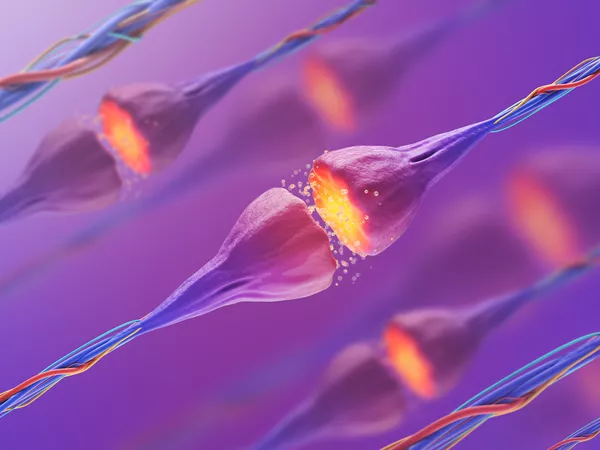
Genetically encoded indicators emerged as promising tools for cell type-specific and chronic recording of neuronal population activity. Since publication of the first prototypical genetically encoded Ca2+ indicators (Cameleons) in 1997, we have witnessed remarkable evolution of the field, with rapid improvement of indicator performance as well as expanded application to many model organisms in the neuroscience community. Challenges still remain, however, concerning the mammalian central nervous system: limited sensitivity of indicators to small number of activity, slow signal kinetics, cytotoxicity after a long-term and high-level expression of indicators, and variable performance across cell types.
In this Research Topic, we encourage top researchers in the field and their young colleagues to present their cutting-edge research as well as insightful opinions on the following subtopics: 1) Latest breakthroughs on development of genetically encoded indicators 2) Novel scientific findings obtained with genetically encoded indicators 3) Wishlist for the next-generation genetically encoded indicators 4) Guideline for selecting an appropriate indicator 5) Optimal methodology for indicator delivery to mammalian CNS
Important note: All contributions to this Research Topic must be within the scope of the section and journal to which they are submitted, as defined in their mission statements. Frontiers reserves the right to guide an out-of-scope manuscript to a more suitable section or journal at any stage of peer review.