Positive psychology (PP) is the scientific field that focuses on revealing, understanding, and reinforcing the factors that make individuals and systems flourish. At first, PP research gave emphasis on individual's positive experiences and characteristics (Pezirkianidis & Stalikas, 2020). Later on, the second research wave focused on the dialectic relationship between the positive and negative aspects of one's life, proposing that wellbeing can only be achieved through overcoming suffering (Wong, 2019). Recently, the third wave of research suggested PP to become more interdisciplinary and multicultural and incorporate systems' principles (Lomas et al., 2021).Counselling psychology (CP) and PP share their roots in humanistic psychology. Also, CP focuses on a positive orientation towards individual development, mental health promotion and prevention rather than pathology (Malikiosi-Loizos & Ivey, 2011). However, while US counseling psychologists have incorporated PP principles, European ones hesitate to engage with strength-based approaches and use PP theories and techniques (Steffen et al., 2015).At the same time, more and more approaches in CP have emerged focusing on building positive qualities and making use of the empirically tested positive psychology interventions (PPIs;Carr et al., 2021). These models focus on the promotion of clients' wellbeing and, simultaneously, on symptom alleviation (Jankowski et al., 2020). Counseling practitioners can offer their skills and knowledge as a fertile ground for the application of such models, while at the same time they can benefit by integrating new techniques in their counseling practice (D'raven & Pasha-Zaidi, 2014).
Eleven articles in this research topic capture different aspects of integrating the PP approach into counseling for children, youth, university students and adults.
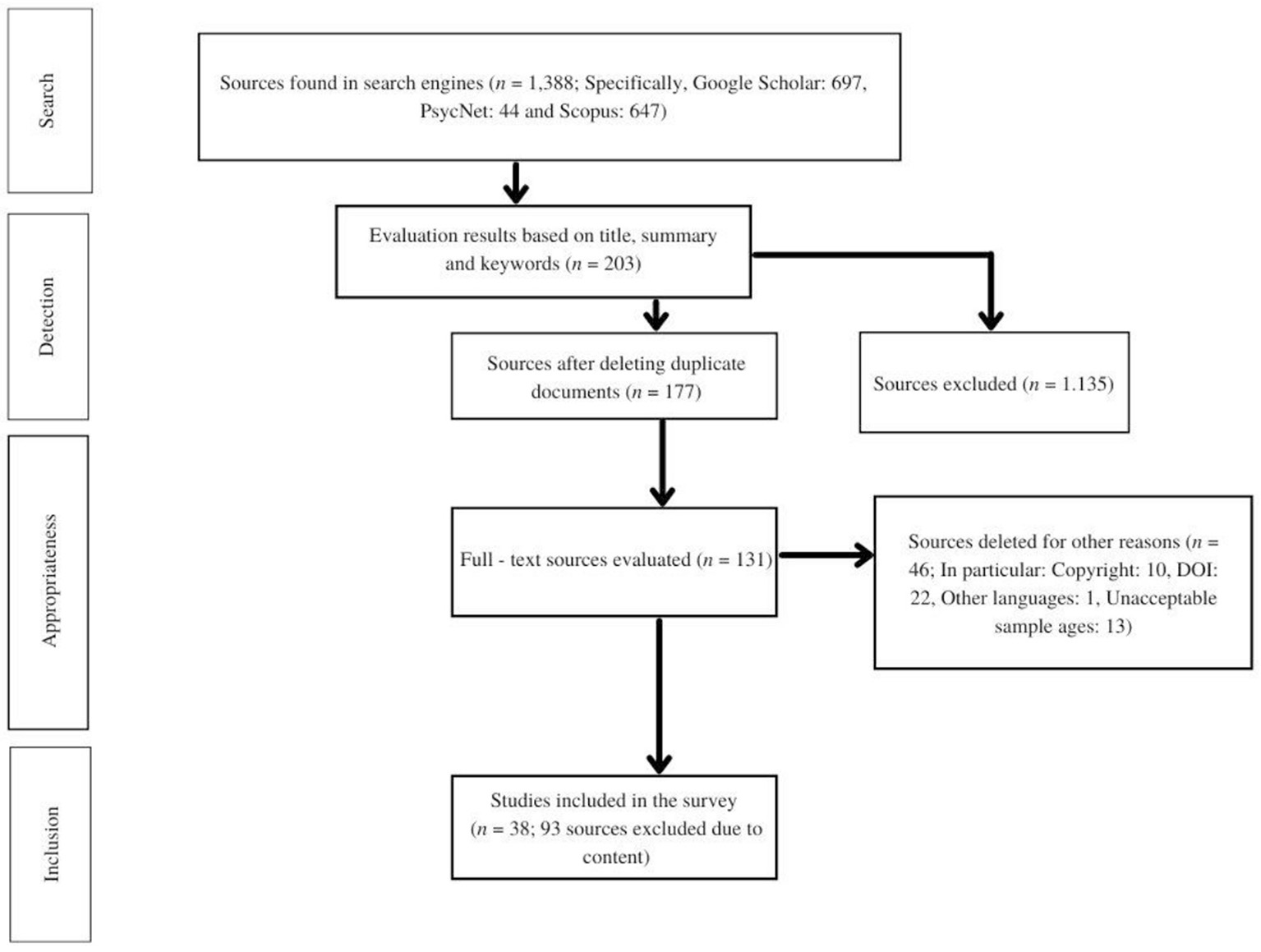
In the previous two decades, many studies have focused on the effects of PP variables on wellbeing indices of university students (Carr et al., 2021). Four articles in the present research topic address this issue. Kritikou and Giovazolias systematically reviewed the literature and found that several PP variables (i.e., self-efficacy, positive learning climate, and positive interpersonal relationships) affect emotion regulation, academic buoyancy, and academic adjustment of university students. Min et al. found that post-graduate students' selfcompassion predicts positive and negative wellbeing indices, while non-professional helpseeking behavior partially mediates this relationship. Kounenou and colleagues implemented a multicomponent PPI and demonstrated its effects on increased experience of positive emotions among undergraduate students. Finally, Karampas et al. examined the effectiveness of an innovative counseling intervention aiming at changing university students' stress mindset. Their findings indicate an increase in "stress-is-enhancing" mindset, life satisfaction, and self-efficacy against stress, as well as a decrease in "stress-is-debilitating" mindset. Taking everything into account, PP variables explain several positive outcomes concerning university students' academic and psychological wellbeing and seem promising in enriching counseling practice with this population.
Research has also emphasized on the effects of PP variables on many aspects of adult life cycle.