Similar to pain, pruritus (Itch) is a very common somato-sensory sensation almost everyone experienced in their lifetime. Once dysregulated, pruritus can become chronic and debilitating, significantly affecting patient's and family's quality of life 1 . Molecular biology and translational research have helped to better identify and understand the molecular mechanisms of the various pathways of histamine-dependent andindependent itch, and supported the development of new treatment options for the different subtypes of pruritic diseases, whether inflammatory, or non-inflammatory, neurologic or neuropathic, for example [2][3][4][5][6] . Furthermore, to identify the cellular mechanisms that differentiate and specify the different itch pathways in the various pruritic diseases is critical 7 . The treatment options for CP span a number of topical and systemic medications as well as phototherapy, depending on the underlying disease, age and comorbidities 8 9 . Even in pruritus of unknown origin, the anti-IL-4 receptor-a antibody dupilumab has been shown to be effective, at least in a case report, suggesting that cytokines and microinflammation play to a larger extend a role in presumptive "noninflammatory" conditions than anticipated 1,6 . However, neuro-modulatory agents are still necessary in various pruritic diseases, especially to treat neuropathic pruritus 5 10 or prurigo 7 . Here, extensive translational and clinical studies are necessary to stratify the best treatment
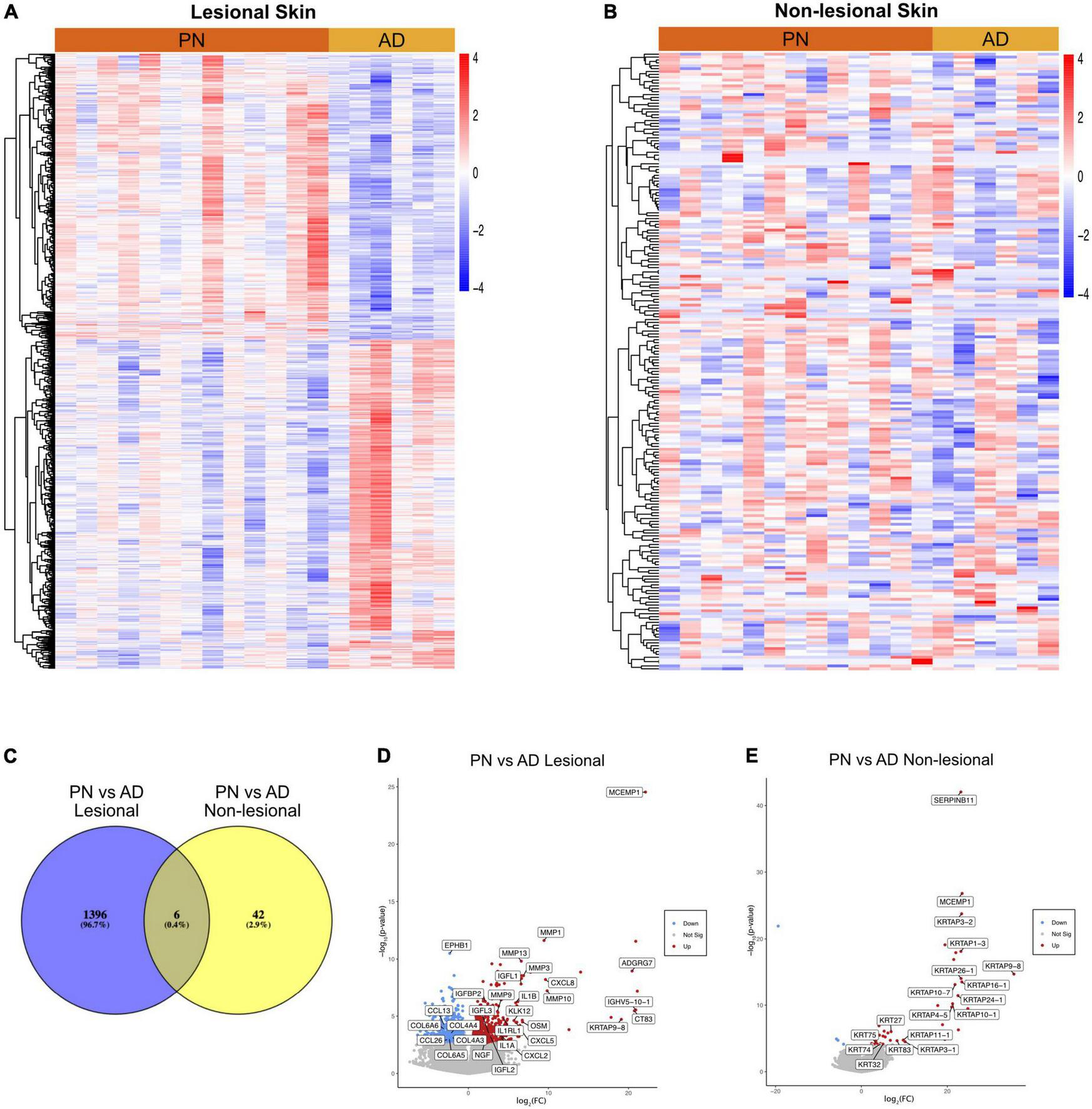
This issue addresses various aspects about the pathophysiology, diagnostic workup, and management of various pruritic diseases including prurigo.One important aspect in some pruritic diseases and prurigo are the small fiber neuropathies 5 10 . In this issue, Fouchard et al. (2023) demonstrate in an observational retrospective monocentric case-control study of patients with small-fiber neuropathies (SFN) a potential positive correlation to smoking (active and past) and vitamin D deficiency. Here, further studies are warranted.The molecular mediators, receptors and pathways that regulate pruritus in atopic dermatitis and prurigo are partly understood. The fact that anti-cytokine therapy (e.g. dupilumab) and JAK-inhibitors (JAK1, JAK2) are capable of alleviating itch in atopic dermatitis and -beyondprurigo, pruritus on unknow origin and chronic spontaneous urticaria, for example, indicates that cytokines and JAK/STAT-pathways are involved in various pruritic diseases that do not have a marked inflammatory infiltrate 7 . As to whether microinflammatory circuits and/or direct inactivation of neuronal cytokine receptors and/or intraneuronal JAK-pathways in so-called non-inflammatory pruritic diseases play a role (e.g. uremic pruritus, prurigo) is unknown, and needs to be further investigated.Along that line, the mechanistic role of fibroblasts in AD and prurigo are still poorly understood, which leads to fibrotic changes in the latter. Using RNA-sequencing, transcriptomics and imaging technologies. In this issue, Deng et al. (Deng J et al. 2023) investigate the similarities and differences of fibroblast function in AD compared to PN patients. They show that PN skin expressed higher levels of certain cytokines (including IL-1a and -b, OSM), neurotrophins (NGF), growth factors (IGF-1) and various chemokines, for example. NGF immunoreactivity was found to be higher in lesional PN compared to non-lesional and AD. More mechanistic studies are warranted to clarify the critical molecular pathways and thus therapeutic targets for PN and its impact on the regulation of extracellular matrix proteins, dermal nerve growth factor, cytokines and chemokines as compared to AD.An important mechanistic study with respect to understanding itch mechanisms isgiven the obvious importance of cytokines in some diseases -to which extend neurmediators/peptides play a role as targets for the the treatment of pruritic diseases and prurigo, e.g. in recalcitrant chronic cases, neuropathic and central itch. One overview article (Steinhoff M et al. 2023), demonstrates thatbeside cytokinesneuromediators play a role as inducers of itch and neuroinflammation in a bidirectional way: one the one hand, neuropeptides like released by sensory nerve endings induce the production and release of neuropeptides such as endothelin-1 or cytokines like TSLP 11 which in turn activate their high-affinity receptors on nerve endings to induce itch. Simultaneously, cytokines like IL-4, -13 or -31 stimulate release of neuropeptides that aggravates itch by releasing more itch mediators from keratinocytes 6 . Thus, beside cytokines and JAKinhibitors, neuromediators are also targets to treat pruritus and prurigo.Another important aspect in in this issue are the different pathophysiological pathways in specific diseases such as urticaria, atopic dermatitis, or bullous pemphigoid, for example. Verifying these pathways will help to develop novel therapies tailored to the specific pruritic diseases. Here, Rosenthal et al. (Rosenthal NK et al. 2023) show in a retrospective study, for example, that sodium cromoglycate significantly improved pruritus in BP patients when treated at least for 4 weeks. Prospective, multicenter studies will be helpful to validate this observation.In recent years, we have observed a substantial development for topical and systemic medications for the treatment of atopic dermatitis. Here, Rodriguez et al. ( 2023) give an excellent systematic overview about the efficacy of classical and novel topicals and systemics to treat pruritus in AD patients until December 2021 including 56 studies. However, we need to take into consideration as a limitation that the comparison of atopic dermatitis-related medications with respect to pruritus efficacy derives from using different assessment tools; here, international standardization of assessment would be beneficial for both dermatologists and patients to choose and receive the best medication from beginning, respectively.One of the thus far largest regional studies about the correlation of urticaria and associated symptoms has been published in this issue. Here, Wang et al. (Wang X et al. 2023) show in a multicenter, questionnaire-based study with more than 1,700 patients.Delayed treatment success positively correlated with itch severity. Albeit chronic urticaria can be controlled in most of the cases, we still need more epidemiological data on a global levels, and still need better therapeutic stratification of the various subtypes (e.g. which patients will not respond to the common guideline regimen (four antihistamines plus anti-IgE-antibody) and thus may benefit from cyclosporine A treatment from beginning without delay. Similarly, the treatment of pressure urticaria is often still a therapeutic challenge.Finally, there is still a big gap in our understanding of adjuvant therapies including acupuncture, hypnosis or relaxation techniques, for example, for the treatment of pruritic diseases and prurigo. In this issue, we find a systemic review and meta-analysis To which extend the results can be extrapolated to other adjuvant neuromodulatory or cognitive therapies, as mono-or combined therapy, or other diseases, will be an exciting question for future research.
This issue highlights some novel pathophysiological as well as therapeutic aspects of pruritus and prurigo, and may lead to new avenues expanding our therapeutic armamentarium to control chronic pruritus or prurigo in the future. First, our knowledge about the pathophysiological mechanisms that are critical in pruritus or prurigo, respectively, is still sparse. One of the interesting aspects will be to learn more about the role of the fibroblast in atopic dermatitis and prurigo, which leads to fibrotic changes in the latter. Another important aspect in in this issue are the different pathophysiological pathways in specific diseases such as atopic dermatitis, different forms of prurigo, urticaria, or bullous pemphigoid, for example. Verifying these pathways will help to develop novel therapies tailored to the specific pruritic diseases. Another exiting question addressed is to better understand what the similarities and differences in the pathobiology of atopic dermatitis and prurigo are. Finally, we need deeper knowledge about the different optimal treatment options among the various inflammatory and systemic or neuropathic pruritic diseases. Consequently, one review analyzes the efficacy of topical and systemic treatments for atopic dermatitis on pruritus in a systematic literature review and meta-analysis.