
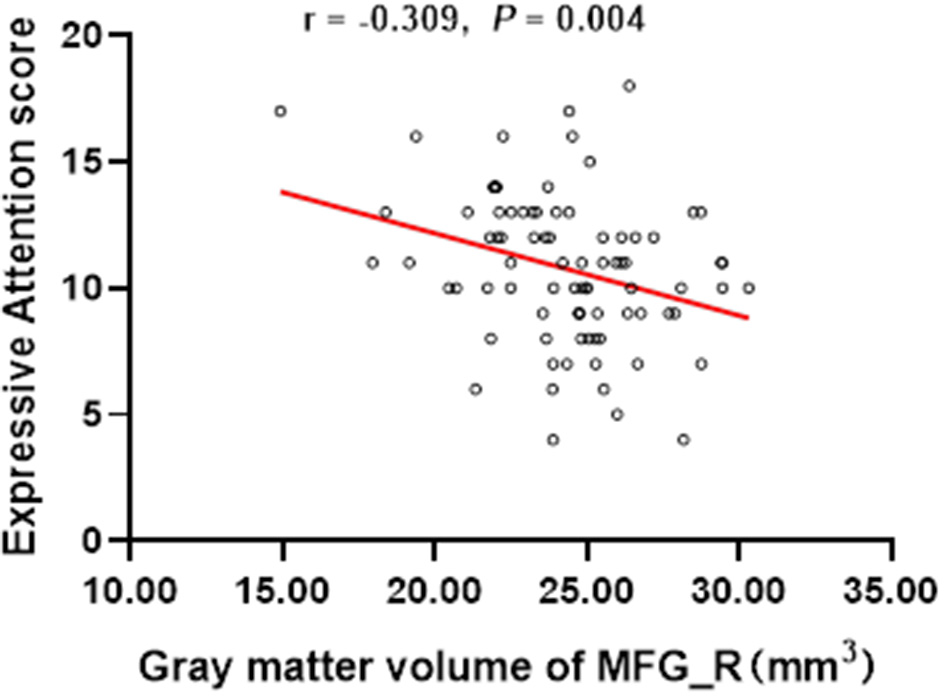
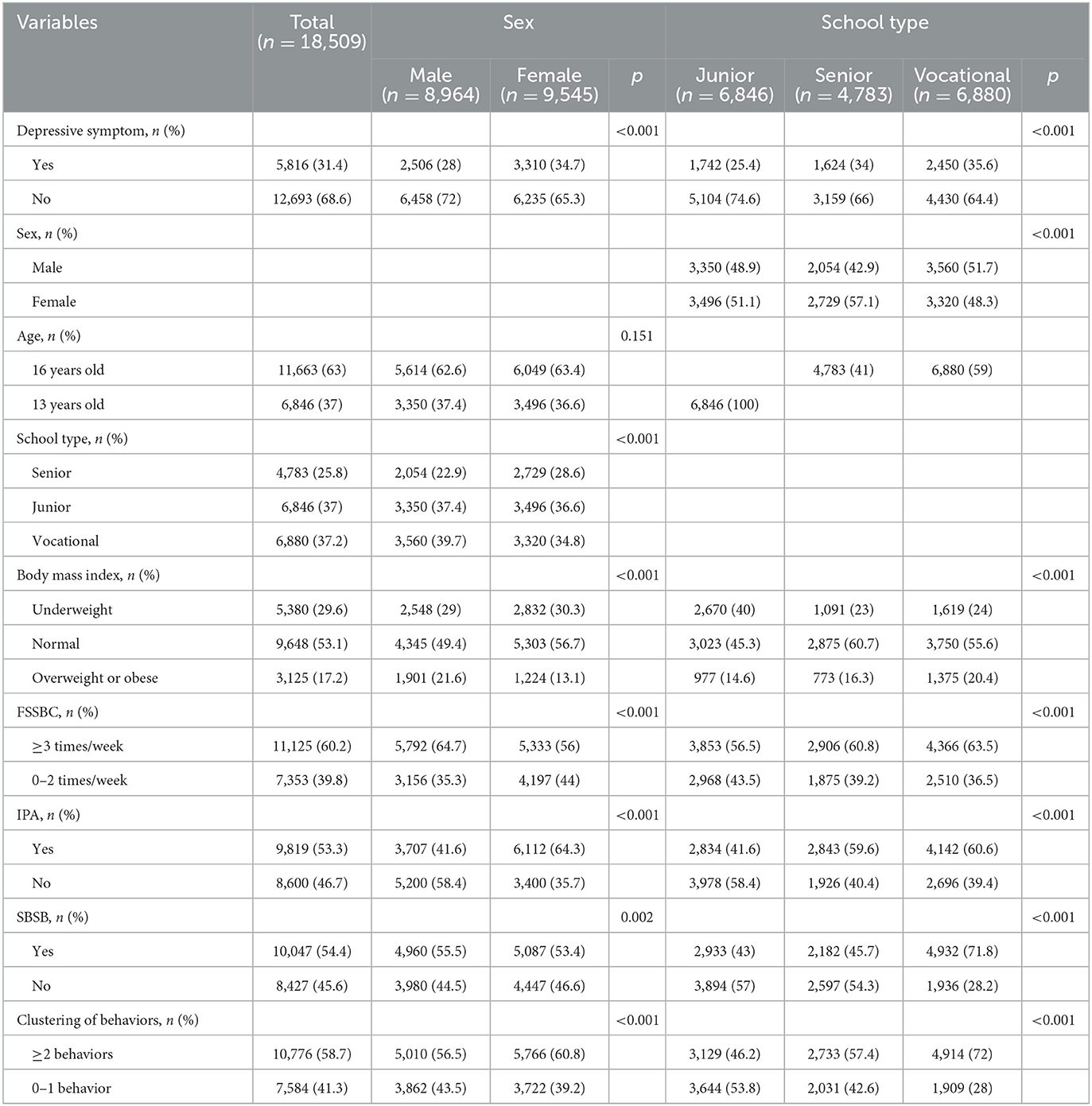
importance for public health to not exceed the existing guidelines for sedentary behaviour and to engage in, at least, the recommended physical activity levels, age appropriate [20,21,43].Lately, researchers have taken interest in how the different (non)movement behaviours make up a whole day (24-hour movement behaviours); that is, different patterns of movement combinations, and how they might potentially affect health-, growth-, developmental-and cognitive-related outcomes. Attaining the recommended levels of the three movement behaviours throughout the lifetime, may be the cornerstone for healthier societies and sustainable health care services.Therefore, it seems paramount to further increase our understanding of co-dependence relationship between movement behaviours and its associations with growth, health and developmental outcomes. Conversely, additional research is needed to determine the mechanisms of these complex, dynamic and potentially synergetic relationships, which are not yet fully elucidated. This will potentially help in determining the most practical and effective lifestyle strategies, together with designing better targeted interventions for promoting healthy populations.As such, this Research Topic gathers important data to advance the scientific knowledge, addressing research gaps and framing future research questions, and ultimately improving our knowledge in this field. The work published within this research topic addressed the movement behaviours across all ages (from children aged 6 years [44] to adults aged 65+ years old [45]), as well as people with and without diagnosed conditions/diseases [46][47][48] or disabilities [49]. This special issue also comprises studies conducted during the COVID-19 pandemic.In apparently healthy people, the study from Chin and colleagues [44] showed that the COVID-19 lockdown significantly impacted children and adolescents' sleep (increased total sleep time, more sleep onset delay, fewer sleep duration problems, less parasomnia, fewer sleep breathing problems, and less daytime sleepiness) and functioning (trends of increased emotion, behaviour and inattention problems, as well as significantly increased disturbance in home living). The most affected by the lockdown were male and younger children and adolescents. Moreover, it is also reported that adolescents exhibiting clustering of unhealthy behaviours (i.e., insufficient physical activity, increased screen-based sedentary behaviour and frequent sugar-sweetened beverage consumption) were more likely to present depressive symptoms than those who have no or only one unhealthy behaviour [50].Lastly, the work from Colato and colleagues [51], conducted with American college students, showed that knowing someone who had died of SARS-CoV-2 infection and having received a positive SARS-CoV-2 test result were associated with shorter sleep duration. These three studies highlight the importance of strengthening public health interventions to improve physical activity and decrease sedentary behaviour levels, as well as to raise awareness on the importance of sleep. They also emphasize that different life experiences/periods may impact sleep differently, so further research is warranted to better understand how unusual events, such as Covid, potentially impact on human sleep.In people with and without diagnosed conditions/diseases or disabilities, Yu and colleagues [46] have shown that, in children aged 8-13 years, the development of grey matter volume in frontal cortex (which is known to be associated with attention), neuroimaging assessed, was highly sensitive to the effects of obstructive sleep apnoea, i.e., children with obstructive sleep apnoea undergo a cognitive impairment when compared to children without obstructive sleep apnoea. In young adults with narcolepsy, the results from Chin et al. [52] showed that only physical role functioning was improved after a 5-year follow-up, indicating that narcolepsy cannot be cured by medication alone, and that an exercise program should be developed and recommended for patients with narcolepsy. Nevertheless, regarding the psychological health domains, the results showed that a significant improvement in the emotional role functioning and social functioning of patients with narcolepsy, after medication treatment during the 5-year follow-up. As for the effects of physical activity and sedentary sitting time on psychological quality of life of people (aged 15 to 55+ years old) with and without disabilities, some of the results from Zahra and colleagues [49] confirm previous research, whereas others are novelty, namely: they confirmed that optimum levels of physical activity were strongly associated with better psychological quality of life among individuals without disabilities; they were able to show that younger age and being single were significant predictors of poor psychological health among nondisables; and an increase in sedentary sitting time was significantly associated with poor psychological quality of life among both groups (with and without disabilities). Lastly, a nationwide populationbased study from Sung and colleagues [45], in patients with Helicobacter pylori infection showed that having the infection was associated with an increased risk for sleep-related movement disorders, with a higher risk in men than in women, in those aged ≥65 years, and diagnosed for more than 5 years. The results of these four studies suggest the need for tailored public health policies to encourage physical activity and reduce sitting hours, so that psychological health can be optimised, with a special focus on individuals with disabilities. Moreover, more research is necessary to explore whether Helicobacter pylori infection eradication, can reduce the risk of developing sleep-related movement disorders.In conclusion, (non)movement behaviours have a significant impact on our physical and mental health. To maintain optimal health, we should prioritize sleep, reduce sedentary behaviour, and engage in regular physical activity. Making small changes to one's daily routine can have a significant positive impact on the overall health and well-being.
5 Authors
- CB
Chung Bui
Ph.D. Program in Global Health and Health Security, College of Public Health, Taipei Medical University, Taiwan
- LL
Li-Yin Lin
Department of Leisure Industry and Health Promotion, National Taipei University of Nursing and Health Sciences, Taiwan
- CL
Chun-Ji Lin
School of Public Health, College of Public Health, Taipei Medical University, Taiwan
- YC
Ya-Wen Chiu
Department of Public Health, Kaohsiung Medical University, Taiwan
- HC
Hung-Yi Chiou
Ph.D. Program in Global Health and Health Security, College of Public Health, Taipei Medical University, Taiwan


7 Authors
- WC
Wei-Chih Chin
Division of Psychiatry and Sleep Center, Chang Gung Memorial Hospital, Taiwan
- CW
Chih-Huan Wang
Department of Psychology, Zhejiang Normal University, China
- YH
Yu-Shu Huang
Division of Psychiatry and Sleep Center, Chang Gung Memorial Hospital, Taiwan
- JH
Jen-Fu Hsu
College of Medicine, Chang Gung University, Taiwan
- KC
Kuo-Chung Chu
Department of Information Management, National Taipei University of Nursing and Health Sciences, Taiwan
- IT
I Tang
Division of Psychiatry and Sleep Center, Chang Gung Memorial Hospital, Taiwan
- TP
Teresa Paiva
Neurophysiology and Sleep Medicine, University of Lisbon, Portugal