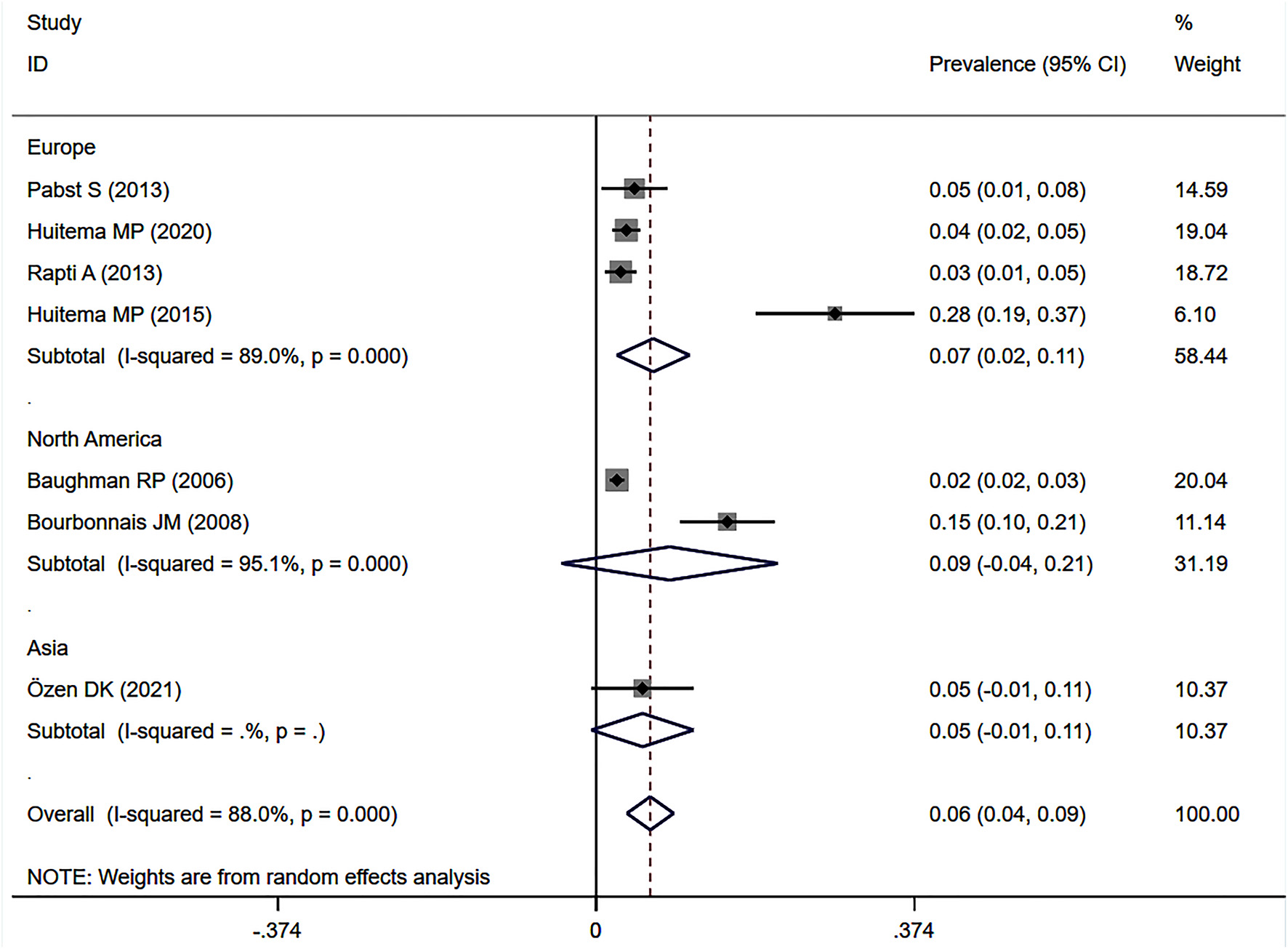
Myocarditis is defined as an inflammatory condition affecting the myocardium and is typically diagnosed based on the Dallas criteria 1 . These criteria encompass histological factors, such as the presence of an inflammatory infiltrate combined with degeneration and necrosis, as well as immunological and immunohistochemical parameters 1 . Determining the exact incidence of acute myocarditis (AM) is challenging due to the reliance on endomyocardial biopsies for precise diagnosis. As a rough estimate, AM was believed to impact approximately 22 out of every 100,000 individuals before the beginning of the COVID-19 pandemic in 2020 2 .The clinical presentation of this condition encompasses a variety of signs and symptoms, such as chest pain, heart failure, ventricular arrhythmias, or shortness of breath 3,4 . Although most patients presents with mild symptoms, myocarditis can also lead to acute heart failure and lifethreatening arrhythmias or cardiogenic shock 3,4 .Based on contemporary guidelines, cardiac magnetic resonance (CMR) plays a pivotal role in the diagnostic work-up of suspected AM, however, endomyocardial biopsy (EMB) is still considered the gold standard for the diagnosis 5,6 . Despite its invasive character and the relatively low sensitivity, the information derived from EMB is fundamental for identifying the mechanisms and deciding therapy and should be used for select patients 4 .To gain insight into myocarditis and inflammatory cardiomyopathies, the present Research Topic, entitled "Myocarditis and Inflammatory Cardiomyopathies: Diagnosis, treatment and future directions" aggregated relevant and original research studies, reviews, clinical cases and metaanalysis that explore this pathophysiological entity.We identified two original research papers that studied clinical and CMR predictors in patients with myocarditis. Firstly, Cannatà et al. conducted an analysis involving 199 patients with CMRconfirmed AM and found that AM cases presenting with life-threatening arrhythmias were associated with a higher risk of adverse events. In their registry three-quarters of patients with AM presented with chest pain, which was associated with a benign prognosis. A protective value of a chest pain as presenting manifestation was also observed by Bohbot et al. The Authors studied clinical and CMR predictors in 388 hemodynamically stable patients with AM. They found that the absence of oedema, reduced ejection fraction, and the extent of late gadolinium enhancement were all associated with early adverse outcomes. In this research topic focusing on myocarditis and inflammatory cardiomyopathies, we encounter three manuscripts addressing rare forms of these conditions. Firstly, there is a review on cardiac sarcoidosis, and secondly, two clinical cases discuss myocarditis associated with immune checkpoint inhibitors (ICIs) and tuberculous myocarditis.Sarcoidosis is an inflammatory disease characterized by multisystem non-caseating granulomas, which most commonly affects the lungs 7,8 . The development of sarcoidosis-associated PH (SAPH) significantly increases mortality in individuals with sarcoidosis. Zhang et al. conducted a metaanalysis of 25 studies spanning 12 countries to determine the prevalence of SAPH in general and advanced sarcoidosis populations. Their findings, based on right heart catheterization, revealed a pooled prevalence of SAPH at 6.4% (95% CI: 3.6-9.1%) in the general sarcoidosis population, with pre-capillary PH at 6.5% (95% CI: 2.9-10.2%).A rare form of myocarditis is associated to the use of ICIs. A case of pembrolizumab-induced myocarditis following COVID-19 infection was described by Nishiyama et al. It's worth noting that in patients with acute myocarditis, elevated myocardial markers and electrocardiographic changes may precede clinical symptoms, underscoring the importance of regular myocardial marker measurements and electrocardiographic monitoring during ICI administration 9 .Zhang et al. described a rare case of tuberculous myocarditis (TM), an exceedingly rare manifestation of Mycobacterium tuberculosis (TB) infection. In this patient, a definitive diagnosis of TM was established, and histopathological findings were consistent with sinus node involvement, as determined through autopsy results. Furthermore, the authors provide an insightful overview of the challenges associated with diagnosing myocardial TB.The objective of this Research Topic was to address significant knowledge gaps in this protean clinical entity. Substantial efforts need to be made to identify the precise underlying causes for individual patients in various situations, enabling the customization of targeted therapies.
12 Authors
- LA
Lyubov A. Chochkova-Bukova
Department of Pediatrics and Medical Genetics, Medical University Plovdiv, Bulgaria
- DF
Dominik Funken
Department of Pediatric Pneumology, Allergy and Neonatology, Hannover Medical School, Germany
- MB
Mila Bukova
Department of Pediatric Cardiology and Pediatric Intensive Care, Hannover Medical School, Germany
- KZ
Kamelia Z. Genova
Clinic of Imaging Diagnostics, University Hospital “N. I. Pirogov”, Bulgaria
- SA
Sadika Ali
Department of Pediatrics and Medical Genetics, Medical University Plovdiv, Bulgaria
- SS
Snezhana Stoencheva
Department of Pediatrics and Medical Genetics, Medical University Plovdiv, Bulgaria
- IN
Ivanka N. Paskaleva
Department of Pediatrics and Medical Genetics, Medical University Plovdiv, Bulgaria
- ZH
Zeira Halil
Department of Pediatrics and Medical Genetics, Medical University Plovdiv, Bulgaria
- IN
Ivelina Neicheva
Department of Pediatrics and Medical Genetics, Medical University Plovdiv, Bulgaria
- AS
Anastasia Shishmanova
Department of Pediatrics and Medical Genetics, Medical University Plovdiv, Bulgaria
- KS
Kristina Stefanova Kelly
Department of Pediatrics and Medical Genetics, Medical University Plovdiv, Bulgaria
- IS
Ivan S. Ivanov
Department of Pediatrics and Medical Genetics, Medical University Plovdiv, Bulgaria
3,852 views
5 citations
8 Authors
- AS
Arthur Shiyovich
Department of Cardiology, Rabin Medical Center, Faculty of Medicine, Tel-Aviv University, Israel
- YP
Ygal Plakht
Faculty of Health Sciences, Ben-Gurion University, Soroka University Medical Center, Israel
- GW
Guy Witberg
Department of Cardiology, Rabin Medical Center, Faculty of Medicine, Tel-Aviv University, Israel
- AR
Amichai Rotstein
Department of Pediatric Cardiology, Schneider Children's Medical Center of Israel, Israel
- YA
Yaron Aviv
Department of Cardiology, Rabin Medical Center, Faculty of Medicine, Tel-Aviv University, Israel
- MW
Maya Wiessman
Department of Cardiology, Rabin Medical Center, Faculty of Medicine, Tel-Aviv University, Israel
- RK
Ran Kornowski
Department of Cardiology, Rabin Medical Center, Faculty of Medicine, Tel-Aviv University, Israel
- AH
Ashraf Hamdan
Department of Cardiology, Rabin Medical Center, Faculty of Medicine, Tel-Aviv University, Israel
2,375 views
3 citations