82kviews
Editorial16 December 2025
Editorial: Towards an expansion of sustainable global marine aquaculture

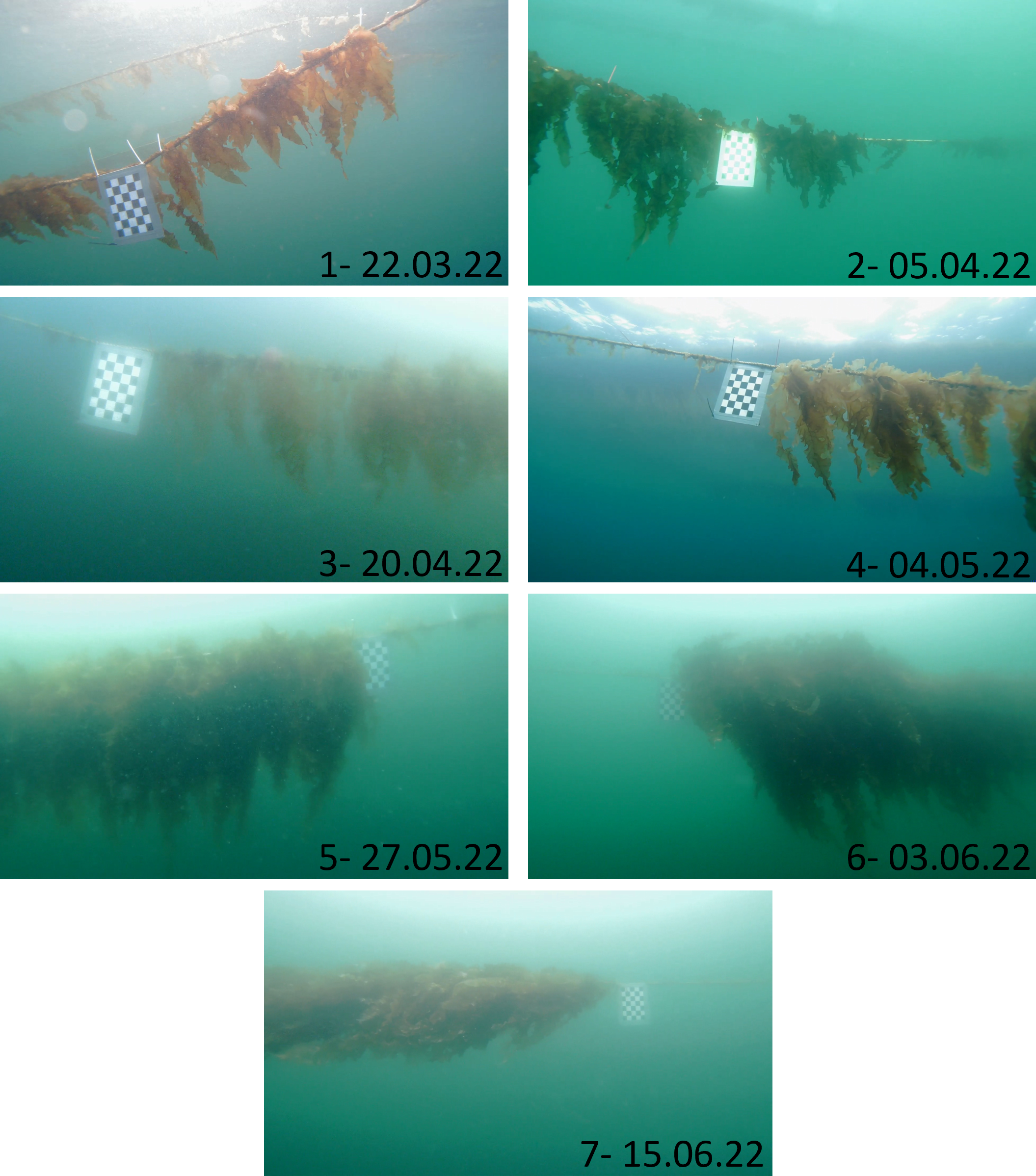
Nearshore aquaculture areas are facing multiple challenges such as limited water exchange, high parasite risk (e.g., sea lice), and competition with other coastal users. Moving aquaculture to more exposed sites or offshore can mitigate these pressures. However, offshore aquaculture also brings significant challenges and requires carefully designed technological, biological, and regulatory solutions. Niu et al. (2025) studies the dynamic motion response of large-scale steel aquaculture cages during towing, an important but underexplored aspect of offshore logistics. The study shows that towing speed, towline length, and towing configuration can significantly affect cage stability and towline tension. Such engineering insights are crucial for ensuring the safe and efficient transport of large aquaculture infrastructure in challenging conditions.Similarly, Overrein et al. (2024) highlights the role of automation and computer vision in kelp aquaculture. By using underwater imaging and computer vision algorithms, the study provides robust, real-time biomass estimation of cultivated kelp. This enables cost-effective monitoring and yield prediction for large scale production. Such automation monitoring tools have the potential to promote the seaweed industry and will be useful for future offshore operations.

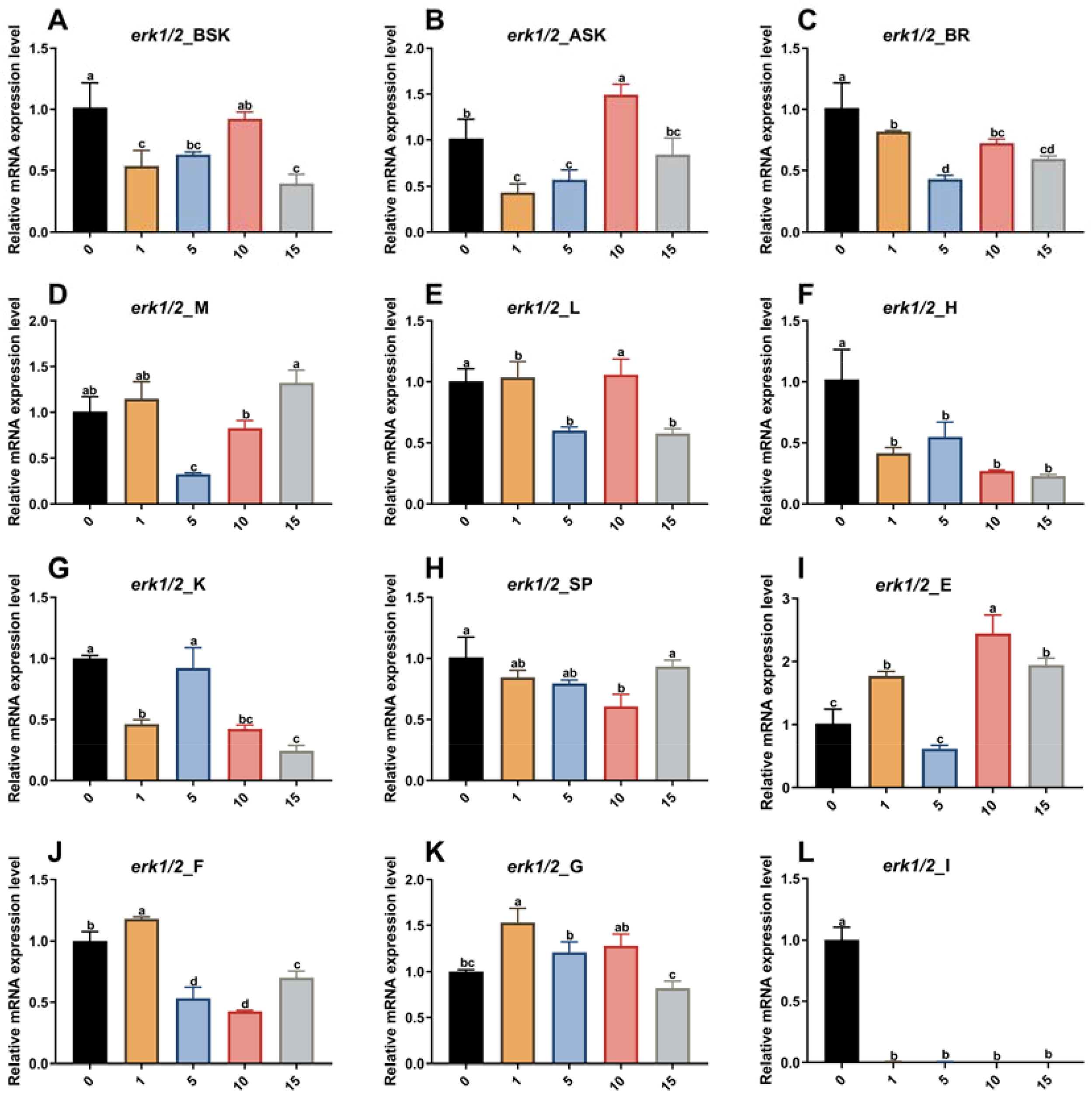
Fish health and welfare remain major challenges to sustainable aquaculture expansion. (Merca et al., 2024a;b) develop dynamic linear models (DLM) for monitoring monthly mortality of Atlantic salmon at multiple levels in Scotland, using open-source salmon production data. This is useful for various stakeholders as part of a monitoring system, offering insights into mortality trends at national, regional, and sites levels that may benefit from strategic resource management.At the molecular level, Sandbakken et al. (2024) investigates the effect of partially replacing fishmeal with salmon protein hydrolysates on the intestinal gene expression and microbiota. Gene expressions of pyloric caeca (PC), midgut (MG) and hindgut (HG) revealed a downregulation of immunological genes involved in inflammation in the intestine of salmon fed with 18% salmon hydrolysate compared to those fed the control diet. Such dietary strategies improve welfare while reducing the reliance on fishmeal. Similarly, (Yang et al., 2024) studies the regulation of melanogenesis in Plectropomus leopardus, indicating that ERK1/2 was involved in the regulation of melanogenesis through the regulation of MITF in P. leopardus. This provides a new perspective for exploring the variable skin colouration of coral reef fish.

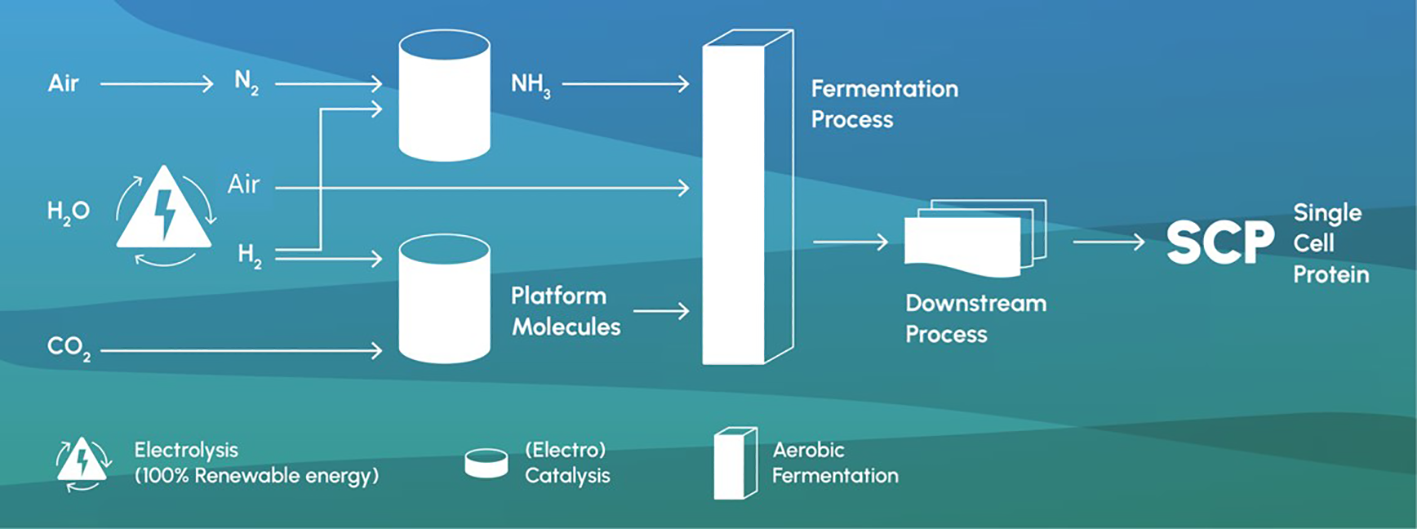
A majority of greenhouse gas emissions from aquaculture is accounted for by feed (Skavang Strand, 2024). Innovation in feed is crucial for sustainable development of aquaculture. Buttle et al. (2024) explored the potential of using single-cell proteins (SCP) as feed ingredient, demonstrating high protein digestibility, balanced amino acid profiles, and fish health benefits in rainbow trout. Although cost and scalability remain challenges, SCP shows a promising avenue for sustainable aquafeeds. Carr et al. (2024) explored the optimal levels of eicosapentaenoic acid + docosahexaenoic acid for farmed Atlantic salmon. Through large-scale trials in Chile and big-data analysis in Norway, the study shows that using algal oil-supplemented feed resulted in improved health responses and better fillet quality. The EPA + DHA levels > 8% reduce mortality variability by 21%, improve economic feed conversion ratio by 11%, and increase the likelihood of superior harvests by 27%, demonstrating productivity benefits.

Diversification of aquaculture species and systems is important to meet growing consumer demand while ensuring environmental sustainability, economic viability, and food security.Portuguese oyster (Crassostrea angulata), are highly valued for their nutritional and flavor qualities, making them important in global aquaculture. Chen et al. (2024) studies the flavor differences between triploid and diploid oysters, using metabolomics approach. Their findings show significant upregulation of inosine, guanosine, L-aspartic acid, and taurine in triploids which enhanced their flavor. This highlights the advantages of triploid oysters in aquaculture for improved flavor and nutrition, supporting their potential for year-round production. Ghosh et al. (2025) evaluated the potential of the high-value marine fish (Protonibea diacanthus) in polyculture with Indian pompano, revealing superior growth of P. diacanthus and is a viable candidate species with significant potential for polyculture systems. Li et al. (2024) analyzed the nutritional composition of artificially fertilized eggs from Japanese eel (Anguilla japonica) and transcriptome of samples from fry to better understand nutrients requirements. Their findings will facilitate future studies on the nutrition of A. japonica larvae and other biological traits for reproductive research.Seaweed aquaculture has gained increasing interest in recent years, especially in Europe. Vieira et al. (2024) examined the functional traits of Gracilaria dura from two intertidal populations in Gujarat, India, to understand their adaptations and potential for cultivation. The findings suggest that submerged cultivation maximizes biomass yield whereas exposure reduces yield but increases valuable bioactive compounds. Guo et al. (2024) developed an asexual tissue culture method for Sargassum fusiforme to maintain superior traits. The optimal condition was using holdfasts or stem tips on solid medium with 3 μM uniconazole for 17 days, followed by transfer to liquid medium. This resulted in 100% regeneration with high growth rates and enhanced photosynthesis. The technique enables continuous juvenile production, offering a reliable approach for preserving and expanding algal stocks.

This Research Topic demonstrates the breadth and dynamism of research in shaping the future sustainable marine aquaculture. From offshore aquaculture systems to seaweed genetics, from fish mortality models to alternative feed ingredients, demonstrating that sustainable expansion is possible through innovation, diversification, and systemic integration. Marine aquaculture has the potential to feed the increasing population and support climate-resilient food systems. Achieving this requires innovation, cross-sector collaboration, and global engagement in sustainability.
1,662 views

Bridging the protein gap with single-cell protein use in aquafeeds
PERSPECTIVE
23 December 2024
Bridging the protein gap with single-cell protein use in aquafeeds
Louise Buttle, 2 more and Ester Santigosa

6,958 views

14 citations

ORIGINAL RESEARCH
4 November 2024
Application of metabolomics approach to investigate the flavor substance differences between triploid and diploid oysters (Crassostrea angulata)
Duo Chen, 5 more and Ting Xue

3,034 views

8 citations

ORIGINAL RESEARCH
7 January 2025
From ocean to cage: evaluating the culture feasibility of Black-spotted croaker (Protonibea diacanthus)
Shubhadeep Ghosh, 10 more and Joykrushna Jena

3,150 views

3 citations

ERK1/2 regulates melanin synthesis in fish: a case study on a colourful variety, leopard coral grouper (Plectropomus leopardus)
ORIGINAL RESEARCH
26 September 2024
ERK1/2 regulates melanin synthesis in fish: a case study on a colourful variety, leopard coral grouper (Plectropomus leopardus)
Min Yang, 5 more and Xin Wen
Understanding the molecular mechanism of melanogenesis in Plectropomus leopardus is important for exploring the pattern of skin colour variation in grouper. The research team conducted a combined transcriptomic and proteomic analysis of P. leopardus skin tissues in red-skinned and black-skinned fish and found that the common differences were reflected in the melanogenesis pathway. Therefore, to further investigate the molecular mechanism of melanogenesis in P. leopardus, the full-length sequences of the erk1/2 and mitf genes were obtained in this study using the RACE technique. Through structure-function analysis and differential expression in different red-skinned and black-skinned P. leopardus tissues, it was found that the MAPK signalling pathway may be involved in skin colour changes in P. leopardus, and when erk1/2 expression was decreased in P. leopardus, mitf expression increased accordingly. On the one hand, through short-term in vivo injection of erk1/2-dsRNA, the optimal interference primer for experimented fish was found to be group D: F2R1(F2: TAATACGACTCACTATAGGGATCAACGACATTCTCAGGGC; R1: TAATACGACTCACTATAGGGTCCATGGAGAAAGTGAAGGG), the optimal injection site was the tail vein, the optimal interference concentration was 5 µg/g, and the duration of the interference effect was 5 days. The results of long-term interference showed that when erk1/2 expression was decreased in P. leopardus, the skin colour of the treates fish then darkened, which indicated that ERK1/2 was involved in the regulation of melanogenesis. On the other hand, in vitro COimmunoprecipitation (CO-IP) results showed that there was a direct or indirect interaction between MITF and ERK1/2 proteins. In conclusion, this is the first time that an interaction between ERK1/2 and MITF, which indicated that ERK1/2 was involved in the regulation of melanogenesis through the regulation of MITF in P. leopardus. These results further enrich our understanding of the theoretical basis of the changing pattern of skin colour in P. leopardus and provides a new perspective for exploring the variable skin colouration of coral reef fish.

2,765 views

8 citations

ORIGINAL RESEARCH
24 July 2024
Nutritional composition and transcriptome analysis of the newly hatched Anguilla japonica from embryo to preleptocephali obtained from artificial reproduction
Kang Li, 3 more and Liping Liu

3,094 views

4 citations

Optimum eicosapentaenoic acid + docosahexaenoic acid levels for farmed Atlantic salmon: closing the gap between science and commercial practice
The shift from fish oil to vegetable oil (VO) sources has lowered eicosapentaenoic acid (EPA) and docosahexaenoic acid (DHA) levels in salmon aquafeeds. VOs are high in omega-6 and low in omega-3 essential fatty acids like EPA and DHA, crucial for fish metabolism and immunity. Algal oil (AO), with high EPA + DHA and lower omega-6 levels supports fish health and growth, but transferring lab-controlled conditions to real-world commercial farming remains a challenge.This study explored the benefits of high dietary EPA + DHA levels through a commercial farm (CF) study in Chile and a Big Data (BD) study in Norway. The CF study, involving 625,000 Atlantic salmon, compared standard feed with AO-supplemented feed. The latter resulted in improved health responses and better fillet quality. The BD study analyzed real data from 232.6 million fish, revealing that EPA + DHA levels > 8% reduce mortality variability by 21%, improve economic feed conversion ratio by 11%, and increase the likelihood of superior harvests by 27%, demonstrating productivity benefits.Both studies emphasize the advantages of feeds with EPA + DHA levels above typical industry practices, enhancing growth, health, and nutritional quality. They also stress the need to consider factors beyond growth and survival, such as fish health and fillet quality, when estimating EPA + DHA requirements. Importantly, the BD study complements the CF study, bridging the gap between science and aquafarms, and providing evidence that diets with EPA + DHA > 8% offer biological performance benefits for farmers, regardless of farming environments.

5,429 views

14 citations

Biomass estimations of cultivated kelp using underwater RGB images from a mini-ROV and computer vision approaches
ORIGINAL RESEARCH
12 March 2024
Biomass estimations of cultivated kelp using underwater RGB images from a mini-ROV and computer vision approaches
Martin Molberg Overrein, 3 more and Glaucia M. Fragoso
Seaweed farming is the fastest-growing aquaculture sector worldwide. As farms continue to expand, automated methods for monitoring growth and biomass become increasingly important. Imaging techniques, such as Computer Vision (CV), which allow automatic object detection and segmentation can be used for rapid estimation of underwater kelp size. Here, we segmented in situ underwater RGB images of cultivated Saccharina latissima using CV techniques and explored pixel area as a tool for biomass estimations. Sampling consisted of underwater imaging of S. latissima hanging vertically from a cultivation line using a mini-ROV. In situ chlorophyll a concentrations and turbidity (proxies for phytoplankton and particle concentrations) were monitored for water visibility. We first compared manual length estimations of kelp individuals obtained from the images (through manual annotation using ImageJ software). Then, we applied CV methods to segment and calculate kelp area and investigated these measurements as a robust proxy for wet weight biomass. A strong positive linear correlation (r2= 0.959) between length estimates from underwater image frames and manual measurements from the harvested kelp was observed. Using unsupervised learning algorithms, such as mean shift clustering, colour segmentation and adaptive thresholding from the OpenCV package in Python, kelp area was segmented and the number of individual pixels in the contour area was counted. A positive power relationship was found between length from manual measurements with CV-derived area (r2 = 0.808) estimated from underwater images. Likewise, CV-derived area had a positive power relationship with wet weight biomass (r² = 0.887). When removing data where visibility was poor due to high turbidity levels (mid-June), the power relationship was stronger between CV-derived area estimates and the field measurements (r² = 0.976 for wet weight biomass and r² = 0.979 for length). These results show that robust estimates of cultivated kelp biomass in situ are possible through kelp colour segmentation. However, we demonstrate that the quality of CV post-processing and accuracy of the model are highly dependent of environmental conditions (e.g. turbidity and chlorophyll a concentrations). The establishment of these technologies has the potential to offer scalability of production, efficient real-time monitoring of sea cultivation and improved yield predictions.

5,861 views

18 citations