The Vascular Cell Dysfunction in Vascular Remodeling and Target Organ Damage Volume II

36kviews
Role of physical activity in cardiovascular disease prevention: impact of epigenetic modifications
MINI REVIEW
20 January 2025
Role of physical activity in cardiovascular disease prevention: impact of epigenetic modifications
Yi Sun, 1 more and Hua Liang
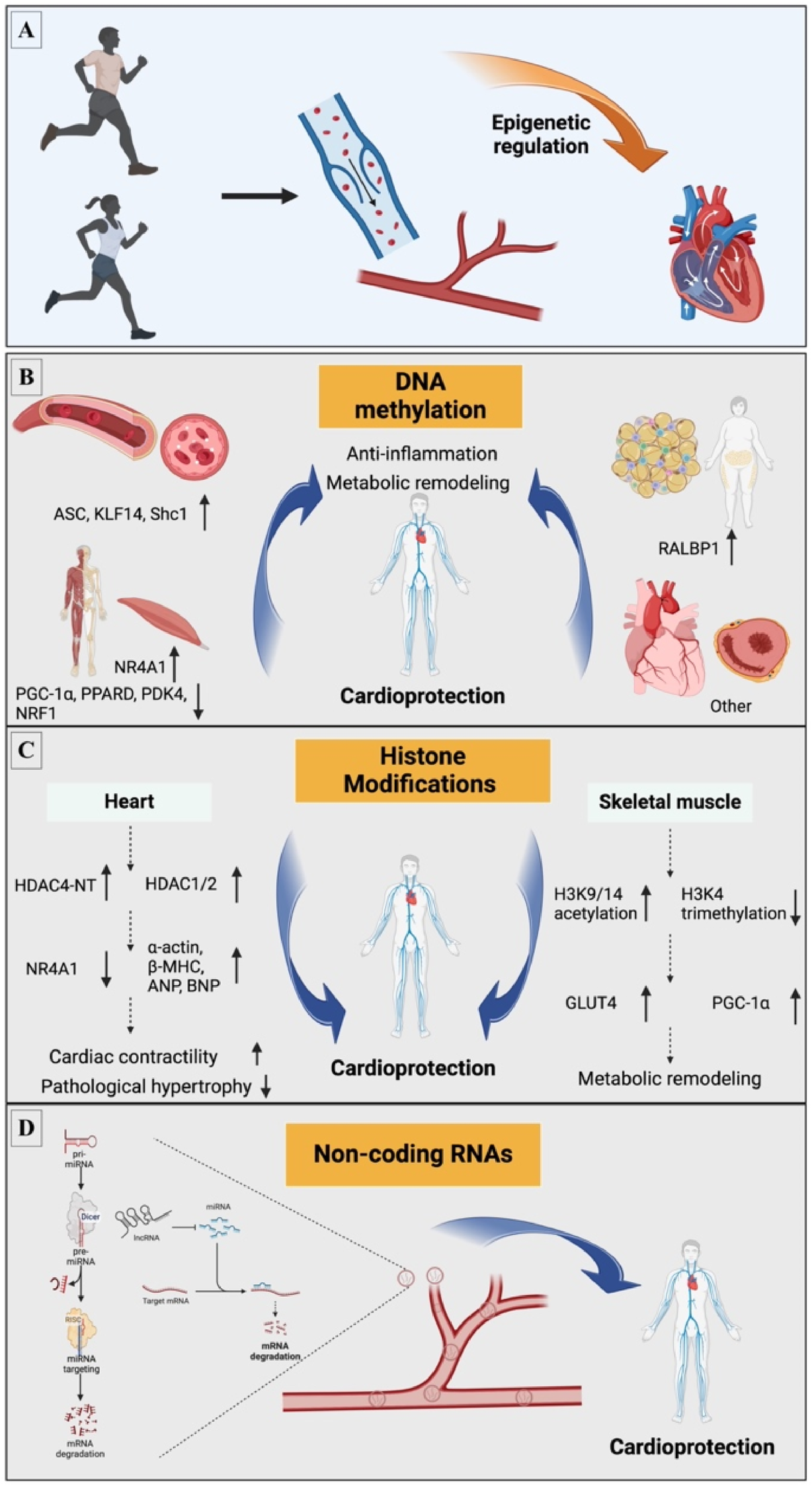
Cardiovascular disease (CVD) remains the leading cause of death worldwide, imposing a major burden on morbidity, quality of life, and societal costs, making prevention of CVD a top public health priority. Extensive research has pointed out that lack of adequate physical activity in life is one of the key risk factors for heart disease. Indeed, moderate exercise is not only beneficial to the heart in healthy populations, but also exerts a protective effect in pathological states. However, the molecular mechanisms underlying the cardioprotective effects of exercise are still not fully understood. An increasing body of research indicates that variations in the epigenetic system—such as DNA methylation, histone modifications, and production of non-coding RNA—are essential for maintaining heart health and preventing heart disease. Exercise is a potent epigenetic modulator that induces direct and long-lasting genetic changes and activates biological signals associated with cardiovascular health. These changes can be influenced by external stimuli such as physical activity and may even be passed on to offspring, thus providing a mechanism for generating genetic effects through behavioral interventions. Therefore, understanding this relationship can help identify potential biomarkers and therapeutic targets associated with CVD. This study aims to provide an overview of the beneficial effects of exercise on heart health. This information may help guide future research efforts and improve our understanding of epigenetics as a therapeutic, prognostic, and diagnostic biomarker for CVD.
4,841 views

9 citations

ORIGINAL RESEARCH
4 November 2025
Athero-oncology perspective: identifying hub genes for atherosclerosis diagnosis using machine learning
Liyan Zhao, 5 more and Qinhui Tuo

4,767 views

3 citations

ORIGINAL RESEARCH
20 December 2024
Resveratrol promotes cholesterol efflux from dendritic cells and controls costimulation and T-cell activation in high-fat and lipopolysaccharide-driven atherosclerotic mice
Linhui Zhang, 10 more and Jun Long
Resveratrol promotes cholesterol efflux from dendritic cells and controls costimulation and T-cell activation in high-fat and lipopolysaccharide-driven atherosclerotic mice
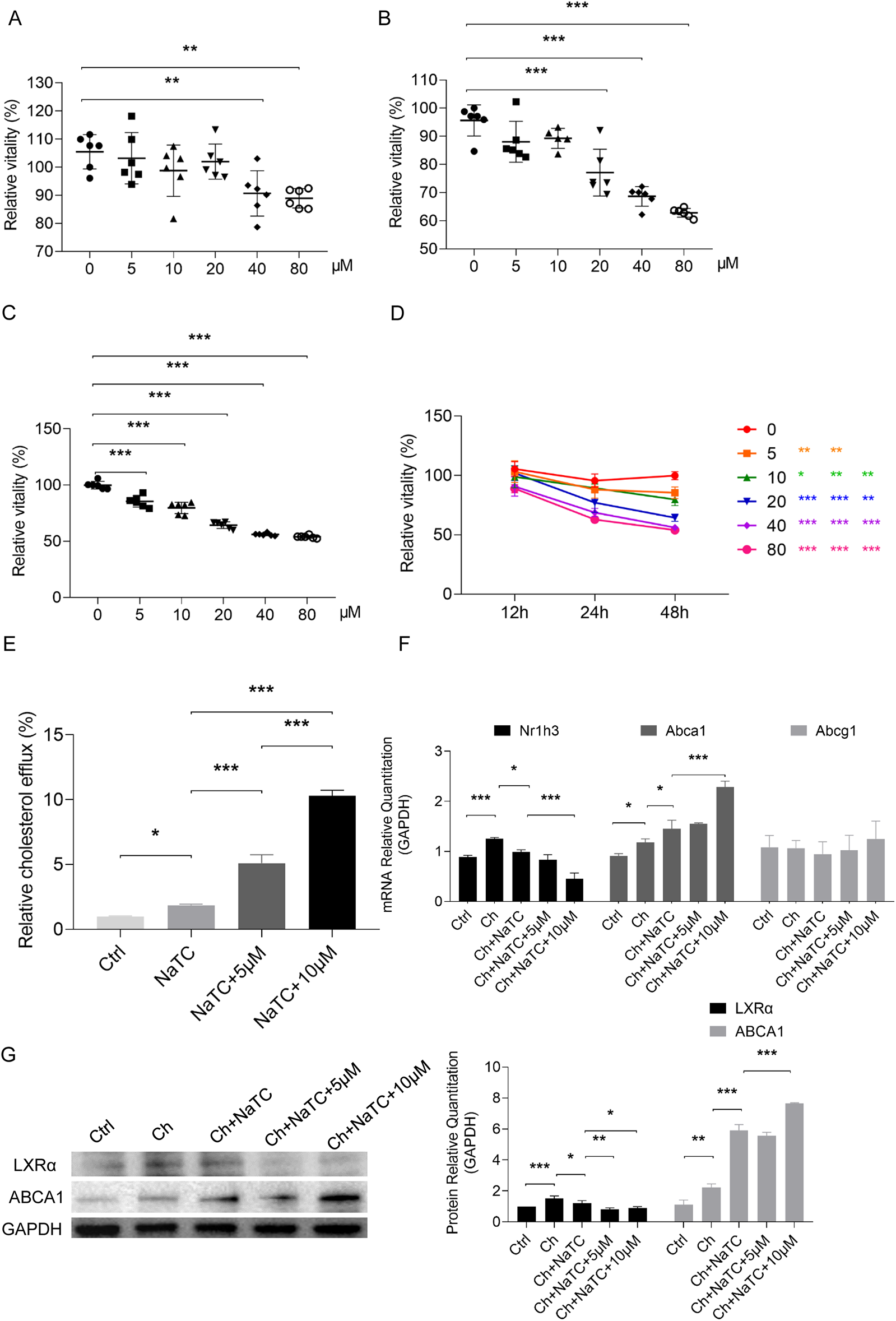
Cholesterol aggregation in dendritic cells (DCs) triggers an inflammatory response and accelerates the development of atherosclerosis (AS). Resveratrol (RES), a natural compound with anti-inflammatory and cholesterol metabolism regulatory properties, has been shown to influence the maturation and inflammatory functions of DCs. However, its relationship with cholesterol metabolism remains unclear. This study aimed to explore the roles of RES in cholesterol metabolism and inflammatory behaviors of DCs in the context of AS. We analyzed the effect of RES on cholesterol efflux from ApoE−/− bone marrow-derived dendritic cells (BMDCs) using qRT-PCR, Western blot, and cholesterol efflux assays; identified the inflammatory status of RES-treated BMDCs and co-cultured T cells using flow cytometry and ELISA; confirmed the effect of RES on blood lipids, atherosclerotic lesions, cholesterol metabolism, and inflammatory response in high-fat diet and lipopolysaccharide-treated ApoE−/− mice; and explored the potential targets of RES in regulating inflammatory behavior via molecular docking. The results revealed that RES promotes cholesterol efflux, increases the expression of efflux transporter ABCA1, and decreases liver X receptor alpha (LXRα) expression in response to a decrease in intracellular cholesterol in ApoE−/− BMDCs. RES also reduced MHC-II+ cells and downregulated costimulatory molecule CD80 in BMDCs with decreased IL-6 and increased IL-2 production, and suppressed T-cell activation and modulates IL-22 and IL-10 secretion via BMDCs. Furthermore, we confirmed that RES relieves arterial lesions and regulates blood lipids in ApoE−/− mice. RES demonstrated ABCA1 upregulation and LXRα downregulation effects in the aorta and regulated costimulation molecules and Th17/Treg cytokines in the spleen. Furthermore, RES showed multiple hydrogen bonding and low binding energy with ABCA1, suggesting that ABCA1 is a potential target of RES to modulate the inflammatory properties of BMDCs. Our study demonstrated that RES regulates cholesterol efflux and inflammatory behavior in BMDCs, contributing to the control of AS progression and offering new insights for managing inflammatory diseases.

3,939 views

7 citations

REVIEW
2 October 2024
Monitoring and evaluation of hypotension in the extremely preterm
Ping Ping, 3 more and Shuqi He
With the development of neonatal medicine, more and more extremely preterm infants have been treated. How to deal with hypotension is a big challenge for neonatologist in the process of diagnosis and treatment. The lack of uniformity in the definition of hypotension, challenges in measuring blood pressure accurately, and insufficient consistency between digital hypotension and hypoperfusion are the primary causes. How to check for hypotension and monitor blood pressure is thoroughly explained in the article. To give neonatologists a resource for the clinical management of hypotension in extremely preterm.

6,487 views

3 citations

ORIGINAL RESEARCH
12 November 2024
Feature genes identification and immune infiltration assessment in abdominal aortic aneurysm using WGCNA and machine learning algorithms
Ming Xie, 5 more and Guobao Chen

2,609 views

6 citations

ORIGINAL RESEARCH
2 July 2024
Lipid-lowering effect and oral transport characteristics study of curculigoside
Aiping Wang, 2 more and Renjie Xu
Lipid-lowering effect and oral transport characteristics study of curculigoside
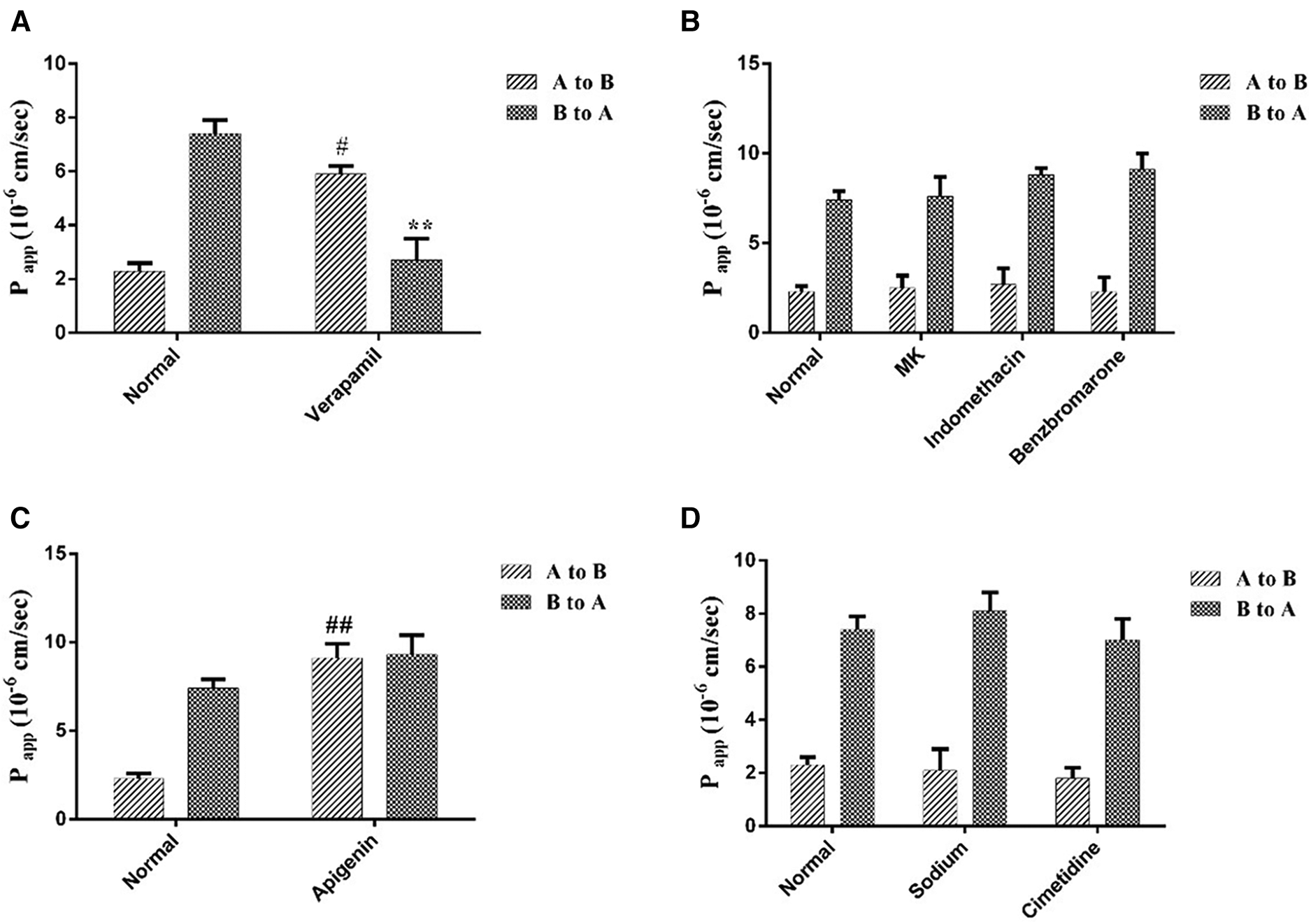
The incidence of metabolic disorders during pregnancy is increasing year by year, with diseases including hypertension and hyperlipidemia. Statins are the primary drugs for treating hyperlipidemia or atherosclerosis, yet some patients remain unresponsive to them, and pregnant women are prohibited from taking statins. Curculigoside is the major biologically active natural product present in Curculigo orchioides. In this study, A high-fat mice model was developed to study the lipid-lowering effect of curculigoside. Using intestinal Caco-2 cell monolayer, the curculigoside transport properties at two temperatures and possible transporters were systemically studied. Curculigoside at concentrations used during the experiments have no toxic effect to Caco-2 cells. The curculigoside transfer from the apical to the basolateral side was strongly influenced by temperature. P-glycoprotein, breast cancer resistance protein, and efflux transporters are crucial components of the human intestinal cell line Caco-2. The curculigoside can significantly affect the contents of total cholesterol, triglycerides, high-density lipoprotein cholesterol, and low-density lipoprotein cholesterol in mice. The transport properties and potential mechanism of curculigoside offer valuable insights for the design of development of hypolipidemic drugs like anti-atherosclerotic drugs and also be helpful to the further study of the pharmacological activity of curculigoside.

2,530 views

5 citations

ORIGINAL RESEARCH
20 August 2024
Predictive value of combining urinary N-acetyl-β-D-glucosaminidase and serum homocysteine for contrast-induced nephropathy in patients after percutaneous coronary intervention
Yiling Zhai, 12 more and Wei Wang

1,961 views

1 citations