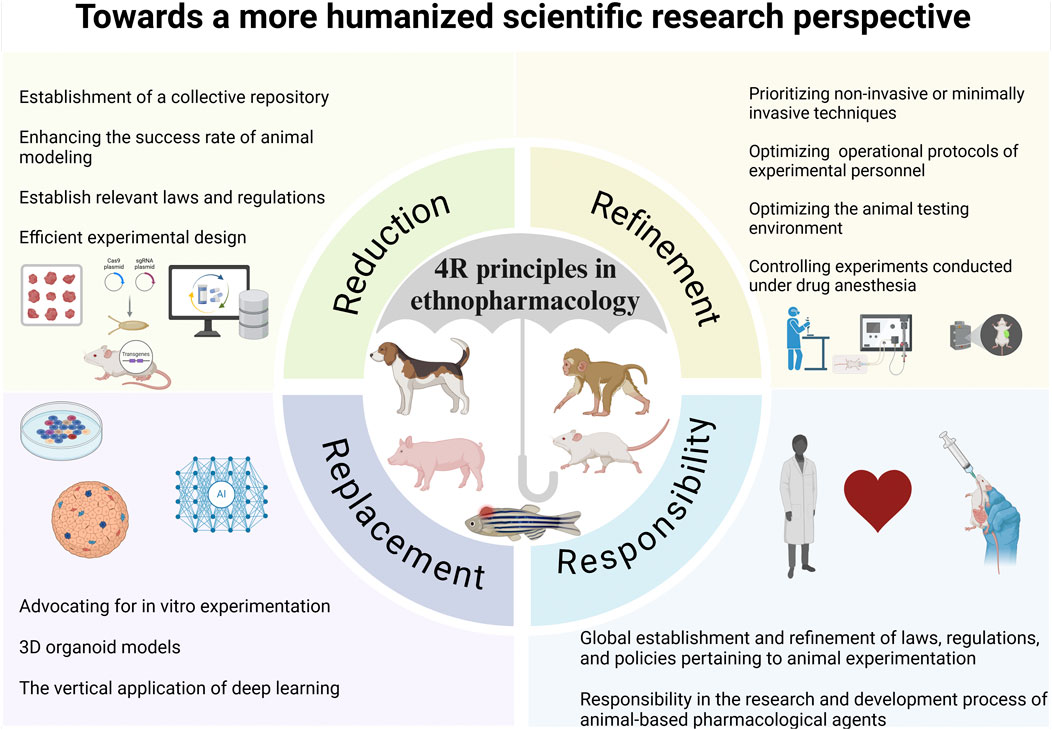
The inherent complexity of natural products poses formidable challenges for pharmacological research. Polyphenols, one of the most common types of secondary metabolites in plants, are a typical representative of this problem. As mentioned in the review by Spiegler, these compounds frequently exhibit pleiotropic activities that are difficult to elucidate through conventional approaches. They are prone to cause measurement interference through chemical reactions, membrane perturbation, colloid aggregation, or redox cycling, leading to the classification of many polyphenols as PAINS (Pan-Assay Interference Compounds) or IMPs (Invalid Metabolic Panaceas). Moreover, their poor pharmacokinetic properties, including extensive conjugation, rapid metabolism, and low oral bioavailability, further complicate the interpretation of in vitro data, as non-physiological concentrations and unmodified aglycones are often used in experiments.The review also points out that network pharmacology, despite its alleged capacity to integrate multi-target effects, remains heavily dependent on databases that may contain false-positive bioactivity entries, thereby risking the propagation of unreliable predictions, since it does not assess the validity of the pharmacological, toxicological and phytochemical data used in such a network analysis. Conceptually, the many to many correlations used to assess alleged effects of complex mixtures against multiple targets does not allow one to assess the activity from a pharmacological perspective and false positive data like those for PAINS are the logical consequence. Within the framework of the 4R principles, this cumulative uncertainty carries significant ethical implications: poorly designed experiments that yield ambiguous or artificial results not only waste scientific resources but also expose animals to unnecessary suffering without generating translatable knowledge. Therefore, rigorous experimental planning -based on realistic pharmacokinetic considerations and a rigorous evaluation of assay relevance -is crucial for maintaining the 4R framework and ensuring that any subsequent in vivo studies are both rational and scientifically significant.Likewise, a systematic review of type 2 diabetes research by Espinoza-Hernández et al. indicates a promising shift towards alternative methodologies. By analyzing studies published from 2019 to 2024, they found that approximately 45% of current investigations predominantly use in vitro methods targeting key enzymes, transporters, and receptors that are pivotal to the diabetes pathophysiology. Notably, in silico studies have risen relative to in vivo experiments, increasing from 16% to 36% of studies in the most recent year analyzed. This shift exemplifies the Replacement principle in action, demonstrating that computational modeling and cell-based assays may effectively replace animal models when investigating specific molecular mechanisms such as carbohydrate catabolism inhibition, glucose uptake regulation, or insulin sensitization.
The significance of the Refinement principle is strikingly exemplified by the research on lumbricus protein fast-dissolving tablets for the treatment of atherosclerosis performed by Lu et al. Using multimodal ultrasound techniques in combination with histopathological and biochemical analyses, the researchers demonstrated that non-invasive imaging can provide reliable efficacy data while minimizing distress in experimental animals. This strategy is in line with the Refinement principle, as it emphasizes less invasive data collection approaches and reduces the animal numbers needed for longitudinal studies. Moreover, this study also illustrates how methodological advancements can simultaneously enhance data quality and animal welfare.The principle of 'Reduction' is also achievable through improved experimental design and data sharing. A meta-analysis of resveratrol in pulmonary fibrosis models performed by Yin et al., encompassing 25 studies with nearly 1,000 laboratory animals, highlights both the therapeutic promise and inherent limitations of current research practices. Although the results demonstrate anti-fibrotic, anti-inflammatory and antioxidant effects of resveratrol via modulation of the TGF-β/Smad and NF-κB signaling pathways, the substantial heterogeneity observed across studies (I² values ranging from 55% to 85%) reveals a critical need for standardized experimental protocols. Enhanced standardization would not only strengthen the evidence base but also enable more precise sample size calculations, thereby reducing unnecessary animal use.
The addition of the Responsibility principle into the traditional 3R framework addresses a critical ethics gap in ethnopharmacological research. As articulated in the comprehensive review on 4R implementation by Liu et al., this principle requires researchers to actively consider the welfare of experimental animals throughout all research procedures, extending beyond simple regulatory compliance toward genuine accountability and cross-species empathy. The review outlines concrete strategies for operationalizing Responsibility, including improved regulatory standards, ethical training for laboratory staff, and promoting awareness of animal welfare issues. Importantly, Responsibility also encompasses the obligation to select appropriate animal models based on rigorous scientific justification.The review article by Wang et al. focusing on mouse models of colorectal cancer provides a valuable framework for responsible animal model selection. By systematically evaluating carcinogen-induced models, genetically engineered mouse models, patient-derived xenografts, metastatic models, and composite models, the authors offer guidance for matching model characteristics to specific research objectives. This responsibility further requires recognizing the limitations of each experimental system. For example, although patient-derived xenografts better recapitulate tumor heterogeneity, they also raise additional ethical considerations regarding animal welfare. Responsible research requires that these trade-offs are explicitly acknowledged and scientifically justified.
Collectively, these reviews suggest that the 4R principles are not merely ethical imperatives but also drivers of scientific improvement. Alternative approaches, including in vitro enzyme-activity assays, in silico molecular-docking analyses (for example, followed by benchwork assessing affinity and an assessment of the specificity of docking or the lack of specificity), organoid cultures and advanced imaging techniques, are increasingly demonstrating their capacity to generate robust data while reducing animal use. However, complete replacement remains challenging when studying complex physiological processes, particularly in areas involving systemic interactions, chronic disease progression, or intricate immune responses [3,4] . A fundamental requirement is an assessment of the novelty and relevance of the study as a part of the ethical review. Fundamentally, in vivo studies as all other experimental approaches need to be relevant in the context of developing evidence-based practice or novel therapeutic approaches for specific and significant improvements in the treatment of major diseases in humans or animals. In the context of Frontiers Media, compliance with the Four Pillars of best Practice [http://www.frontiersin.org/files/pdf/4_pillars_FULL_TEXT.pdf] and the ConPhyMP guidelines is mandatory [https://ga-online.org/best-practice] [5] .Future research directions may focus on the following: first, developing and validating more sophisticated in vitro and in silico models that can better replicate in vivo biological complexity; second, standardizing experimental protocols to reduce heterogeneity and facilitate high-quality, robust meta-analyses; third, establishing biorepositories and open-access data-sharing platforms to maximize the scientific value derived from each animal-based study; and fourth, integrating the Responsibility principle into institutional frameworks through improved researcher training and strengthened oversight mechanisms.In conclusion, the 4R principles provide a comprehensive ethical and scientific framework for ethnopharmacological research. By implementing Reduction through optimized experimental designs and data sharing, Refinement through non-invasive techniques and improved animal care, Replacement through innovative alternative methods, and Responsibility through genuine ethical commitment, researchers can advance both scientific knowledge and animal welfare. This is not merely a moral duty but a fundamental scientific imperative: research conducted with respect for animal life generates more reliable, reproducible, and ultimately more translatable findings. Such progress benefits human health as well as our relationship with the non-human animals that make our research possible.