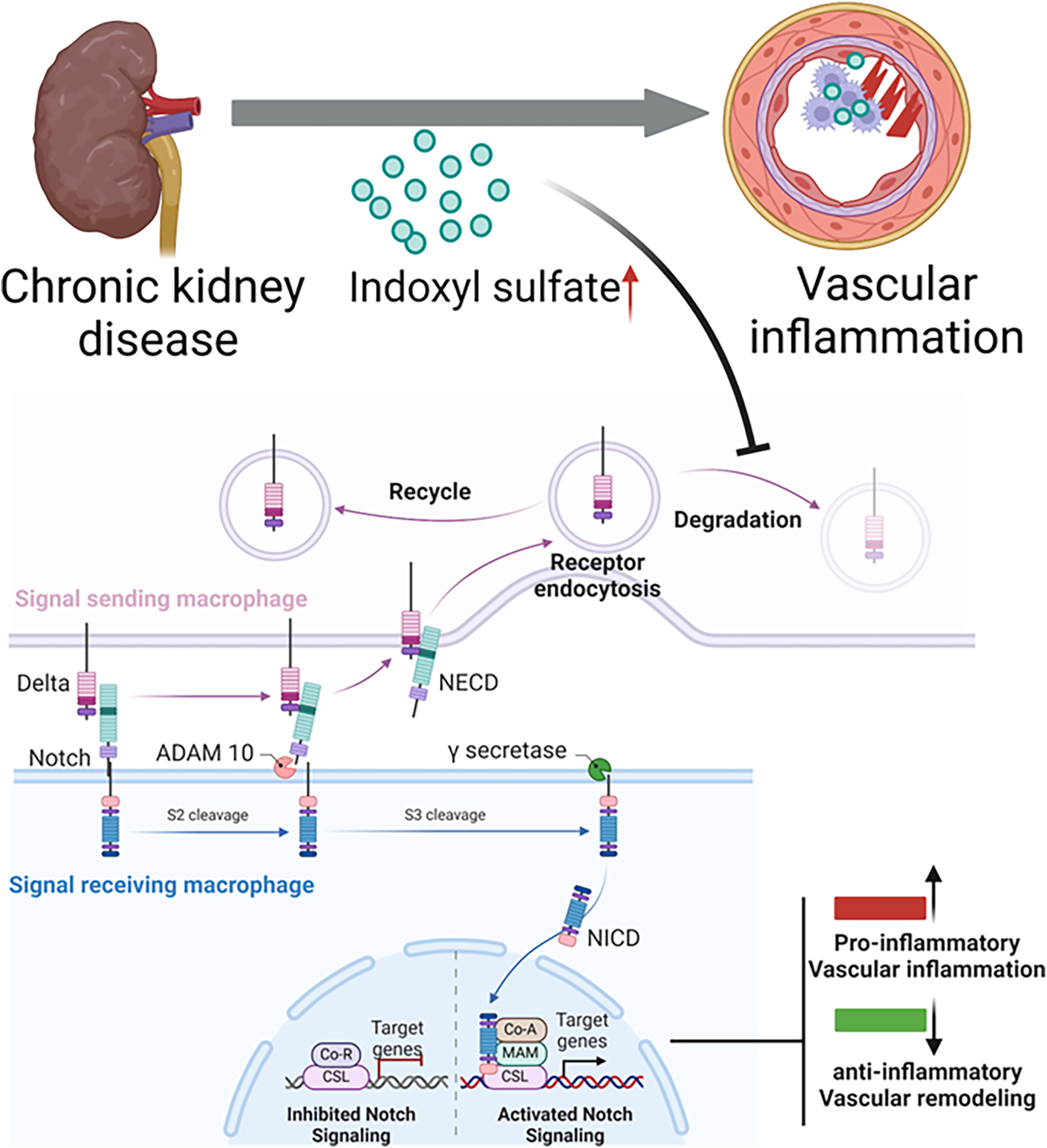
This Research Topic entitled, "Immunity, Atherosclerosis and Cardiovascular Disease: An Interdisciplinary Approach to Cardiometabolic Health," co-organized by the Frontiers in Cardiovascular Medicine and Frontiers in Immunology published a collection of 19 articles by over 100 authors including both original research reports and review articles. Accumulating evidence suggests that a precision medicine approach to select specific patients suited for optimal therapeutic strategies will empower the next advances in treating cardiovascular disease. (1) Many studies have established the role of inflammation in cardiovascular disease.(2, 3) (4) Understanding how immune cell heterogeneity contributes to cardiovascular diseases, applying diverse approaches is critical to help guide and inform the next generation of immunoregulating therapies (5). This Research Topic covers three general themes. The first theme characterizes immune phenotypes and their contributions to different cardiovascular diseases. The second theme leverages bioinformatic analyses to find novel regulators in cardiovascular diseases which could serve as either diagnostic or therapeutic targets. The third theme focuses on clinical therapeutic strategies aimed at regulating the immune system to reduce the risk of cardiovascular disease progression. Of note, this collection features multiple sub-phenotypes such as distinct pre-existing conditions or co-morbidities associated with atherosclerotic cardiovascular diseases and includes articles addressing the contribution of both the adaptive and innate immune responses in cardiovascular disease. This is of particular importance since immune dysregulation and cardiovascular diseases are chronic processes which require novel and specific opportunities for therapeutic intervention. The next set of reviews focused on cells from the innate immune system, specifically macrophages and neutrophils. Ijaz et al. described the heterogeneity within foamy macrophages and their contribution towards progression of atherosclerotic cardiovascular disease. (10) The authors highlighted how these cells exert a diverse set of both anti-inflammatory and proinflammatory roles which can be harnessed to develop new therapeutic targets. Jha et al.provided a stellar overview of the concept of elevated uremic toxins in patients with chronic kidney disease and its contribution towards inflammation. Tracking the levels of these uremic toxins and understanding how they impair cardiovascular function could be pivotal for treating complex cardiovascular disease (11). They specifically focused on how indoxyl sulfate induces pro-inflammatory activation in macrophages to increase the risk of cardiovascular disease.
The third theme features five review articles describing potential therapeutic strategies to target immune regulation and reduce the risk for cardiovascular disease progression.
Chinese patented oral medicines that promote blood circulation in parallel with Western medicine for the treatment of angina pectoris. (19) The authors noted that the methodological quality of many of these studies is poor, complicating accurate comparison and integration difficult and highlighted potential templates for future studies to help facilitate such comparisons.In another systematic review by Bekbossynova et al., the authors investigated the common genetic variants in patients with familial hypercholesterolemia and their contribution to carotid atherosclerosis progression. (20) Based on 9 different trials, the authors concluded that LDLreceptor mutations influence the progression of carotid artery atherosclerosis. Wang et al. (21) examined whether subclinical hypothyroidism might increase the risk of cardiovascular disease.Although the authors observed associations between dyslipidemia and carotid intima-media thickness, they concluded that additional studies are required to establish a causal relationship.Giakomidi et al. explored how the gut microbiome release metabolites that regulate the adaptive immune system (22). In addition, the effect of these metabolites to impact both innate and adaptive immune system could increase the rate of progression of atherosclerotic disease. The authors suggested that the use of such information helps to modulate the immune system in atherosclerosis. Skrobucha et al. explored the use of GLP-1 as a peptide hormone to reduce the incidence of coronary artery disease. (23) The authors demonstrated evidence from multiple animal studies for GLP-1-driven anti-inflammatory effects for reduction of cardiovascular disease risk. Human studies are limited in size and scope to determine these effects while some evidence on the benefits for endothelial function has been reported. The authors suggested that future studies in larger randomized controlled trials with sufficient outcomes measured could help inform of the benefits of GLP-1 treatment to reduce cardiovascular disease burden. The meta-analysis by Xie et al. evaluated 42 randomized controlled trials to determine the effect of sodium tanshinone IIA sulfonate injection to treat cardiovascular disease (24) . The authors suggested that this ingredient found in traditional Chinese medicine across 42 different studies reduced pro-inflammatory markers in patients with atherosclerosis but its specific contribution to reducing cardiovascular disease risk burden is yet to be fully elucidated.
This Research Topic brought together 19 articles that define immune phenotypes, leverage omics-powered discovery research, and propose new immunomodulatory therapeutics for cardiovascular diseases. Collectively, these articles highlight the central role of immune cell heterogeneity, regulatory mechanisms at the systems level, and translational potential to slow disease progression. Integrating multi-omic profiling with precise patient stratification will be critical for translating immune-targeted interventions into effective precision therapies for inflammatory cardiovascular disease (25).