
Spatial Aspects of Urban Animal Ecology and Conservation Biology, Volume II

Cover image for Research Topic "Spatial Aspects of Urban Animal Ecology and Conservation Biology, Volume II"
31kviews
Editorial07 October 2026
Editorial: Spatial aspects of urban animal ecology and conservation biology, volume II

Ultimately, how resources are spatially distributed in landscapes, whether it is 44 green infrastructure (Hase, 2026), water surfaces (Harper and Bennet, 2025) To answer these questions researchers should take on an interdisciplinary approach to 105 urban spatial ecology and ask: How can spatial urban ecology identify the specific 106 designs, policies, and community practices that allow animal populations-not just 107 individual animals-to persist in cities under increasing disturbance and climate 108 change? 109 110
487 views

ORIGINAL RESEARCH
24 July 2026
Assessing the impact of anthropogenic influence on nestling development: evidence from feather corticosterone in juvenile white storks
Frederike Liermann, 5 more and Ralph Simon

1,089 views

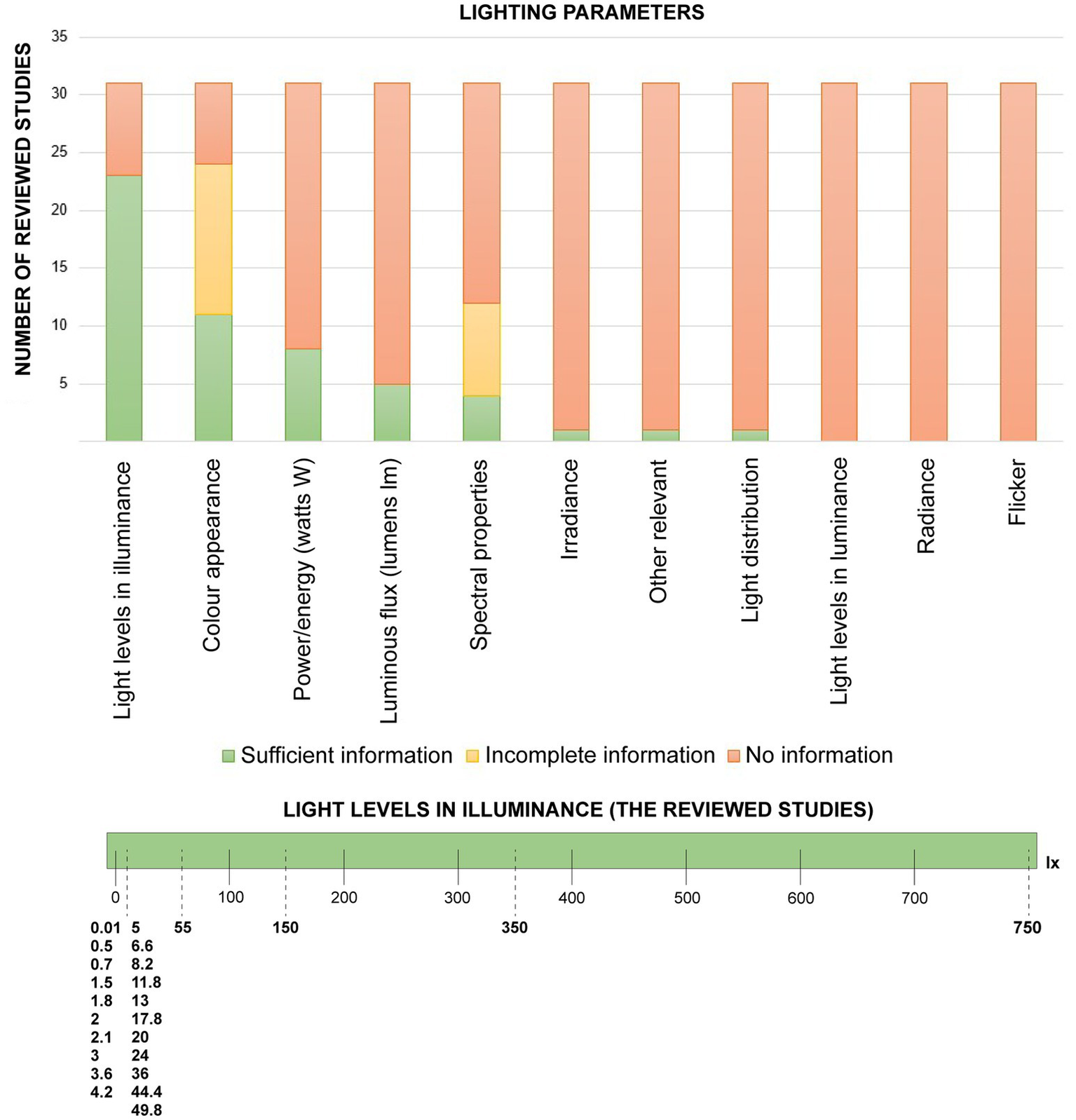
Urbanisation is leading to an increase in outdoor lighting technologies in cities, which can disrupt wildlife habitats in urban greenery and alter their natural biological, physiological, and behavioural rhythms. Despite the flexibility of LED lighting technology, it is not being used effectively in practise to minimise ecological disturbances while providing sufficient illumination for people. A PRISMA review of 31 papers on lighting using contemporary LED sources and wildlife species revealed that lighting parameters were inadequately described to (1) characterise the relationship between assessed ecological impacts and light properties and (2) adjust properties of contemporary lighting technologies to reduce such impacts on animals. The authors suggest strengthening interdisciplinary collaborations for informed sustainable development by establishing common procedures and methods to ensure the transferability of research outcomes to practical applications.

5,473 views

1 citations

Bears avoid residential neighborhoods in response to the experimental reduction of anthropogenic attractants
IntroductionUrbanization is an extreme form of land use alteration, with human development driving changes in the distribution of resources available to wildlife. Some large carnivores have learned to exploit anthropogenic food resources in urban development, resulting in human-carnivore conflict that can have detrimental impacts to people and carnivores, as exemplified by American black bears. Management agencies commonly promote the use of bear-resistant garbage containers for reducing conflicts, but little is known about the actual behavioral responses of bears to this intervention.MethodsTo understand whether black bears alter their behavior in response to changes in residential waste management, we investigated patterns of bear behavior in Durango, Colorado, where anthropogenic attractants were experimentally manipulated. Using location data from collared black bears, we modeled resource selection and movement in response to areas that had received bear-resistant garbage containers compared to those that did not.ResultsBears avoided residential areas where garbage availability had been reduced, and this avoidance response increased over subsequent years, potentially suggesting that bears were learning from the management intervention. Bear movement rates, however, were not notably affected by the garbage reduction.DiscussionOur findings highlight the importance of reducing the availability of anthropogenic attractants for changing bear behavior and reducing risk of urban human-bear conflict, and that these responses can strengthen over time as bears learn from the management intervention.

6,188 views

1 citations