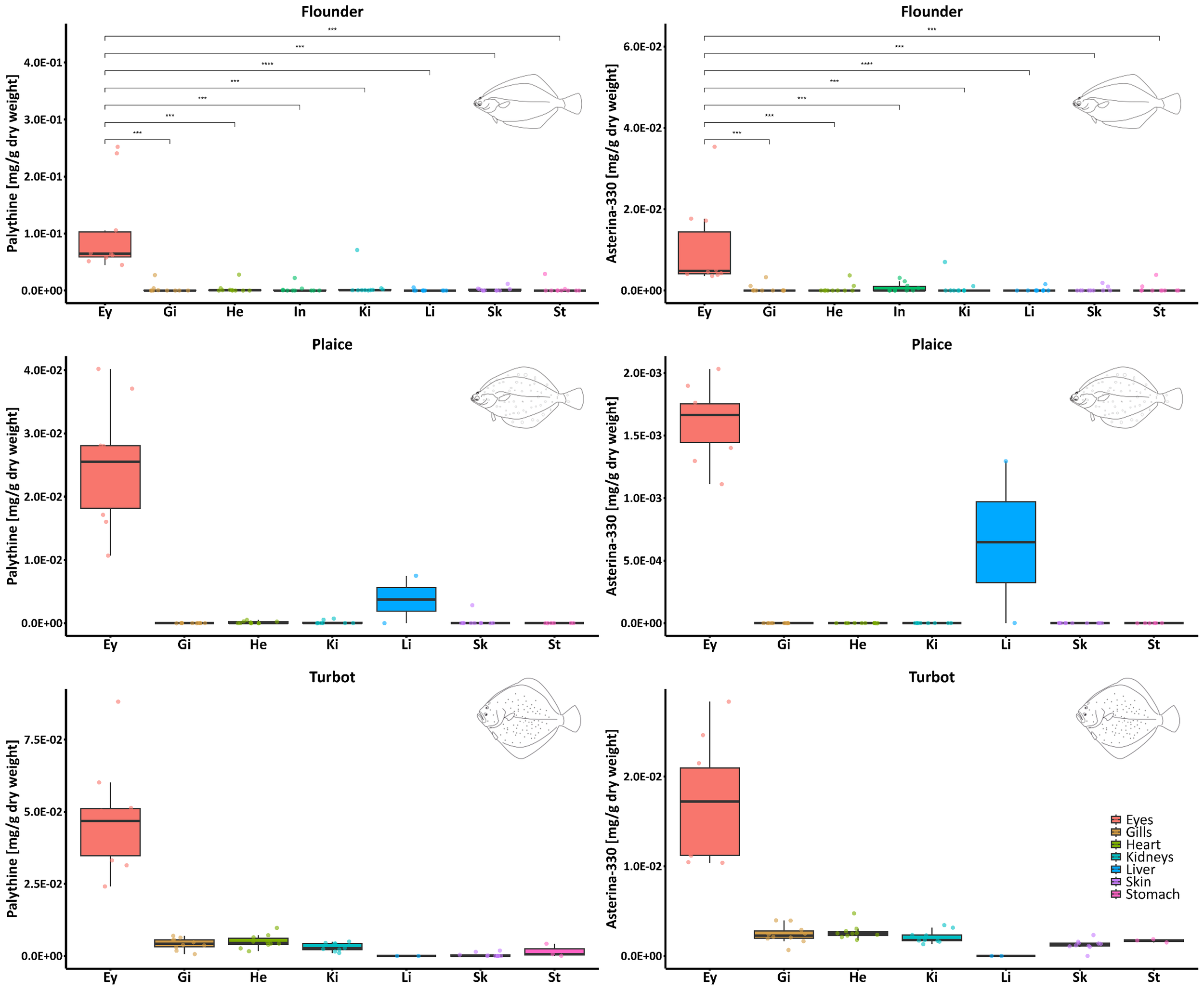
mechanisms underlying adaptation and evolutionary change (Thangaraj and Sunet al. 2025). Importantly, these approaches reveal that adaptation to extreme environments is not necessarily a property of individual organisms alone. Complex associations among hosts and their microbial partners can contribute to nutrient acquisition, detoxification, protection from environmental stress, and maintenance of physiological stability. At the same time, environmental extremes can destabilize these associations, potentially reshaping the composition and functioning of entire holobionts (Pita et al. 2018). Evolutionary responses can also be expressed through changes in dispersal and population connectivity, developmental trajectories, morphological traits, and the emergence of cryptic genetic diversity (Burraco et al. 2025;Saeedi 2026). Exploring these different levels of organization is particularly relevant in the context of ongoing global change, as environmental conditions that were once spatially or temporally restricted may become increasingly widespread or intense.The contributions gathered in this Research Topic illustrate this diversity of mechanisms and perspectives. They span contrasting environments, from Antarctic and Mediterranean waters to tropical reefs, hydrothermal vents, and abyssal and hadal habitats, and examine adaptation from the molecular scale to populations, symbiotic associations, and organismal morphology. Together, the studies show how organisms cope with environmental stress through biochemical protection, restructuring of microbial communities, metabolic cooperation, population connectivity, and evolutionary diversification. They also highlight the value of combining complementary approaches to distinguish shortterm responses to environmental stress from longer-term evolutionary processes. By bringing together these perspectives, this Research Topic contributes to a broader understanding of how life adapts to extreme marine environments and how the evolutionary and ecological consequences of environmental change may unfold across biological scales.Responses to environmental stress: from biochemical protection to microbiome restructuring Environmental stress can be addressed through physiological and biochemical mechanisms that protect organisms from potentially damaging conditions. Hammerle et al. investigated the distribution of mycosporine-like amino acids (MAAs), natural UV-protective compounds, in three species of flatfish from the Baltic Sea. Combining targeted and untargeted metabolomics, they identified several MAAs and found that these compounds accumulated preferentially in the eyes, where concentrations were substantially higher than in other tissues. The detection of MAAs in internal organs also provides evidence for their transfer within the organism and supports the hypothesis that these compounds can be acquired from dietary sources and selectively transported to tissues exposed to ultraviolet radiation. The study further revealed a diversity of MAA-related metabolites, including compounds that may not have been previously characterized. These findings illustrate how the distribution of protective metabolites within an organism can contribute to coping with persistent environmental stress and highlight the potential of metabolomic approaches for uncovering biochemical mechanisms associated with environmental tolerance.While Hammerle et al. focused on biochemical protection within individual organisms, Pascual-Benito et al. examined responses at the level of the coral holobiont. Their study investigated how thermal stress affects the bacterial microbiomes of soft corals originating from polar, temperate, and tropical environments. By combining field sampling, controlled heat-stress experiments, and 16S rRNA sequencing, the authors showed that each coral species harbored a distinct bacterial community that differed substantially from the surrounding seawater. Experimental warming nevertheless disrupted these host-associated communities, resulting in the reduction of characteristic symbionts and an increase in opportunistic or seawater-associated bacteria. The magnitude of these changes differed among host species: Antarctic and tropical corals showed substantial microbiome restructuring under moderate warming, whereas the Mediterranean species maintained greater stability until exposure to more extreme temperatures. These results demonstrate that the environmental history of host populations can influence the stability of their microbial associations and that thermal stress can rapidly modify interactions within marine holobionts. Together with the findings of Hammerle et al., this study illustrates how organisms can respond to environmental stress through mechanisms operating at different biological levels, from the distribution of protective molecules within tissues to the restructuring of entire microbial communities.
Host-microbe interactions can also provide more direct mechanisms for exploiting environments characterized by strong chemical constraints. Li et al. investigated the microbiome and virome of an undescribed glass sponge collected from a hydrothermal vent field in the Okinawa Trough at a depth of 1,284 m. Metagenomic analyses revealed a diverse microbial community comprising sulfur-oxidizing bacteria, ammonia-oxidizing archaea, methane-oxidizing bacteria, and other microorganisms involved in carbon and nitrogen cycling. The reconstructed microbial genomes indicated complementary metabolic capacities, including sulfur and methane oxidation, carbon fixation, nitrogen transformations, and the degradation of potentially harmful compounds. Such functional diversity suggests that the sponge holobiont can integrate multiple microbial processes in an environment where reduced chemical compounds provide important sources of energy. The study also identified a methaneoxidizing symbiont with genomic characteristics consistent with an early stage of symbiotic genome reduction, providing insight into the evolutionary transition from free-living microorganisms towards more specialized host-associated lifestyles. In addition, the diverse viral community may contribute to regulating microbial populations and recycling nutrients within the holobiont. By revealing interactions among the sponge host, microbial symbionts, and viruses, this study highlights the importance of metabolic cooperation in the functioning of communities exposed to extreme chemical conditions.
Adaptation to extreme environments is not restricted to physiological or biochemical responses, but can also involve population-level processes that determine how organisms persist and evolve across fragmented habitats.
Spinoserolis beddardi, a species that lacks a pelagic larval stage and might therefore be expected to exhibit limited dispersal among populations. Using nearly 14,000 genome-wide SNPs from individuals collected at three coastal sites on Livingston Island, the authors found remarkably low genetic differentiation among populations separated by 2-13 km. The results indicate substantial genetic connectivity despite the species' life-history characteristics, suggesting that occasional dispersal through oceanographic transport, together with shared evolutionary history, may contribute to maintaining gene flow among populations. This study emphasizes that dispersal and connectivity can persist even in species with limited opportunities for active long-distance movement and illustrates how population genomic approaches can reveal evolutionary processes that are not readily apparent from life-history traits alone. Understanding such processes is particularly relevant in extreme environments, where the persistence of populations may depend not only on physiological tolerance but also on their capacity to remain connected across spatially heterogeneous habitats.
The deep sea provides another perspective on how evolution can generate diversity under environmental conditions that remain comparatively poorly explored. González-Casarrubios et al. describe two new species of deep-sea kinorhynchs, Echinoderes prior and Echinoderes shimadai, collected from abyssal and hadal environments in the Pacific Ocean. Both species possess a middorsal spine on trunk segment 9, a feature that extends beyond the segment range traditionally considered characteristic of this morphological group. Integrating detailed morphological observations with mitochondrial COI and nuclear 18S and 28S markers, the authors confirmed the distinctiveness of the two species and identified additional genetic diversity within E. prior. Phylogenetic analyses suggest that the segment 9 spine was secondarily reacquired within the lineage, while observations of postembryonic development showed that posterior spines can be added or lost during successive molts. These findings indicate that morphological characters used in the taxonomy of deep-sea kinorhynchs can be more evolutionarily dynamic than previously assumed. More broadly, the discovery of new species and previously unrecognized morphological and genetic variation in abyssal and hadal environments underscores how much evolutionary diversity remains to be documented in the deep sea.Taken together, the contributions to this Research Topic illustrate that adaptation and evolution in extreme marine environments operate across multiple levels of biological organization. Responses to environmental stress may involve the accumulation and redistribution of protective metabolites, changes in host-associated microbial communities, or metabolic cooperation among hosts, bacteria, archaea, and viruses. At broader evolutionary scales, population connectivity can influence the persistence of geographically separated populations, while changes in morphology and development can contribute to diversification and the emergence of new evolutionary traits.The studies gathered here also demonstrate the value of combining complementary approaches to understand these processes. Metabolomics, controlled experiments, microbiome and metagenomic analyses, population genomics, phylogenetics, and detailed morphological observations each provide access to different components of adaptation and evolution (Thangaraj and Sun 2025). Their integration is particularly important in extreme environments, where ecological processes and evolutionary histories can be difficult to disentangle from observations at a single scale (Burraco et al. 2025). As technological and methodological advances continue to expand access to these habitats, they will provide new opportunities to investigate how organisms and their associated communities respond to environmental challenges and how these responses contribute to the generation and maintenance of marine biodiversity.