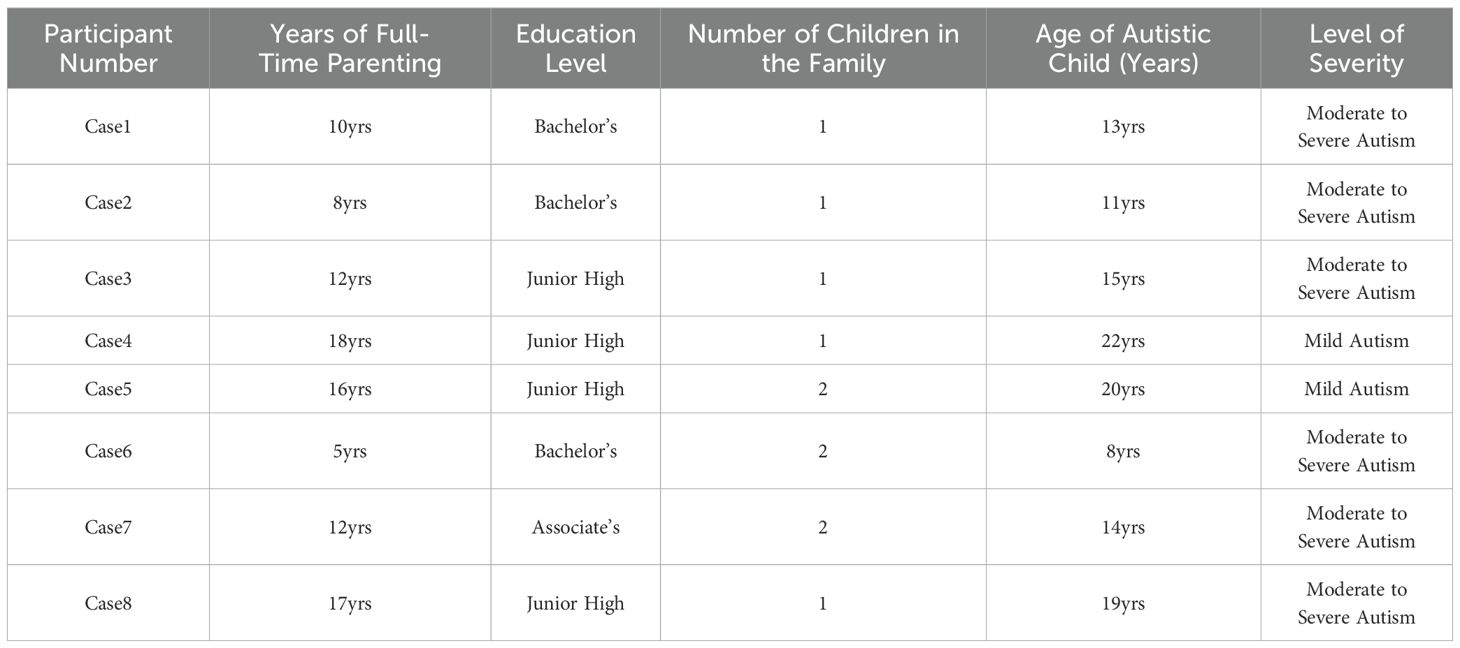
Several contributions confront the long-standing underdiagnosis and misdiagnosis of autistic females. Minutoli et al. (2026) argue for the clinical and scientific urgency of defining a female autistic phenotype, contending that camouflaging-strategies to mask autistic traits-delays diagnosis and increases vulnerability to anxiety, depression, and burnout. Peña-Casquero et al. (2026) trace the historical roots of the male-centered diagnostic model, reviewing contemporary prevalence data suggesting that sex differences may be smaller than traditionally reported, and proposing pathways toward a more equitable and inclusive framework. Grzeszak and Pisula (2025) apply minority stress theory to synthesize evidence from 104 studies, demonstrating that autistic females face intersectional disadvantage-at the crossroads of gender and neurodivergence-that compounds mental health disparities beyond the sum of its parts.Extending the camouflaging lens transdiagnostically, Carpita et al. (2025) show that social camouflaging is elevated in women with borderline personality disorder (BPD) and significantly predicts eating disorder symptomatology, positioning camouflaging as a potential bridge between autistic traits and disordered eating. 2026) demonstrate in a large sample of female college students that physical activity is inversely associated with autistic traits, with social anxiety serving as a partial mediator-identifying both as modifiable targets.Two contributions broaden the lens to lived experience and cultural meaning. Zhou and Ning (2025) explore the motherhood dilemmas and coping strategies of Chinese mothers of autistic children, revealing remarkable maternal resilience within a socio-cultural context that intensifies gendered caregiving expectations. Burnos and Kopacz (2025) examine religiosity among autistic adults through cognitive and empirical lenses, finding the relationship between mentalizing difficulties and religious belief to be more complex than early theoretical accounts predictedhighlighting the diversity of inner life on the spectrum. Together, these 17 contributions suggest that autism research must move beyond recognition of heterogeneity toward systems of assessment and care capable of responding to it. Advancing equity demands gender-sensitive diagnostic tools, transdiagnostic approaches to comorbidity, biologically informed yet socially aware models, and interventions that respect autistic people and families in their real contexts. This collection demonstrates that equity in autism research is not only a matter of who is studied, but of how the field conceptualizes, measures, and responds to the full diversity of autistic lives.
3 Authors
- JH
Jessica Hellings
Department of Psychiatry, University of Missouri-Kansas City, United States
- IZ
Ishrath Zamani
Department of Psychiatry, University of Missouri-Kansas City, United States
- ME
Megan Evans
University of Missouri-Kansas City School of Medicine, United States
3,495 views
6 Authors
- SS
Shivali Sarawgi
Division of Developmental and Behavioral Pediatrics, Cincinnati Children’s Hospital Medical Center, United States
- SK
Sungeun Kang
Department of Educational Psychology, University of Nebraska-Lincoln, United States
- LM
Lauren M. Schmitt
Phelan-McDermid Syndrome Foundation, United States
- DL
Debra L. Reisinger
Division of Developmental and Behavioral Pediatrics, Cincinnati Children’s Hospital Medical Center, United States
- JR
Jennifer R. Ruberg
Division of Developmental and Behavioral Pediatrics, Cincinnati Children’s Hospital Medical Center, United States
- RC
Rebecca C. Shaffer
Division of Developmental and Behavioral Pediatrics, Cincinnati Children’s Hospital Medical Center, United States
2,563 views