Coronary Physiology in the Spotlight: Advancing Diagnosis and Treatment in CAD and Microvascular Disease

43kviews
Editorial13 February 2026
Editorial: Coronary physiology in the spotlight: advancing diagnosis and treatment in CAD and microvascular disease

projection selection, catheter choice, and CT-derived 3D guidance (3,4). Importantly, the ability to derive anatomical, physiological, and procedural information from a single examination substantially enhances feasibility, supporting a future paradigm in which invasive angiography may be reserved for patients in whom anatomy, physiology, and biology converge toward percutaneous coronary intervention (PCI).

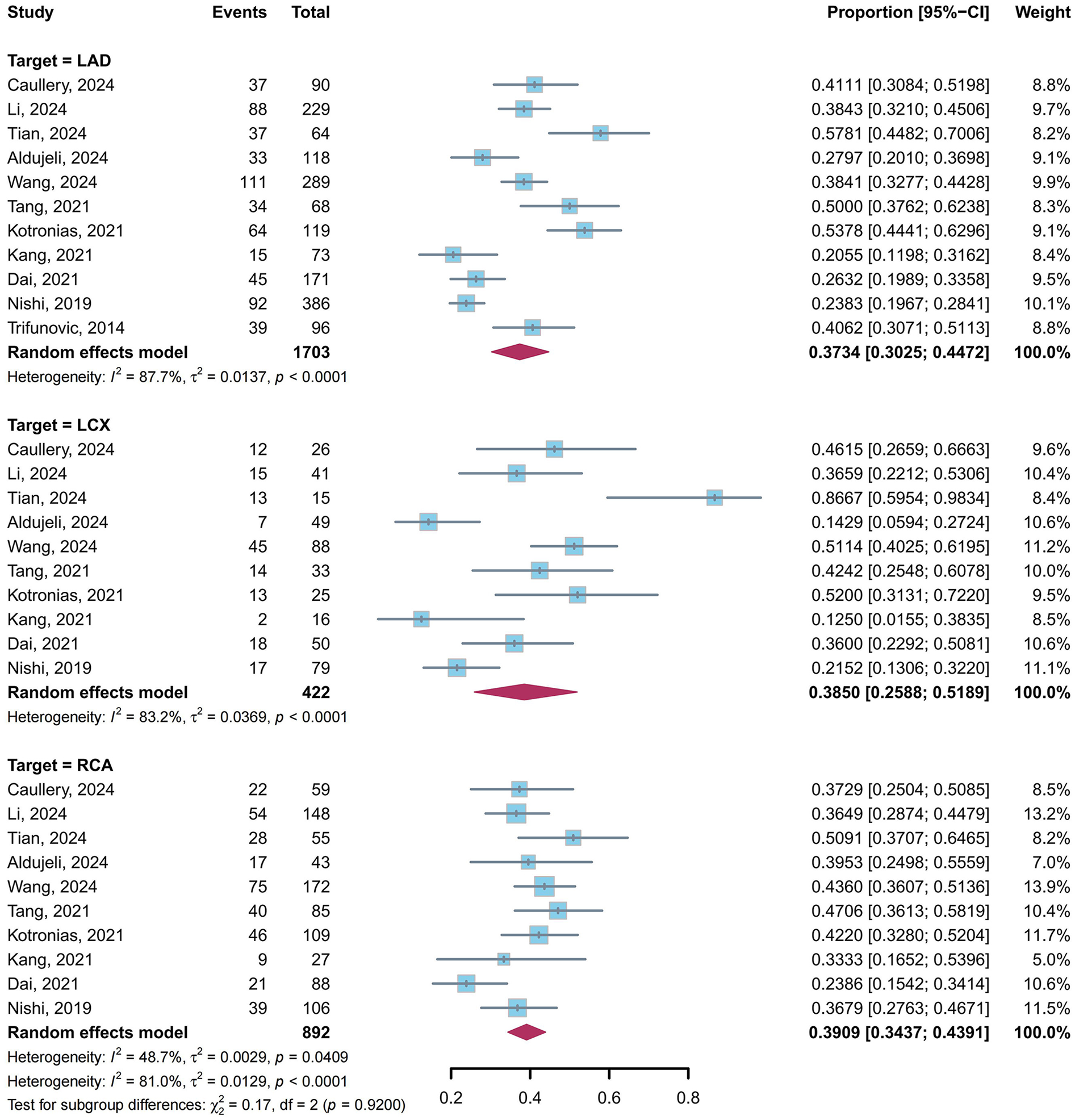
While epicardial disease remains the most visible manifestation of CAD, coronary microvascular dysfunction has emerged as a key determinant of persistent symptoms and adverse outcomes. The systematic review and meta-analysis included in this Topic provides compelling evidence that CMD affects approximately 40% of post-PCI target vessels and is independently associated with a substantially increased risk of MACE. This finding has major clinical implications. It explains, at least in part, why technically successful PCI does not always translate into symptomatic relief or prognostic benefit. By consolidating data across diverse populations and physiological assessment methods, this meta-analysis establishes CMD as a frequent and prognostically meaningful entity that warrants systematic evaluation.Mechanistic insights are further expanded by original work on coronary wave intensity analysis, which explores microvascular-originated backward waves and their modulation under varying hemodynamic conditions. These data enhance our understanding of myocardial-coronary coupling and support the clinical feasibility of advanced physiological indices capable of interrogating microvascular status.Equally important, the clinical translation of advanced physiological indices requires robust validation of measurement agreement and reproducibility. Within this Research Topic, a dedicated methodological study employing Bland-Altman analysis addresses this critical aspect by evaluating the agreement between physiological measurements across modalities and analytical approaches. By demonstrating acceptable limits of agreement and highlighting sources of variability, this work reinforces confidence in the interpretability and interchangeability of contemporary physiological tools.

Several contributions in this Topic emphasize the role of physiology not only in diagnosis but also in guiding interventional strategy. The study evaluating quantitative flow ratio (QFR) in drug-coated balloon (DCB) therapy illustrates how functional assessment after lesion preparation can predict mid-term vessel physiology and identify patients at risk for residual functional stenosis. Such findings reinforce the concept that physiological optimization should extend beyond stent deployment and may be particularly relevant in "leave-nothing behind" revascularization strategies.

Coronary physiology does not operate in isolation from systemic biology. The investigation of the mean platelet volume-to-monocyte ratio (MMR) highlights the complex interplay between inflammation, thrombosis, and coronary outcomes. The observed nonlinear association between MMR and long-term prognosis underscores the limitations of singlethreshold biomarkers and aligns with emerging evidence that inflammatory activity modulates both plaque behavior and microvascular function.Beyond inflammatory indices, dysregulation of endogenous anticoagulant pathways may further modulate ischemic risk and coronary physiology. In this Research Topic, a dedicated study examining plasma antithrombin levels highlights the prognostic relevance of hemostatic balance in patients with coronary artery disease.

This Research Topic also explores novel, less conventional approaches to CAD detection and prediction. A meta-analysis evaluating a phonocardiogram-based CAD score demonstrates the potential of acoustic signal analysis as a low-cost, non-invasive rule-out tool in patients with suspected CAD. While not a substitute for imaging or physiology, such approaches may complement existing pathways by improving pre-test probability assessment and reducing unnecessary testing.Similarly, the development of a LASSO-based predictive nomogram for obstructive CAD in patients with repeatedly zero calcium scores challenges the notion of "low-risk" anatomy. By identifying clinical and metabolic predictors of disease progression despite favorable imaging findings, this work highlights the limitations of static anatomical risk models and reinforces the need for dynamic, personalized assessment.

Collectively, the studies in this Research Topic illustrate a unifying message: coronary physiology is no longer an adjunct but a foundation of modern CAD care. From CT-derived functional imaging and plaque characterization, to invasive and angiography-based physiological indices, to microvascular assessment and systemic biomarkers, the field is moving toward an integrated, patient-centered model of coronary disease. By bringing these diverse yet complementary perspectives together, this Research Topic aims to advance the ongoing transition from anatomy-driven intervention to precision coronary medicine.
832 views

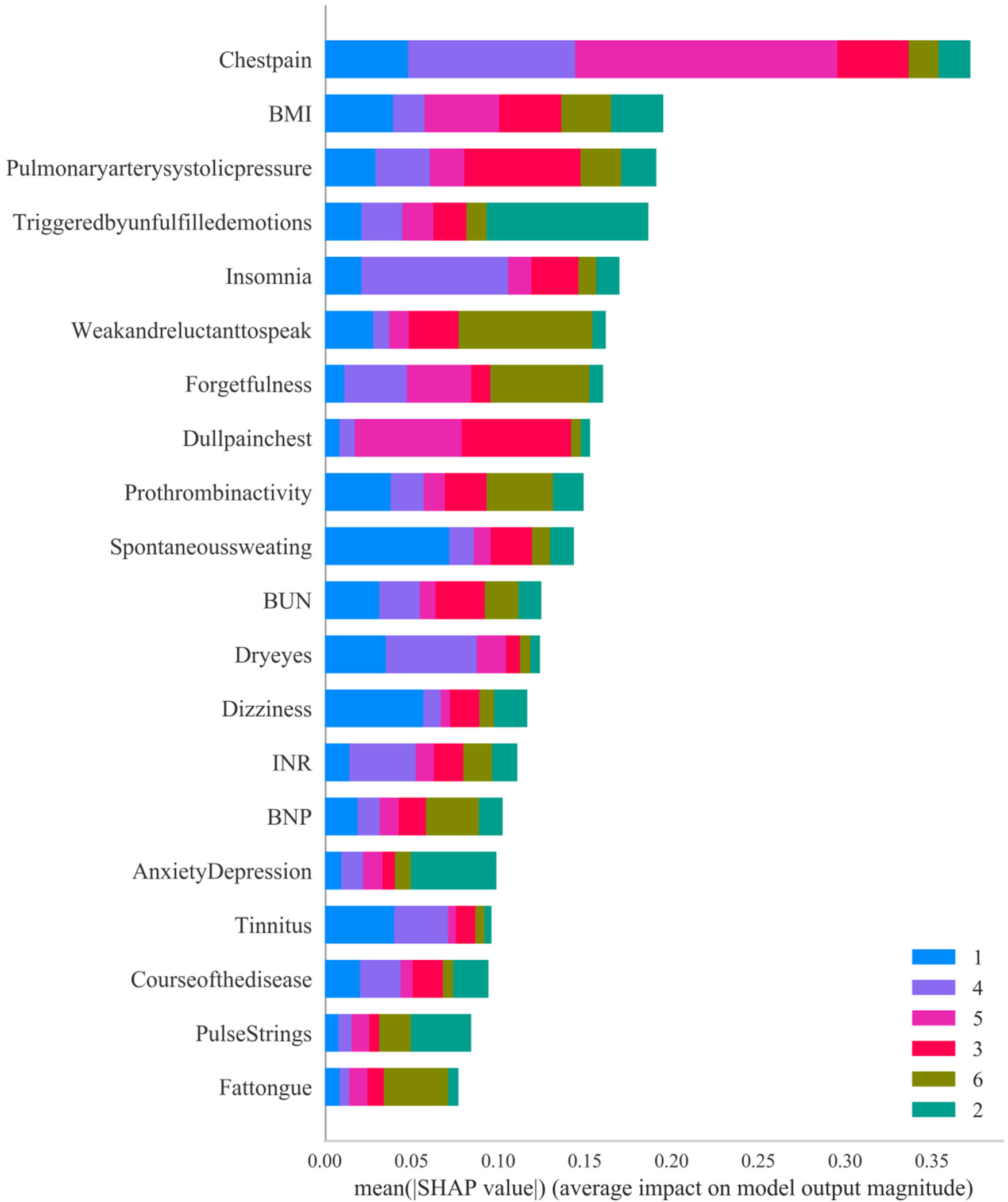
BackgroundCoronary heart disease (CHD) is the leading cause of death from cardiovascular diseases. Previous studies related to traditional Chinese medicine (TCM) mostly lacked objective basis for TCM syndrome types, which may affect the accuracy of syndrome differentiation.ObjectiveTo explore the distribution pattern of TCM syndrome types in patients with CHD, analyze its correlation with TCM symptoms and myocardial injury markers.MethodThis study adopted a cross-sectional research design. A total of 1,503 patients with CHD from January 2023 to January 2025 were included. The clinical and TCM four diagnostic data of the selected patients were systematically collected, aiming to analyze the association between TCM syndrome types and TCM symptoms as well as myocardial injury markers, and to construct and verify the predictive model of TCM syndrome types.ResultA total of 1435 patients were included and grouped according to the syndrome types in TCM. The main types were 295 cases (20.5%) of phlegm blocking the heart meridian syndrome, 289 cases (20.1%) of qi and Yin deficiency syndrome, 257 cases (17.9%) of heart and kidney Yin deficiency syndrome, 199 cases (13.8%) of qi deficiency and blood stasis syndrome, 177 cases (12.3%) of qi stagnation and blood stasis syndrome, and 186 cases (12.9%) of heart blood stasis obstruction syndrome. BNP and NT-proBNP were statistically significant differences among different TCM syndrome types (P < 0.05). Further, unordered multi-class regression analysis was used to compare the differences in TCM symptom indicators among different TCM syndrome types. Meaningful statistical results and TCM symptoms were combined for discriminant analysis of TCM syndrome types (coincidence rate of discrimination = 62.8%), and machine learning models (LGBM, XGBoost, etc.) were used to construct TCM syndrome type prediction models. Ultimately, the best-performing model LGBM (validation set accuracy = 72.51%) was selected and SHAP was used to explain the contribution of the model.ConclusionThe combination of TCM symptoms and myocardial injury markers can be used to distinguish and predict the syndrome types of patients.

8,062 views

2 citations

Combined prognostic value of AI-derived CT-FFR and high-risk plaque characteristics in patients with newly diagnosed chronic coronary syndrome: a prospective cohort study
CLINICAL TRIAL
3 December 2025
Combined prognostic value of AI-derived CT-FFR and high-risk plaque characteristics in patients with newly diagnosed chronic coronary syndrome: a prospective cohort study
Renjie Zhang, 11 more and Mingqi Zheng
BackgroundWhile coronary computed tomography angiography (CTA) is widely used for diagnosing chronic coronary syndrome (CCS), its potential for assessing physiological function and plaque vulnerability—through AI-derived fractional flow reserve (CT-FFR) and high-risk plaque characteristics (HRPC)—is not fully leveraged in clinical practice. The combined prognostic value of these non-invasive tools in newly diagnosed CCS patients remains underexplored.ObjectiveTo evaluate the individual and combined prognostic value of AI-based CT-FFR and HRPC in predicting major adverse cardiovascular events (MACE) in patients with newly diagnosed CCS.MethodsIn this observational cohort study, 222 inpatients newly diagnosed with CCS who were admitted for non-acute chest pain and underwent coronary CTA were included. Patients were stratified into four groups based on their CT-FFR and HRPC values. Kaplan–Meier survival curves and multivariate Cox proportional hazards models were used to assess the predictive value of CT-FFR and HRPC for MACE. Model performance was evaluated using the C-index, area under the receiver operating characteristic curve (AUC), net reclassification improvement (NRI), and integrated discrimination improvement (IDI).ResultsVessels with CT-FFR ≤0.8 had a higher prevalence and number of HRPC compared to those with CT-FFR >0.8. Over a median follow-up period of 22 months, 52 patients (23.4%) experienced MACE. Both CT-FFR ≤0.8 [hazard ratio (HR): 2.62, 95% confidence interval (CI): 1.06–6.47; P = 0.036] and HRPC ≥2 (HR: 2.39, 95% CI: 1.20–4.77; P = 0.014) independently predicted MACE. Patients with both CT-FFR ≤0.8 and HRPC ≥2 had a 6.06-fold increased risk of MACE compared to those with CT-FFR >0.8 and HRPC <2 (P = 0.017). Combining CT-FFR and HRPC significantly improved the predictive accuracy of risk models, reflected in increases in C-index, AUC, NRI, and IDI (P ≤ 0.038), providing superior predictive performance compared to using either metric alone.ConclusionThe combined use of AI-derived CT-FFR and HRPC significantly improves risk stratification in patients with newly diagnosed CCS, offering better predictive accuracy for adverse cardiovascular events. This enhanced risk assessment could enable clinicians to identify high-risk patients more effectively and tailor management strategies accordingly. Further multicenter studies are warranted to validate these findings across diverse populations.

3,046 views

4 citations

SYSTEMATIC REVIEW
5 November 2025
Diagnostic performance of coronary artery disease prediction model (CAD-score system) based on phonocardiogram: a systematic review and meta-analysis
Miftah Pramudyo, 4 more and William Kamarullah

3,389 views

2 citations

CLINICAL TRIAL
9 October 2025
A study on the correlation between the mean platelet volume to monocyte count ratio and long-term prognosis in patients with newly diagnosed coronary artery disease
Wei Fu, 9 more and Mingqi Zheng

3,032 views

ORIGINAL RESEARCH
30 October 2025
Beat-to-beat coronary wave intensity analysis: implications of backward waves originating from microvascular
Xinzhou Xie, 10 more and Kun Lian

2,820 views

Coronary microvascular dysfunction in post-PCI target vessels: a systematic review and meta-analysis of prevalence and associated outcomes
SYSTEMATIC REVIEW
4 August 2025
Coronary microvascular dysfunction in post-PCI target vessels: a systematic review and meta-analysis of prevalence and associated outcomes
Yunze Li, 4 more and Xiang Li
BackgroundCoronary microvascular dysfunction (CMD) in post-percutaneous coronary intervention (PCI) target vessels is increasingly recognized as a critical determinant of adverse cardiovascular outcomes, yet its prevalence and prognostic implications remain poorly characterized. We conducted a systematic review and meta-analysis to determine the prevalence of CMD in post-PCI target vessels and its associated clinical outcomes.MethodsWe conducted a systematic review and meta-analysis of observational studies using quantitative coronary physiological assessments to evaluate CMD in post-PCI target vessels. Databases (PubMed, Embase, Web of Science) were searched from inception to January 2025. The pooled Prevalence, multivariable-adjusted hazard ratio (HR) and 95% confidence interval (CI) for clinical outcomes were calculated using random-effects models.ResultsA total of 21 observational studies involving 6,632 patients were included. The pooled prevalence of CMD in post-PCI target vessels was 41.66% (95% CI: 34.18%–49.34%). Subgroup analyses revealed numerical variations in CMD prevalence across assessment methods, sex, clinical diagnoses, and target vessels, though intergroup differences did not reach statistical significance (all P > 0.05). The pooled prevalence of CMD was numerically higher in females (46.22% vs. 36.73% in males), patients with acute coronary syndrome (42.37% vs. 36.04% in chronic coronary syndrome), and those assessed via non-wire-based methods (44.72% vs. 35.65% in wire-based methods). CMD prevalence was comparable across target vessels (left anterior descending artery: 37.34%, left circumflex artery: 38.50%, right coronary artery: 39.09%). Patients with post-PCI thrombolysis in myocardial infarction (TIMI) flow grade ≤2 exhibited higher CMD prevalence than those with TIMI flow grade 3, with a statistically significant difference (75.36% vs. 37.26%, P = 0.0012). CMD in post-PCI target vessels was independently associated with a 3.10-fold increased risk of major adverse cardiovascular events (95% CI: 2.06–4.67) and a 4.66-fold risk of cardiac death or heart failure readmission (95% CI: 3.13–6.93).ConclusionCMD in post-PCI target vessels is prevalent (approximately 40%) and independently associated with a elevated risk of adverse cardiovascular outcomes. Standardized diagnostic criteria and targeted interventions are urgently needed to improve outcomes in this population. Systematic review registrationhttps://www.crd.york.ac.uk/PROSPERO/, PROSPERO CRD42025637496.

5,152 views

6 citations

ORIGINAL RESEARCH
25 September 2025
Predictive value of the quantitative flow ratio after pretreatment and drug-coated balloon therapy for functional stenosis of target vessels at the mid-term follow-up
Xinjun Lin, 6 more and Chaoxiang Xu

2,043 views

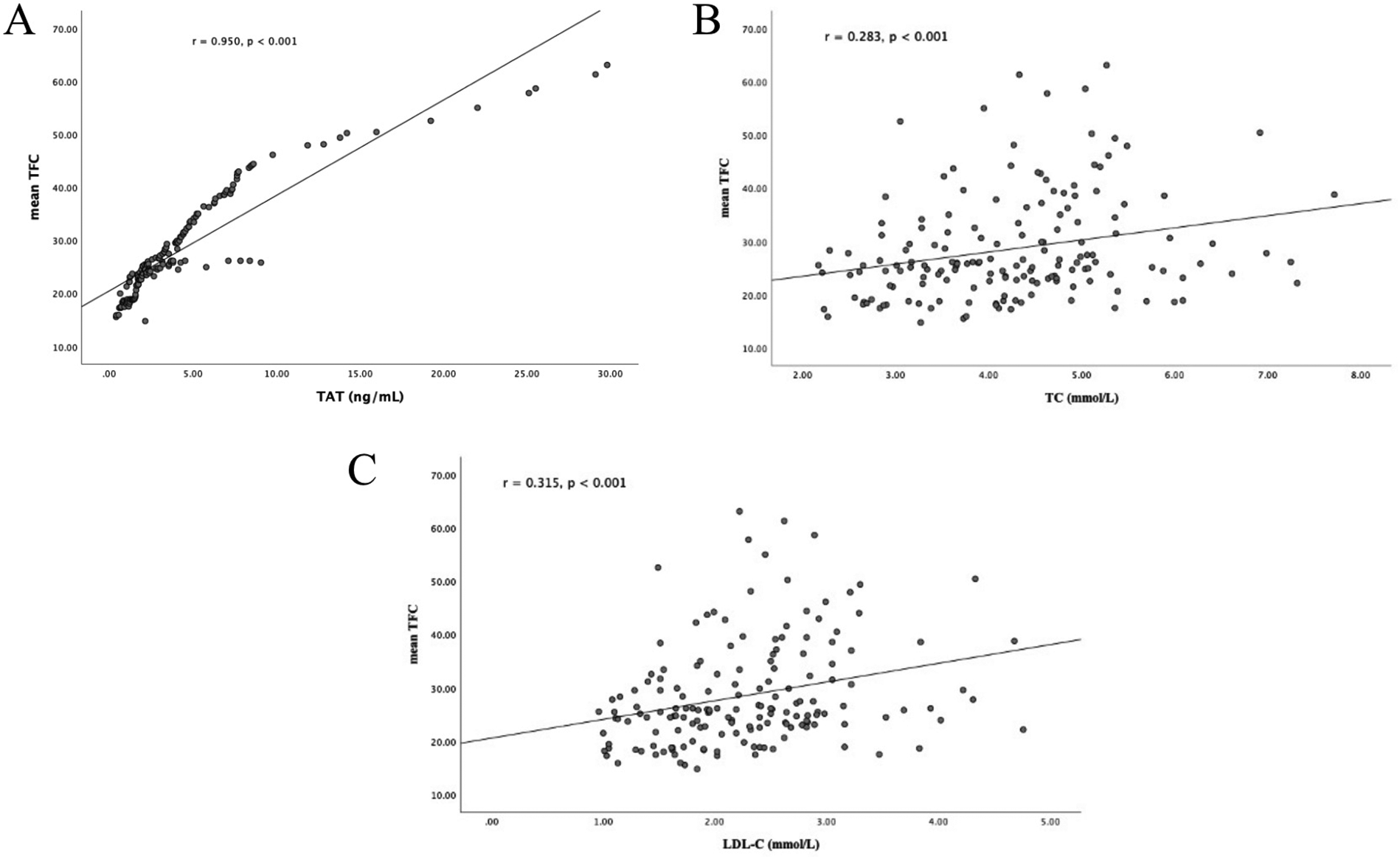
Plasma thrombin-antithrombin complex as a candidate biomarker for coronary slow flow
ORIGINAL RESEARCH
15 July 2025
Plasma thrombin-antithrombin complex as a candidate biomarker for coronary slow flow
Jian-hong Mo, 8 more and Yuan-sheng Zhai

2,971 views

4 citations