Exploring Adverse Drug Reactions: Monitoring, Mechanism, Intervention, and Resolution

Cover image for Research Topic "Exploring Adverse Drug Reactions: Monitoring, Mechanism, Intervention, and Resolution"
71kviews
Editorial26 February 2026
Editorial: Exploring adverse drug reactions: monitoring, mechanism, intervention, and resolution
Li Tao, Xin Li, Yunhao Wuand Yunlong Shan

has shifted toward the comprehensive capture and interpretation of complex clinical events, embracing a full continuum of patient-specific responses across various biological contexts.

This Research Topic highlights the importance of systematically characterizing delayed or atypical ADRs. For example, clinically significant immune-related adverse events with multisystem involvement emerge long after treatment initiation or even following drug discontinuation, underscoring how delayed onset may lead to repeated exposure and life-threatening outcomes if early causality attribution fails. As illustrated by Hao et al., sintilimab-induced colitis progresses to intestinal obstruction and hemorrhage despite initial corticosteroid therapy. Early endoscopic evaluation, timely escalation to biologic agents, and multidisciplinary management are crucial to mitigate severe complications. Vigilant monitoring and individualized treatment plans are essential for improving outcomes in high-risk patients (1). Osilodrostat is a novel steroidogenesis inhibitor for the treatment of Cushing's syndrome. However, prolonged endocrine suppression may persist even after the discontinuation of osilodrostat, potentially due to extensive off-target effects (2). In addition, investigations into postacute COVID-19 vaccination syndrome also highlight the need to establish systematic efforts for long-term and delayed adverse events, challenging the conventional temporal bounds of pharmacovigilance frameworks (3).Machine learning-based prediction models have a considerable positive impact on proactive risk identification and stratification. Yue et al. recognized gastrointestinal comorbidities, alcohol consumption, and concomitant medication use as key multifactorial, pathology-driven risk factors for semaglutide-associated adverse events. A logistic regression-based nomogram scoring tool was subsequently developed to estimate the risk of semaglutide-induced gastrointestinal adverse events (4). Similarly, machine learning algorithms such as XGBoost were employed to stratify key determinants, such as IL-6, distinguishing outcomes between mono-and multimodal treatment strategies in pancreatic cancer patients (5). Wang et al. evaluated the association between KRT8 expression and the development of immunerelated pneumonitis (IRP) via statistical models, including multivariate logistic regression, bootstrap validation, and Bayesian analysis, suggesting that elevated KRT8 expression in tumor tissue may serve as a potential biomarker for predicting IRP in lung adenocarcinoma patients receiving immunotherapy (6).

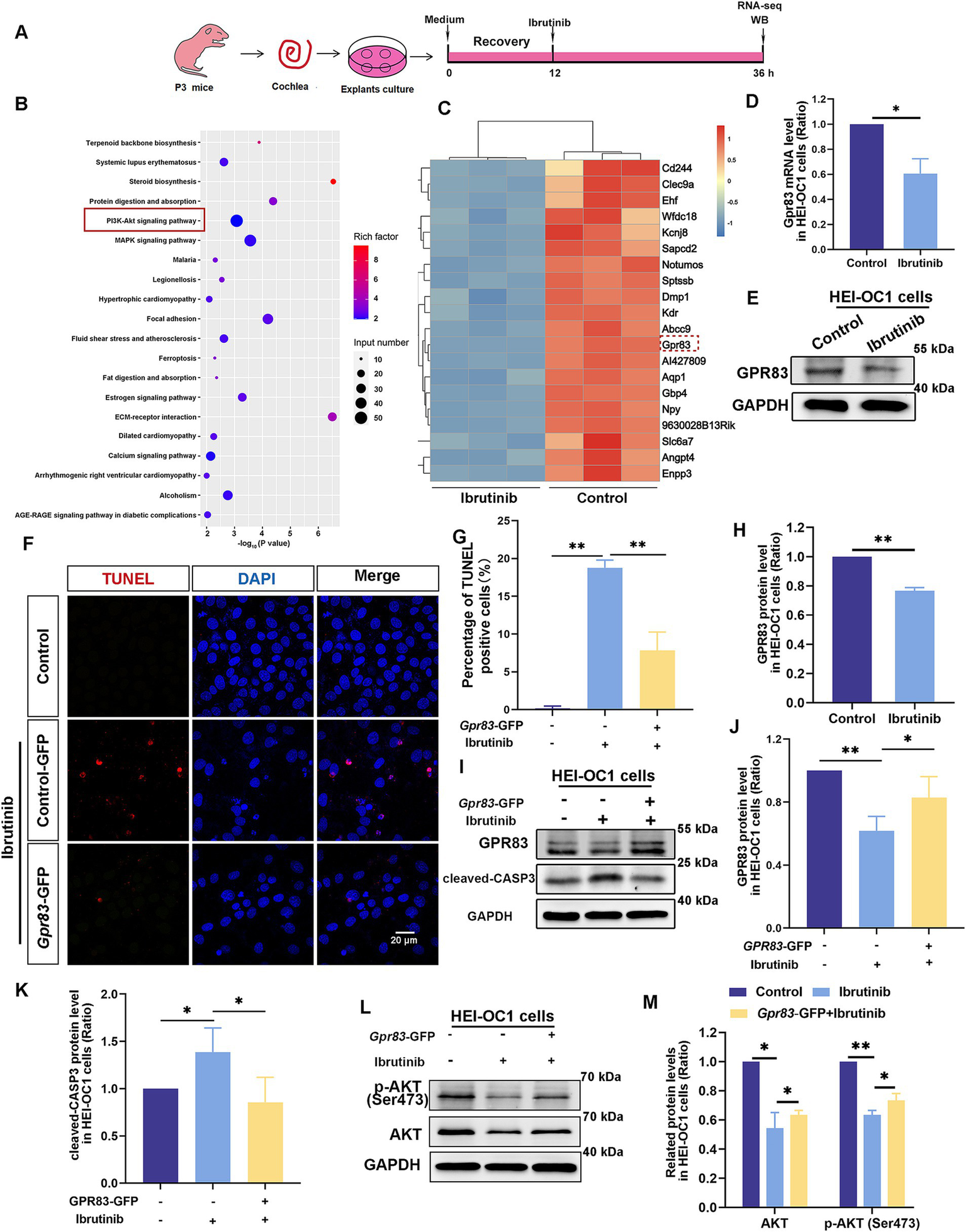
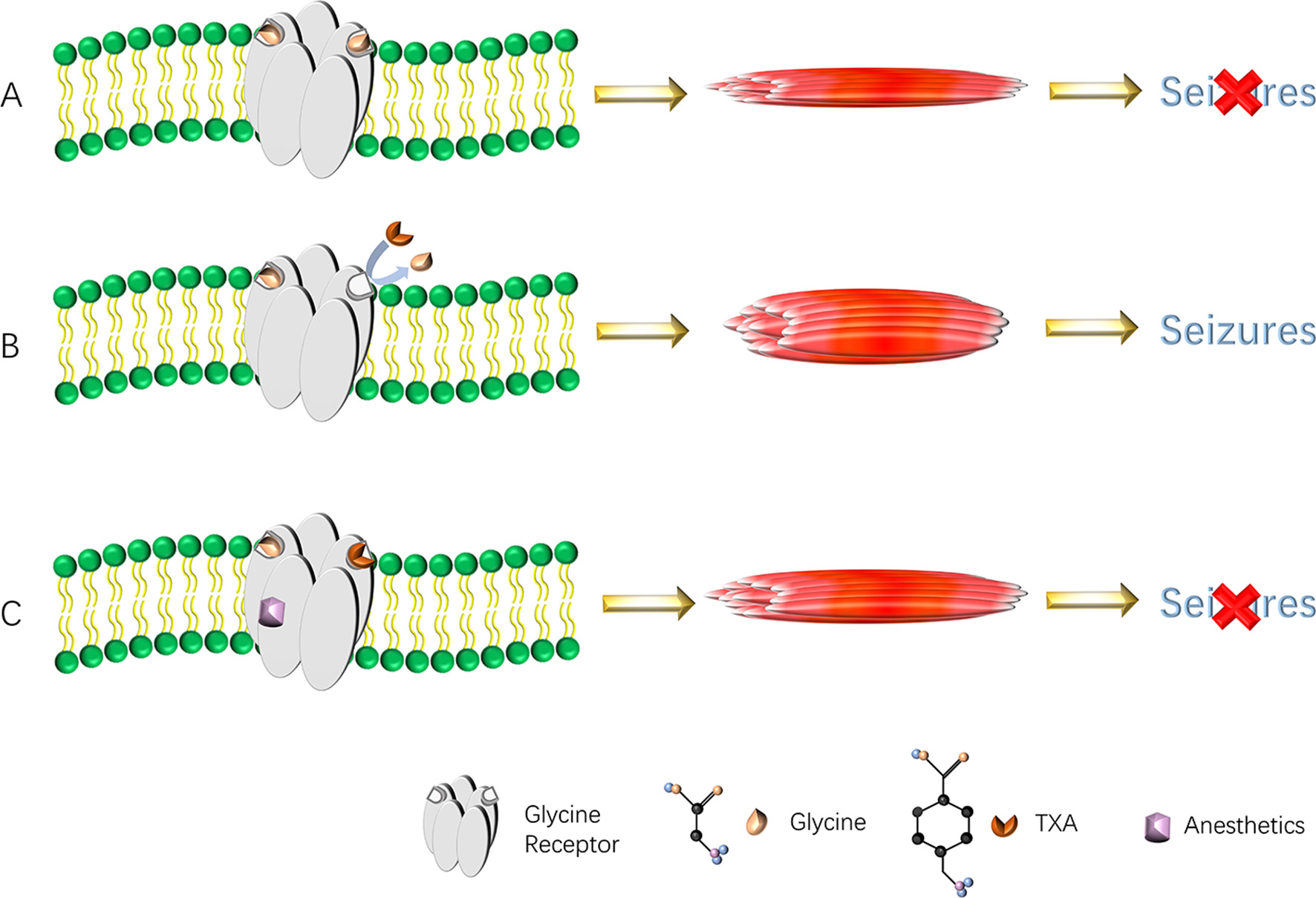
At the core of biologically relevant heterogeneity lies the molecular interaction between drugs and biological systems that drives diverse adverse events. Several studies in this collection provide a mechanistic dissection of adverse events, unravelling the complex causal chains between drug exposure and clinical manifestations. Zhang et al. revealed that ibrutinib induces hair apoptosis and hearing loss by inhibiting GPR83-AKT signalling. GPR83 overexpression activates AKT to protect hair cells, while the caspase inhibitor Z-VAD-FMK mitigates ototoxicity.These findings identify GPR83-AKT as a potential target for preventing chemotherapy-induced hearing loss (7).Rare events such as paroxetine-induced pancreatitis have been confirmed through involuntary rechallenge in the absence of conventional risk factors.Paroxetine may induce pancreatitis through multiple nonexclusive mechanisms.Elevated serotonin levels caused by SERT inhibition can impair β-cell function and disrupt insulin and exocrine secretion. Additionally, reactive catechol metabolites and individual genetic polymorphisms in CYP2D6/CYP2C19 may trigger T-cell-mediated hypersensitivity reactions, further contributing to pancreatic injury (8). Tranexamic acid (TXA) is a synthetic lysine analogue that inhibits fibrinolysis to reduce perioperative bleeding during posterior lumbar interbody fusion (PLIF). TXA reduces perioperative blood loss in PLIF primarily by inhibiting the fibrinolytic system, stabilizing fibrin clots, protecting coagulation components, and exerting beneficial anti-inflammatory actions without significantly increasing systemic thrombotic risk when used at appropriate doses (9).

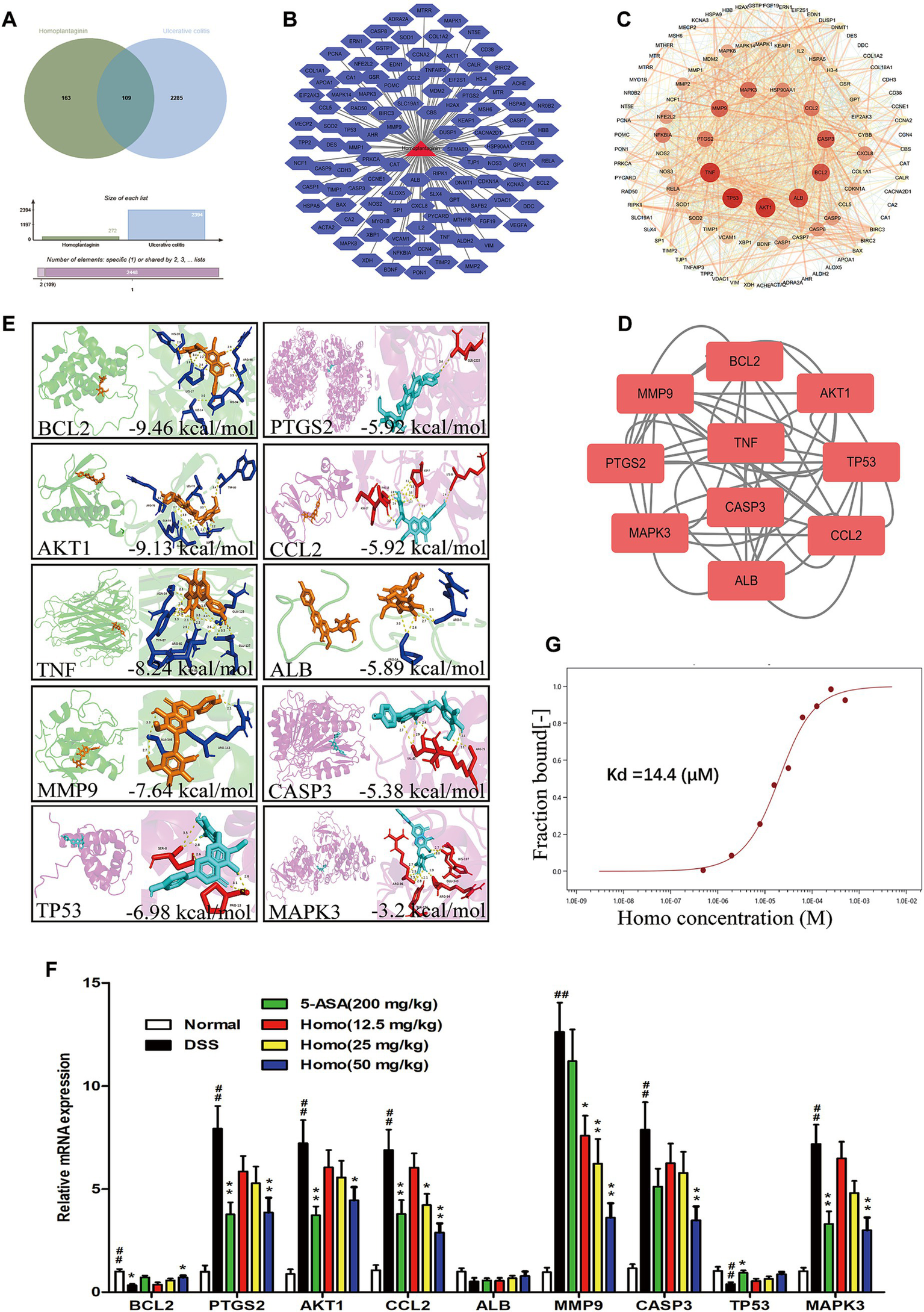
Several studies have demonstrated that natural compounds can simultaneously increase therapeutic efficacy and mitigate toxicity by modulating convergent signalling pathways involved in the immune response. Tao et al. demonstrated that cycloastragenol (CAG) inhibits the JAK/STAT5 signalling pathway, reducing the levels of the neutrophil chemotactic cytokines CXCL3 and CCL5, thereby limiting neutrophil infiltration into brain metastases and enhancing the efficacy of radiotherapy. Concurrently, CAG suppresses the IKK/NF-κB pathway, promotes microglia/macrophage polarization toward an anti-inflammatory phenotype, mitigates neuroinflammation, and protects brain function from radiation-induced injury (10). In addition, homoplantaginin alleviates DSS-induced ulcerative colitis in mice by modulating the MMP9-RLN2 signalling axis, reducing proinflammatory cytokines and immune cell infiltration while protecting the intestinal barrier (11). Similarly, Folium isatidis and its active ingredients mitigate COPD-related lung lesions by correcting aberrant immune cell infiltration, restoring immune homeostasis, and improving pulmonary function (12).

Evidence-based approaches provide the foundation for managing ADRs by identifying risk factors, quantifying incidence, and evaluating intervention efficacy.

1,056 views

1 citations

ORIGINAL RESEARCH
26 November 2025
Compare the prognosis of pancreatic cancer patients with different treatment modalities and use machine learning methods to build predictive models
Lingling Fan, 6 more and Weimin Wang

1,844 views

1 citations

ORIGINAL RESEARCH
3 November 2025
Development of a risk prediction model for gastrointestinal adverse events associated with semaglutide administration in patients with type 2 diabetes mellitus
Deyong Yue, 7 more and Guoliang Meng

3,459 views

2 citations

Prolonged adrenal suppression after osilodrostat discontinuation in a patient with Cushing’s disease with eventual hypercortisolism relapse: Case Report and literature review
Osilodrostat is a potent oral steroidogenesis inhibitor that is an effective medical therapy in the management of patients with endogenous Cushing syndrome. However, due to its high therapeutic potential, it is associated with a high risk of inducing adrenal insufficiency (AI). Recently, it has also been reported that patients may experience prolonged adrenal suppression during osilodrostat treatment that persists despite its withdrawal. In this paper, we present a male patient with persistent Cushing’s disease (CD) who experienced several episodes of AI during long-term treatment with osilodrostat. Ultimately, due to the patient’s very low dose of osilodrostat, it was decided to discontinue the therapy after 270 weeks in total. Following the cessation of osilodrostat, the patient commenced treatment with recombinant human growth hormone due to severe growth hormone deficiency, which revealed an underlying cortisol deficiency, likely caused by a prolonged adrenocortical blockage induced by osilodrostat, requiring the initiation of hydrocortisone replacement therapy. During and after the osilodrostat therapy, we additionally observed a low serum concentration of dehydroepiandrosterone sulfate (DHEA-S) despite elevated plasma adrenocorticotrophin. This finding suggested potential inhibition of adrenal steroidogenesis upstream of 11β-hydroxylase. A urine steroid profile performed 40 weeks after discontinuing osilodrostat showed reduced or borderline excretion of cortisol metabolites, as well as significantly decreased excretion of DHEA metabolites. Finally, 62 weeks after the last exposure to osilodrostat, the patient presented with clinical and biochemical features of relapse of hypercortisolemia, and osilodrostat was reintroduced. This case highlights the importance of close monitoring in patients treated with osilodrostat, as hypocortisolemia can arise suddenly and unexpectedly at any point during treatment, even in those on stable doses. Additionally, it indicates that osilodrostat has the potential to induce prolonged adrenal blockade, even after treatment has ceased. The unexpected persistence of adrenal suppression suggests unknown long-term effects of osilodrostat that require further investigation.

4,091 views

5 citations

ORIGINAL RESEARCH
11 September 2025
Safety assessment of gemtuzumab ozogamicin: real-world adverse event analysis based on the FDA Adverse Event Reporting System
Xuexue Liu, 9 more and Peipei Xu

3,201 views

2 citations

Application and research progress of tranexamic acid in the perioperative period of posterior lumbar interbody fusion
REVIEW
8 August 2025
Application and research progress of tranexamic acid in the perioperative period of posterior lumbar interbody fusion
Wei Dong, 7 more and Jun Zhao

2,485 views

7 citations

ORIGINAL RESEARCH
24 July 2025
Association between keratin 8 expression and immune-related pneumonitis: a case-control study in lung adenocarcinoma patients
Xuena Wang, 5 more and Yuhui Ma

2,593 views

1 citations

ORIGINAL RESEARCH
4 July 2025
The research on cycloastragenol in the treatment of brain metastases from lung cancer: mechanistic exploration of radiotherapy sensitization and amelioration of brain injury
Yanyan Tao, 11 more and Fangtian Fan

4,566 views

2 citations

Homoplantaginin inhibits the progression of ulcerative colitis in mice by regulating the MMP9-RLN2 signaling axis
ORIGINAL RESEARCH
2 June 2025
Homoplantaginin inhibits the progression of ulcerative colitis in mice by regulating the MMP9-RLN2 signaling axis
Yu Tao, 8 more and Fangtian Fan
IntroductionUlcerative colitis (UC) is a chronic inflammatory bowel disease characterized by colonic mucosal inflammation and ulceration. This study investigates the therapeutic effects of homoplantaginin (Homo), a flavonoid derived from Salvia plebeia R. Brown, on dextran sulfate sodium (DSS)-induced colitis in mice, as well as its underlying mechanisms of action.MethodsIn this study, a mouse colitis model was established using DSS to assess the remission effect of Homo on colitis mice. Quantitative reverse transcription PCR (qRT-PCR) was employed to investigate the impact of Homo on intestinal mucosal barrier and pro-inflammatory cytokines in mice. The possible target genes of Homo were analyzed and screened using bioinformatics and molecular docking approaches. Microscale Thermophoresis (MST) technique was employed to examine the binding interaction between Homo and its target gene, matrix metalloproteinase 9 (MMP9). Finally, the combination of Homo and MMP9 inhibitors was utilized to verify whether Homo alleviates DSS-mediated colitis in mice through modulation of MMP9.ResultsHomo (50 mg/kg) significantly alleviated colitis symptoms, lowered myeloperoxidase (MPO) activity, and improved histopathological outcomes. qRT-PCR analysis revealed that Homo inhibited the expression of pro-inflammatory cytokines (TNF-α, IL-1β, IL-6 and IFN-γ) and related molecules, highlighting its anti-inflammatory properties. Additionally, Homo strengthened the intestinal mucosal barrier by regulating barrier protein expression. Bioinformatics analysis identified that MMP9 as a potential target of Homo, while molecular docking and MST analysis revealed a dose-dependent inhibition of MMP9. Moreover, the MMP9/Relaxin 2 (RLN2) signaling pathway was implicated in Homo’s effects, as evidenced by the upregulation of RLN2 mRNA upregulation and its interaction with MMP9. The combination of the MMP9 inhibitor IN-1 with Homo demonstrated no synergistic effect, it confirmed the role of the MMP9-RLN2 axis in colitis modulation.ConclusionHomo demonstrates significant potential in alleviating colitis through targeting the MMP9-RLN2 signaling pathway, warranting further clinical investigation in UC treatment.

2,433 views

5 citations

GPR83 protects cochlear hair cells against ibrutinib-induced hearing loss through AKT signaling pathways
ORIGINAL RESEARCH
3 April 2025
GPR83 protects cochlear hair cells against ibrutinib-induced hearing loss through AKT signaling pathways
Yuhua Zhang, 8 more and Jianming Yang
IntroductionIbrutinib, widely used in leukemia treatment, has been implicated in sensorineural hearing loss; however, its underlying mechanisms remain unclear.MethodsThis study investigated the impact of ibrutinib on hearing using HEI-OC1 cells, cochlear explants and C57BL/6 J mice. We used RNA-sequences analysis to investigate the potential mechanisms of ibrutinib-induced ototoxicity. Mice received ibrutinib and auditory thresholds were assessed via auditory brainstem response testing; to assess the potential protective effects, we co-administered the caspase inhibitor Z-Val-Ala-Asp (OMe)-fluoromethylketone (Z-VAD-FMK) and monitored hearing.ResultsZ-VAD-FMK mitigated ibrutinib-induced hearing loss by inhibiting apoptosis in auditory cells. Ibrutinib exposure resulted in cochlear hair cell (HC) damage and subsequent hearing loss by inhibiting the protein kinase B and G protein-coupled receptor 83 (GPR83) pathways. RNA sequencing suggested that GPR83 protects HCs by modulating autophagy. Z-VAD-FMK application and GPR83 overexpression attenuated ibrutinib-induced cochlear HC apoptosis and auditory decline.ConclusionThese findings confirm ibrutinib’s ototoxicity and highlight the protective role of GPR83 in ibrutinib-induced hearing loss, supporting future clinical investigations into Z-VAD-FMK and GPR83 as interventions for ibrutinib or other chemotherapeutic drug-induced ototoxicity.

3,408 views

3 citations

ORIGINAL RESEARCH
23 April 2025
Analysis and prediction of immune cell infiltration characteristics in COPD: Folium isatidis and its active ingredients are able to combat lung lesions caused by COPD by correcting immune cell infiltration
Faqin Wang, 4 more and Huiqin Xu

3,426 views

1 citations