
1,378 views
OPINION
8 May 2026
Gökçe Özkarar-Gradwohl and Oliver Hugh Turnbull
2,062 views
ORIGINAL RESEARCH
23 April 2026
Meingold Hiu-ming Chan, 3 more and Shagufa Kapadia
5 Authors
- MH
Meingold Hiu-ming Chan
Department of Human Development and Family Science, Purdue University, United States
- TK
Tripti Kathuria
Department of Human Development and Family Studies, The Maharaja Sayajirao University of Baroda, India
- WF
Wolfgang Friedlmeier
Psychology Department, Grand Valley State University, United States
- XF
Xin Feng
Department of Human Sciences, The Ohio State University, United States
- SK
Shagufa Kapadia
Department of Human Development and Family Studies, The Maharaja Sayajirao University of Baroda, India
2,312 views
1 citations
REVIEW
23 September 2025
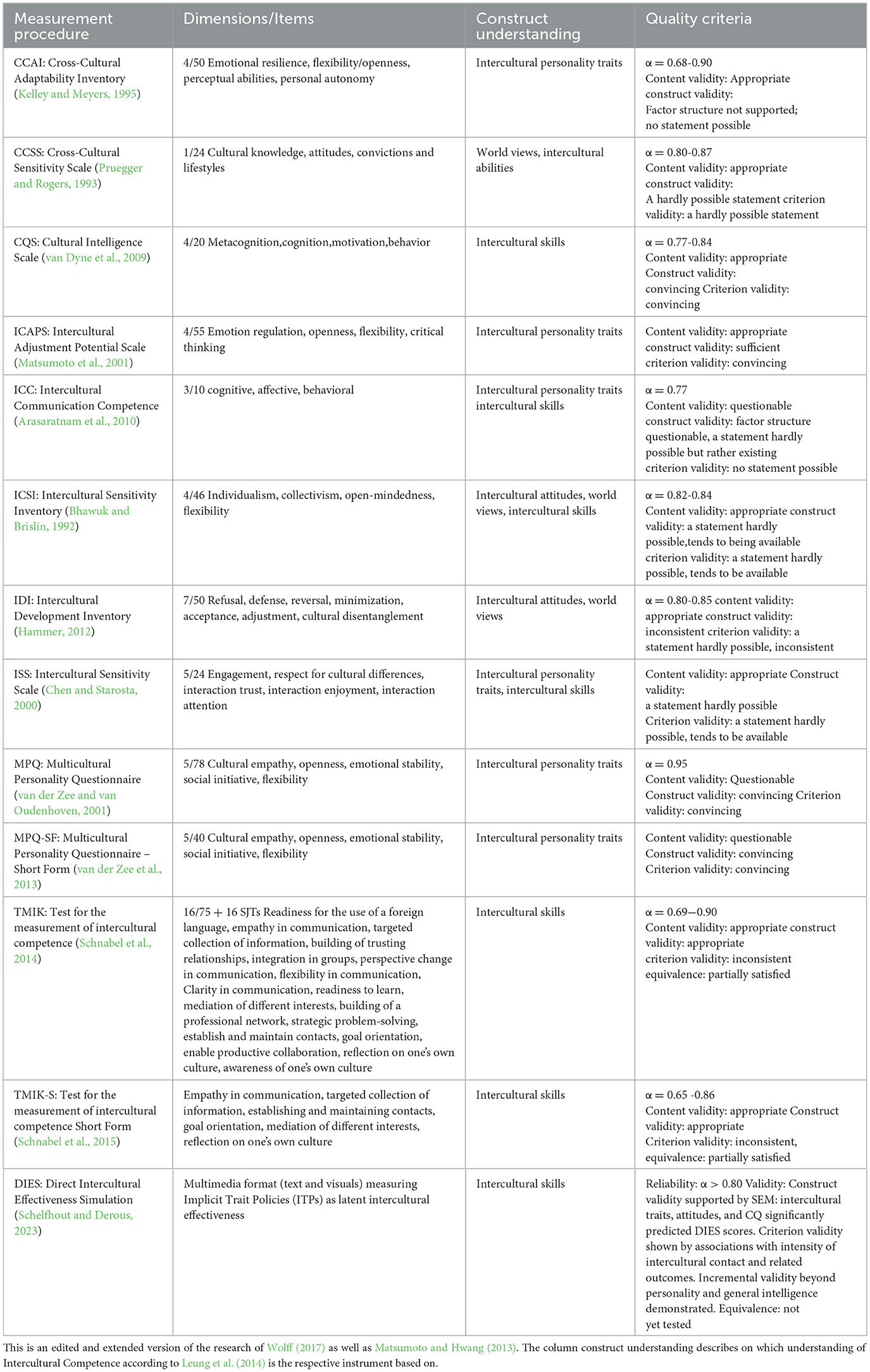
Intercultural Competence is a key factor in ensuring successful interaction between individuals from different cultural backgrounds, particularly in increasingly diverse and globalized societies. Despite its relevance, there is still no consensus on its definition, modeling, or measurement, especially from a psychological perspective. This paper provides a comprehensive review of the theoretical foundations of intercultural competence, including anthropological and psychological definitions of culture, interculturality, and competence. Central psychological models, such as the identity, learning theory, and stress approaches, are introduced as frameworks for understanding the development of intercultural competence. In addition, the paper analyses the conceptual distinctions between competence, personality, and intelligence and discusses their implications for the empirical assessment of intercultural competence. Various existing models and measurement instruments are evaluated in terms of validity, reliability, and cross-cultural applicability. Building on these insights, the paper presents Cult-Euro-1, the first standardized, psychometrically validated test designed to assess both general and German culture-specific intercultural competence. This modular, multi-methodological instrument addresses key conceptual and methodological gaps in the field. The test's practical applications in human resources, education, and social integration are discussed, with an emphasis on its potential to foster intercultural understanding, reduce discrimination, and enhance the participation of migrants in German society.