Empowering Cancer Care: The Power of Nutrition and Fitness from Prevention to Recovery

Cover image for Research Topic "Empowering Cancer Care: The Power of Nutrition and Fitness from Prevention to Recovery"
67kviews
Editorial14 August 2026
Editorial: Empowering cancer care: the power of nutrition and fitness from prevention to recovery

the preservation of functional capacity, metabolic stability, and overall quality of life. Indeed, quality of life has emerged as a paramount outcome in contemporary oncology, particularly as early detection and therapeutic innovations increasingly transform cancer into a manageable chronic disease. Mental health is also linked to physical well-being; yet, psychological support and lifestyle modifications remain vastly underutilized in standard cancer care. Understanding and optimizing the intricate interplay between diet, exercise, and psychological resilience-and how these factors modulate biological cancer pathways-is essential for empowering the general population, patients, and healthcare professionals alike. This Research Topic, "Empowering Cancer Care: The Power of Nutrition and Fitness from Prevention to Recovery," brings together 20 pivotal contributions that bridge the gap between lifestyle habits, cancer risk, and survival. Spanning a diverse spectrum-from large-scale epidemiological data associating daily habits with malignancy risk, to precise pre-treatment clinical assessments, to the implementation of innovative interventions in both hospital and homebased environments-this collection illuminates the profound impact of nutritional and physical care across the entire cancer continuum. Moving from molecular mechanisms to digital home-care platforms and trimodal prehabilitation, these articles highlight a critical truth: optimal modern oncology requires the timely and systematic integration of lifestyle interventions.

The foundation of empowering cancer care begins before diagnosis. Large-scale epidemiological studies within this collection demonstrate that dietary quality is a potent, modifiable risk factor in cancer prevention. Utilizing data from over 101,000 adults in the PLCO Cancer Screening Trial, [Feng D. et al.2025] demonstrated that adherence to a diet with high protein quality significantly reduces both the incidence and mortality of colorectal cancer (CRC). Expanding on this within the same massive cohort, the authors [Feng D. et al. 2026] further revealed that a high Macronutrient Quality Index (MQI)-accounting for the holistic quality of carbohydrates, fats, and proteinsyields a 22% lower incidence and a 38% lower mortality from CRC, with a remarkable 36% incidence reduction specifically for distal colon cancer. Globally, the systemic impact of dietary patterns remains substantial; [Tian Q. et al. 2025] utilized Global Burden of Disease (GBD) data from 204 countries over 30 years to highlight that despite a 2.26% annual decline in age-standardized mortality, the burden of gastric cancer attributable to high-sodium diets remains a critical public health challenge, particularly in transitioning economies. Beyond specific nutrients, baseline body composition serves as a vital predictive tool. A systematic review of over 1.5 million participants by [Liu H. et al. 2025] investigated the "A Body Shape Index" (ABSI), revealing that each one-standard-deviation increase in ABSI corresponds to an 8% increase in overall CRC risk, serving as a highly specific supplementary screening tool for central adiposity.When transitioning from prevention to clinical treatment, baseline nutritional screening becomes a critical determinant of therapeutic tolerance. In a retrospective analysis of 142 acute myeloid leukemia patients, [Guo W. et al., 2025] found that a pre-transplant Body Mass Index (BMI) of less than 24 kg/m² acts as an independent risk factor for inferior overall survival (HR=1.80).Interestingly, for high-risk patients, low BMI caused 3-year survival rates to plummet from 57.69% to just 20.87%. Similarly, [Xu P. et al. 2026] successfully developed and validated a nomogram in 302 patients incorporating the Controlling Nutritional Status (CONUT) score, which outperformed existing tools (AUC 0.815 vs. 0.706) to precisely predict prolonged hematological toxicity following CAR-T cell therapy. To standardize how we measure these complex variables, [Chen J. et al. 2026] developed a highly reliable 43-item predictive model in a 300-patient cohort based on the International Classification of Functioning, Disability, and Health (ICF), offering clinicians a robust tool to evaluate multidimensional nutrition-associated health levels.To effectively intervene, we must understand the biological mechanisms linking physical decline to cancer progression. A prospective pilot study of 43 CRC patients by [Perillo F. et al. 2026] revealed that preoperative malnutrition is directly associated with suppressed intratumoral T-cell function, increased neutrophil infiltration, and a distinct, dysbiotic tumor-associated microbiota.Complementing this, a comprehensive review by [Liu G. et al. 2025] explored the dietmicrobiome-immune axis in prostate cancer, illustrating how plant-based diets foster antiinflammatory microbial profiles, whereas Western diets drive the dysbiosis and metabolite production that fuel tumorigenesis.

Remarkably, physical rehabilitation appears to exert similar microenvironmental influence. A narrative review by [Chen X. et al. 2026] synthesized compelling preclinical and clinical evidence that rehabilitation interventions (including exercise therapy, physical agent modalities, occupational therapy, and mental health support) do not merely improve strength, but actively impede cancer metastasis by modulating the immune system, reducing chronic inflammation, and altering the tumor microenvironment.Sarcopenia has emerged as a significant prognostic factor in patients with cancer; therefore, One of the most debated topics in contemporary cancer care is the concept of prehabilitation. Its potential clinical value is highlighted by the study of [Deng R. et al. 2026] who implemented a 4week trimodal prehabilitation program in 97 patients with stage IV triple-negative breast cancer.Their intervention significantly improved patients' quality of life and reduced anxiety.Interestingly, it was also associated with longer progression-free survival compared with the control group (298 vs. 235 days).However, intervention success relies heavily on patient engagement. A latent profile analysis of 570 oncology patients by [Meng Q. et al. 2026] identified that 14.6% of patients fell into a "High Fatigue-Low Nutritional Awareness" profile, highlighting the need for concurrent psychological and educational support during therapy.

As patients transition from acute care to survivorship, continuity of care becomes increasingly important. Modern oncology must extend beyond the hospital walls. Reflecting this shift, [Wang S. et al. 2026] implemented a "Hospital-to-Home" (H2H) nutrition management model for 100 patients with gastrointestinal cancer undergoing chemotherapy. The intervention significantly increased serum albumin levels (+2.7 g/L) and CD4+ immune cell counts while reducing the incidence of adverse reactions from 20.0% to 4.0%.Digital health technologies can further strengthen this continuum of care. [Yao C. et al. 2025] developed a remote exercise management platform tailored for colorectal cancer (CRC) patients with intestinal stomas, achieving an excellent System Usability Scale score of 88.39 among 62 participants. Nevertheless, the human element remains central. [Liao H. et al. 2025] qualitatively explored the experiences of 13 post-esophagectomy patients and 15 caregivers managing home enteral nutrition, highlighting the critical need for improved health literacy and stronger community-based support.Physical and psychological rehabilitation are intrinsically linked in survivorship. For postmastectomy patients, [Elsherbini D et al. 2026] demonstrated that integrating Kinesio-taping with standard chest physiotherapy significantly reduces visual analogue pain scores (3.97 vs. 6.50) while enhancing forced vital capacity. Meanwhile, tracking 50 postoperative breast cancer patients, [Fei Y. et al. 2026] utilized path analysis to reveal that functional exercise compliance is a critical protective factor against the fear of cancer recurrence. Broadening the scope of "fitness" to encompass mental resilience, a meta-analysis of 47 RCTs involving 4,537 patients by [Li L. et al. 2025] confirmed that mind-body exercises (like yoga and mindfulness) effectively alleviate anxiety, depression, and fatigue, while concurrently reducing systemic inflammatory markers like IL-6.

The culmination of this Research Topic reflects a broader evolution in oncological sciences. A comprehensive bibliometric analysis of 2,887 publications by [Gao X. et al. 2026]

1,019 views

ORIGINAL RESEARCH
28 May 2026
Preoperative malnutrition is associated with suppressed intratumoral T cell function and distinct tumor-associated microbiota in colorectal cancer: a prospective pilot study
Federica Perillo, 11 more and Federica Facciotti

1,404 views

SYSTEMATIC REVIEW
15 May 2026
From malnutrition to multimodal care: a bibliometric and knowledge mapping analysis of frailty research in cancer
Xiaoxia Gao, 2 more and Mengjing Xu

2,044 views

ORIGINAL RESEARCH
23 February 2026
Construction and validation of a nutritional status (CONUT)-based nomogram for predicting prolonged hematological toxicity in relapsed/refractory multiple myeloma after CAR-T cell therapy
Peng Xu, 7 more and Qing-Yun Wu

1,113 views

2 citations

ORIGINAL RESEARCH
11 March 2026
Functional exercise, fear of recurrence, and sleep quality: a longitudinal path analysis of quality of life in postoperative breast cancer patients
Yujie Fei, 5 more and Haiping Xu

1,704 views

1 citations

ORIGINAL RESEARCH
31 March 2026
Effects of whole cycle nutrition management based on “Hospital to Home (H2H)” model on nutritional status and immune function of patients with gastrointestinal tumor chemotherapy
Shan Wang, 2 more and Wenrui Suo

1,519 views

ORIGINAL RESEARCH
1 May 2026
Effects of trimodal prehabilitation on quality of life and negative emotions in patients with advanced triple-negative breast cancer
Rudan Deng, 5 more and Yang Yu

1,379 views

Cancer treatment fatigue and nutritional awareness in cancer patients: a latent profile analysis and predictors
ORIGINAL RESEARCH
26 January 2026
Cancer treatment fatigue and nutritional awareness in cancer patients: a latent profile analysis and predictors
Qinhong Meng, 3 more and Haojun Miao

2,458 views

3 citations

CLINICAL TRIAL
22 January 2026
Efficacy of combined Kinesio-taping with chest physiotherapy program on pain, pulmonary function, respiratory muscle strength and quality of life after mastectomy: a randomized controlled trial
Dalia Mahmoud Abdelmonem Elsherbini, 8 more and Mohamed A. Eladl

2,485 views

1 citations

Sarcopenia interventions targeted at improving muscle health in adults with cancer: a systematic review and meta-analysis
SYSTEMATIC REVIEW
5 January 2026
Sarcopenia interventions targeted at improving muscle health in adults with cancer: a systematic review and meta-analysis
Yuan Zhao, 7 more and Xiuqin Feng
BackgroundWhile evidence is still evolving, sarcopenia interventions show promise as supplemental treatments to mitigate cancer-related muscle loss. It is critical to distinguish this condition from age-related sarcopenia, as cancer-related muscle wasting is driven by an accelerated, multifactorial pathophysiology involving tumor-derived factors, systemic inflammation, and cancer treatments.ObjectivesWe aim to ascertain whether sarcopenia interventions are linked to improvements in muscle health among adults with cancer.MethodsWe searched seven databases from 2010 to November 2, 2025. Randomized clinical trials (RCTs) examining the relationship between sarcopenia interventions and at least one of the muscle health indicators (muscle mass, strength, physical performance) were included. We used the Cochrane Risk of Bias Tool 2 Checklist to assess the quality of the evidence. Subgroup analyses were conducted based on intervention type (exercise-only, nutrition-only, multi-component). Additionally, we performed sensitivity analyses and comprehensive publication bias assessments (Egger’s test, funnel plots, and the trim-and-fill method).ResultsFifty-nine RCTs were included. Meta-analysis showed that sarcopenia interventions were associated with statistically significant improvements in muscle mass (SMD = 0.25; 95% CI, 0.18 to 0.32), muscle strength (SMD = 0.21; 95% CI, 0.15 to 0.26), and some measures of physical performance (6-MWD: SMD = 0.28; 95% CI, 0.15 to 0.42; 30 s sit-to-stand test: SMD = 0.57; 95% CI, 0.35 to 0.78). However, interventions did not significantly improve physical performance measured by SPPB scores (SMD = 0.12; 95% CI, −0.01 to 0.26) or the 5 times chair stand test (SMD = 0.02; 95% CI, −0.15 to 0.18). Subgroup analyses suggested multi-component interventions were most beneficial for muscle mass. Publication bias was detected for some outcomes, but trim-and-fill analyses confirmed the robustness of the overall conclusions for muscle strength and physical performance.ConclusionSarcopenia interventions, particularly multi-component approaches, are associated with statistically significant, though modest, improvements in muscle health in adults with cancer. The clinical relevance of these improvements warrants further investigation. Healthcare professionals should consider integrating these interventions into care plans. Future research should focus on standardizing outcome measurements and optimizing intervention protocols to enhance clinical relevance and impact on quality of life.Systematic review registrationhttps://www.crd.york.ac.uk/PROSPERO/, Identifier CRD420250652843.

5,080 views

4 citations

ORIGINAL RESEARCH
12 January 2026
Macronutrient quality and colorectal cancer outcomes: evidence from the PLCO screening trial
Dazhan Feng, 9 more and Qian Liu

1,983 views

Prostate cancer (PCa) progression is driven by a complex interplay of factors, including genetics, lifestyle, and environmental influences. Diet and gut microbiota have emerged as pivotal cancer development and treatment response modulators. This review delves into the intricate relationship between dietary modifications and gut microbiota, and their combined impact on PCa progression. Diets abundant in plant-based foods, fiber, and prebiotics promote beneficial gut microbiota profiles that support anti-inflammatory and anti-carcinogenic processes. In contrast, the Western dietary pattern, characterized by high levels of saturated fats and processed foods, may lead to dysbiosis, fostering pro-inflammatory conditions and the production of metabolites that enhance tumorigenesis. The gut microbiota influences the behavior of PCa through immune modulation, metabolic by-products, and interactions with systemic therapies. Emerging evidence, primarily derived from preclinical models or studies in non-PCa contexts, suggests that diet and gut microbiota may influence the development and progression of PCa. However, further PCa-specific clinical research is needed to validate these associations. Future research should prioritize the development of precise dietary recommendations and microbiota-targeted therapies that can be seamlessly incorporated into clinical practice for more personalized and effective cancer care.

3,101 views

3 citations

ORIGINAL RESEARCH
11 December 2025
Global burden, trends, and inequalities of gastric cancer attributable to high-sodium diets: a 30-year analysis and projections based on the global burden of disease 2021 study
Qiangqiang Tian, 4 more and Zhaofeng Chen

2,510 views

1 citations

The impact of mind–body exercise on female breast cancer patients—a systematic review and meta-analysis of randomized controlled trials
SYSTEMATIC REVIEW
27 October 2025
The impact of mind–body exercise on female breast cancer patients—a systematic review and meta-analysis of randomized controlled trials
Lei Li, 2 more and Yang Liu
ObjectiveTo evaluate the effects of mind–body exercise on breast cancer patients.MethodsA systematic search was conducted in the Cochrane Library, Embase, PubMed, Ovid, and Web of Science databases from inception to October 23, 2024, for randomized controlled trials (RCTs) assessing the effects of mind–body exercise on breast cancer patients. Inclusion criteria were: intervention group receiving mind–body exercises such as mindfulness or yoga; control group receiving standard care; participants aged ≥18 years with breast cancer; and outcomes including anxiety, fear of cancer recurrence (FCR), fatigue, IL-6, and 7 other indicators. Two reviewers independently screened the literature and extracted data. After assessing the methodological quality of the included studies using the Cochrane Risk of Bias tool, meta-analysis was conducted using RevMan 5.4 and Stata 15.0 software.ResultsA total of 47 RCTs involving 4,537 breast cancer patients were included. Meta-analysis results showed that compared to standard care, mind–body exercise significantly improved anxiety (SMD = −0.50, 95% CI [−0.73, −0.27], p < 0.0001), depression (SMD = −0.43, 95% CI [−0.60, −0.26], p < 0.00001), insomnia (SMD = −0.40, 95% CI [−0.72, −0.07], p = 0.02), fatigue (SMD = −0.52, 95% CI [−0.72, −0.31], p < 0.00001), and FCR (SMD = −0.51, 95% CI [−0.88, −0.14], p = 0.007). Furthermore, it significantly reduced perceived stress (SMD = −0.65, 95% CI [−1.11, −0.20], p = 0.005), lowered IL-6 levels (SMD = −0.30, 95% CI [−0.56, −0.03], p = 0.03), and improved overall quality of life (SMD = 0.67, 95% CI [0.39, 0.95], p < 0.00001). Sensitivity analyses indicated that the pooled effect sizes were stable.ConclusionMind–body exercises can effectively alleviate anxiety, depression, and fatigue in breast cancer patients, and appear beneficial in reducing FCR. Although pooled analyses also demonstrated statistically significant improvements in perceived stress, insomnia, quality of life, and IL-6 concentrations, the strength of the current evidence is limited, and the results should be interpreted with caution.Systematic review registrationThis systematic review was registered in PROSPERO under the registration number CRD42024568483. The registration details are available at: https://www.crd.york.ac.uk/PROSPERO/view/CRD42024568483.

4,998 views

3 citations

Adherence to the diet with higher protein quality reduces the risk of colorectal cancer: results from a population-based prospective study
ORIGINAL RESEARCH
1 October 2025
Adherence to the diet with higher protein quality reduces the risk of colorectal cancer: results from a population-based prospective study
Dazhan Feng, 8 more and Dengliang Liu

4,992 views

1 citations

SYSTEMATIC REVIEW
24 September 2025
The predictive value of a body shape index as a novel obesity metric for cancer risk: a systematic review and meta-analysis
Hui Liu, 8 more and Wei Liu
The predictive value of a body shape index as a novel obesity metric for cancer risk: a systematic review and meta-analysis
BackgroundThe A Body Shape Index (ABSI), a metric assessing visceral adiposity distribution by integrating height, weight, and waist circumference (WC), remains a subject of debate regarding its predictive value for diverse cancer risks. This study aims to assess the predictive capacity of ABSI for cancer utilizing systematic review and meta-analysis methodologies, contrasting its performance against conventional anthropometric indices such as body mass index (BMI) and WC.MethodsA comprehensive search of PubMed, Web of Science, and Embase databases was performed from inception through April 27, 2025, to identify observational studies examining associations between ABSI and cancer. Random-effects or fixed-effects models were employed to calculate pooled hazard ratio (HR), odds ratio (OR), and area under the receiver operating characteristic curve (AUC) metrics with corresponding 95% confidence interval (CI), selected according to heterogeneity thresholds. Furthermore, heterogeneity and publication bias were also assessed.ResultsThis study included 10 studies (7 cohort studies and 3 cross-sectional studies) with a total sample size of 1,520,762 participants. Results indicated that each one-standard-deviation increase in ABSI was associated with an 8% increase in overall colorectal cancer (CRC) risk, with a significant 13% increase in men and a 6% increase in women. In terms of predictive efficacy, ABSI (pooled AUC = 0.66) outperformed other anthropometric indicators, though in men, each one-standard-deviation increase in ABSI was associated with a significantly lower risk increase by 7% compared to WC. Additionally, no significant association was found between ABSI and the risk of prostate or breast cancer.ConclusionABSI demonstrates remarkable specificity for specific cancer types in cancer risk prediction. It independently predicts CRC risk, particularly in identifying high-risk male populations with central adiposity, serving as a beneficial supplementary tool to WC rather than a substitute. Available evidence does not support the routine application of ABSI for predicting prostate or breast cancer risks. Future studies with larger and more diverse samples are necessary to further verify the effectiveness of ABSI and strengthen its evidential basis.Systematic review registrationhttps://www.crd.york.ac.uk/PROSPERO/view/CRD420251047230.

3,819 views

4 citations

Focusing on the process: experiences and needs of Chinese post-esophagectomy patients and caregivers regarding home enteral nutrition
ORIGINAL RESEARCH
24 July 2025
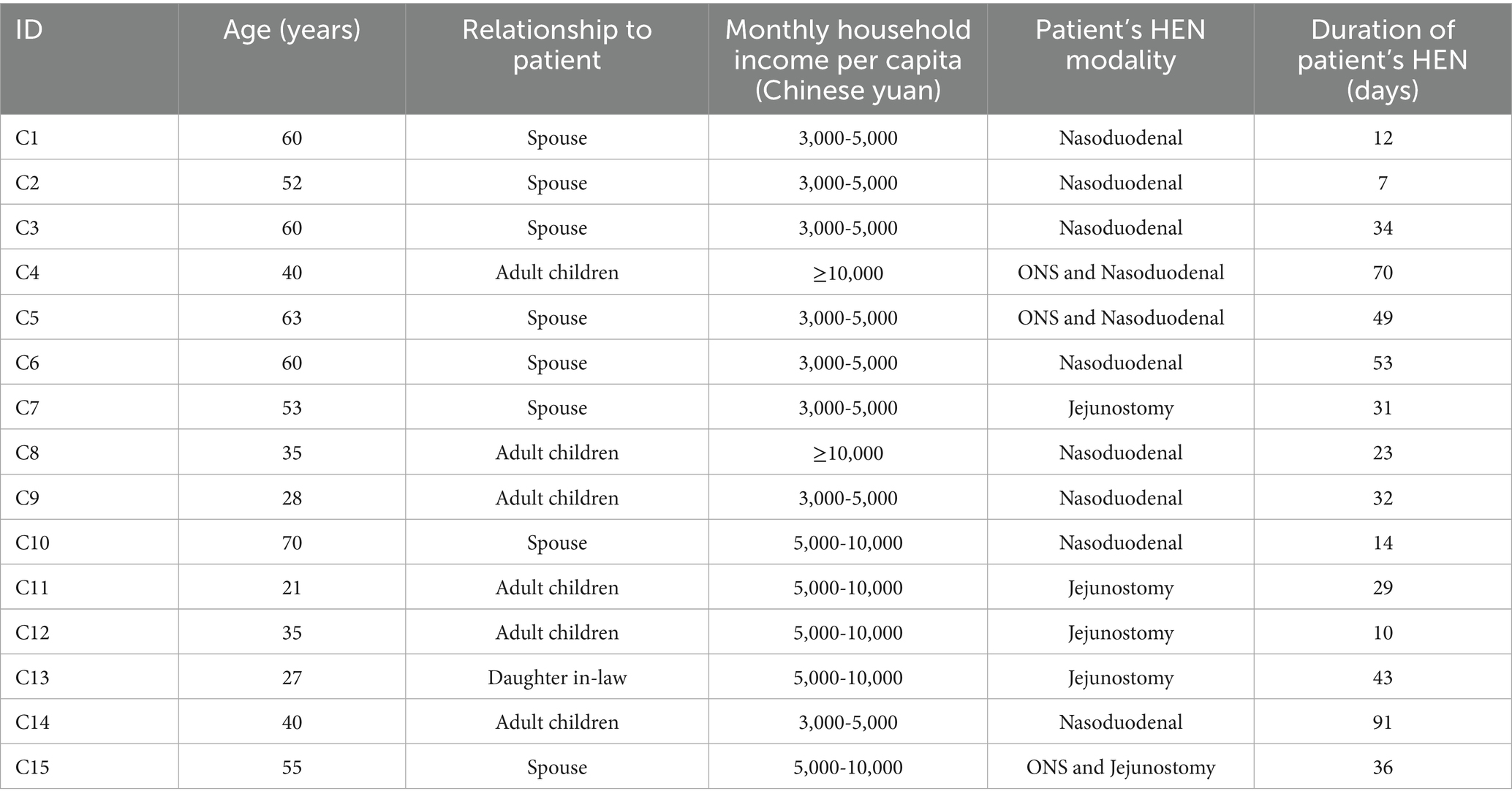
Focusing on the process: experiences and needs of Chinese post-esophagectomy patients and caregivers regarding home enteral nutrition
Huiyan Liao, 5 more and Mei Li

4,003 views

4 citations

ORIGINAL RESEARCH
6 August 2025
Need-based remote exercise management platform for colorectal cancer patients with intestinal stoma: design and pilot usability evaluation
Cui Yao, 2 more and Yueming Sun

2,753 views