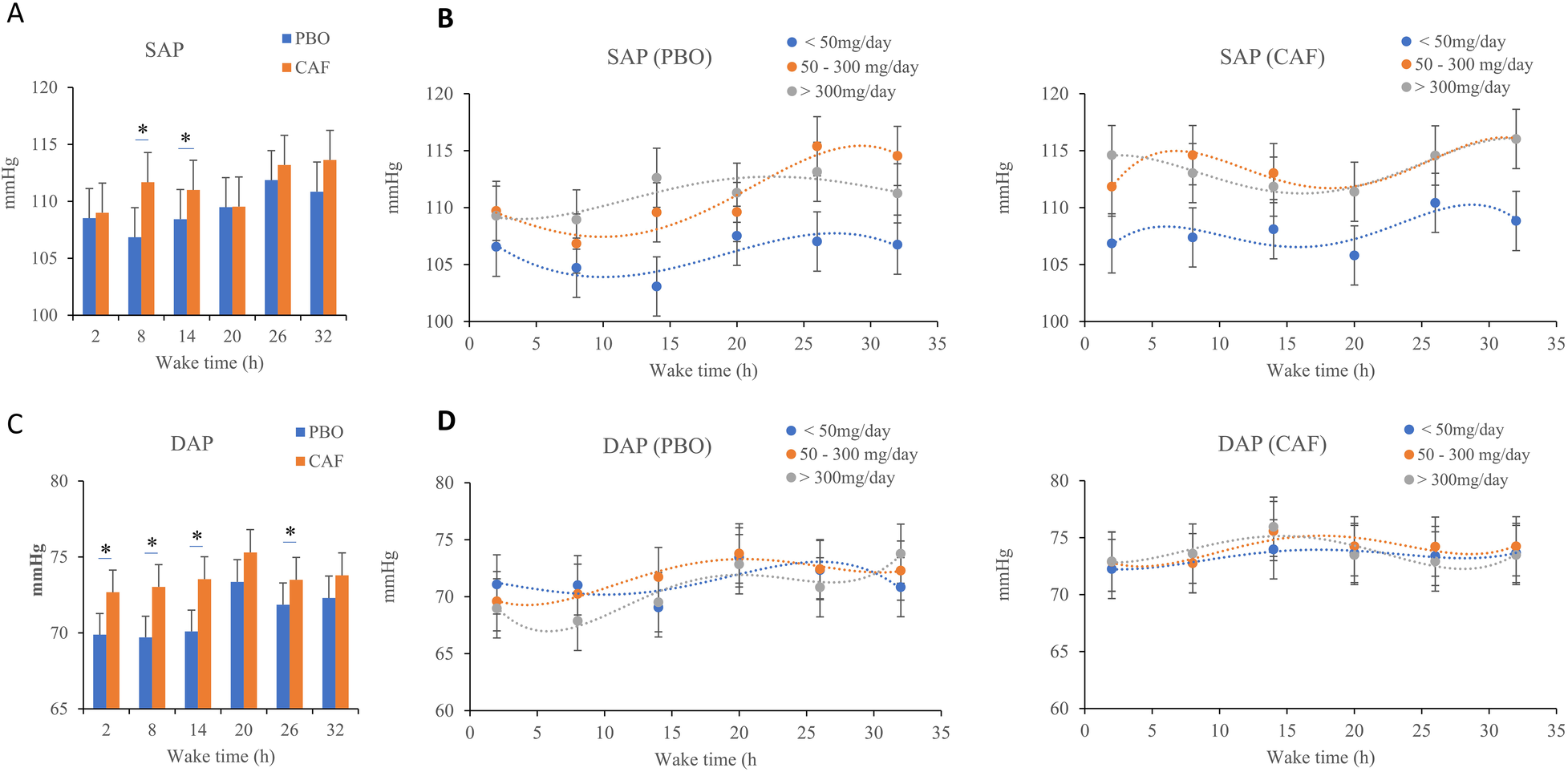
Cardiovascular disease is the leading cause of morbidity and mortality worldwide 1 and its prevalence increases with population aging. Coronary heart disease (CHD) has ranked first in disease burden despite substantial advances in pharmacotherapy, interventional cardiology, and preventive medicine. Major risk factors for CHD include age, sex, family history, hypercholesterolemia, hypertension, diabetes, obesity, and lifestyle. Pathologically, metabolism disorder and dysregulated renin-angiotensinaldosterone system and autonomous nervous system contribute to the development of CHD. Inflammation, a convergent response of various risk factors, is involved in all stages of CHD pathogenesis, including atherosclerosis, unstable angina, myocardial infarction, cardiac remodeling, and heart failure 2,3 . Development of new treatments, particularly those that target residual risk beyond cholesterol-lowering, has been of substantial interest recently. These include clinical development of anti-inflammatory modalities, including blockers of interleukin 1β 4 and interleukin-6 5 , and colchicine 6,7 , which is the only approved drug for CHD, but with efficacy concerns 7 . Others include triglyceride lowering agents 8 , and lipoprotein (a) lowering agents 9 . Recent discovery of sodium-glucose cotransporter 2 inhibitors 10,11 and glucagon-like peptide-1 (GLP1) agonists 12,13 for cardiovascular benefits in diabetes patients fuels clinical endeavor of exploring these diabetes drugs for further cardiovascular benefits in non-diabetic patients. Meanwhile, advances in biomarker science, multimodality imaging, and systems biology are enabling investigators to target new mechanisms and those previously difficult to quantify, while allowing risk stratification and personalized treatment to improve cardiovascular outcome. The integration of pharmacological interventions, biomarkers, multi-omics technologies, advanced imaging, and digital health tools is therefore reshaping the landscape of translational cardiovascular research.This special issue on Clinical Trials in Cardiovascular Medicine 2025 published eleven clinical studies as summarized in Table 1.One of the most rapidly evolving areas is the management of residual cardiovascular risk following acute coronary syndrome (ACS) and percutaneous coronary intervention (PCI). Although contemporary antithrombotic therapy, intensive lipid lowering, and early revascularization have significantly improved outcomes, persistent inflammation and endothelial dysfunction continue to drive recurrent events. The Mono Antiplatelet and Colchicine Therapy (MACT II) trial is designed to evaluate an aspirin-free, inflammation-guided strategy combining ticagrelor monotherapy with colchicine, with treatment duration tailored by high-sensitivity C-reactive protein levels 14 . Similarly, the Xueshuantong injection trial protocol addresses myocardial injury and inflammatory risk in unstable angina using a biomarker-based assessment, reflecting growing interest in mechanism-oriented adjunctive therapies 15 .Attention has also shifted from achieving large-vessel patency alone toward improving downstream myocardial perfusion. The slow flow/no-reflow phenomenon during percutaneous coronary intervention (PCI) for acute myocardial infarction (AMI) is a critical challenge. The pilot trial on electroacupuncture for slow flow/no-reflow provides preliminary evidence that this non-pharmacological intervention may improve coronary microvascular perfusion and reduce inflammation 16 .Autonomic imbalance and lifestyle factors are increasingly recognized as key contributors to hypertension and adverse cardiovascular outcomes. The SCRATCH-HTN trial (A Sham-Controlled Randomised Trial evaluating the Safety, Acceptability and Efficacy of Autonomic neuromodulation in Uncontrolled Hypertensive patients) is designed to investigate a novel, non-invasive transcutaneous vagal sensory stimulation for uncontrolled hypertension 17 , which may lead to development of devicebased, self-administered therapies. Furthermore, the caffeine and sleep deprivation trial 18 demonstrates that acute caffeine intake during total sleep deprivation exacerbates blood pressure elevation and inflammatory responses, underscoring the importance of balancing performance-enhancing strategies with cardiovascular risk in sleep-restricted populations.Precision cardiovascular medicine has accelerated the application of multi-omics and biomarker-guided risk stratification. The microRNA-29a (miR-29a) study 19 demonstrates that this microRNA is a novel biomarker for early detection of myocardial remodeling after AMI and it improves early diagnosis when combined with other biomarkers [N-terminal pro-B-type natriuretic peptide (NT-proBNP), and Soluble suppression of tumorigenesis-2 (sST2)]. The multi-omics profiling study in elderly patients with CHD and mild cognitive impairment uncovers shared molecular pathways, supporting the emerging concept of cardio-cerebral interaction 20 . The Shenqi Yangxin Formula trial uses coronary computed tomography angiographyderived parameters to evaluate the effect of the traditional Chinese medicine on plaque stabilization and residual risk in patients with stable coronary artery disease, embodying a precision-oriented, imaging-guided approach 21 .Finally, the scope of modern trials extends beyond coronary artery disease to chronic heart failure (HF), emphasizing functional capacity and quality of life. The FangJiHuangQi granule trial evaluates an adjunctive herbal therapy in HF patients using functional, biomarker, and patient-reported outcomes, reflecting a more comprehensive, patient-centered management paradigm 22 . Complementing this, the ginseng berry saponins trial in stable coronary artery disease 23 focuses on improving cardiorespiratory fitness, a key determinant of long-term prognosis. In addition, similar cardiovascular safety profile and potassium lowering effects were detected in hyperkalemic patients between levalbuterol and albuterol, two bronchodilator medications for pulmonary disease 24 .Collectively, these contemporary cardiovascular clinical studies address residual cardiovascular risk beyond current standard treatments by assessing traditional medicine, inflammation-targeted therapies and autonomic modulation, and uncover novel biomarkers and molecular signature. Together, they provide valuable insights that may inform new drug discovery and future strategies for individualized prevention and long-term cardiovascular disease management.
Editorial02 July 2026
Editorial: Clinical trials in cardiovascular medicine: 2025—addressing residual cardiovascular risks through precision-guided approaches

BackgroundSlow flow/no-reflow (SF-NR) complicates up to 44% of percutaneous coronary interventions (PCI) for acute myocardial infarction (AMI), worsening prognosis. Electroacupuncture (EA) may mitigate SF-NR, but clinical evidence is limited.ObjectiveThis trial was designed to assess the feasibility and effectiveness of intraoperative EA in reducing SF-NR during PCI for AMI patients.Design, setting, and participants and interventionsThis single-center, randomized, assessor-blinded pilot trial enrolled 60 eligible AMI patients undergoing PCI at Yueyang Hospital, China, from August 2023 to March 2024. Participants were randomized to receive PCI with electroacupuncture (EA) stimulating Neiguan (PC6) and Ximen (PC4) acupoints, or PCI alone (control group).Main outcomes and measuresThe primary outcome was the incidence of SF-NR. Secondary outcomes included chest pain (Numerical Rating Scale, NRS), anxiety (Visual Analog Scale for Anxiety, VAS-A), and the occurrence of major adverse cardiac and cerebrovascular events (MACCE) within 30 days, cardiac biomarkers, inflammatory markers.ResultsAll 60 patients completed the trial (mean [SD] age, 63.2 [11.4] years; 86.7% male [52/60]). EA significantly reduced SF-NR incidence compared with control (6.7% [2/30] vs. 26.7% [8/30]; RR, 0.2; 95% CI, 0.0 to 0.4; P = .04). EA also significantly reduced median pain scores (0 h post-PCI: median difference, −2.5 [95% CI, −3.3 to −0.7]; 12 h post-PCI: median difference, −3.0 [95% CI, −3.5 to −1.9]; both P < .001), anxiety scores (0 h post-PCI: median difference, −2.0 [95% CI, −2.8 to −0.2]; 12 h post-PCI: median difference, −2.0 [95% CI, −3.3 to −1.1]; both P < .001). No significant differences were found in cardiac biomarkers or 30-day MACCE (16.7% [5/30] vs. 36.7% [11/30]; P = .09). However, EA was associated with inflammatory markers at 12 h (Leukocytes, P = .03; Neutrophils, P = .04; high-sensitivity C-reactive protein, P = .03). No adverse events were reported.ConclusionsIntraoperative EA during PCI was associated with reduced SF-NR and attenuated early inflammation. Improvements in patient-reported pain and anxiety were also observed, though the influence of non-specific effects cannot be ruled out. These preliminary findings demonstrate the feasibility of EA as a PCI adjunct and indicate a potential signal for efficacy, larger multicenter, sham-controlled trials larger multicenter, sham-controlled trials are needed.Clinical Trial Registrationhttps://www.chictr.org.cn/, ChiCTR2300072265.

BackgroundWith the development of cardiac rehabilitation (CR), the advantages of combined Chinese and Western medicine cardiac rehabilitation for the treatment of stable coronary artery disease (SCAD) have become increasingly prominent.PurposeThis study was aimed to evaluate the effect of Zhenyuan capsule (a Chinese patented medicine consisting of ginseng berry saponins extracted from the mature berry of Panax Ginseng) on cardiorespiratory fitness (CRF) in patients with SCAD, and explore possible potential candidate molecule.Study Design and MethodsUsing a randomized, double-blind, placebo-controlled trial design, 100 patients with SCAD were enrolled and randomly divided into the group taking Zhenyuan capsules (test group, n = 50) and the group taking placebo (control group, n = 50). In both groups, patients were treated with secondary prevention medication for CHD, with the addition of 2 capsules of Zhenyuan capsule 3 times a day for 12 weeks in the test group and 2 capsules of placebo 3 times a day for 12 weeks in the control group, with a follow-up of 1 month after the end of treatment. Subjects completed symptom-limited maximal cardiopulmonary exercise test (CPET) on a bicycle ergometer at 3 time points before enrollment, after 12 weeks of treatment, and after 1 month of follow-up. The main outcome was the increase in metabolic equivalent.ResultsBoth at anaerobic threshold (AT) level and at maximal level, the results of between-group comparisons showed that the test group was significantly better than that of the control group after treatment (AT level: 0.58 ± 0.89 Mets vs. 0.15 ± 1.06 Mets; maximal level: 0.69 ± 0.92 Mets vs. 0.19 ± 0.93 Mets) (P < 0.05). No serious adverse events occurred in patients in both groups. Serum proteomics studies suggested that insulin-like growth factor II (IGF2) was downregulated in a minority of responders, potentially related to cholesterol metabolism and the PI3K-Akt pathway.ConclusionZhenyuan capsule can significantly improve the CRF of patients with SCAD, and the downregulation of IGF2 observed in a minority of responders suggests IGF2 may be a potential candidate molecule of interest associated with cholesterol metabolism and the PI3K-Akt pathway.Clinical Trial Registrationhttps://www.chictr.org.cn/showproj.html?proj=53361, identifier ChiCTR2000032818.

STUDY PROTOCOL
21 October 2025
Yaxing Wang, 6 more and Yanming Xie
8 Authors
- YW
Yaxing Wang
Xiyuan Hospital, China Academy of Chinese Medical Sciences, China
- GL
Guangyu Liu
Xiyuan Hospital, China Academy of Chinese Medical Sciences, China
- ZL
Zhenkai Lu
Institute of Basic Research in Clinical Medicine, China Academy of Chinese Medical Sciences, China
- JX
Junyu Xi
Wangjing Hospital, China Academy of Chinese Medical Sciences, China
- WF
Wenye Feng
Institute of Basic Research in Clinical Medicine, China Academy of Chinese Medical Sciences, China
- YM
Yutong Ma
Institute of Basic Research in Clinical Medicine, China Academy of Chinese Medical Sciences, China
- JL
Jian Lyu
Xiyuan Hospital, China Academy of Chinese Medical Sciences, China
- YX
Yanming Xie
Institute of Basic Research in Clinical Medicine, China Academy of Chinese Medical Sciences, China
BackgroundUnstable angina (UA) is a critical subtype of acute coronary syndrome (ACS). Myocardial injury is a key determinant of disease progression and long-term prognosis, yet it often persists despite standard therapy. In addition, residual inflammation remains an important risk factor for adverse outcomes. Xueshuantong Injection Lyophilized (XST), derived from Panax notoginseng saponins (PNS), has shown potential to reduce myocardial injury and modulate inflammatory responses in cardiovascular disease, but its efficacy in UA has not been fully evaluated.MethodsThis is a randomized, parallel control, double-blind, small-sample exploratory clinical trail. Participants will be recruited from Xiyuan Hospital, China Academy of Chinese Medical Sciences (Beijing, China). Eligible patients with UA will be randomized into two groups. The intervention group will receive XST 500 mg intravenously once daily for 7 days, and the control group will receive XST 25 mg intravenously once daily for 7 days. The primary outcome is CK-MB at Day 7. Secondary outcomes are cTnT, NT-proBNP, inflammatory/endothelial biomarkers (hs-CRP, IL-6, MMP-9, VEGF, HMGB1), and angina-related parameters (attack frequency, symptom severity).Ethics and RegistrationThe trial has been approved by the Ethics Committee of Xiyuan Hospital and registered in the ITMCTR on March 21, 2025, http://itmctr.ccebtcm.org.cn (No. ITMCTR2025000552).ConclusionThis exploratory study will evaluate the efficacy and safety of XST in reducing myocardial injury and residual risk in UA patients, providing evidence for future large-scale confirmatory trials.