HL
hiram luna-munguia
Institute of Neurobiology, National Autonomous University of Mexico
Juriquilla, Mexico
1,224
Total downloads
9,765
Total views and downloads
Submit your idea
You will be redirected to our submission process.
Manuscript Submission Deadline 27 November 2026
This Research Topic is currently accepting articles
Epilepsy is a complex neurological disorder characterized by spontaneous recurrent seizures, affecting approximately 50 million people worldwide. Despite the existence of nearly 30 antiseizure medications, one-third of patients are drug-resistant. This refractoriness is diagnosed when adequate trials of two tolerated and appropriately chosen/used antiseizure drugs fail (whether as monotherapy or in combination). The lack of seizure freedom significantly impacts the patients' quality of life and is associated with increased risk of mortality and psychiatric comorbidities such as depression, psychosis, and suicidality. Due to the multifactorial nature of this phenomenon, we need to understand that pharmacoresistance is the consequence of several different combined alterations that involve genes, proteins, signaling pathways, cells, neurons, synapses, and neuronal circuits. Recent research’s challenge is to understand the underlying molecular mechanisms as well as the functional and structural alterations that characterize refractory epilepsies. This will help us to identify new therapeutic targets and to develop more effective treatments to prevent the drug-resistant condition.
The primary goal of this Research Topic is to address the challenges of drug-resistant epilepsy by understanding the complex clinical conditions. The use of innovative strategies (genetic, proteomic, imaging, EEG) can help to detect the presence of refractory features from the beginning, improving the outcome for patients. In addition, the proper outline of clinical or basic research projects will facilitate the emergence of more effective treatments or personalized interventions once the resistance is established. The topic aims to highlight the importance of generating knowledge about drug-resistant epilepsy from the perspective of basic, translational, and clinical research.
We welcome all article types accepted by the journal, and encourage submissions that offer new perspectives, challenge existing paradigms, or provide critical evaluations of current practices in the management of drug-resistant epilepsy. This Research Topic will cover a broad range of themes, including but not limited to:
• Genes and pharmacogenetics in drug-resistant epilepsy
• Cellular and molecular mechanisms in pharmacoresistant epilepsy
• Hypoxia, neuroinflammation, and oxidation as facilitators of the drug-resistant phenotype.
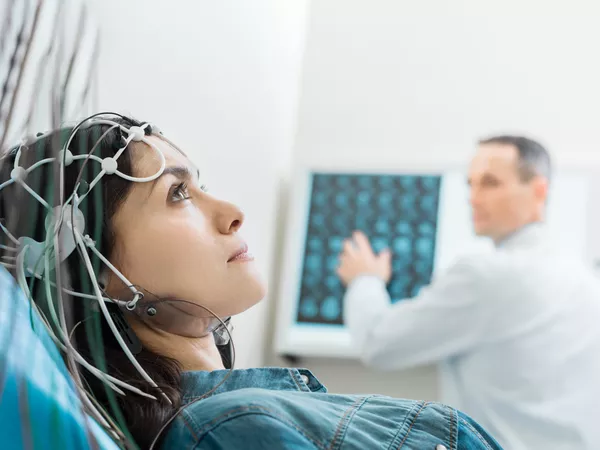
• Advances in neuroimaging and EEG techniques for identifying refractory epilepsy
• Surgical interventions and their outcomes in drug-resistant epilepsy
• Novel antiseizure drugs and treatment strategies
• The role of neurostimulation techniques in managing drug-resistant epilepsy
• Dietary modifications and alternative therapies for drug-resistant epilepsy
• Psychosocial impacts of living with drug-resistant epilepsy
• Personalized medicine approaches in epilepsy treatment
• Biomarkers for predicting treatment response in drug-resistant epilepsy
• Experimental models for the study of drug-resistant epilepsy

This Research Topic accepts the following article types, unless otherwise specified in the Research Topic description:
Articles that are accepted for publication by our external editors following rigorous peer review incur a publishing fee charged to Authors, institutions, or funders.
Keywords: Drug-resistant Epilepsy, Pharmacoresistant Epilepsy, Antiepileptic Drugs, Seizure Control, Epileptogenesis
Important note: All contributions to this Research Topic must be within the scope of the section and journal to which they are submitted, as defined in their mission statements. Frontiers reserves the right to guide an out-of-scope manuscript to a more suitable section or journal at any stage of peer review.
Institute of Neurobiology, National Autonomous University of Mexico
Juriquilla, Mexico
Eastern Virginia Medical School
Norfolk, United States
Instituto de Fisiopatología y Bioquímica Clínica, Facultad de Farmacia y Bioquímica, Universidad de Buenos Aires
Ciudad autónoma de Buenos Aires, Argentina
Universidad Veracruzana
Xalapa, Mexico
Manuscripts can be submitted to this Research Topic via the main journal or any other participating journal.
Submit your idea
You will be redirected to our submission process.