Genotype-Phenotype Correlations, Genetic Mechanisms of Phenotypic Heterogeneity, Optimized Diagnosis and Targeted Therapies in Epilepsy and Neurodevelopmental Disorders
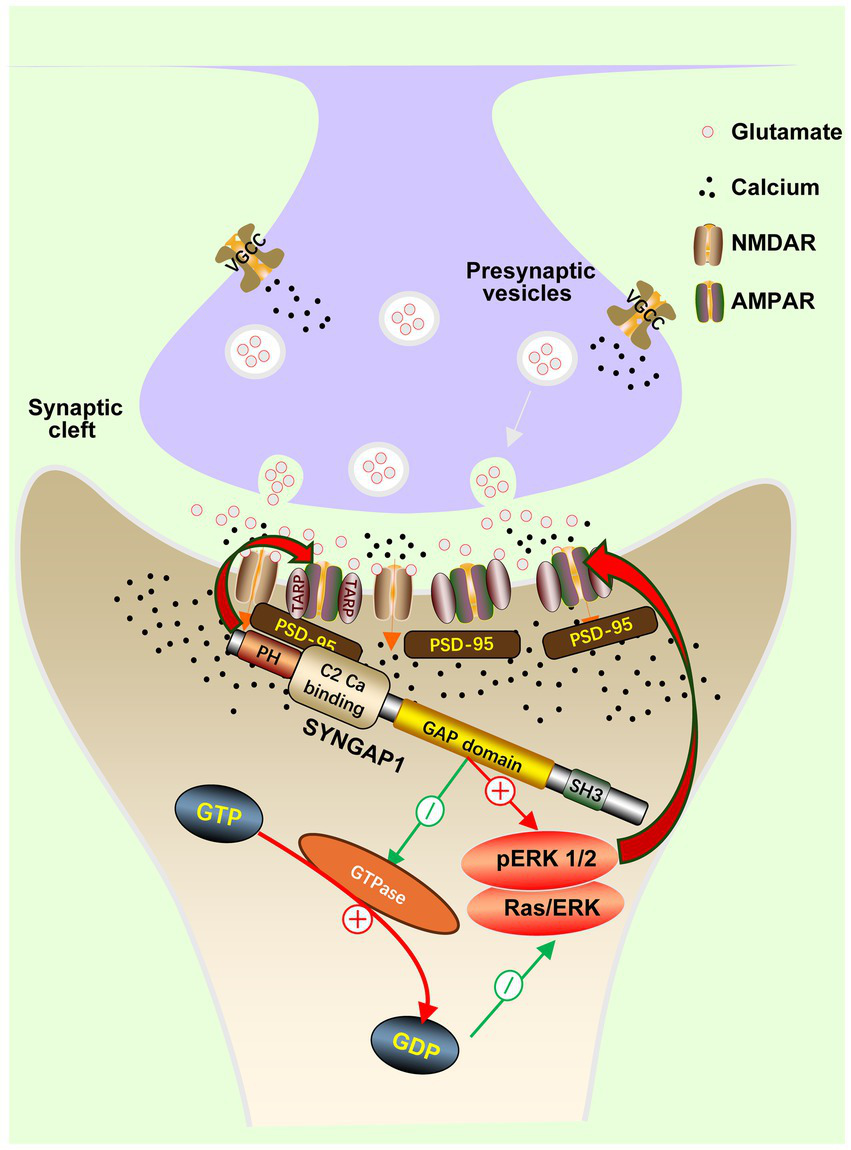
SYNGAP1-related neurodevelopmental disorder (SRD) is a monogenic inherited brain disorder caused by heterozygous loss-of-function mutations in the SYNGAP1 gene. The clinical presentation is complex, with core features including global developmental delay/intellectual disability, epilepsy, autism spectrum disorder, and various behavioral abnormalities. The SynGAP protein, encoded by the SYNGAP1 gene, is a key regulatory protein in the postsynaptic density of excitatory neurons. Through its GTPase-activating protein activity and structural scaffolding functions, it plays a central role in regulating the Ras/Rap signaling pathways, AMPA receptor trafficking, and maintaining the excitatory/inhibitory balance of neural networks. Haploinsufficiency of SynGAP leads to synaptic plasticity disruption and neural circuit imbalance, thereby triggering a series of neurophysiological and behavioral phenotypes. This article systematically reviews the molecular pathogenesis of SRDs, summarizes advances in treatment from conventional anti-seizure medications to emerging precision therapeutic strategies such as gene supplementation, antisense oligonucleotide-mediated splicing modulation, and translation-activating RNAs, and discusses current research challenges and future directions. Key concepts central to understanding SRDs include the critical developmental periods during which SynGAP exerts its primary influence on synaptic maturation, and cell-type specificity, referring to the differential expression and function of SynGAP in distinct neuronal populations (e.g., excitatory pyramidal neurons vs. parvalbumin-positive interneurons), which underlies circuit-level dysfunction. The aim is to provide a comprehensive perspective for an in-depth understanding of the disease and to support the development of effective therapies.
Rett syndrome (RTT) is a severe X-linked neurodevelopmental disorder affecting approximately 1 in 10,000–15,000 females, most often caused by loss-of-function mutations in MECP2. Until the recent approval of trofinetide, management relied exclusively on symptomatic treatment and multidisciplinary supportive care. The therapeutic landscape is now undergoing a rapid shift, driven by multiple gene therapy approaches designed to restore functional MeCP2 expression and achieve true disease modification. As these therapies progress toward potential regulatory approval, neurologists will play central roles in identifying eligible patients, counseling families, supporting clinical trial enrollment, delivering treatments, monitoring long-term outcomes, and advocating for equitable access. This review provides neurologists with the essential framework needed to understand and navigate this evolving field. We examine in detail the two most advanced gene replacement therapies currently in clinical trials. TSHA-102 uses an intrathecally delivered miniMECP2 transgene regulated by a microRNA-based autoregulatory system, whereas NGN-401 delivers full-length MECP2 via intracerebroventricular administration using a synthetic expression-feedback circuit. Both approaches have shown encouraging early efficacy, with treated children achieving developmental gains that exceed natural history expectations. However, they differ substantially in molecular design, regulatory control, delivery method, and safety considerations. We also highlight challenges unique to RTT gene therapy, including the narrow therapeutic window between insufficient expression and MeCP2 overexpression toxicity, the impact of X-chromosome inactivation mosaicism, and lessons learned from a fatal hyperinflammatory adverse event. Beyond AAV-mediated gene replacement, we review next-generation strategies in preclinical development—CRISPR-Cas9 genome editing for permanent mutation correction, ADAR-based RNA editing, translation readthrough for nonsense variants, and X-chromosome reactivation to restore endogenous MECP2 expression. Finally, we address key translational considerations such as optimal timing of intervention, dosing constraints, outcome measurement in severely impaired populations, long-term safety surveillance, and barriers to broad and equitable access. The RTT gene therapy experience serves as a model for precision medicine in other monogenic neurodevelopmental disorders, illustrating both the transformative promise and the substantial complexities of translating genetic science into meaningful clinical benefit.