MK
mukesh kumar
Indian Veterinary Research Institute National Library for Veterinary Science
Izatnagar, India
1,174
Total views and downloads
Submit your idea
You will be redirected to our submission process.
Manuscript Submission Deadline 17 January 2027
This Research Topic is currently accepting articles
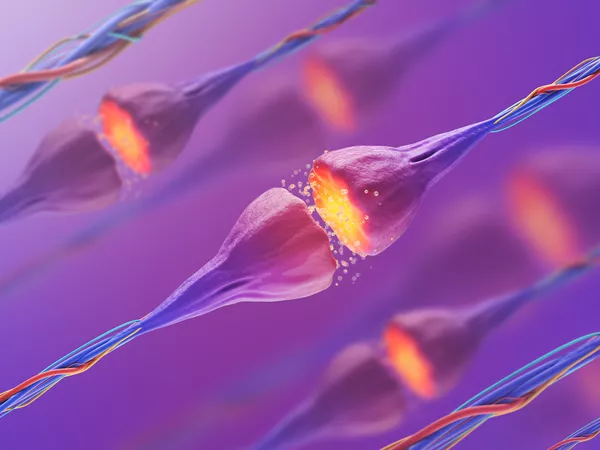
Recent work points to a promising convergence between purinergic signalling and α-synuclein (SNCA/αSyn) biology in Parkinson’s disease and related synucleinopathies. Purinergic receptors and channels, including the ATP-gated P2X7 (P2RX7), P2X4, P2Y12, adenosine A1 and A2A receptors, and pannexin and connexin hemichannels, are increasingly recognised as regulators of neuronal homeostasis, microglial reactivity, synaptic remodelling, and adaptive plasticity. Under pathological conditions, dysregulated ATP and adenosine signalling, together with αSyn misfolding and aggregation, may amplify calcium dysregulation, neuroinflammation, mitochondrial dysfunction, oxidative stress, and autophagy and lysosome impairment, accelerating synaptic failure and neurodegeneration. Among these receptors, P2X7 remains a focal point given its central role in inflammasome activation and microglial responses to αSyn, and contributions addressing P2X7 specifically are particularly welcome.
This Research Topic aims to consolidate emerging evidence and stimulate new research at the intersection of purinergic neuroimmune signalling and αSyn-driven pathology. We welcome submissions that investigate mechanistic links between these pathways, including studies where the connection is functional or pathway based, even if a direct physical interaction is not explicitly tested.
Prospective contributions may include, but are not limited to:
• Molecular and cellular mechanisms: receptor signalling dynamics across P2X, P2Y, and adenosine receptor families, structural and functional modulation of P2X7 and related channels, intracellular cascades, calcium signalling, ATP and adenosine release and metabolism (including ectonucleotidases such as CD39 and CD73), proteostasis, and receptor and pathway interactions.
• Neuroimmune and synaptic effects: microglia, astrocyte, and neuron crosstalk, inflammasome related pathways, synaptic pruning, remodelling and degeneration, adaptive versus maladaptive plasticity, and circuit dysfunction.
• αSyn pathology and propagation: aggregation, seeding, spread, clearance pathways (autophagy and lysosome, mitophagy), extracellular vesicles, and toxicity mechanisms influenced by purinergic and neuroimmune signalling.
• Disease focused studies: Parkinson’s disease, dementia with Lewy bodies, multiple system atrophy, and other synucleinopathies, including prodromal and early stage mechanisms.
• Translational approaches: multi-omics, electrophysiology, imaging, iPSC and organoid systems, animal models, pharmacological modulation of purinergic signalling (agonists, antagonists, allosteric modulators, biologics), biomarker development, and therapeutic target validation.
• Conceptual advances: new mechanistic frameworks linking purinergic signalling, neuroinflammation, and synaptic vulnerability to αSyn pathology, including hypothesis-driven perspectives and integrative reviews.
By bringing together work across purinergic signalling, neuroinflammation, synaptic biology, and αSyn pathobiology, this Research Topic seeks to refine mechanistic models of synucleinopathies and support the discovery of actionable intervention strategies.

This Research Topic accepts the following article types, unless otherwise specified in the Research Topic description:
Articles that are accepted for publication by our external editors following rigorous peer review incur a publishing fee charged to Authors, institutions, or funders.
Keywords: P2RX7, α-synuclein, neurodegeneration, synaptic plasticity, neuroinflammation
Important note: All contributions to this Research Topic must be within the scope of the section and journal to which they are submitted, as defined in their mission statements. Frontiers reserves the right to guide an out-of-scope manuscript to a more suitable section or journal at any stage of peer review.
Manuscripts can be submitted to this Research Topic via the main journal or any other participating journal.
Submit your idea
You will be redirected to our submission process.