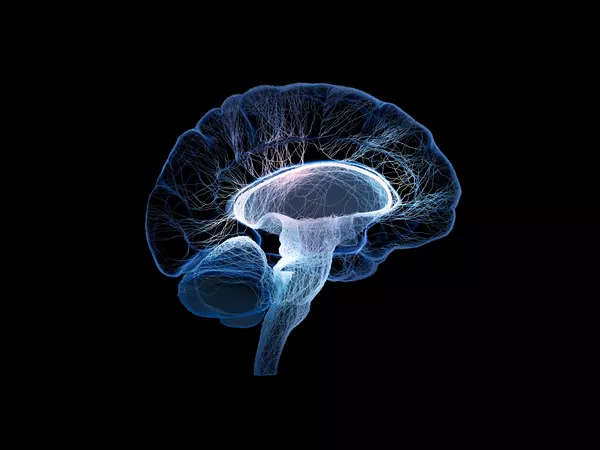
Over the past decade, the gut microbiome has emerged as a key modulator of brain function, shaping emotion regulation, cognition, stress physiology, and neuroinflammatory pathways. Altered microbiome-host interactions are linked to psychiatric and neurological conditions including depression, anxiety disorders, bipolar disorder, schizophrenia, neurodevelopmental conditions, and stress-related syndromes. Despite rapid scientific progress, major challenges remain in clarifying causal mechanisms and successfully translating these discoveries into clinically actionable diagnostics, biomarkers, and therapeutic strategies.
A critical next step involves integrating multi-modal data — including microbiome profiling, neuroimaging, metabolomics, transcriptomics, and computational modelling — to illuminate how microbial, immune, metabolic, and neuroendocrine pathways converge on neural circuits relevant to mental health. There is a pressing need for predictive models that incorporate individual variability, enabling precision-medicine approaches to risk stratification, diagnosis, and treatment selection. Addressing these challenges depends on interdisciplinary research that connects basic mechanistic insight with robust clinical outcomes and real-world patient benefit.
This Research Topic aims to accelerate the clinical translation of gut-brain axis research by fostering contributions that bridge foundational discoveries with predictive, patient-centered applications in neuropsychiatric care. We especially welcome studies that leverage multi-modal integration, computational prediction, and patient stratification to identify actionable biomarkers and therapeutic targets for neuropsychiatric disease.
We invite submissions across the mechanistic, translational, and clinical dimensions of microbiome research in neuropsychiatric health, particularly those involving:
- Multi-modal analyses combining microbiome data with neuroimaging, metabolomics, epigenetic profiling, or neuroendocrine measures
- Development and validation of predictive models and biomarkers for disease risk, treatment response, or resilience, grounded in defined gut-brain signalling pathways
- Longitudinal or interventional studies that inform personalized and precision-medicine strategies, with mechanistic readouts of the gut-brain axis
- Integration of mechanistic findings with clinical endpoints, including real-world implementation and patient-centered outcomes
- Effects of interventions (e.g., medication, diet, probiotics, prebiotics, antibiotics, or fecal microbiota transfer) on microbial ecosystems and neurobehavioral health
- Studies that use computational and epidemiological approaches to link microbial signatures to mental health trajectories, with explicit attention to underlying gut-brain mechanisms
- Methodological and ethical advances that improve the reproducibility, interpretation, and clinical relevance of human microbiome research in characterising gut-brain interactions
Ultimately, by bridging multi-modal analytics with clinical translation, this Research Topic aims to advance precision diagnostics, predictive tools, and innovative interventions, maximizing the real-world impact of gut-brain research in neuropsychiatric care. In doing so, the Topic supports SDG 3 (Good Health and Well-being) by advancing the science underpinning mental-health diagnostics and treatments.
Article types and fees
This Research Topic accepts the following article types, unless otherwise specified in the Research Topic description:
Brief Research Report
Case Report
Clinical Trial
Community Case Study
Conceptual Analysis
Curriculum, Instruction, and Pedagogy
Data Report
Editorial
FAIR² Data
Articles that are accepted for publication by our external editors following rigorous peer review incur a publishing fee charged to Authors, institutions, or funders.
Article types
This Research Topic accepts the following article types, unless otherwise specified in the Research Topic description:
Important note: All contributions to this Research Topic must be within the scope of the section and journal to which they are submitted, as defined in their mission statements. Frontiers reserves the right to guide an out-of-scope manuscript to a more suitable section or journal at any stage of peer review.