CS
chen su
Hunan Cancer Hospital, Xiangya School of Medicine, Central South University
Changsha, China
581
Total views and downloads
Submit your idea
You will be redirected to our submission process.
Manuscript Submission Deadline 12 March 2027
This Research Topic is currently accepting articles
Chronic pain and depression frequently occur together. People with chronic pain are more likely to develop depression than the general population, and the rates are even higher in conditions such as fibromyalgia and complex regional pain syndrome. The relationship works in both directions. Chronic pain can trigger and sustain depressive states, while depression can intensify central sensitization, weaken descending pain modulation, and reduce response to treatment. Despite this, the two conditions are still mostly treated as separate problems in clinical practice.
Research over the past two decades has identified several molecular and circuit-level mechanisms that pain and depression appear to share. At the molecular level, these include monoaminergic signaling (serotonin, norepinephrine, and dopamine), glutamatergic and GABAergic transmission, BDNF/TrkB signaling, the kynurenine pathway, HPA axis dysregulation, neuroinflammation, and the endocannabinoid and opioid systems. At the circuit level, regions such as the anterior cingulate cortex, insula, prefrontal cortex, amygdala, lateral habenula, locus coeruleus, periaqueductal gray, ventral tegmental area, and nucleus accumbens contribute to both emotional processing and pain modulation. Dysfunction in these shared networks likely helps explain why the two conditions so often appear together.
This Research Topic welcomes original research, reviews, and hypothesis and theory papers that explore the neurochemical and circuit mechanisms linking chronic pain and depression. Topics of interest include, but are not limited to:
o Shared molecular signaling pathways, including BDNF/TrkB, kynurenine, and HPA axis dysregulation
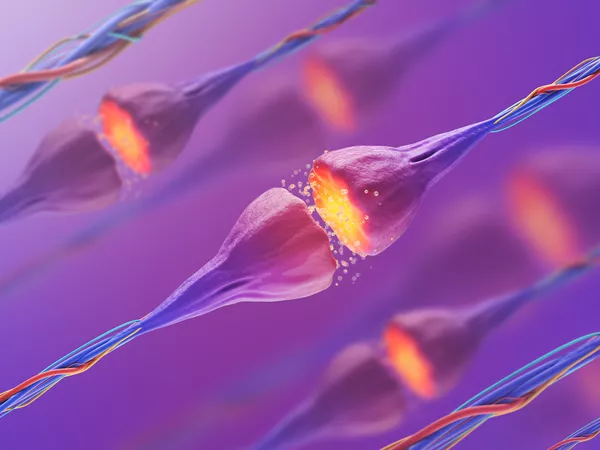
o Neuroplasticity and synaptic changes in pain-depression comorbidity
o Genomic, proteomic, and transcriptomic studies identifying common molecular targets
o Glial and neuroinflammatory contributions, with a focus on microglia and astrocytes
o Electrophysiological and imaging studies of overlapping circuits, including the insula, lateral habenula, and locus coeruleus
o Central sensitization and descending pain modulation in the context of affective disorders
o Animal models of pain-depression comorbidity and their translational value
o Pharmacological strategies targeting shared neurochemical mechanisms
o New therapeutic targets emerging from research on comorbid mechanisms

This Research Topic accepts the following article types, unless otherwise specified in the Research Topic description:
Articles that are accepted for publication by our external editors following rigorous peer review incur a publishing fee charged to Authors, institutions, or funders.
Keywords: pain-depression comorbidity, central sensitization, neuroinflammation, BDNF signaling, neuroplasticity
Important note: All contributions to this Research Topic must be within the scope of the section and journal to which they are submitted, as defined in their mission statements. Frontiers reserves the right to guide an out-of-scope manuscript to a more suitable section or journal at any stage of peer review.
Manuscripts can be submitted to this Research Topic via the main journal or any other participating journal.
Submit your idea
You will be redirected to our submission process.