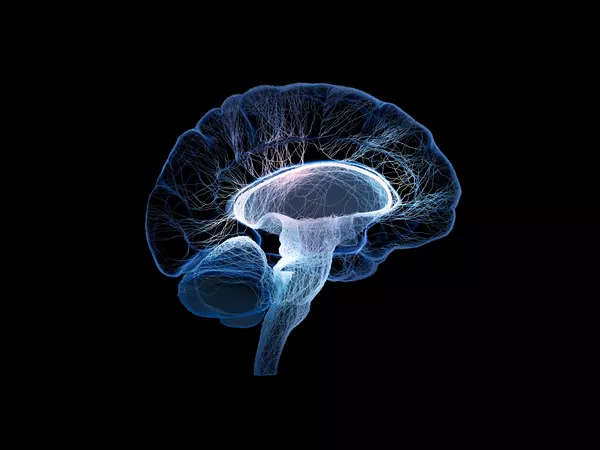
The field of neuroimaging has significantly evolved with the advent of advanced techniques that enable the detailed investigation of brain structure, function, and molecular processes. Traditional imaging modalities such as MRI, fMRI, PET, and DTI have contributed deeply to our understanding of neural mechanisms but often operate in isolation, limiting the ability to capture the full complexity of brain organization and activity. The current challenge lies in integrating these modalities to create coherent, complementary datasets that reveal more holistic insights into the brain’s dynamic architecture. Recent studies have shown promising results in combining different imaging approaches, yet the harmonization of these techniques remains complex, with issues such as data alignment, standardization, and cross-modal correlation yet to be fully resolved. The need for systematic frameworks, computational tools, and theoretical models that bridge scales and modalities underscores an important gap in the field.
This Research Topic aims to explore innovative methods and analytical frameworks for integrating structural, functional, and molecular imaging in the study of the human brain. It seeks to advance understanding of how multimodal techniques can synergistically uncover new dimensions of brain connectivity, metabolism, and microstructure. The main objective is to stimulate discussion around the development of standardized pipelines, fusion algorithms, and cross-modal metrics, fostering a unified view of how structural and functional substrates interact with molecular dynamics. Key questions include how multimodal integration enhances disease characterization, supports precision diagnostics, and informs models of cognition and behavior.
To gather further insights into the multimodal integration of neuroimaging techniques, we welcome articles addressing, but not limited to, the following themes:
o Development and validation of multimodal data fusion techniques
o Computational and statistical frameworks for cross-modal correlation
o Integration of structural, functional, and molecular biomarkers for disease diagnosis
o Machine learning and AI methods for multimodal image interpretation
o Harmonization of cross-scanner and cross-protocol imaging data
o Translational applications in neurodegenerative and psychiatric disorders
o Standardization efforts and reproducibility in multimodal imaging research
Article types and fees
This Research Topic accepts the following article types, unless otherwise specified in the Research Topic description:
Brief Research Report
Case Report
Clinical Trial
Community Case Study
Curriculum, Instruction, and Pedagogy
Data Report
Editorial
FAIR² Data
General Commentary
Articles that are accepted for publication by our external editors following rigorous peer review incur a publishing fee charged to Authors, institutions, or funders.
Article types
This Research Topic accepts the following article types, unless otherwise specified in the Research Topic description:
Brief Research Report
Case Report
Clinical Trial
Community Case Study
Curriculum, Instruction, and Pedagogy
Data Report
Editorial
FAIR² Data
General Commentary
Hypothesis and Theory
Methods
Mini Review
Opinion
Original Research
Perspective
Review
Systematic Review
Technology and Code
Keywords: Multimodal neuroimaging, Data fusion, Structural MRI, Functional MRI, PET imaging, Diffusion tensor imaging, Cross-modal correlation, Data harmonization, Machine learning, Brain connectivity, Neurodegenerative disorders, Psychiatric disorders
Important note: All contributions to this Research Topic must be within the scope of the section and journal to which they are submitted, as defined in their mission statements. Frontiers reserves the right to guide an out-of-scope manuscript to a more suitable section or journal at any stage of peer review.