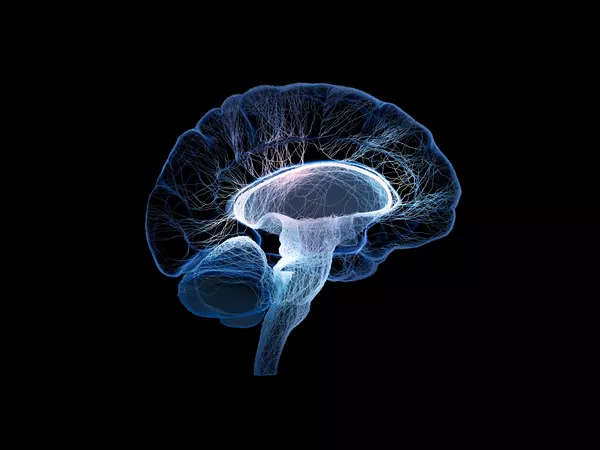
Diffusion magnetic resonance imaging (dMRI) is a critical tool for characterizing white matter architecture and assessing neural connectivity. In neurosurgical settings, intraoperative diffusion MRI enables real-time tracking of fibre tracts and tissue integrity, supporting safer and more effective tumour resections and functional surgeries. Despite considerable progress in image acquisition, processing, and visualization techniques, challenges remain in integrating dMRI into the highly dynamic operating environment. Motion artefacts, geometric distortions, and the variability of brain shift continue to limit accuracy. Recent studies have introduced fast acquisition protocols, machine learning–based fibre tracking, and adaptive registration algorithms that have improved intraoperative precision. However, translation across surgical centres and the standardization of workflow and validation metrics are still evolving.
This Research Topic aims to provide a comprehensive platform for discussing recent developments, technological breakthroughs, and clinical implementations of intraoperative diffusion MRI in neurosurgery. The goal is to explore how emerging imaging techniques can enhance real-time surgical decision-making, improve patient outcomes, and reduce postoperative neurological deficits. Contributions are encouraged to address questions surrounding model optimisation, workflow integration, validation methods, and interdisciplinary collaboration between neuroimaging scientists, engineers, and clinicians. By consolidating current evidence and perspectives, this Research Topic seeks to outline pathways towards seamless and reliable adoption of intraoperative dMRI technologies in surgical practice.
To gather further insights in intraoperative neuroimaging and diffusion-based applications, we welcome articles addressing, but not limited to, the following themes:
• Real-time correction of motion and brain shift in intraoperative environments
• Automated tractography and visualization tools for surgical guidance
• Machine learning applications in diffusion MRI reconstruction and analysis
• Validation of intraoperative diffusion MRI against postoperative outcomes
• Advances in hardware design and intraoperative scanner integration
• Clinical case studies demonstrating improved safety or precision through dMRI
• Ethical and workflow considerations in the adoption of intraoperative imaging
Article types and fees
This Research Topic accepts the following article types, unless otherwise specified in the Research Topic description:
Brief Research Report
Case Report
Clinical Trial
Community Case Study
Curriculum, Instruction, and Pedagogy
Data Report
Editorial
FAIR² Data
General Commentary
Articles that are accepted for publication by our external editors following rigorous peer review incur a publishing fee charged to Authors, institutions, or funders.
Article types
This Research Topic accepts the following article types, unless otherwise specified in the Research Topic description:
Important note: All contributions to this Research Topic must be within the scope of the section and journal to which they are submitted, as defined in their mission statements. Frontiers reserves the right to guide an out-of-scope manuscript to a more suitable section or journal at any stage of peer review.