VK
volodymyr krotov
Bogomoletz Institute of Physiology, National Academy of Sciences of Ukraine
Kyiv, Ukraine
308
Total views and downloads
Submit your idea
You will be redirected to our submission process.
Manuscript Submission Deadline 16 March 2027
This Research Topic is currently accepting articles
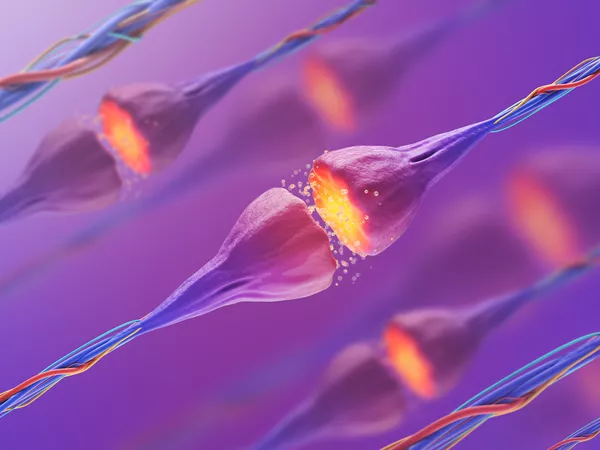
Pain, and chronic pain in particular, remains one of the most complex and clinically pressing challenges in neuroscience. Pain perception is shaped by the entire neuraxis, from the spinal cord to the cortex, and critically depends on the balance between synaptic excitation and inhibition (E/I). Coordinated activity of glutamatergic and GABA/glycinergic systems determines correct amplification or dampening of sensory signals within the individual nociceptive-processing CNS regions and within various feedback loops between ascending and descending pain pathways. At the cortical level, local E/I dynamics affect sensory, emotional, and cognitive dimensions of pain and contribute to proper behavioural responses to noxious stimuli. Meanwhile, disruption of the delicate E/I balance within the nociceptive pathways leads to aberrant sensory processing, and is believed to be primary reason for pain chronification. The mechanisms contributing to pain-related E/I imbalance span across molecular, cellular, and circuit-level and include reduced GABAergic inhibition, altered chloride homeostasis through KCC2 and NKCC1, changes in parvalbumin and somatostatin interneuron function, and remodelling of glutamatergic synapses. Yet, this list is far from being exhaustive.
This Research Topic addresses key open questions in pain neuroscience pertaining to E/I imbalance, with the aim of highlighting recent progress in understanding:
1) Pain-induced (E/I) imbalance along the neuraxis
2) Novel therapeutic strategies aimed at restoring disrupted E/I balance
3) Cortical processing of pain
4) Top-down control of nociception
5) Pain chronification
We welcome studies linking receptor and channel biology to circuit dynamics and behaviour, as well as those identifying molecular targets relevant to developing new analgesic strategies. Contributions addressing, but not limited to, the following themes are encouraged:
• Establishment of E/I balance during development
• Electrophysiological and imaging studies of pain-induced E/I imbalance
• Parvalbumin, somatostatin, and other interneuron populations in pain processing
• Glutamatergic signalling and synaptic plasticity in nociceptive circuits
• GABAergic and glycinergic mechanisms regulating pre- and postsynaptic inhibition in pain pathways
• KCC2- and NKCC1- related shift in chloride homeostasis in inflammatory and neuropathic pain
• BDNF/TrkB-mediated disinhibition in chronic pain states
• Top-down modulation of pain by cortical and brainstem circuits
• Feedback loops between ascending and descending pain pathways
• Molecular and circuit changes underlying the transition from acute to chronic pain
• Pharmacological strategies targeting E/I imbalance for analgesic development
• Animal models linking cortical E/I dysregulation to pain behaviour and comorbidities

This Research Topic accepts the following article types, unless otherwise specified in the Research Topic description:
Articles that are accepted for publication by our external editors following rigorous peer review incur a publishing fee charged to Authors, institutions, or funders.
Keywords: Excitation/inhibition imbalance, Chronic pain mechanisms, Neuronal excitability chronic pain, GABAergic dysfunction pain, Glutamatergic signaling pain, Central sensitization, Pain neuroplasticity, Inhibitory interneurons chronic pain, Novel analgesic targ
Important note: All contributions to this Research Topic must be within the scope of the section and journal to which they are submitted, as defined in their mission statements. Frontiers reserves the right to guide an out-of-scope manuscript to a more suitable section or journal at any stage of peer review.
Manuscripts can be submitted to this Research Topic via the main journal or any other participating journal.
Submit your idea
You will be redirected to our submission process.