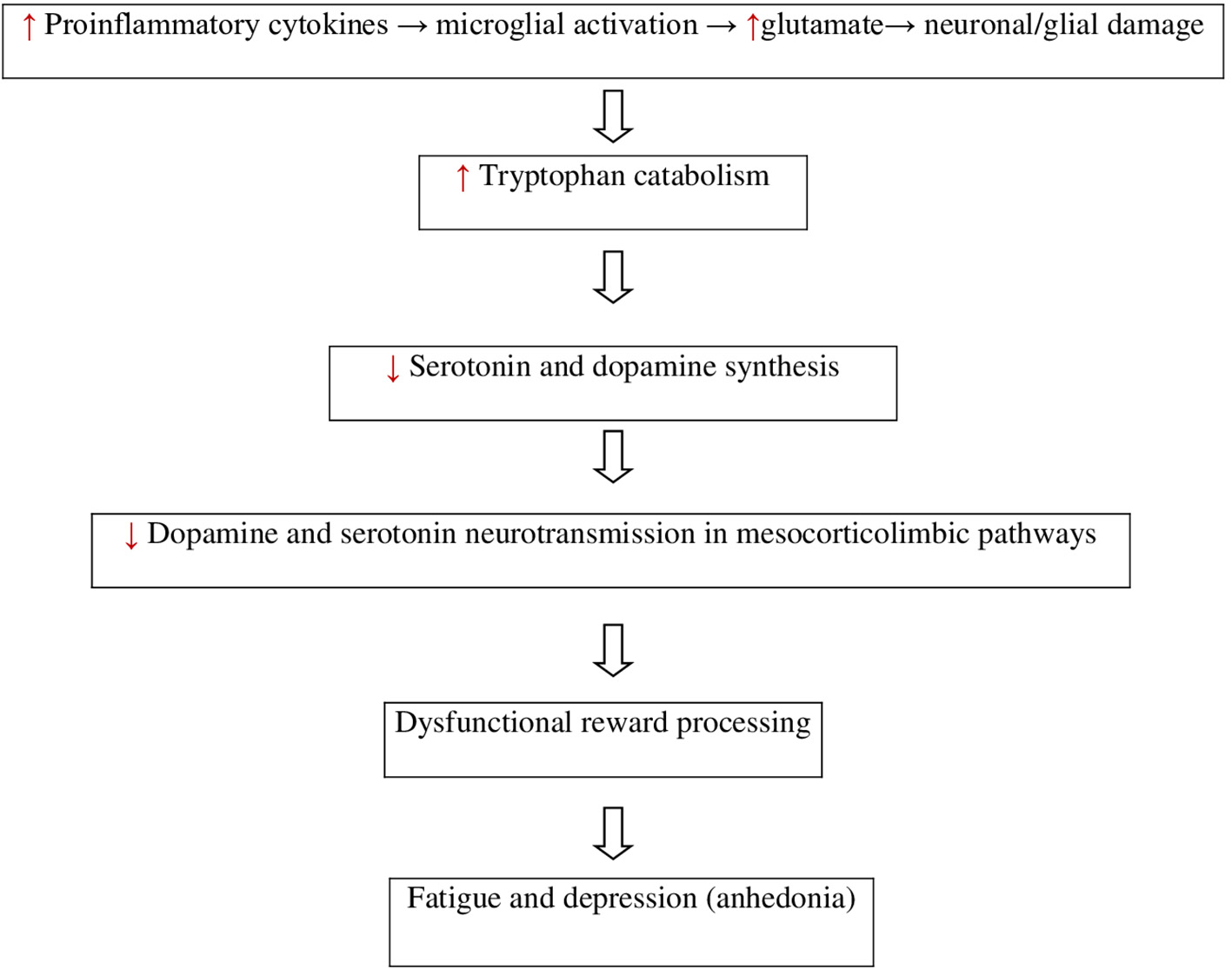
The review article by Patejdl & Zettl has the pathophysiology of motor fatigue and fatigability as content. It gives a comprehensive overview on current concepts, including definitions, assessment approaches, pathophysiology and training interventions.Ayache et al. reappraise neurophysiological studies in view of putative mechanisms of fatigue and fatigability in MS. Among the parameters of CNS excitability, evaluated with the use of transcranial magnetic stimulation, those associated with movement preparation and facilitation seemed most consistently related to fatigue. Furthermore, therapeutic potential of non-invasive brain stimulation is discussed in short-and long-term amelioration of motor and cognitive fatigability, considering innovative protocols and their combination with pharmacotherapy or exercise.The first original article by Broscheid et al. is focused on the meaningfulness of gait parameters in the context of motor performance fatigability (PF) on the one hand and the relevance of minimum toe clearance (MTC) in the quantification of motor PF in people with MS (pwMS) on the other. Importantly, based on the 6-min walk test (6MWT) it turned out that the second minute of the test delivered more stable gait parameters than the first minute, and that MTC in combination with other spatio-temporal gait parameters was not able to detect motor PF although there was a decrease in MTC variability observed in some pwMS towards the end of the 6MWT. These results indicate the weakness of reliable data acquisition during the first minute of the 6MWT and also points to the necessity of longer test intervals to discover motor PF.In the second original article by Broscheid et al. the 6MWT was combined with a cognitive task to a motor-cognitive dual-task performance to simulate multi-tasking behavior in a real life setting. PwMS and healthy controls (HCs) had to perform a fast version of the 6MWT, while at the same time performing an arithmetic task. At the same time, their hemodynamic response of the prefrontal cortex was recorded. Results showed an effect on cognitive PF but not on the motor PF although participants reported being physically fatigued. The PFC activation remained unchanged. Again, the authors suggest that the 6MWT is even in the fast version not long enough to induce objectifiable motor PF.Tarasiuk et al, in their review on co-occurrence of fatigue and depression in MS, highlight patomechanisms potentially shared by these conditions. They include proinflammatory cytokine response and oxidative/nitrosative stress which affect tryptophane metabolic pathway, impairment of the hypothalamic-pituitary-adrenal axis, as well as disturbed functionality of cortico-subcortical loop (prefrontal cortex, basal ganglia and limbic system). Psychosocial aspects of fatigue and depression, their reciprocal relationships and need for differentiation are also discussed.Links between fatigue and mental health in MS are addressed in the cross-sectional study by AlSaeed et al. In the study group of pwMS with mild disability, almost a half reported fatigue, and several percent presented with symptoms of anxiety and depression. Fatigue level was found to correlate significantly with depression, anxiety and quality of life, with no relationships between fatigue and demographics or physical activity.There are two modalities to assess fatigue: asking patients with questionnaires and measuring the impact of fatigue on physical and cognitive funcions (fatigability). Block et al. in their review highlighted values and limitations of the two approaches. In principle, fatigue is a subjective experience, so it has to be explored with self reported questionnaires, however this active patient reported outcome has the problem of recall bias and do not inform about the day to day variability of the symptom. On the other hand, the evaluation of physical and cognitive decline with neurophysiological and psychometric tests has the advantage of the objectivity of the measures, however they may not reflect the subjective perception of fatigue. The authors emphasize the value of remote monitoring with smartphones and wearable devices because they provide a more granular collection of both the patient reported state and quantify physical and cognitive performances. Block et al. conclude that the combination of fatigue and fatigability measures using remote monitoring may provide a more comprehensive outcome in clinical and research setting.The problem of the variability of fatigue over time was also addressed by Grothe et al, who examined the month to month changes of the perceived level of motor and cognitive fatigue. In a retrospective monocentric cohort study they found that fatigue was lower during winter and higher during summer, with a nadir in August, however the oscillations of the score of fatigue were modest. Fatigue levels correlated with month temperature. The authors underline the importance to take into consideration these seasonal changes of fatigue in interventional studies on fatigue because they may influence the results.Many studies have approached the problem of brain magnetic resonance correlates of fatigue [5][6], and most of them have shown an important role of the involvement of the striatothalamo-cortical network. The Roman et al study , using advanced diffusion imaging technique, examined the correlations of white matter and basal ganglia microstructure measures with the rate of cognitive fatigue over time during a fatigue inducing task. Patients with cognitive fatigability had a more severe damage of white matter tracts associated to basal ganglia connectivity, confirming the key role of the fatigue network.These papers of the research topic contribute to shed light on of the most mysterious symptoms of the disease, so difficult to measure because of its multidimensionality and so difficult to treat. In a recent survey of the PROMS initiative, jointly promoted by International Federation of MS and European Charcot Foundation, pwMS pointed out that fatigue is the first daily problem they have to face and they expressed the importance to improve outcome measures of fatigue with a fundamental patient contribution.
Editorial07 February 2023
Editorial: Fatigue in multiple sclerosis—A current perspective
Fatigue is one of the most common multiple sclerosis (MS) symptoms. Despite this, monitoring and measuring fatigue (subjective lack of energy)– and fatigability (objectively measurable and quantifiable performance decline)– in people with MS have remained challenging. Traditionally, administration of self-report questionnaires during in-person visits has been used to measure fatigue. However, remote measurement and monitoring of fatigue and fatigability have become feasible in the past decade. Traditional questionnaires can be administered through the web in any setting. The ubiquitous availability of smartphones allows for momentary and frequent measurement of MS fatigue in the ecological home-setting. This approach reduces the recall bias inherent in many traditional questionnaires and demonstrates the fluctuation of fatigue that cannot be captured by standard measures. Wearable devices can assess patients’ fatigability and activity levels, often influenced by the severity of subjective fatigue. Remote monitoring of fatigue, fatigability, and activity in real-world situations can facilitate quantifying symptom-severity in clinical and research settings. Combining remote measures of fatigue as well as objective fatigability in a single construct, composite score, may provide a more comprehensive outcome. The more granular data obtained through remote monitoring techniques may also help with the development of interventions aimed at improving fatigue and lowering the burden of this disabling symptom.
4,895 views
21 citations
MINI REVIEW
28 April 2022
Samar S. Ayache, 2 more and Moussa A. Chalah
4 Authors
- SS
Samar S. Ayache
EA4391 Excitabilité Nerveuse and Thérapeutique, Université Paris Est Créteil, France
- NS
Nicolas Serratrice
Department of Spine Surgery, Centre Médico Chirurgical Bizet, France
- GN
Georges N. Abi Lahoud
Department of Spine Surgery, Centre Médico Chirurgical Bizet, France
- MA
Moussa A. Chalah
EA4391 Excitabilité Nerveuse and Thérapeutique, Université Paris Est Créteil, France
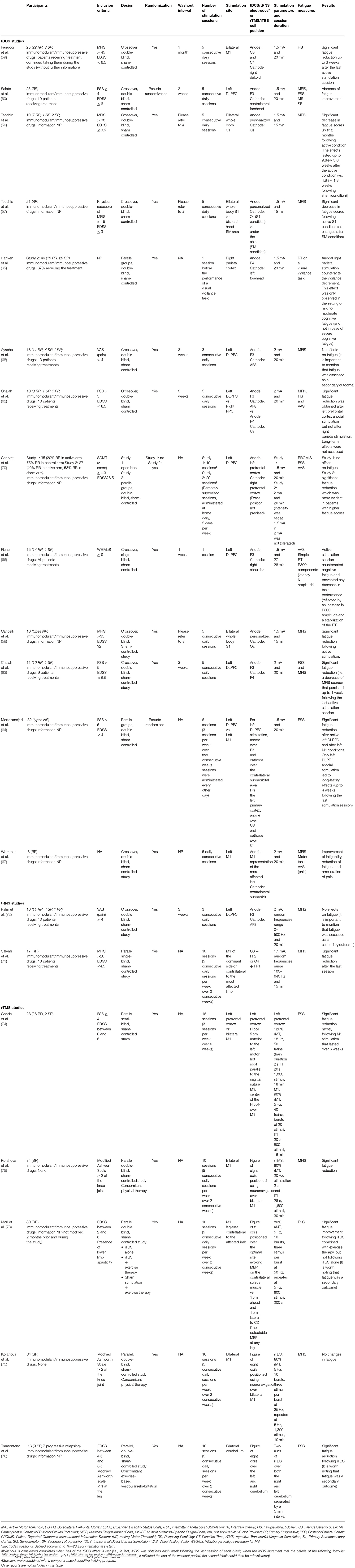
Fatigue is the most commonly reported symptom in patients with multiple sclerosis (MS). It is a worrisome, frequent, and debilitating manifestation that could occur at any time during the course of MS and in all its subtypes. It could engender professional, familial and socioeconomic consequences and could severely compromise the patients’ quality of life. Clinically, the symptom exhibits motor, cognitive as well as psychosocial facets. It is also important to differentiate between perceived or subjective self-reported fatigue and fatigability which is an objective measure of decrement in cognitive or motor tasks performance. The pathophysiology of MS fatigue is complex, and its management remains a challenge, despite the existing body of literature on this matter. Hence, unravelling its neural mechanisms and developing treatment options that target the latter might constitute a promising field to explore. A PubMed/Medline/Scopus search was conducted to perform this review which aims to (a) reappraise the available electrophysiological studies that explored fatigue in patients with MS with a particular focus on corticospinal excitability measures obtained using transcranial magnetic stimulation and (2) to assess the potential utility of employing neuromodulation (i.e., noninvasive brain stimulation techniques) in this context. A special focus will be put on the role of transcranial direct current stimulation and transcranial magnetic stimulation. The authors will provide some suggestions that will help overcome the current limitations in upcoming works.

Background: Multiple sclerosis (MS) is an inflammatory disease associated with adverse outcomes, including depression, anxiety, fatigue, which may affect physical activity and the quality of life among patients with MS (pwMS).
Objective: We aim to assess the prevalence of depression, anxiety, and fatigue among pwMS in Riyadh, Saudi Arabia, and demonstrate any correlation between these factors and physical activity as well as the quality of life (QoL).
Methods: A cross-sectional study was conducted in Riyadh, Saudi Arabia.
Results: 323 pwMS participated in this study, 83 had anxiety (25.7%) and 44 had depression (13.6%). The majority of participants had depression (70%) and anxiety (57%) levels within normal ranges. The mean of EuroQol Group visual analogue scale (EQ-VAS) score was 80.43 (SD=19.8). 156 (48.3%) out of 323 pwMS had reported fatigue while the others had no fatigue (n=167, 51.7%). The results indicate that only 143 patients (44.3%) had vigorous physical activities during the last 70 days with median days per week of 3 (IQR= 5 – 3) and median minutes per day of 60 (Interquartile range: IQR = 60 – 30). 149 patients (49.2%) had moderate physical activities during the last week with median days per week of 3 (IQR = 5 – 3) and median daily minutes of 40 ((IQR = 60 – 30). 194 patients had walking activities (60.0%) with median days per week of 5 (IQR = 7 – 3) and median minutes per day of 45 (IQR = 60 – 30). The results reveal that fatigue was positively correlated with depression (r = 0.407, p-value < 0.001) and anxiety (r = 0.289, p-value < 0.001).
Conclusion: The current study shows depression, anxiety, and fatigue tend to be correlated and clustered together among pwMS in our cohort. However, fatigue is not associated with physical activity. The results of this study are important for the improvement of the clinical management of MS patients.