Neurodegenerative disorders exert a profound global impact, causing a gradual deterioration of the nervous system and leading to the progressive loss of neurons. These conditions disrupt vital communication pathways, resulting in impaired cognition, memory, behavior, sensory perception, and motor function (Wilson et al., 2023). The high prevalence of neurodegenerative diseases, such as Alzheimer's disease (AD) and Parkinson's disease (PD), among the aging population underscores the urgent need for effective treatments.Currently, available treatments for neurodegeneration are limited or nonexistent, imposing significant socioeconomic and personal burdens.In recent years, the emergence of "omic" approaches, such as genomics, transcriptomics, epigenomics, and metabolomics, has provided unprecedented insights into the understanding of neurodegenerative diseases (Badhwar et al., 2020). Despite these advancements, therapeutic interventions capable of curing these conditions are still lacking. Therefore, it is imperative to actively pursue new drug candidates and effective treatment strategies. The primary focus of this Research Topic is to utilize "omics" in studying biomarkers, pathogenesis, and disease progression, while also identifying novel therapeutic targets for neurodegenerative diseases and related conditions. This issue accepted 10 exceptional papers, including original research articles and reviews. Through these contributions, we aim to shed light on the latest advancements and discoveries in the field, fostering a deeper understanding of neurodegenerative diseases and providing a platform for the development of novel treatment modalities.
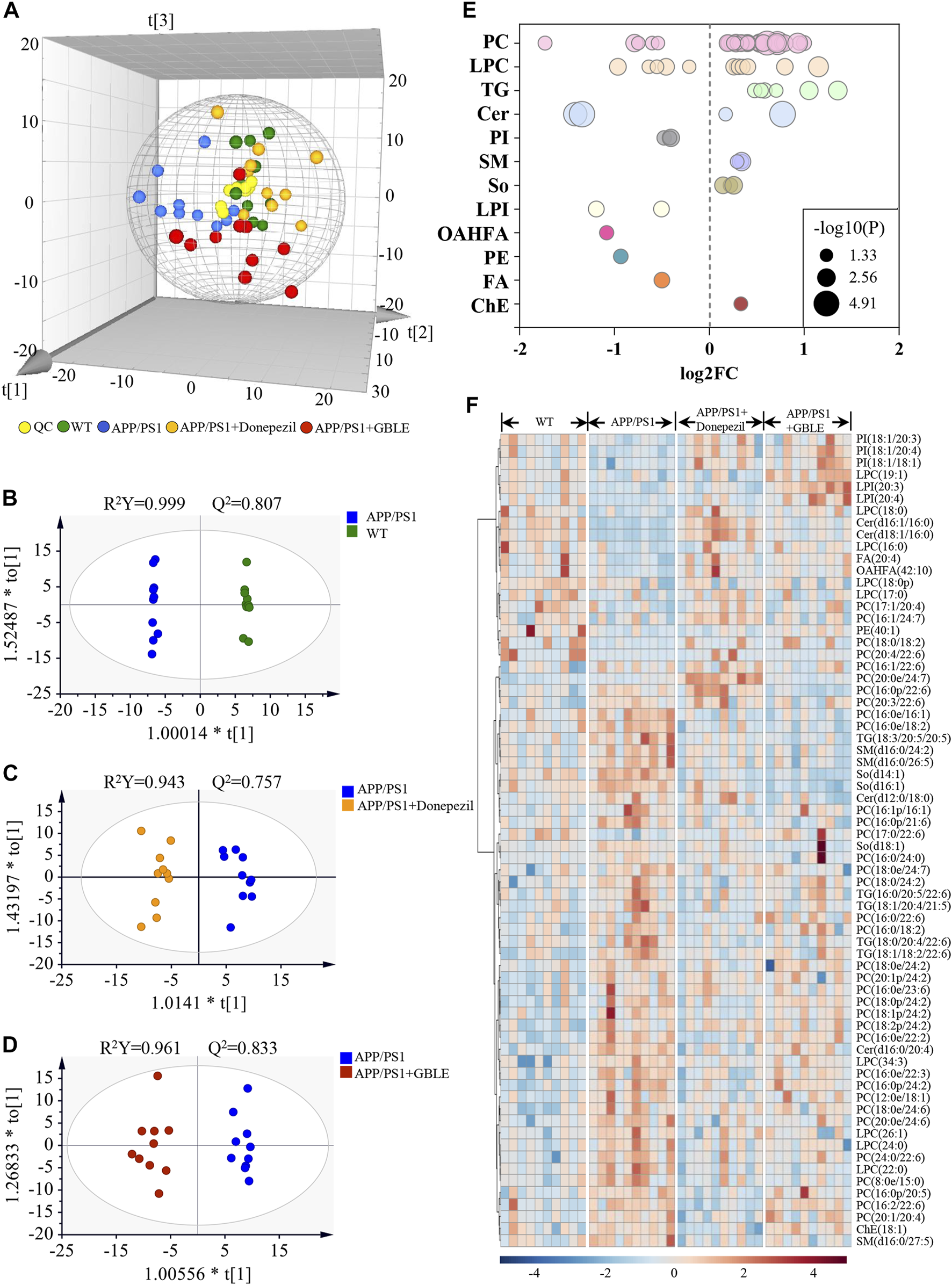
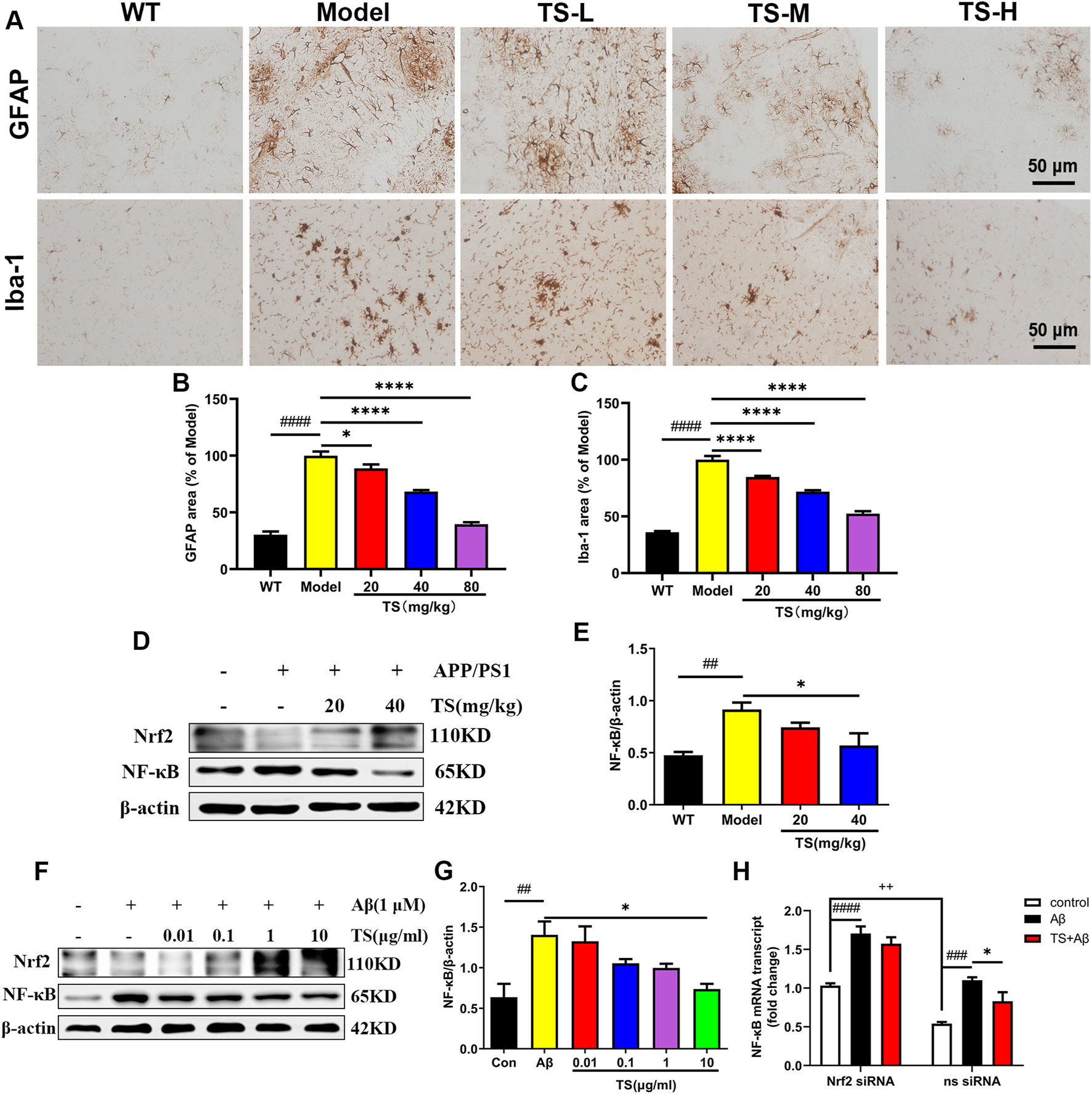
Currently, effective therapies for neurodegenerative diseases such as AD remain elusive. AD is the most prevalent neurodegenerative disorder and the leading cause of dementia among the elderly (Alzheimer's Association, 2023). Clinical treatment of AD focuses primarily on syndrome control and lacks effective therapy.Although the recent approval of two drugs, aducanumab and lecanemab, by the United States FDA for treating AD has sparked controversy, there is growing interest in exploring natural compounds as a promising avenue for AD treatment (Xia et al., 2017;Zhang et al., 2012). An important aspect of this issue is the significant number of studies dedicated to investigating novel approaches for the treatment of AD, with a particular emphasis on utilizing natural compounds. These studies delve into the exploration of alternative therapeutic strategies, aiming to identify potential interventions that harness the power of nature. By dedicating considerable attention to this aspect, this issue contributes to the growing body of research dedicated to advancing AD treatment through the exploration of natural compounds.Zhou et al. investigated the therapeutic effects of Alpiniae oxyphyllae Fructus (AOF) on AD using metabolomics (Zhou et al., 2022). They found that treatment with AOF in APP/PS1 transgenic mice with AD reversed significant alterations in 31 metabolites in plasma, including notable changes in bile acids, indicating the potential of AOF to ameliorate AD symptoms by modulating bile acid metabolism and highlighting the need for further research into its therapeutic mechanisms.Liu et al. found that Ginkgo biloba L. leaf extract (GBLE) reversed the significant alterations in 60 metabolites observed in APP/PS1 mice with AD, similar to the response seen with donepezil, an established AD medication (Liu et al., 2022). This suggests that GBLE restores lipid metabolic balance and may contribute to its neuroprotective effects in AD treatment, providing insights into AD pathogenesis and the therapeutic potential of GBLE. Wu et al. identified phenylpropanoid sucrose esters from Fallopia dentatoalata that exhibited moderate inhibitory effects against acetylcholinesterase (AChE) and potential inhibitory effects against butyrylcholinesterase (BuChE), with certain compounds acting as noncompetitive inhibitors of AChE and others acting as competitive inhibitors of BuChE, suggesting their potential as anticholinesterase therapeutics for AD (Wu et al., 2022). Song et al. investigated the protective effects of matrine (MAT) on retinal ganglion cells (RGCs) in optic neuritis (ON), a condition associated with vision loss and inflammation (Song et al., 2022). The study found that MAT treatment reduced inflammation and demyelination, and promoted RGC survival by upregulating the expression of Sirtuin 1 (SIRT1) and its downstream molecules Nrf2 and PGC-1α, suggesting its potential as a therapeutic intervention for optic neuritis.
Zhang et al. analyzed the immune cell composition in the entorhinal cortex of AD patients and identified 81 immune-related differentially expressed genes (Zhang et al., 2022). They found decreased lymphocyte scores and increased myeloid cell scores in AD patients and identified 37 genes involved in innate immunity, with eight genes being potential drug targets. These findings provide insights into potential therapeutic targets relevant to the immune components in AD, contributing to the understanding and treatment of the disease.
The review by Zou et al. offers a comprehensive overview of the roles of exosomes in AD, highlighting their involvement in AD development, their potential as biomarkers in various body fluids, and their significance in AD diagnosis and treatment. (Zou et al., 2022). This review underscores the potential of exosomes as valuable tools for AD diagnosis, treatment, and clinical management of AD-related dementia.
In their study, Fu et al. found lower expression levels of Bcl2-associated athanogene 5 (BAG5) in the skin tissues of PD patients with the R492X PINK1 mutation than healthy controls (Fu et al., 2022). They also discovered that BAG5 interacts with the R492X mutated PINK1 protein and facilitates its degradation through the ubiquitin/proteasome-dependent pathway. These findings highlight the potential of BAG5 as a diagnostic biomarker and provide insights into therapeutic targets for PD patients with the R492X PINK1 mutation.
Wei et al.'s review highlights the role of the neurovascular unit (NVU) in ischemic stroke and underscores ferroptosis as a significant factor in stroke progression and NVU regulation, suggesting that targeting ferroptosis holds promise as a therapeutic strategy to prevent severe brain damage and reduce the risk of neurodegenerative conditions associated with ischemic stroke (Wei et al., 2022).
The primary objective of this Research Topic was to provide the community with valuable insights into recent advancements in studying the mechanisms and pharmacodynamic material basis of therapies for neurodegenerative diseases. By doing so, we aimed to contribute to the development of more effective therapeutic strategies, with the ultimate goal of benefiting patients worldwide who are affected by these debilitating conditions. Through this collective effort, we aspire to make significant strides towards improving the lives of individuals suffering from neurodegenerative diseases.