Emerging Talents in Frontiers in Pharmacology: Gastrointestinal and Hepatic Pharmacology 2022

Cover image for Research Topic "Emerging Talents in Frontiers in Pharmacology: Gastrointestinal and Hepatic Pharmacology 2022"
74kviews
Editorial21 October 2022
Editorial: Emerging talents in Frontiers in pharmacology: Gastrointestinal and hepatic pharmacology 2022

This special edition of Frontiers in Pharmacology is dedicated to students from all over the world that undertake key research as part of education in Gastrointestinal and Hepatic Pharmacology.Here we present an article collection dedicated to highlighting the emerging talent of student researchers within the field of Gastrointestinal and Hepatic Pharmacology submitted on that occasion.First, we present some articles related to the pharmacology of gastrointestinal diseases.Zhang et al. overviewed and extended the discussion on the understanding of ulcerative colitis (UC) and postulated causes and mechanisms, while also providing biometric data on the last decade efforts to examine this disorder. The review stresses the need for collaborative work in Asia. Authors provide an insight into the mechanism of microbiome-induced inflammation, with major focus to NLRP3 inflammasome pathway, which has been one of the most explored and discussed "hot topics" in the scenario of this disease. They emphasized the potential of faecal microbiota transplants, anti-integrin treatment and the use of JAK inhibitor as the nowadays treatment options in patients with UC.Li et al. performed and described a very diligent study showing that nintedanib, a new drug from the group of tyrosine kinase inhibitors, can be useful in the treatment of inflammatory bowel disease (IBD), by restoring intestinal permeability and the intestinal microbiota. Using advanced bioinformatics analysis and cellular and animal models of intestinal inflammation, they show that the action mechanism of this drug would involve the inhibition of the PCK1 and EFNA1 genes, which are regulated by the transcription factor CEBPB through two super-enhancers (sc-CHR20-57528535 and sc-CHR1-155093980). In addition, nintedanib improves the levels of beneficial microbiota for intestinal health.

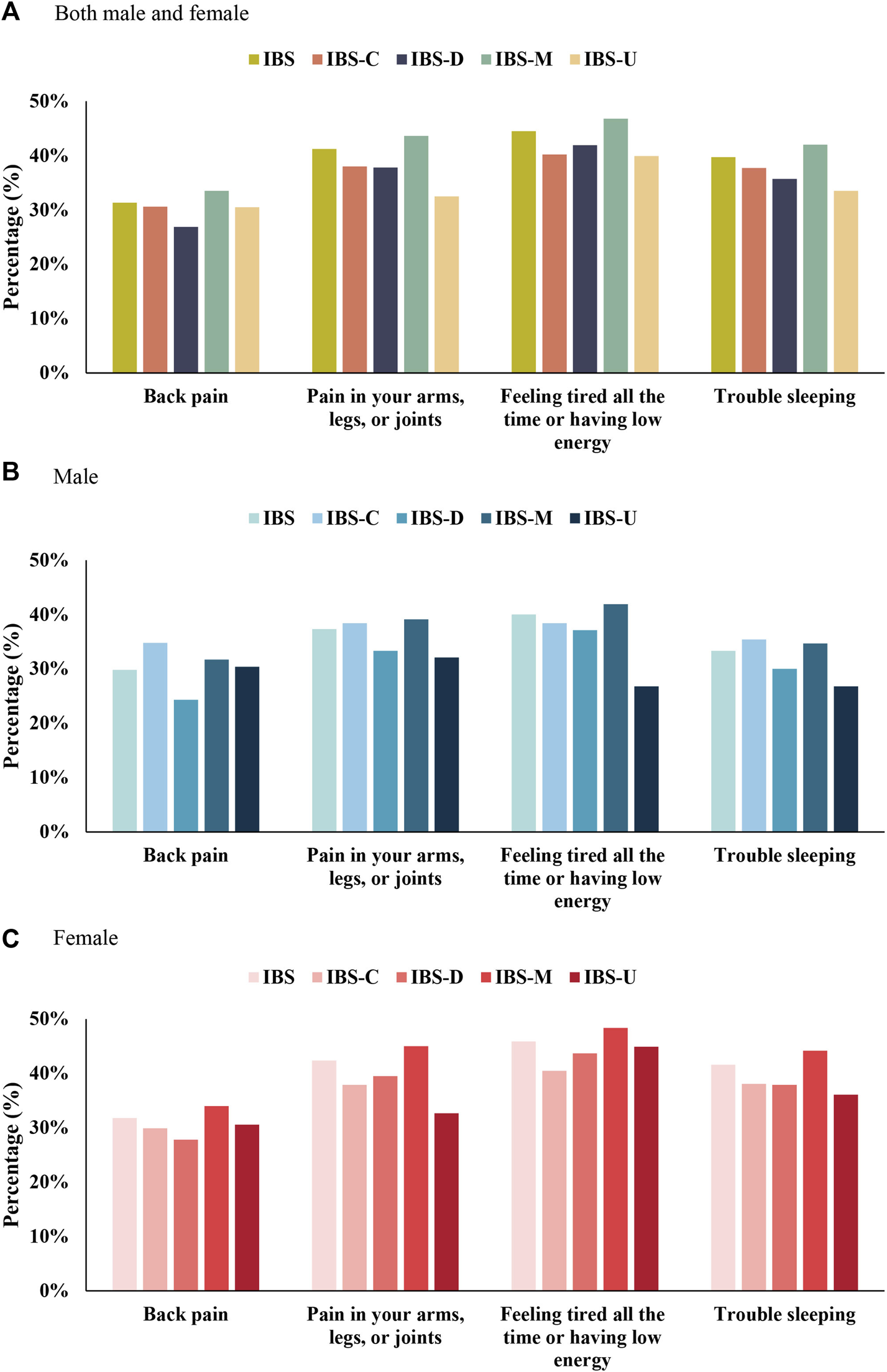
presented an important dataset on the UK Biobank collection of over 100,000 adult irritable bowel syndrome (IBS) patients based on the incidence criteria and influencing factors, including pathogenesis and diagnosis criteria. They found that the majority of patients suffered from mixed IBS as the dominant subtype, followed by diarrhea-dominant IBS and constipationdominant IBS. Precise analysis of the data showed that somatization and celiac disease were the main risk factors for IBS, and that risk factors such as gender differences in mental health are critical to physician diagnosis and treatment of particular IBS subtypes.Guo et al. have determined the mechanism of cisplatin chemotherapy, which is known to induce nausea and vomiting in cancer patients suffering from depressive mood disorder. They developed experimental two animal models of chronic, unpredictable, mild stress that induced a depression-like phenotype in rats and a model resembling cisplatin-induced vomit, and investigated kaolin and food intake after administration of cisplatin. They found that chronic stress increased 5-HT and SP levels, accompanied by upregulation of 5-HT3R, DA2R, NK1R and downregulation of CB1R expression in the core extension. In contrast, chronic stress decreased the expression of 5-HT3R, DA2R, NK1R and increased expression of CB1R in the ileum. They concluded that anorexia and vomiting are exacerbated by chronic stress due to the activity of vomit-related molecules and their overexpression in the enteric nervous system (ENS).Second, we present some articles of talented young researchers related to the pharmacology of liver and gallbladder diseases. Model, this model has significantly higher capability of ALF prediction. In addition, the predictive potency of the model for ALF can be improved incorporating other parameters like the international normalized ratio (INR) and alkaline phosphatase (ALP).Yan et al. have demonstrated a novel mode of action of the farnesoid X receptor (FXR) during the biliary obstruction. It is known that FXR is a key factor regulating hepatic bile acid synthesis and enterohepatic circulation. However, the authors show, for the first time, that the restoration of the FXR pathway improves both, the intestinal barrier damage and intestinal microbiota imbalance in rats with experimental bile-duct ligation. These findings provide a new, possibly translational potential target for clinical prevention of intestinal mucosal barrier injury in patients with obstructive jaundice.Finally, we present an experimental study about the treatment of acute pancreatitis.

2,423 views

Empagliflozin (EMPA) therapy has led to improvements in patients with non-alcoholic fatty liver disease (NAFLD). Sestrin2 is a stress-inducible protein that controls the AMPK-mTOR pathway and inhibits oxidative damage in cells. This study investigated the functional implications of EMPA on the multifactorial pathogenesis of NAFLD and potential underlying molecular mechanisms of pathogenesis. An in vitro model of NAFLD was established by treating HepG2 cells with palmitic acid (PA); an in vivo model of NAFLD was generated by feeding C57BL/6 mice a high-fat diet. Investigations of morphology and lipid deposition in liver tissue were performed. Expression patterns of Sestrin2 and genes related to lipogenesis and inflammation were assessed by reverse transcription polymerase chain reaction. Protein levels of Sestrin2 and AMPK/mTOR pathway components were detected by Western blotting. NAFLD liver tissues and PA-stimulated HepG2 cells exhibited excessive lipid production and triglyceride secretion, along with upregulation of Sestrin2 and increased expression of lipogenesis-related genes. EMPA treatment reversed liver damage by upregulating Sestrin2 and activating the AMPK-mTOR pathway. Knockdown of Sestrin2 effectively increased lipogenesis and enhanced the mRNA expression levels of lipogenic and pro-inflammatory genes in PA-stimulated HepG2 cells; EMPA treatment did not affect these changes. Furthermore, Sestrin2 knockdown inhibited AMPK-mTOR signaling pathway activity. The upregulation of Sestrin2 after treatment with EMPA protects against lipid deposition-related metabolic disorders; it also inhibits lipogenesis and inflammation through activation of the AMPK-mTOR signaling pathway. These results suggest that Sestrin2 can be targeted by EMPA therapy to alleviate lipogenesis and inflammation in obesity-related NAFLD.

5,280 views

38 citations

Factors related to irritable bowel syndrome and differences among subtypes: A cross-sectional study in the UK Biobank
ORIGINAL RESEARCH
26 August 2022
Factors related to irritable bowel syndrome and differences among subtypes: A cross-sectional study in the UK Biobank
Kexin Wang, 10 more and Yanhua Hao
Background Irritable bowel syndrome (IBS) reduces patients’ quality of life and causes great burdens due to its unclear pathogenesis and criteria for diagnosis. This study aimed to explore the differences in prevalence and the influencing factors for IBS and its subtypes. Methods The UK Biobank surveyed 174,771 adult participants who completed the digestive health questionnaire (DHQ) through emails and websites. DHQ included the Rome III criteria, the IBS symptom severity score and the Patient Health Questionnaire 12 Somatic Symptom score. The UK Biobank also asked regarding previous IBS diagnosis, diagnosis for post-infectious IBS (PI-IBS), and environmental exposures and associated conditions (including anxiety or depression, based on treatment sought or offered). Pearson's Chi-squared test or Wilcoxon's rank-sum test was used for potential associations. Binary logic regression based on sex stratification was used to examine associations between selected factors and IBS and its subtypes. Results This study included 31,918 participants who met the Rome III criteria for IBS. The pooled prevalence of IBS in UK Biobank was 18.3%, with mixed IBS as the predominant subtype (59.0%), followed by diarrhoea-predominant IBS (25.1%), constipation-predominant IBS (14.7%) and untyped IBS (1.1%). IBS was significantly associated with somatisation [males: OR = 5.326, 95% CI = 4.863-5.832; females: OR = 4.738, 95% CI = 4.498-4.992] and coeliac disease [males: OR = 4.107, 95% CI = 3.132-5.385; females: OR = 3.783, 95% CI = 3.310-4.323]. Differences in antibiotics and mental status were presented among subtypes and sex. Furthermore, 1,787 individuals were diagnosed with PI-IBS in the group of patients with IBS. The prevalence of PI-IBS in IBS was 16.6% in the UK Biobank, and it was characterized by diarrhoea, fever, bloody diarrhoea, and vomiting. Conclusions Somatisation and coeliac disease are primary risk factors for IBS. Distinguishing differential risk factors are critical for the precise diagnosis and treatment of IBS subtypes, particularly sex-specific differences in mental health status. General practitioners should focus on the treatment according to IBS subtypes.

7,887 views

18 citations

ORIGINAL RESEARCH
22 July 2022
Alanine Aminotransferase and Bilirubin Dynamic Evolution Pattern as a Novel Model for the Prediction of Acute Liver Failure in Drug-Induced Liver Injury
Ruiyuan Yang, 17 more and Xinyan Zhao

3,839 views

8 citations

Nintedanib Alleviates Experimental Colitis by Inhibiting CEBPB/PCK1 and CEBPB/EFNA1 Pathways
ORIGINAL RESEARCH
14 July 2022
Nintedanib Alleviates Experimental Colitis by Inhibiting CEBPB/PCK1 and CEBPB/EFNA1 Pathways
Hailong Li, 8 more and Cheng Yang
Super-enhancer, a cluster of enhancers with strong transcriptional activity, has become one of the most interesting topics in recent years. This study aimed to investigate pathogenic super-enhancer-driven genes in IBD and screen therapeutic drugs based on this. In this study, through the analysis of differentially expressed genes in colitis patients from the GEO database and the analysis of super-enhancer associated database, we found that the super-enhancer pathogenic genes PCK1 and EFNA1 were simultaneously regulated by transcription factor CEBPB through two super-enhancers (sc-CHR20-57528535 and sc-CHR1-155093980). Silencing CEBPB could significantly inhibit the expression of PCK1 and EFNA1, and enhance the expression of epithelial barrier proteins claudin-1, occludin and ZO-1. In LPS-induced Caco-2 cells, drugs commonly used in clinical colitis including tofacitinib, oxalazine, mesalazine and sulfasalazine all inhibited mRNA levels of CEBPB, PCK1 and EFNA1. In the drug screen, we found that nintedanib significantly inhibited the mRNA and protein levels of CEBPB, PCK1 and EFNA1. In vivo experiments, nintedanib significantly alleviated DSS induced colitis in mice by inhibiting CEBPB/PCK1 and CEBPB/EFNA1 signaling pathways. At the genus level, nintedanib improved the composition of the gut microbiota in mice with DSS induced experimental colitis. In conclusion, we found that PCK1 and EFNA1 are high-expressed in colitis and they are regulated by CEBPB through two super-enhancers, and we further demonstrate their role in vivo and in vitro. Nintedanib may be a potential treatment for IBD. Super-enhancers may be a new way to explore the pathogenesis of colitis.

6,269 views

22 citations

ORIGINAL RESEARCH
13 June 2022
Effects of Intestinal FXR-Related Molecules on Intestinal Mucosal Barriers in Biliary Tract Obstruction
Meng Yan, 6 more and Weibing Tang
Effects of Intestinal FXR-Related Molecules on Intestinal Mucosal Barriers in Biliary Tract Obstruction
Background: The farnesoid X receptor (FXR) is a key factor regulating hepatic bile acid synthesis and enterohepatic circulation. Repression of bile acid synthesis by the FXR is a potential strategy for treating cholestatic liver disease. However, the role of intestinal FXR on the intestinal barrier and intestinal microbiota needs further investigation. This study determined the role of the FXR pathway in protecting the intestinal barrier and composition of the intestinal microbiota in obstructive jaundice. Materials: Intestinal tissues were collected from patients with biliary atresia. Then, intestinal mRNA levels of FXR-related molecules were determined. After undergoing bile duct ligation (BDL), rats were treated with obeticholic acid (OCA [5 mg/kg/day]) per oral gavage for 14 days. First, the intestinal Fxr, Shp, TNF-α, and Fgf15 levels were determined. In addition, the intestinal permeability, morphologic changes, and composition of the intestinal microbiota were evaluated. Finally, the role of OCA in injured intestinal epithelial cell apoptosis was examined by pretreatment with lipopolysaccharide (LPS) in Caco-2 cells. Results: Expression of the FXR in intestinal tissues was significantly increased in humans, while the expression of downstream SHP and FGF19 was significantly decreased. Thus, the signal pathway downstream of the FXR in intestinal tissue was inhibited in biliary obstruction. Activation of the FXR signaling pathway by OCA significantly reduced liver fibrosis and intestinal inflammation, improved intestinal microbiota, and protected intestinal mucosa in a rat model of BDL. Moreover, OCA reduced the apoptosis induced by LPS in Caco-2 cells. Conclusion: The FXR agonist, OCA, activated the intestinal FXR signaling pathway and improved the composition and structure of the intestinal microbiota and intestinal barrier in BDL rats.

6,661 views

32 citations

Transcriptomics and Network Pharmacology Reveal the Protective Effect of Chaiqin Chengqi Decoction on Obesity-Related Alcohol-Induced Acute Pancreatitis via Oxidative Stress and PI3K/Akt Signaling Pathway
ORIGINAL RESEARCH
8 June 2022
Transcriptomics and Network Pharmacology Reveal the Protective Effect of Chaiqin Chengqi Decoction on Obesity-Related Alcohol-Induced Acute Pancreatitis via Oxidative Stress and PI3K/Akt Signaling Pathway
Xinmin Yang, 15 more and Qing Xia
Obesity-related acute pancreatitis (AP) is characterized by increasing prevalence worldwide and worse clinical outcomes compared to AP of other etiologies. Chaiqin chengqi decoction (CQCQD), a Chinese herbal formula, has long been used for the clinical management of AP but its therapeutic actions and the underlying mechanisms have not been fully elucidated. This study has investigated the pharmacological mechanisms of CQCQD in a novel mouse model of obesity-related alcohol-induced AP (OA-AP). The mouse OA-AP model was induced by a high-fat diet for 12 weeks and subsequently two intraperitoneal injections of ethanol, CQCQD was administered 2 h after the first injection of ethanol. The severity of OA-AP was assessed and correlated with changes in transcriptomic profiles and network pharmacology in the pancreatic and adipose tissues and further docking analysis modeled the interactions between compounds of CQCQD and their key targets. The results showed that CQCQD significantly reduced pancreatic necrosis, alleviated systemic inflammation, and decreased the parameters associated with multi-organ dysfunction. Transcriptomics and network pharmacology analysis, as well as further experimental validation, have shown that CQCQD induced Nrf2/HO-1 antioxidant protein response and decreased Akt phosphorylation in the pancreatic and adipose tissues. In vitro, CQCQD protected freshly isolated pancreatic acinar cells from H2O2-elicited oxidative stress and necrotic cell death. The docking results of AKT1 and the active compounds related to AKT1 in CQCQD showed high binding affinity. In conclusion, CQCQD ameliorates the severity of OA-AP by activating the antioxidant protein response and down-regulating the PI3K/Akt signaling pathway in the pancreas and visceral adipose tissue.

6,848 views

27 citations

ORIGINAL RESEARCH
6 June 2022
Real-Life Experience of Regorafenib in Patients With Advanced Hepatocellular Carcinoma
Jing-Yu Hou, 6 more and Min-Shan Chen

3,832 views

9 citations