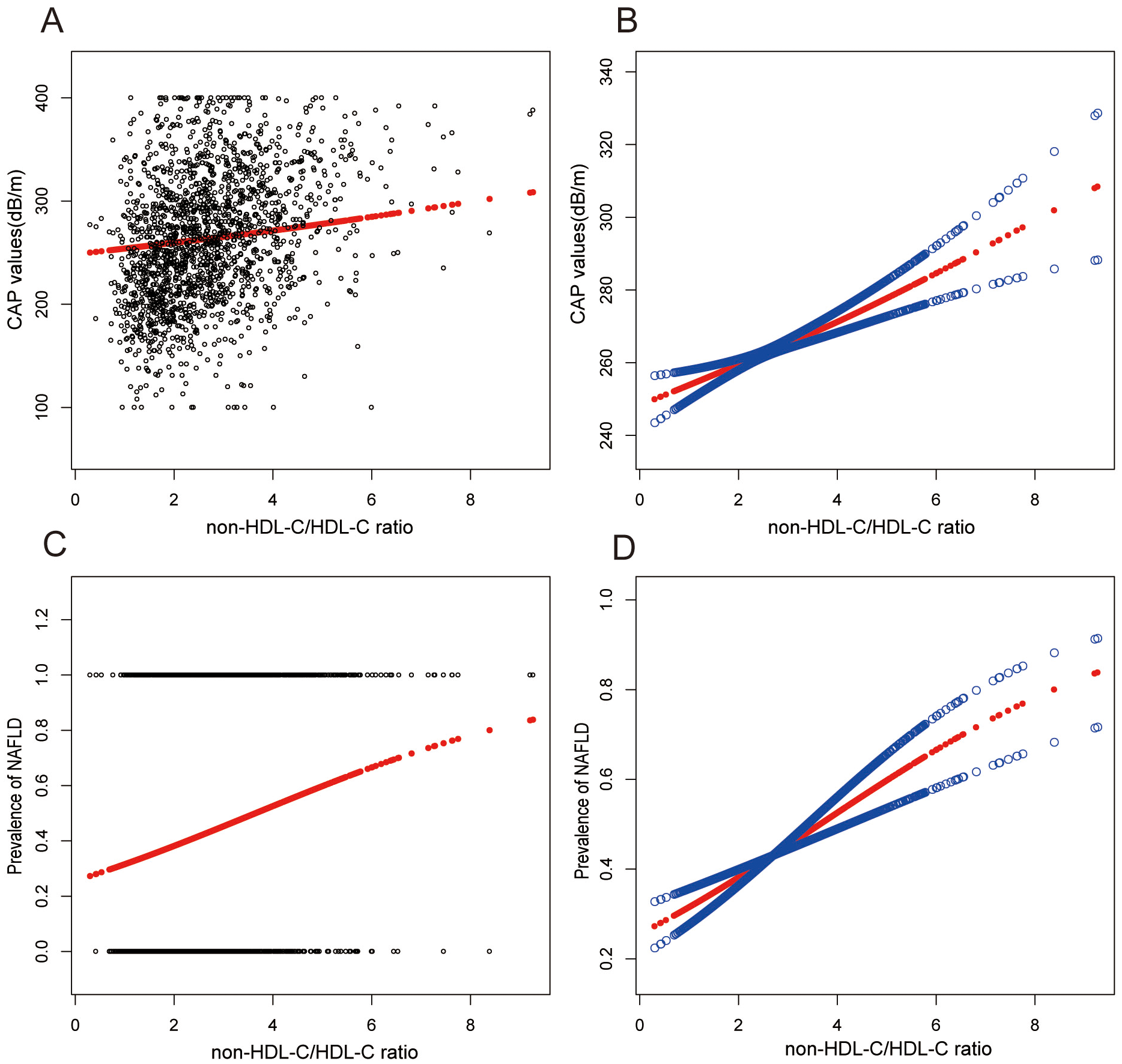
significant improvements in this technology and addition of various other techniques such as tandem-mass spectrometry for routine investigation of endocrine and metabolic disease [1]. In the midst of the forth revolution advances in computing and artificial intelligence have already made their way into the medical laboratory and will play a growing role in patient testing and the way laboratories operate.The aim of this special issue was to report and highlight recent developments in laboratory testing specific to the diagnosis, monitoring and evaluation of endocrine related disorders and metabolic disease. The published reports of this special issue ranged across the wide landscape of laboratory methodologies. This issue examines the use of predictive models and existing routine lab investigations utilised in new ways to detect non-alcoholic fatty liver disease (NAFLD) and liver fibrosis ; the development of the immunometric measurement of new biomarkers such as vasoinhibin; as well as use of chip technology and secondary electrospray ionisation high-resolution mass spectrometry (SESI-HRMS) for metabolomic evaluation.NAFLD or most recently referred to as metabolic dysfunction-associated steatotic liver disease refers to a disease continuum from steatosis with or without inflammation to steatohepatitis to fibrosis and cirrhosis. Estimates indicate that approximately 25% of the global population has this condition and it is rapidly on the increase in children and adolescents [2]. There are three studies reporting the association between NAFLD and liver fibrosis with different lipoprotein markers/ratios. These studies used the same data source, the National Health and Nutrition Examination Survey (NHANES), however, the data was extracted from This issue also explores developments in laboratory testing in regards to diabetes.Diabetes remains a significant cause of mortality and morbidity worldwide, with the growing incidence in developing nations being of significant concern [3]. There are 2 exploratory studies related to diabetes in this special issues Awchi et al present a very interesting study investigating the feasibility of using breath analysis to monitor changes in metabolites to assess the course of acute diabetic acidosis. Whilst a small study this paper provides important proof of concept for this type of non-invasive evaluation using SESI-HRMS. Diabetes is the leading cause of chronic kidney disease. In their article, Li et al demonstrate the simultaneous measurement of multiple urine biomarkers for the early prediction of diabetic kidney disease. They utilised chip detection technology to evaluate these markers. Use of such technology is likely to have increased scope in the near-patient testing environment or in health care facilities where laboratory access is limited due to geographical and logistical obstacles.After diabetes, thyroid-related disorders represent the second most common group of endocrine disorders [4]. In autoimmune thyroid diseases, such as Graves disease or Hashimotos thyroiditis, currently available assays whilst able to quantitate the presence of TSH-receptor antibodies have been unable to reliably distinguish between activating and blocking antibodies. In their paper, George et al describe their development of a novel bioassay for the detection of thyroid blocking immunoglobulins.In this issue, the role of the laboratory investigations in reproductive endocrinology has also been explored. Huang et al systematically evaluated the utility of serum matrix metalloproteinase -9 (MMP-9) as diagnostic marker for endometriosis. Their findings show promise for the use of a single marker that would be able to reliably detect the presence of a condition such as endometriosis, which is extremely heterogeneous in and severity.Measurement of the antiangiogenic protein vasoinhibin is of interest in vasoproliferative retinopathies, preeclampsia, and peripartum cardiomyopathy. In this issue, Zamora et al describe the development of a novel ELISA method for the detection of this hormone. They highlight the versatility of immunoassay methodologies for not just routine hormone quantitation but also for the detection of novel biomarkers.The clinical laboratory plays important role in the diagnosis, monitoring of disease and treatment, identification of pre-symptomatic disease, as well as risk prediction.The rapid evolution of knowledge and technology have helped us to identify new biomarkers and new diagnostic methods. However, currently available biomarkers with new algorithms can be repurposed to aid both the laboratorian and the clinician to improve patient management.Finally, we would like to thank all our contributors whose manuscripts have added significant value to this special issue.

7 Authors
- YX
Yanyan Xuan
Department of Hospital Infection, The First Affiliated Hospital of Ningbo University, China
- MZ
Minghui Zhu
Department of Hospital Infection, The First Affiliated Hospital of Ningbo University, China
- LX
Linzhi Xu
Department of Hospital Infection, The First Affiliated Hospital of Ningbo University, China
- SH
Shujiao Huangfu
Department of Hospital Infection, The First Affiliated Hospital of Ningbo University, China
- TL
Tongyu Li
Department of Hematology, The First Affiliated Hospital of Ningbo University, China
- CL
Chunbo Liu
Department of Hospital Infection, The First Affiliated Hospital of Ningbo University, China
- DZ
Dongdong Zhou
Department of General Practice, The First Affiliated Hospital of Ningbo University, China

13 Authors
- JW
Jianjun Wang
Department of Hepatobiliary Surgery, Mianyang Central Hospital, School of Medicine, University of Electronic Science and Technology of China, China
- HL
Han Li
Department of Cardiology, The Fifth Hospital of Wuhan, China
- XW
Xiaoyi Wang
Department of Neurosurgery, Mianyang Central Hospital, School of Medicine, University of Electronic Science and Technology of China, China
- RS
Ruizi Shi
Department of Hepatobiliary Surgery, Mianyang Central Hospital, School of Medicine, University of Electronic Science and Technology of China, China
- JH
Junchao Hu
Department of Hepatobiliary Surgery, Mianyang Central Hospital, School of Medicine, University of Electronic Science and Technology of China, China
- XZ
Xintao Zeng
Department of Hepatobiliary Surgery, Mianyang Central Hospital, School of Medicine, University of Electronic Science and Technology of China, China
- HL
Hua Luo
Department of Hepatobiliary Surgery, Mianyang Central Hospital, School of Medicine, University of Electronic Science and Technology of China, China
- PY
Pei Yang
Department of Hepatobiliary Surgery, Mianyang Central Hospital, School of Medicine, University of Electronic Science and Technology of China, China
- HL
Huiwen Luo
NHC Key Laboratory of Nuclear Technology Medical Transformation, Mianyang Central Hospital, School of Medicine, University of Electronic Science and Technology of China, China
- YC
Yuan Cao
Department of Urology, Mianyang Central Hospital, School of Medicine, University of Electronic Science and Technology of China, China
- XC
Xianfu Cai
Department of Urology, Mianyang Central Hospital, School of Medicine, University of Electronic Science and Technology of China, China
- SC
Sirui Chen
Department of Hepatobiliary Surgery, Mianyang Central Hospital, School of Medicine, University of Electronic Science and Technology of China, China
- DW
Decai Wang
NHC Key Laboratory of Nuclear Technology Medical Transformation, Mianyang Central Hospital, School of Medicine, University of Electronic Science and Technology of China, China