Over the last century, anthropogenic CO2 emissions via combustion of fossil fuels have caused drastic changes in oceans with sea surface temperatures increasing steadily due to global warming. In addition to ocean warming, seawater has become more acidic as more CO2 is dissolved into the world's oceans (IPCC, 2019). As CO2 emissions are forecast to accelerate in the future (Caldeira and Wickett, 2005), understanding how marine organisms are influenced by ocean acidification (OA) and warming has received substantial attention (Doney et al., 2009). Organisms which build calcareous structures for growth and protection (e.g., coccolithophores, corals, gastropods, bivalves and sea urchins) are of particular concern because OA is expected to make calcification more energy-demanding and increase dissolution of calcified structures (Harvey et al., 2018;Byrne and Fitzer, 2019). Consequently, the fitness and survival of marine calcifiers could be reduced, possibly affecting the integrity of marine ecosystems in view of their abundance, diversity and ecological functions.There is now a large body of literature which demonstrates that calcifiers can indeed be impaired by OA in various aspects, such as physiology, calcification, growth and survival (Harvey et al., 2013). Nevertheless, growing evidence reveals that some calcifiers can prevail in the CO2-acidified environment and produce durable calcareous structures (e.g., Leung et al., 2019Leung et al., , 2020aDi Giglio et al., 2020), implying their resistance and adaptability to OA. Thus, 2 more comprehensive studies are needed to decipher how calcifiers adjust or succumb to OA and how warming modulates the impacts of OA on calcifiers. We brought together this Research Topic to address these issues and provide better insights into the fate of calcifiers in future marine ecosystems.
Ocean acidification is expected to undermine calcification (or shell building) due to the decreased carbonate saturation state and increased acidity of seawater (Byrne and Fitzer, 2019).Yet, calcification is a physiological process and thus can be affected by temperature (Clark et al., 2020), possibly leading to unexpected outcomes when warming interacts with OA. For example, crystallographic disorientation during calcification can be caused by warming in the mussel Mytilus edulis, but OA can mitigate this adverse effect (Knights et al.). Using 3D microcomputed tomography, Chatzinikolaou et al. observed that the gastropod Nassarius nitidus formed thinner and more porous shells under OA, but these negative effects disappeared when exposed to combined OA and warming. In contrast, the gastropod Columbella rustica produced thicker and denser shells under warming; however, when combined with OA, the shells became thinner and more porous (Chatzinikolaou et al.). These findings clearly indicate the speciesspecific nature of responses to OA and warming, probably driven by the differences in physiology among calcifiers. Identifying the mechanisms underlying the mixed responses of calcifiers to OA and warming is important to shed light on their fitness and survival in future oceans. For example, since energy is required for calcification, altering the energy allocated for calcification may underlie the response of calcifiers to future seawater conditions (Leung et al., 2020b). By studying resistant corals that can survive in the CO2-acidified environment, Agostini et al. found that they had a higher potential for energy production and inherent capacity to allocate more energy for calcification than the sensitive corals. This finding not only helps explain the inconsistent responses of calcifiers to OA, but also implies that OAsensitive species could be replaced by OA-resistant species in future oceans.It is noteworthy that short-term experiments (typically < 3 months) using organisms within a single generation have been predominantly used for OA research due to the inherent logistical constraints of longer experiments. Despite the scientific merits, these studies could underestimate the capacity of calcifiers to accommodate future seawater conditions via longterm and multi-generational exposure (Leung et al., 2021). Thus, research on transgenerational plasticity (i.e., phenotypic change in offspring in response to the environmental stress experienced by parents) is of particular interest. In this Special Issue, Harianto et al. revealed that parental exposure of the urchin Heliocidaris erythrogramma to warming for three months can elevate the metabolic rate of offspring as juveniles, which may facilitate their persistence to warming. By conducting transplant experiments, Kurihara et al. showed that adult coral Pocillopora acuta inhibiting the CO2-acidified habitat not only had higher calcification and net photosynthetic rates than those under control conditions, but also their larvae had higher lipid and chlorophyll contents (c.f. control larvae reared under high-CO2 conditions) that indicate greater energy availability and tolerance to OA. These results suggest that transgenerational acclimatisation can be a critical mechanism allowing calcifiers to survive under future seawater conditions, which cannot be unravelled by short-term experiments.Although calcifiers can exhibit compensatory responses (e.g., phenotypic plasticity) to counter the impacts of climate change (Leung et al., 2017;Peck et al., 2018;Wang et al., 2020;Glazier et al., 2020), trade-offs against other biological processes are often incurred. For instance, the coral Galaxea fascicularis can accommodate OA by sustaining photosynthetic performance, but the nitrogen fixation machinery is compromised as a trade-off, possibly affecting coral resilience to OA (Zheng et al.). In addition, plastic responses to climate change may not always be exhibited, depending on phenotypes. Minuti et al. showed metabolic acclimation of the gastropod Trochus maculatus to OA and warming by boosting the temperature of maximum metabolic rate; however, the upper lethal temperature decreased, implying that this gastropod is still vulnerable to warming.
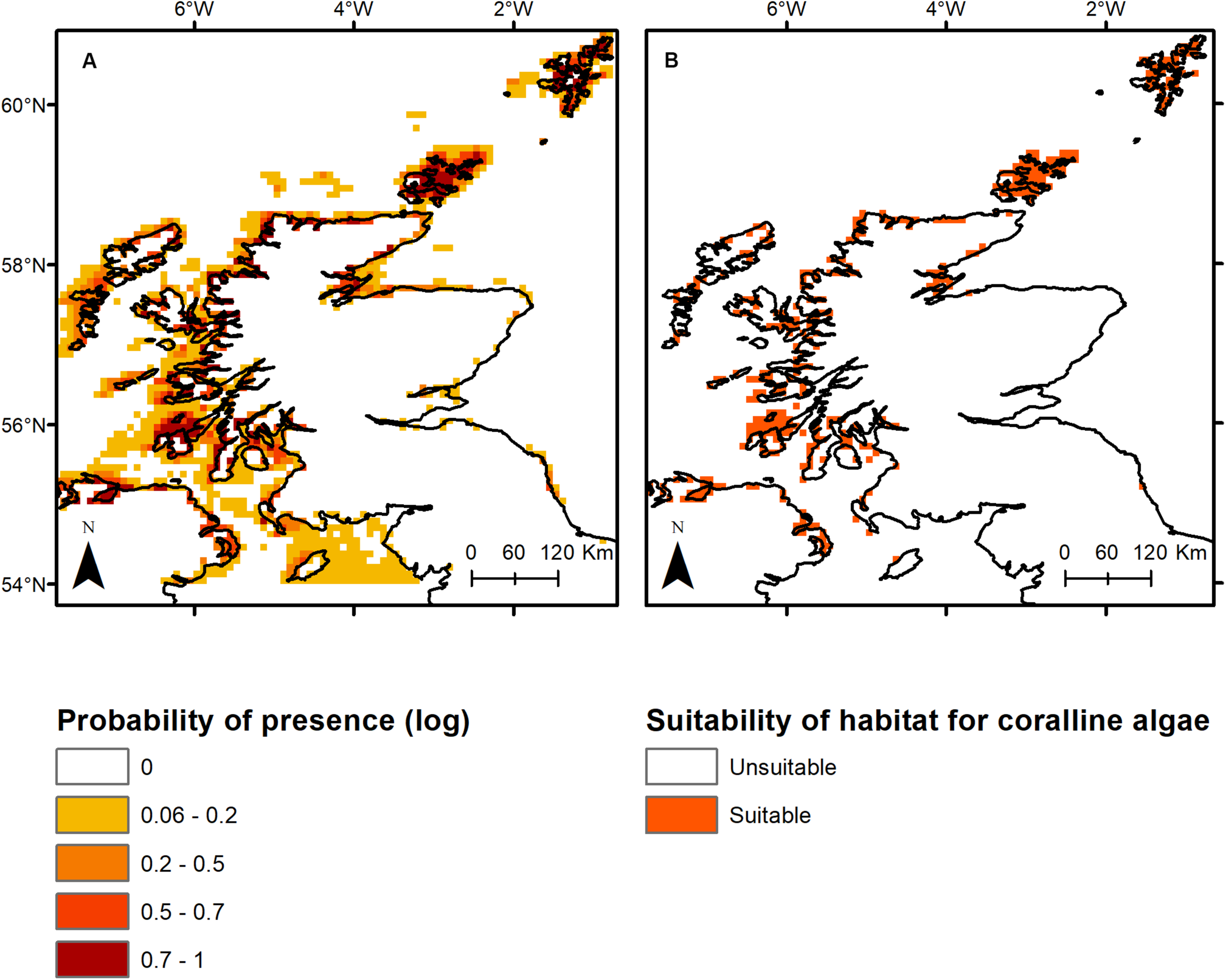
The studies in this Special Issue not only illustrate the impacts of OA and warming on calcifiers (e.g., physiology, calcification and survival), but also reveal potential mechanisms driving these impacts. Importantly, the adaptive response shown by some calcifiers, such as transgenerational plasticity, indicates their potential capacity to persist in future oceans. Yet, some of them (e.g., coralline algae) are predicted to be vulnerable to future seawater conditions and therefore conservation policy should be amended to protect their populations (Simon-Nutbrown et al.). More long-term, mechanistic studies are still needed to decipher the potential fate of calcifiers in future oceans (see Fig. 1 for the recommended future research directions).This would allow the use of integrative analyses (e.g., Adverse Outcome Pathway framework, Ducker and Falkenberg) to provide insights into generalities in responses and underlying mechanisms, and to give directions for management and mitigation efforts.