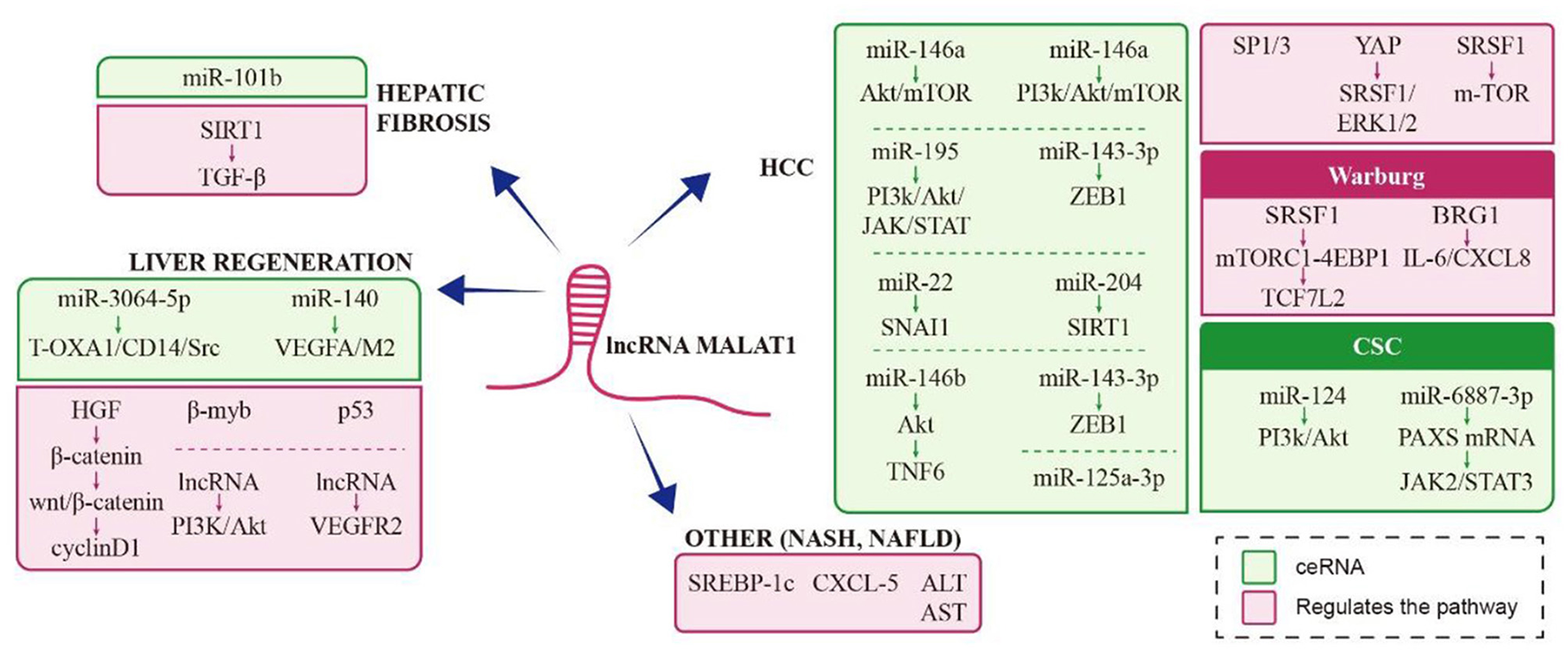
One key area of focus in precision medicine is the use of genetic and genomic information to guide treatment decisions. This is particularly relevant in the context of diseases such as renal cell carcinoma, hepatocellular carcinoma, and liver diseases, where specific genetic and genomic factors can be used to predict patient outcomes and guide treatment choices.Four articles highlight the potential use of precision medicine in improving patient outcomes for chronic disorder outside of oncology. "Long Non-coding RNA MALAT1: A Key Player in Liver Diseases" discuss the multiple roles of MALAT1 which as often in nature can be beneficial or harmful. It is beneficial when regeneration of liver is needed but overexpression could lead to proliferation and metastasis. "Low-Dose Everolimus Maintenance Therapy for Renal Angiomyolipoma Associated with Tuberous Sclerosis Complex" albeit a small study showed the long-term treatment of everolimus in renal angiomyolipoma. "EEG-Driven Prediction Model of Oxcarbazepine Treatment Outcomes in Patients with Newly-Diagnosed Focal Epilepsy" presents a prediction model based on electroencephalography data that is able to accurately predict treatment outcomes in patients with focal epilepsy being treated with oxcarbazepine. "Genome-wide association study of hyperthyroidism based on electronic medical record from Taiwan" identifies genetic risk factors for hyperthyroidism, which can be used to guide treatment.Schaibley's and Field's articles highlight the challenges and opportunities involved in implementing genomics-based precision medicine in clinical practice. "Limited Genomics Training Among Physicians Remains a Barrier to Genomics-Based Implementation of Precision Medicine" raise the awareness that genomics training for healthcare professionals needs to start at the medical school level to teach physcians how to use genomic data in patient care. "Bioinformatic Challenges Detecting Genetic Variation in Precision Medicine Programs" discusses the challenges involved in using bioinformatics techniques to analyze and interpret genomic data in precision medicine programs, including the need to develop robust data management systems and to address issues of data privacy and security. The use of artificial intelligence (AI) in training and use for precision medicine can help to address these challenges by providing tools and algorithms that can automate the analysis of genomic data and support the development of personalized treatment plans. However, it is important to ensure that these AI-based approaches are validated and that they are used in a responsible manner that considers the unique needs and circumstances of individual patients.The rest of the articles emphasize precision medicine in oncology; all highlight the potential of precision medicine in improving patient outcomes and tailoring treatment to the specific needs of individual patients in oncology. "A Somatic Mutation Signature Predicts the Best Overall Response to Anti-programmed Cell Death Protein-1 Treatment in Epidermal Growth Factor Receptor/Anaplastic Lymphoma Kinase-Negative Nonsquamous Non-small Cell Lung Cancer" demonstrates the potential of using a somatic mutation signature, a profile of genetic changes present in a tumor, to predict the best overall response to anti-PD-1 treatment in non-small cell lung cancer. "Precision Medicine: An Optimal Approach to Patient Care in Renal Cell Carcinoma" discusses the genetic and genomic changes that are associated with renal cell carcinoma and how these changes can be used to guide treatment decisions. "Development and Validation of a Prognostic Signature Associated with Tumor Microenvironment Based on Autophagy-Related lncRNA Analysis in Hepatocellular Carcinoma" presents a prognostic signature based on the analysis of long non-coding RNAs associated with the tumor microenvironment that is able to accurately predict patient outcomes in hepatocellular carcinoma. These studies show that precision medicine has the potential to revolutionize the management of cancer by providing personalized treatment strategies based on the unique characteristics of each patient's disease.In conclusion, precision medicine is changing the way medicine is implemented and continues to improve patient outcomes. As significant as the advances are in this field, there are still challenges to be addressed including education of physicians in this area and new technologies to drive the science toward precision, the benefits of precision medicine are clear, and it is essential that we continue to invest in and support research in this field.
Editorial03 March 2023
Editorial: Insights in precision medicine: 2021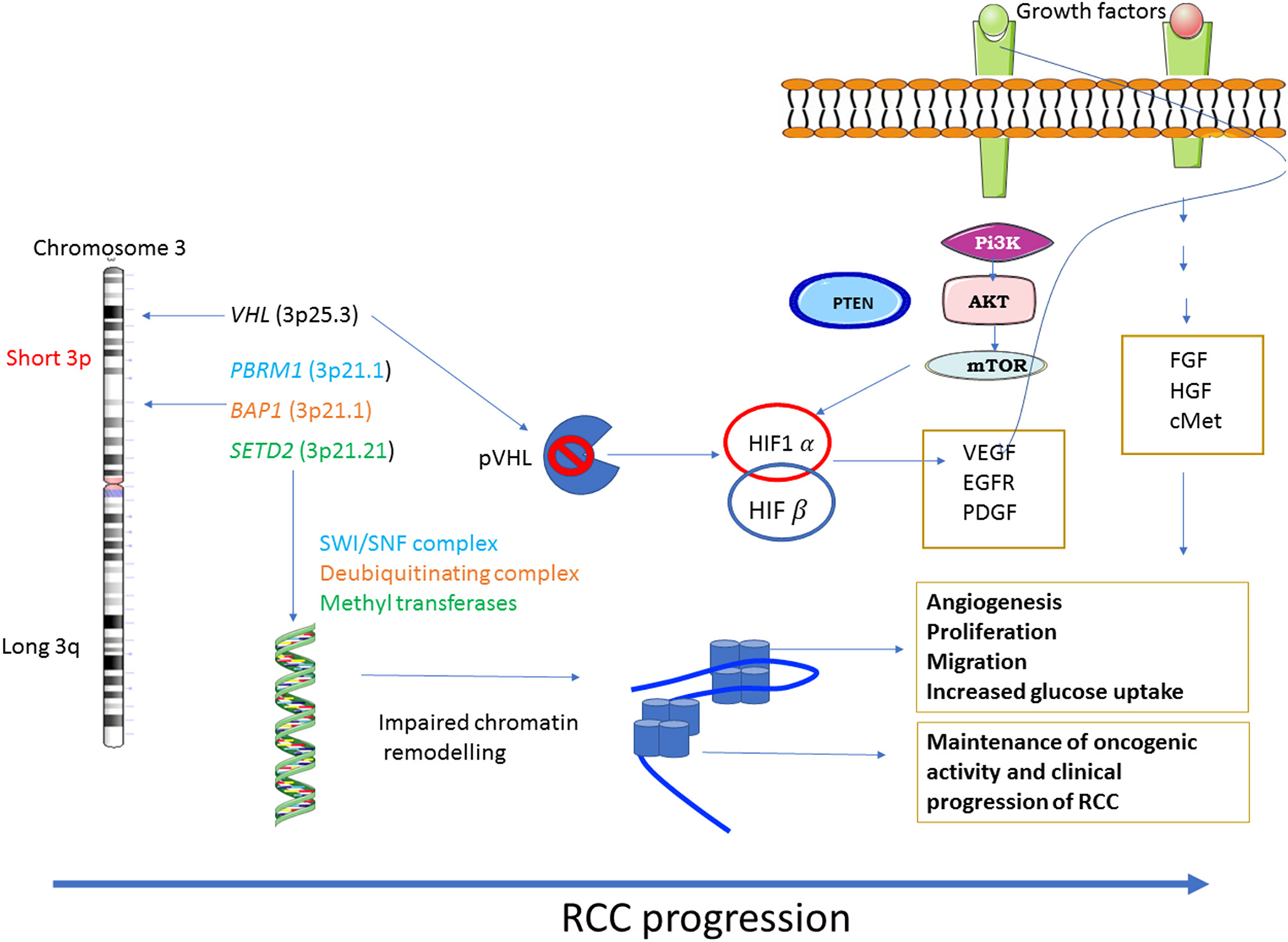
Abstract
Renal Cell Cancer (RCC) is a heterogeneous tumor that shows both intra- and inter-heterogeneity. The heterogeneity is displayed not only in different patients but also between the RCC cells within the same tumor, which makes treatment difficult due to varying degree of responses generated in RCC heterogeneous RCC tumor cells even with the targeted treatment. In that context, precision medicine (PM), in terms of individualized treatment catered for a specific patient or groups of patients, can shift the paradigm of treatment in the clinical management of RCC. Recent progress in the biochemical, molecular, and histological characteristics of RCC has thrown light on many de-regulated pathways involved in the pathogenesis of RCC. As PM-based therapies are rapidly evolving and few are already in current clinical practice in oncology, one can expect that PM will expand its way towards the robust treatment of RCC patients. This article provides a comprehensive background on the recent strategies and breakthroughs of PM in oncology and provides an overview of potential applicability of PM in RCC. The article also highlights on the drawbacks of PM and provides a holistic approach to the care of cancer patients that goes beyond the involvement of clinicians and scientists and encompasses appropriate legislative and administrative care imparted by the healthcare system and the insurance providers. It is anticipated that the combined efforts from all sectors involved will make PM accessible to RCC and other cancer patients making a tremendous positive leap on individualized treatment strategies. This will subsequently enhance the quality of life in patients.

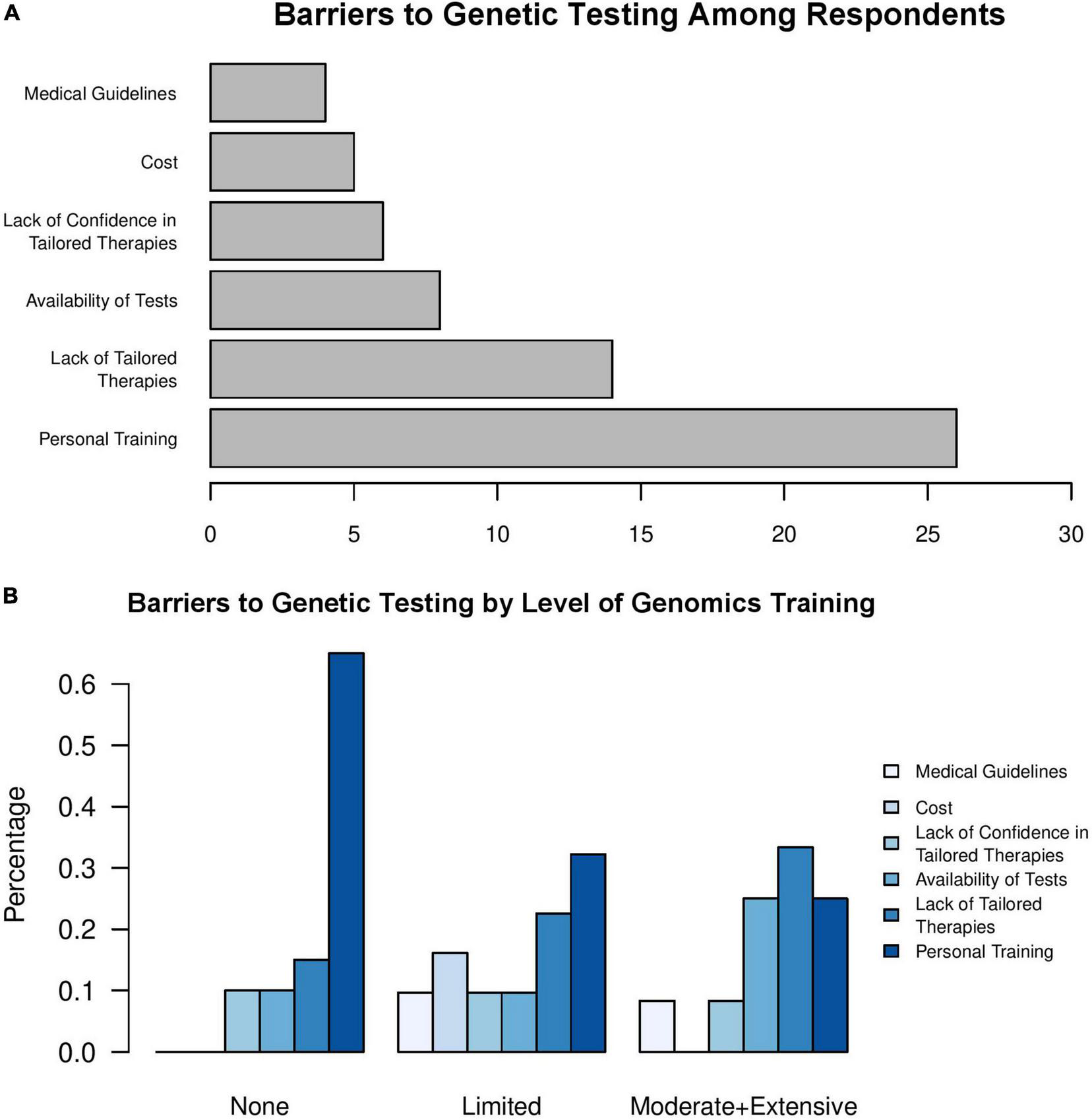
The field of precision medicine has undergone significant growth over the past ten years. Despite increasing applications of clinical genetic and genomic testing, studies consistently report limited knowledge of genetics and genomics among healthcare providers. This study explored barriers to the implementation of precision medicine by surveying physicians working in a large academic medical center. We assessed prior training in genetics, use of genetic testing in the clinic, desire for additional resources in genetics and genomic medicine and perceived barriers to successful integration of precision medicine. Only 20% of respondents reported moderate or extensive training in genetics. Physicians with limited or no training in genetics were less likely to have ordered a genetic test for any purpose. Furthermore, 41% of physicians responded that personal training focused on which genetic tests to order and how to interpret results from specific genetic tests were the most significant barrier to using genetic testing in their clinic. These findings suggest that future efforts to realize the promise of precision medicine should focus on the integration of training programs for non-genetics trained healthcare providers.