Editorial: Insights in cardiac rhythmology 2021
Editorial16 August 2022
Editorial: Insights in cardiac rhythmology 2021

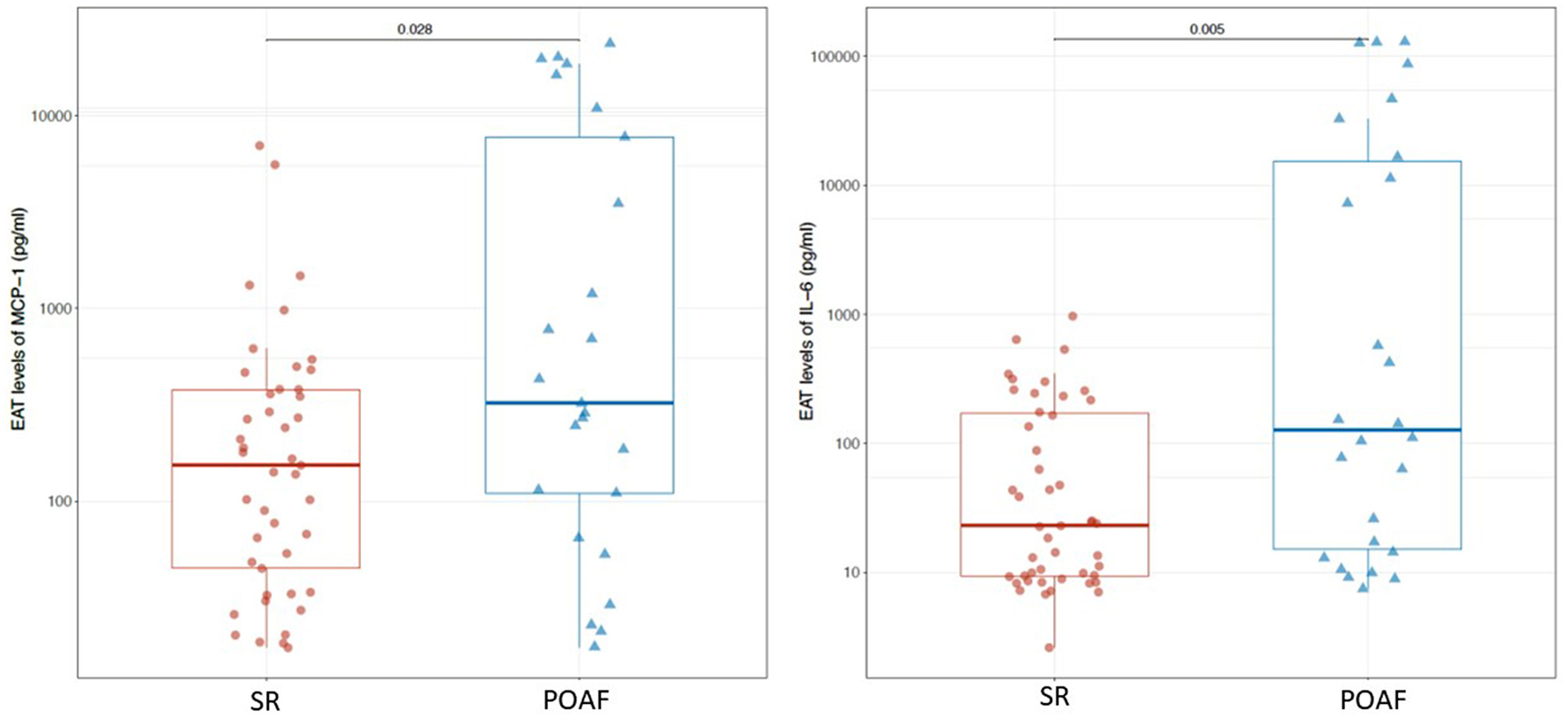
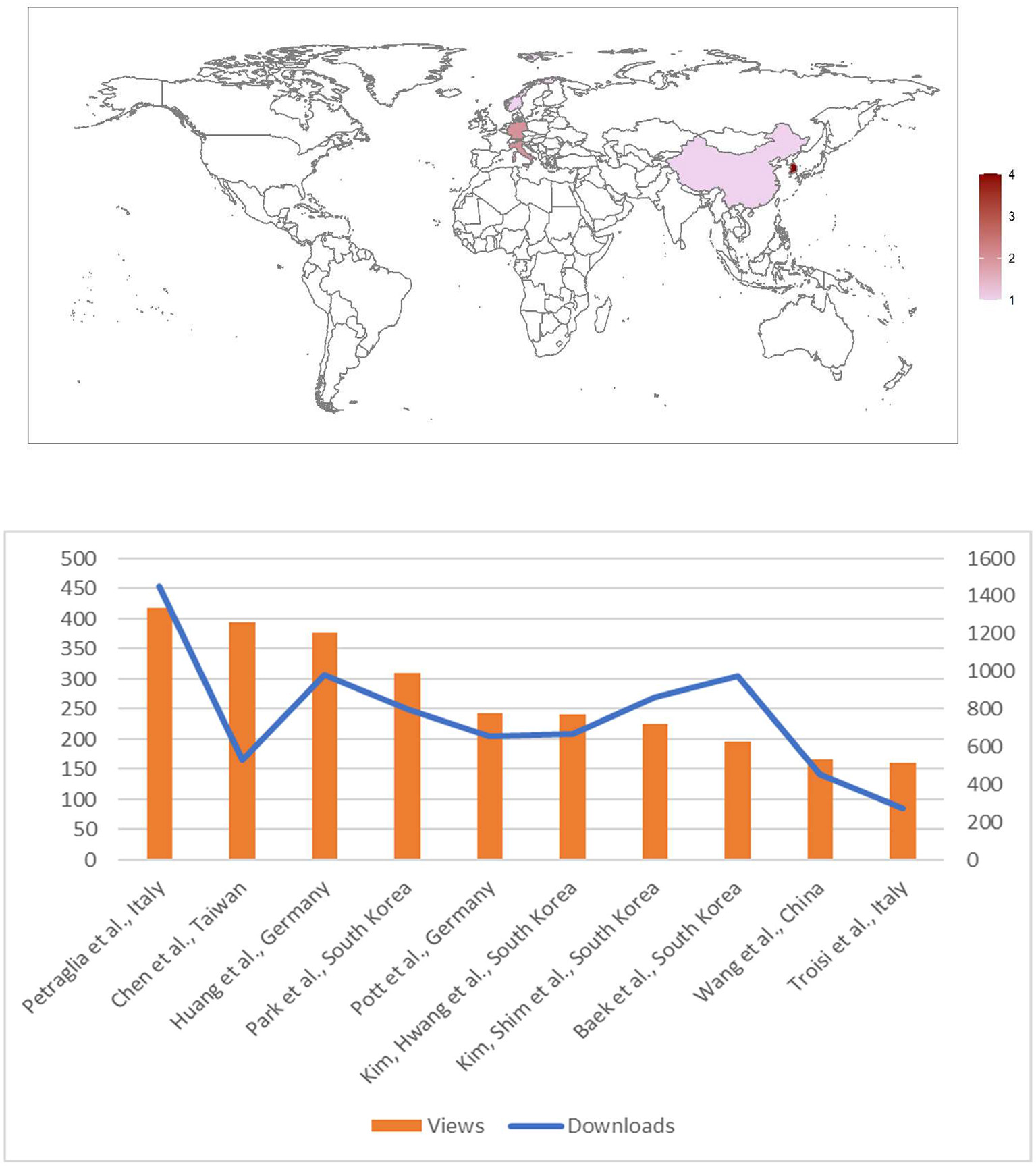
2021 has been a year of transition and, again, of great change. Old but never quiescent challenges have risen anew after the pandemic, being the effects of climate change and international political crisis blatant these days. The scientific community has proven an unprecedented sense of cooperation and showed its strength by providing a safe and effective solution to one of the greatest health and social crises of the last century. The widespread availability of vaccines for COVID-19 allowed a gradual relaxation of restraint measures and a progressive return to normality. Indeed, 2021 scientific production has been characterized by this sense of international corporate effort, being the scientific community aware of its crucial role in providing effective solutions; Cardiac Rhythmology included (Figure 1).A great consideration has been given to atrial fibrillation (AF) and its therapeutic strategies. Out of the classic questions, attention to the metabolic relationships of the arrhythmia has emerged. New evidence shows how epicardial adipose tissue is linked to perioperative AF following cardiac surgery 1 ; this relation is mediated by an increased level of inflammation pointing toward the importance of immunology and metabolic interplay in the development of the arrhythmia. Moreover, Kim et al. demonstrated that malnutrition, which is associated with an increased risk of AF occurrence, is also linked to a greater risk of complications after AF catheter ablation 2 . Similarly, a low BMI and female gender was associated to a greater risk of non-transient phrenic nerve palsy 3 ; in this case, it is probably due to an increased proximity of the right phrenic nerve to the ablation target in these patients, however, as suggested by the Authors, the increased levels of epicardial adipose tissue in men and in those with higher BMI may play a relevant role in thermal insulation. Therefore, bearing in mind the recent experience with gliflozines, widening their effects from diabetes mellitus treatment to cardiovascular prevention in heart failure patients, greater attention should be raised to metabolic aspects when approaching AF patients.Technological improvement is constant and new tools are available on almost a daily basis in cardiac electrophysiology, allowing, for instance, the development of new ablation strategies and a deeper knowledge of AF pathophysiology 4 . In this respect, pulmonary vein isolation as the sole ablation target in persistent AF is currently questioned and a more comprehensive approach may be advocated 5 . The development of new mapping technologies will lead to a further reduction of fluoroscopy use and greater diffusion of "zero X-rays" procedures 6-8 also for complex and extensivesubstrate transcatheter procedures.The attention to new treatment strategies for AF management is rooted in the results of the EAST-AFNET 4 trial, which showed the benefit of rhythm control strategies in the early phases of the disease 9 . The publication of the exciting 1 year follow-up results of pulse-field ablation trials suggests that this technology will soon have an increasingly relevant role in the invasive management of arrhythmias 10 . Growing evidence point towards catheter ablation as first line treatment 11 ; however National Health services could struggle to cope with this high demand of ablation procedures, and efforts should be aimed to increase their availability.In addition, the approach to the treatment of ventricular tachycardia is undergoing a complete change with catheter ablation assuming a major role. The increasing knowledge of arrhythmogenesis and improved substrate definition pave the way for a more effective management for this dire arrhythmia 12 . Eventually, artificial intelligence will play a progressively central role in medicine, with the use of large database allowing to develop new algorithms in order to better stratify patients and predict response to therapy and disease progression 13,14 .However, many questions still lay unsolved. A clear definition of the relationship between AF and stroke and firm evidence on need and timing of anticoagulation for subclinical AF episodes are still lacking. The solution of these conundrums is at quest of several studies. Given these premises, we foresee that future years will be at least as scientifically exciting as 2021, and we eagerly await apprises that will soon arrive; so, keep in touch!

1,424 views

Background: Awareness of radiations exposure risks associated to interventional cardiology procedures is growing. Availability of new technologies in electrophysiology laboratories has allowed to reduce fluoroscopy usage during arrhythmias ablations. The aim of this study was to describe procedures with and without X-Rays and to assess feasibility, safety and efficacy of zero fluoroscopy intervention in a high-volume center oriented to keep exposure to ionizing radiation as low as reasonably achievable. Methods: Cardiac catheter ablations performed in our hospital since January 2017 to June 2021. Results: A total of 1853 procedures were performed with 1957 arrhythmias treated. Rate of fluoroless procedures was 15.4% (285 interventions) with an increasing trend from 8.5% of 2017 to 22.9% of first semester 2021. The most frequent arrhythmiatreated was atrial fibrillation (646; 3.6% fluoroless) followed by atrioventricular nodal reentrant tachycardia (644; 16.9% fluoroless), atrial flutter (215; 8.8% fluoroless), ventricular tachycardia (178; 17.4% fluoroless), premature ventricular contraction (162; 48.1% fluoroless) and accessory pathways (112; 31.3% fluoroless). Although characteristics of patients and operative details were heterogeneous among treated arrhythmias, use of fluoroscopy did not influence surgical time. Moreover, feasibility and efficacy were 100% in fluoroless ablations while the rate of major complications was very low and not different with and without fluoroscopy (0.45% vs 0.35%). Conclusions: Limiting the use of X-Rays is necessary especially when the available technologies allow a zero approach. A lower radiation exposure may be reached reducing fluoroscopy usage whenever possible during cardiac ablation procedures with high safety, full feasibility and efficacy.

4,967 views

26 citations

4,925 views

13 citations

ORIGINAL RESEARCH
10 March 2022
The Roles of Fractionated Potentials in Non-Macroreentrant Atrial Tachycardias Following Atrial Fibrillation Ablation: Recognition Beyond Three-Dimensional Mapping
Yu-Chuan Wang, 4 more and Jian Chen

2,438 views

2 citations

ORIGINAL RESEARCH
4 February 2022
Dopamine D1/D5 Receptor Signaling Is Involved in Arrhythmogenesis in the Setting of Takotsubo Cardiomyopathy
Mengying Huang, 10 more and Ibrahim Akin

4,454 views

11 citations

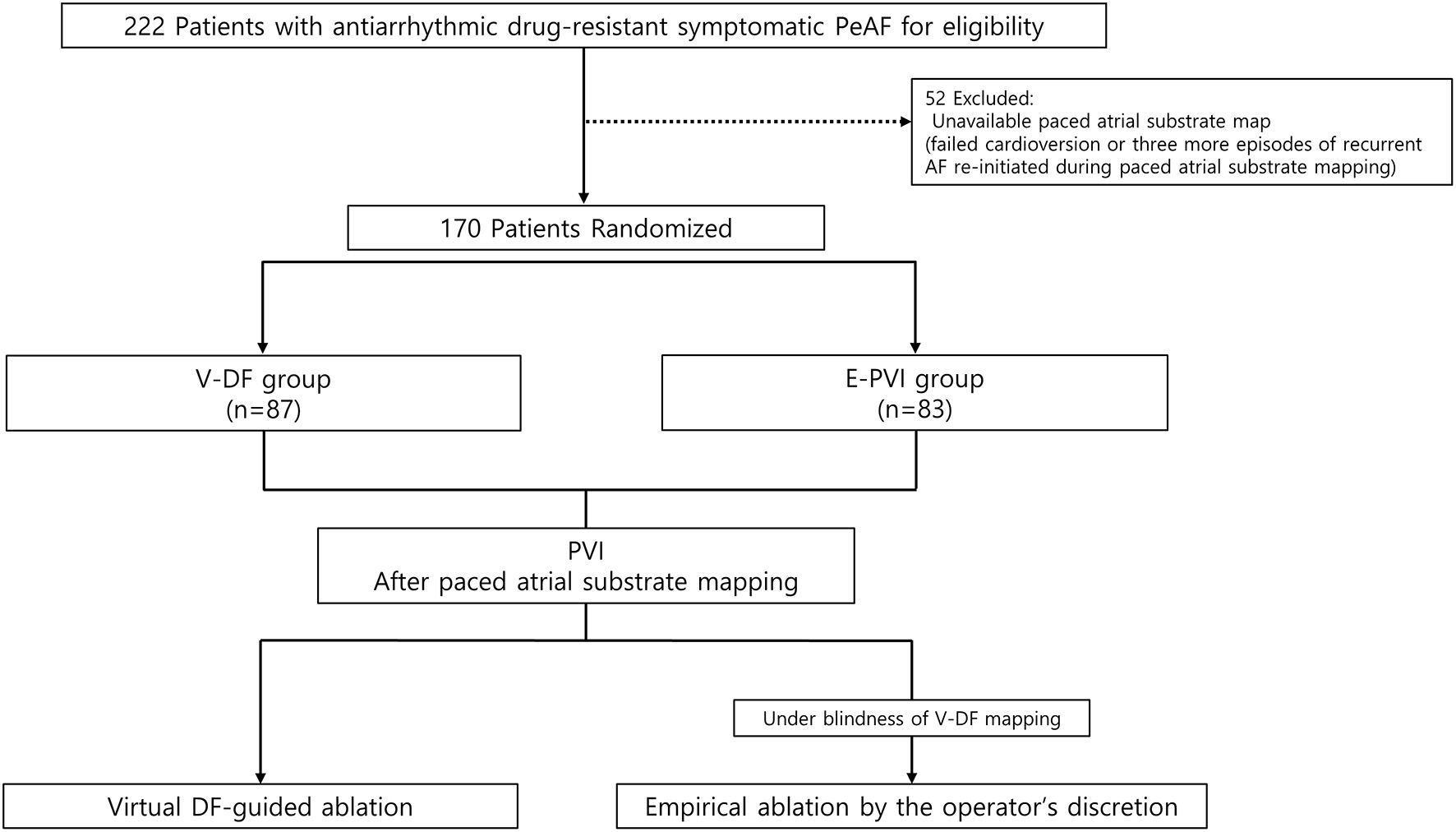
Clinical Outcomes of Computational Virtual Mapping-Guided Catheter Ablation in Patients With Persistent Atrial Fibrillation: A Multicenter Prospective Randomized Clinical Trial
CLINICAL TRIAL
8 December 2021
Clinical Outcomes of Computational Virtual Mapping-Guided Catheter Ablation in Patients With Persistent Atrial Fibrillation: A Multicenter Prospective Randomized Clinical Trial
Yong-Soo Baek, 12 more and the CUVIA-AF 2 Investigators

5,609 views

23 citations

Extra-Pulmonary Vein Triggers at de novo and the Repeat Atrial Fibrillation Catheter Ablation
ORIGINAL RESEARCH
4 November 2021
Extra-Pulmonary Vein Triggers at de novo and the Repeat Atrial Fibrillation Catheter Ablation
Daehoon Kim, 7 more and Hui-Nam Pak

4,912 views

31 citations

ORIGINAL RESEARCH
25 October 2021
Malnutrition and Risk of Procedural Complications in Patients With Atrial Fibrillation Undergoing Catheter Ablation
Daehoon Kim, 9 more and Hui-Nam Pak
Malnutrition and Risk of Procedural Complications in Patients With Atrial Fibrillation Undergoing Catheter Ablation
Background: Little is known about the prognostic value of nutritional status among patients undergoing atrial fibrillation (AF) catheter ablation (AFCA). We compared the risk of procedure-related complications and long-term rhythm outcomes of AFCA according to nutritional status. Methods: We included 3,239 patients undergoing de novo AFCA in 2009-2020. Nutritional status was assessed using the controlling nutritional status (CONUT) score. The association between malnutrition and the risk of AFCA complications or long-term rhythm outcomes was evaluated. We validated the effects of malnutrition using an external cohort of 360 patients undergoing AFCA in 2013-2016. Results: In the study population (26.8% women, median age: 58 years), 1,005 (31.0%) had malnutrition (CONUT scores ≥2); 991 (30.6%) had mild (CONUT 2–4) and 14 (0.4%) had moderate-to-severe (CONUT ≥5) malnutrition. The overall complication rates after AFCA were 3.3% for normal nutrition, 4.2% for mild malnutrition, and 21.4% for moderate-to-severe malnutrition. Moderate-to-severe malnutrition (odds ratio [OR] 6.456, 95% confidence interval [CI] 1.637-25.463, compared with normal nutrition), older age (OR 1.020 per 1-year increase, 95% CI 1.001-1.039), female sex (OR 1.915, 95% CI (1.302-2.817), and higher systolic blood pressure (OR 1.013 per 1-mmHg increase, 95% CI 1.000-1.026) were independent predictors for the occurrence of complications. In the validation cohort, malnutrition (CONUT ≥2) was associated with a 2.87-fold higher risk of AFCA complications (95% CI 1.174-7.033). The association between malnutrition and a higher risk of AFCA complications was consistently observed regardless of body mass index and sex. Malnutrition did not affect rhythm outcomes during the median follow-up of 40 months (clinical recurrence: 37.0% in normal nutrition versus 36.5% in malnutrition). Conclusion: Malnutrition, which is common in patients undergoing AFCA, was associated with a substantially higher risk for complications after AFCA.

3,554 views

16 citations

ORIGINAL RESEARCH
6 October 2021
HATCH Score and Left Atrial Size Predict Atrial High-Rate Episodes in Patients With Cardiac Implantable Electronic Devices
Ju-Yi Chen, 1 more and Wei-Da Lu

3,337 views

10 citations