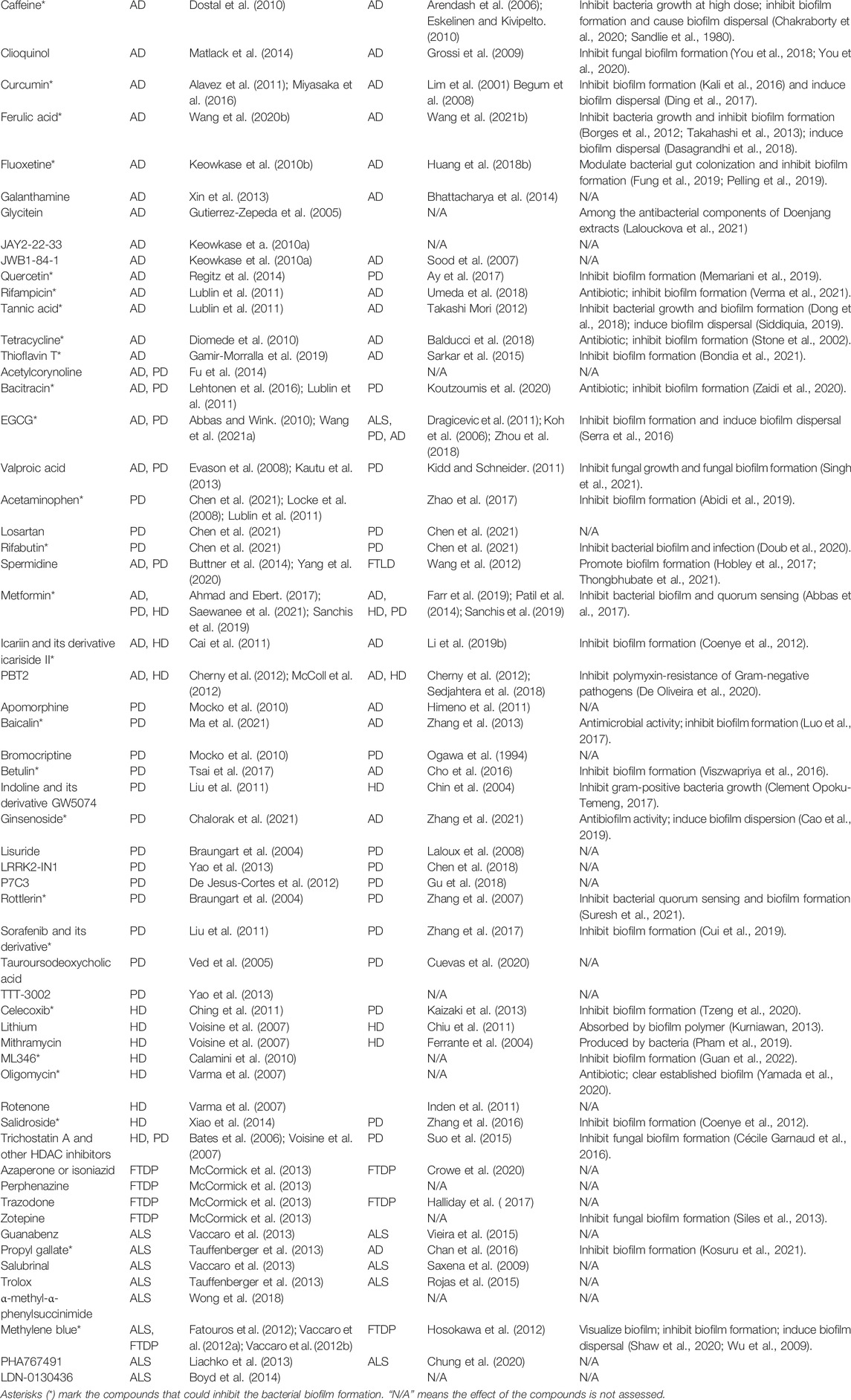
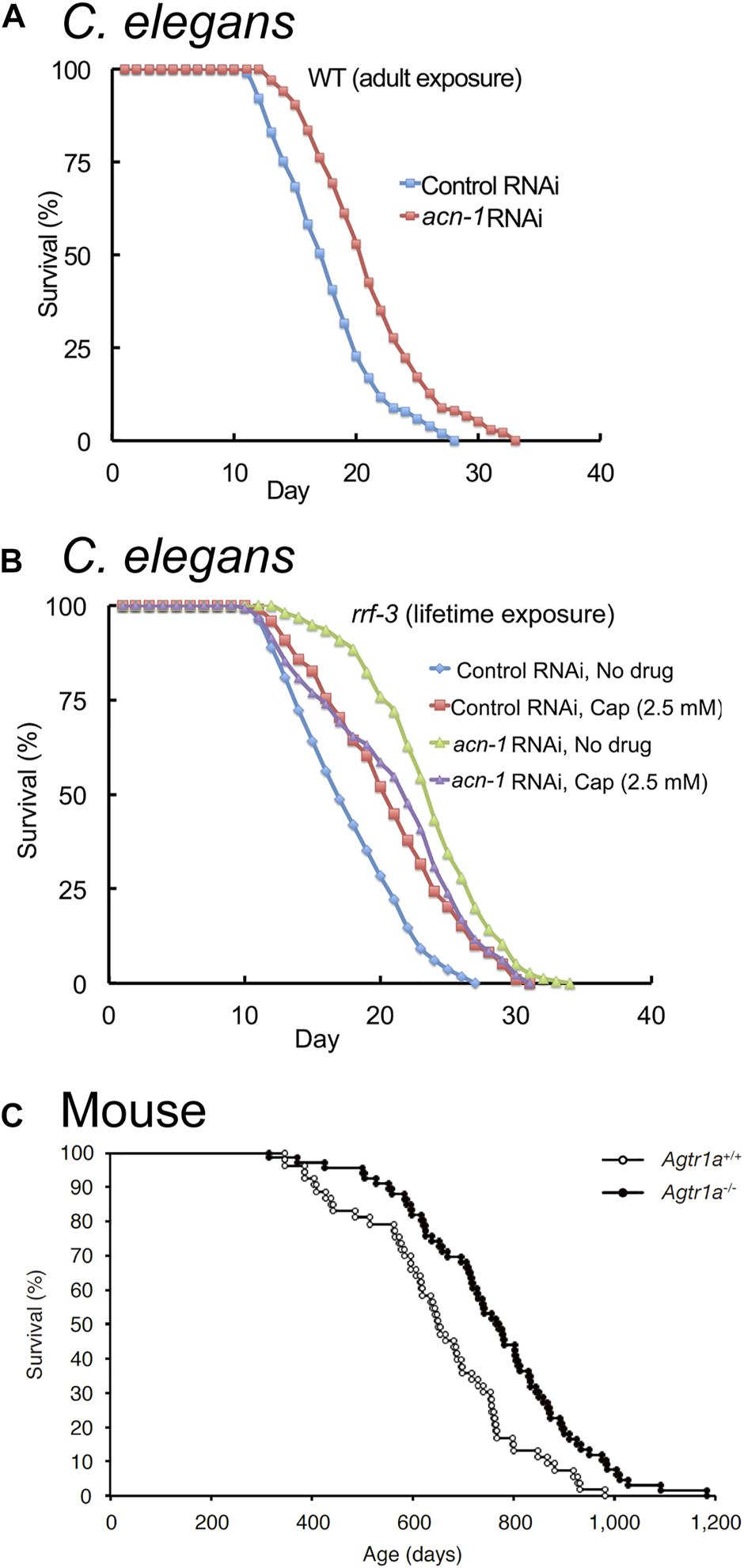
As a model organism, the genetically tractable nematode Caenorhabditis elegans has helped revolutionize modern life sciences, e.g. the pioneering work of programmed cell death, RNA interference (RNAi) and green fluorescent protein (GFP) in C. elegans and the wide-range applications of such technologies in biomedical areas. In the past decade, C. elegans has been increasingly used as a favorable and affordable in vivo animal model in pharmacological research and drug discovery, including target as well as lead identification. Indeed, C. elegans has already shown great power in the evaluation of potential therapeutics at both molecular and organismal levels owing to its short lifespan, relative simplicity and high degree of experimental tractability, and strengthened by significant conservation of disease genes and signaling pathways with humans. For example, transgenic C. elegans strains expressing human disease proteins have been generated to model neurodegenerative disorders such as Alzheimer's, Parkinson's and Huntington's diseases, and have been used to screen for pharmacologically active compounds and to study their mechanisms of action (Wang et al., 2021;Egan et al., 2022;Wang and Zheng, 2022). These studies not only exemplify the superiority of C. elegans in animal-based high-throughput screening but also provide an insight into the mechanisms of candidate compounds, demonstrating its transformative power in translational research for drug discovery and development. Due to its rapid life cycle and short lifespan, C. elegans can also be used to monitor long-term and even cross-generational outcomes of pharmacological interventions. Furthermore, C. elegans can also be conveniently used to study the overall efficacy, multitargeting capacity and potential interactions of component herbs of traditional complex formulae as recently demonstrated by formula dissection approaches (Xiao et al., 2020). However, to fully unleash the potential of C. elegans in pharmacology, methodological, strategic and application innovations are further needed.Aging is a major risk factor for many age-related diseases in humans, including late-onset 37 neurodegenerative diseases.
4 Authors
- BM
Brian M. Egan
Department of Developmental Biology, United States
- AS
Andrea Scharf
Department of Developmental Biology, United States
- FP
Franziska Pohl
Department of Developmental Biology, United States
- KK
Kerry Kornfeld
Department of Developmental Biology, United States

7 Authors
- LT
Lin Tan
Key Laboratory for Aging and Regenerative Medicine, China
- ZZ
Zhuo-Ya Zheng
Key Laboratory for Aging and Regenerative Medicine, China
- LH
Lv Huang
Key Laboratory for Aging and Regenerative Medicine, China
- ZJ
Zhong Jin
Luzhou City Hospital of Traditional Chinese Medicine, China
- SL
Su-Lian Li
Affiliated Traditional Chinese Medicine Hospital of Southwest Medical University, China
- GW
Gui-Sheng Wu
Key Laboratory for Aging and Regenerative Medicine, China
- HL
Huai-Rong Luo
Key Laboratory for Aging and Regenerative Medicine, China
8 Authors
- AM
Amirthalingam Mohankumar
PAK Research Center, Japan
- DK
Duraisamy Kalaiselvi
Department of Agricultural Chemistry, Republic of Korea
- GT
Govindhan Thiruppathi
Department of Zoology, India
- SM
Sivaramakrishnan Muthusaravanan
Department of Biotechnology, India
- SV
Subramaniam Vijayakumar
Department of Medical Physics, India
- RS
Rahul Suresh
International Research Center of Spectroscopy and Quantum Chemistry—IRC SQC, Russia
- ST
Shinkichi Tawata
PAK Research Center, Japan
- PS
Palanisamy Sundararaj
Department of Zoology, India
4,116 views
7 citations