COVID-19: challenges, opportunities and lessons for occupational health

131kviews
Editorial06 January 2023
Editorial: COVID-19: Challenges, opportunities and lessons for occupational health

We offer a collection of viewpoints from international submissions addressing the impact of the current pandemic on workers and their health.The COVID-19 pandemic has incurred a devastating impact on workers globally, and has adversely affected worker rights, including the temporary and unemployed workforce, and the vast informal, migrant and child workforce. It has exacerbated poverty and economic, social and political inequalities (1), (2).As of end November 2022, the likely underestimated confirmed global COVID-19 death count was 6.7 million, and total confirmed cases were 650 million, among a global 8 billion population. For workersformal, informal, migrant, women, children, disabledthere are lessons to learn and apply because there will be new pandemics. We have technological and public health knowhow to prevent worker deaths, lost work time, and prolonged disability.In October 2021, Frontiers petitioned globally for studies of the impact of COVID-19 on occupational health to come up with lessons to prepare for future pandemics. Some key topics posted by the editorial panel for research included occupational health equity, international cooperation, medico-legal aspects, vulnerable workers, and a call for strategy and policy insights.Of 19 published submissions from 11 nations this past year, 11 focused on health worker mental, physical and performance impacts, several from China, while three reported respectively on non-This is a provisional file, not the final typeset article healthcare front-facing services, education (teachers and students), and other sectors. One was a study of exposure risk indicators proposing a possible new job risk measure of Hospital Daily Admissions where other standard epidemiological indices might be sparse, as in low-resource settings.Health workers were a high priority for adverse impacts. However, the risk of severe COVID-19 infection among health workers can be remarkably reduced by strict adherence to public health measures at the workplace as was recently reported by a study from Japan (3). This suggests that there is still much to be investigated and learned to help inform preventive and control guidance for future pandemics, not only in health work but in all work settings.A summary of the 19 articles follows. Most were cross-sectional qualitative and descriptive reports based on questionnaire surveys or records review, though other reports and opinions were included.

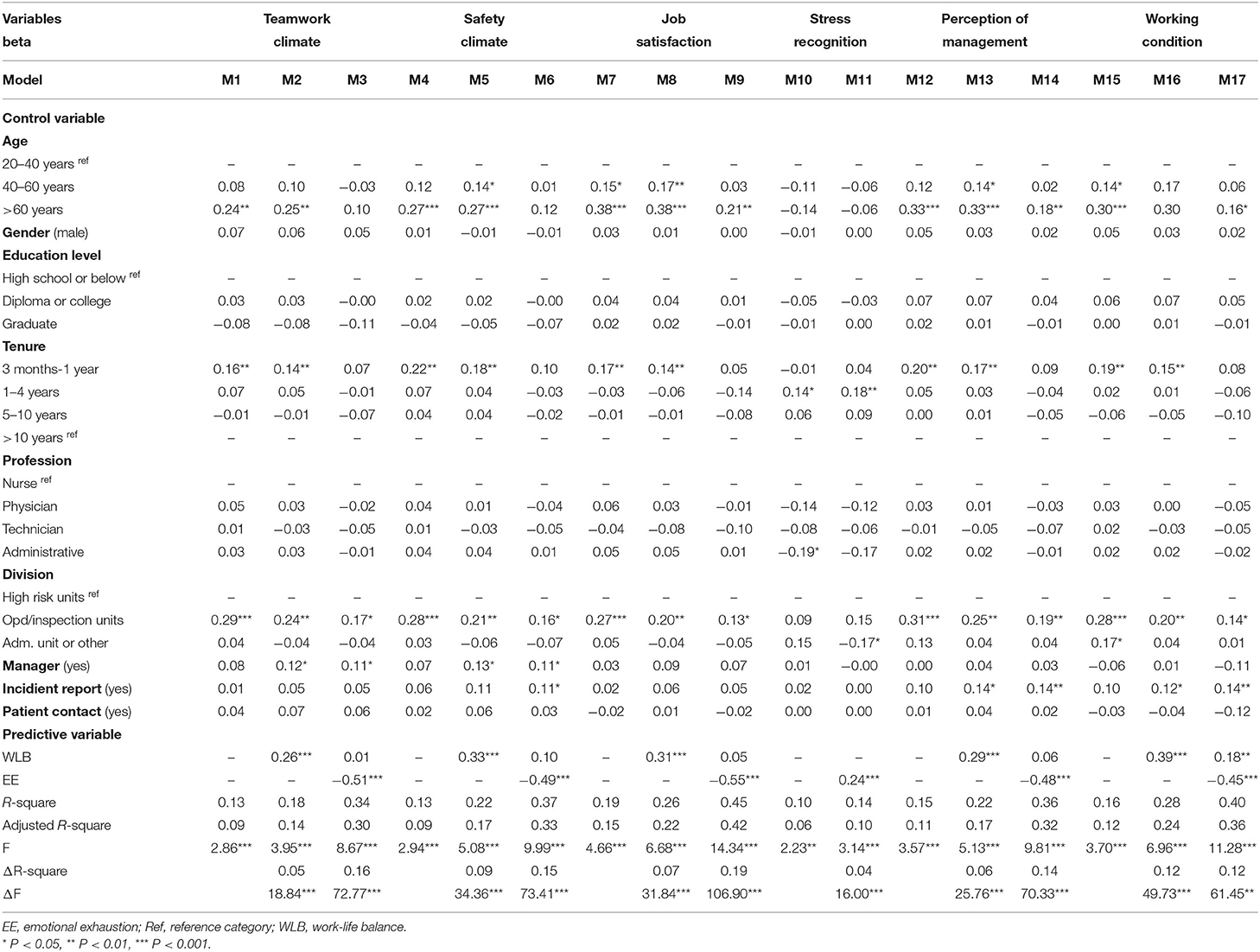
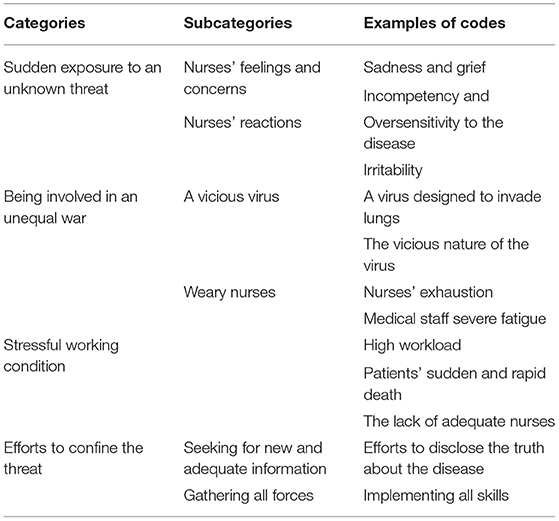
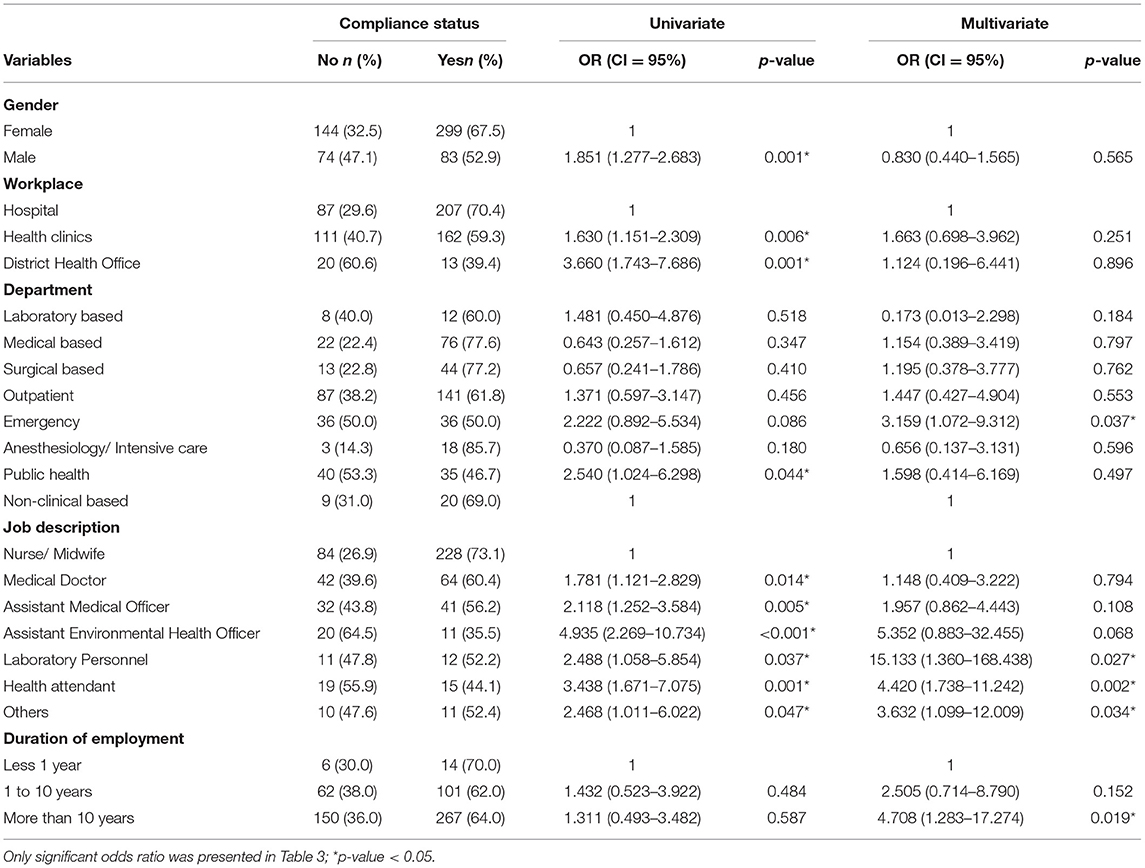
A survey from Iran by Karimi, et al, of 170 hospital nursing staff caring for COVID-19 patients, using the Maslach Burnout Inventory, Turnover Intention and Michigan Organizational Assessment for Intent to Leave questionnaires, suggested that reduced personal accomplishment was a strong predictor of intent to leave. They recommended coping strategy counseling.A report by Wang H, et al, sought to clarify stressful factors affecting health workers in temporary alternative care facilities in northeast China that handled hospital overflow during the COVID-19 pandemic. They identified five major factors with passive factors related to facilities design and active factors related to personal protective equipment (PPE) and counseling.A systematic review of 12 studies of adverse physical and psychological impacts and adaptations of 121 COVID-19 ICU nurses (China 6, Turkey 2, Iran 2, USA 1, Spain 1) by Han P, et al, found that managers should support nurses with strategies integrating all aspects of the work and social environment to maintain workforce coping and satisfaction.A survey from China of comparing a total of 1,000+ nurses and COVID-19 patients by Zhao, et al, using the well-known PHQ-9 (depression) and GAD-7 (anxiety) inventories found that nurses exhibited significantly more depression than patients, while patients were more anxious than nurses. Over 95% of these frontline nurses and COVID-19 patients reported having not received prepandemic counseling, and such counseling was recommended.Daryanto, et al, surveyed 1,077 health workers in an urban area of Java Indonesia and found that one-fifth suffered burnout, most strongly associated with young age and long work hours.An online descriptive psychological survey from Japan by Sawamura, et al, of 4,418 occupational therapists (OT) in two work domainsphysical and mental health servicesassessed the prevalence of anxiety, depression, insomnia and loneliness and found decreases in OT care quality with the main factor being depression in the physical health OT service sector, and insomnia in the mental health OT sector. -B) to investigate factors among 9,000 dentists that determine degree of adherence to COVID-19 Standard Operating Procedures (SOPs) for dental surgical procedures. They suggested the importance of providing increased holistic support through infrastructure, facilities, financing, training and PPE to increase adoption of COVID-19 SOPs.A qualitative review of COVID-19 hospital ward nurses in Iran by Mokhtari et al. identified four risk categories: sudden unknown threat exposure; exaggerated stress; feeling of being in an unequal war; and need to increase efforts to confine the threat to maintain good ethical and clinical decisionmaking. Their concerns were thought to be rooted in organizational and governmental issues.A Patient Safety Culture Survey using a 6-dimension safety attitudes questionnaire of 706 COVID-19 health workers in Taiwan by Wang SJ, et al, intended to address improvement in patient outcomes and health worker risks, revealed that key risk factors affecting patient safety were health worker emotional exhaustion (EE) and work-life balance (WLB) disruption. Government interventions that decreased workload to reasonable levels and that enhanced communication, improved health worker attitudes from negative to positive on safety climate, job satisfaction and perception of management. EE and WLB also improved.Over 4 weeks at a hospital outpatient clinic in China, Zhang, et al, surveyed body temperature and symptoms by questionnaire of all, >60,000, patients. They recommended increasing strategies for patient screening to improve prevention of health worker COVID-19 infection risk.Compliance with IPC best practices by 600 health workers in Malaysia was assessed by Mohamad, et al, using the WHO Interim Guidance questionnaire on exposure risk assessment and management for health workers. They reported a 63.7% compliance rate (all responses "always"), leaving a significant >36% of health workers not compliant. The authors recommended intervention and monitoring programs for IPC and OH programs such as an OH committee.A creative study from France, Valter, et al, proposed a possible new standard for COVID-19 exposure risk for communities and work places (JEM, job exposure matrices) that we already know locally to include these four: ICU % occupancy; reproductive number (R0), COVID-19 test positivity rate; and number of positive cases per population reference. These epidemiological risk estimates are often difficult to truly compare. The authors proposed a fifth JEM called Daily Hospital Admissions (DHA) on a population level that can be applied to specific local job titles, which they suggested may be particularly useful in poorer countries to predict risk to workers and communities where data are lacking for other JEMs..

Clinical and hierarchy of control interventions were the focus of presumptive irritant contact hand dermatitis among a cohort of 21 health workers in a Singapore hospital related to ABHR (alcoholbased hand rub) product use averaging 50 times daily, and possibly glove use including latex, reported by Loi, et al. Clinical outcomes were followed by the hospital occupational health service doctors over several weeks. While some health workers were variably relegated to topical treatment and to temporary work restriction, or to modified duties to reduce exposures, approximately 80% reported improved symptoms, some with full resolution. Authors recommended milder ABHRs and if needed temporary job modification, with consideration of elimination of latex gloves and further evaluation.among health workers but also among so many other vulnerable worker sectors who lack adequate individual means of infection prevention and control.

1,990 views

4 citations

The coronavirus-19 (COVID-19) global pandemic has wrought hardship and disrupted lives across all strata of humanity, giving rise to a variety of social, psychological and medical challenges to individuals in almost every country in the world. Yet for all the difficulties the pandemic has inflicted, it has forced us to examine previously accepted practices at home, work and society more broadly, and has led to innovative changes in the way we communicate and collaborate. These novel approaches to contemporary challenges were devised primarily to allow continued productivity despite the need for social distancing, but have offered secondary advantages that could provide society with lasting benefits. In the following review, we outline three aspects of working life and public health which could experience lasting improvement on the back of lessons learnt from the current crisis.

2,970 views

7 citations

Introduction: Occupational hand dermatitis is common among healthcare workers, with increased incidence during the COVID-19 pandemic. Irritant contact dermatitis accounts for the majority of occupational hand dermatitis and is largely due to frequent contact with hand hygiene products. Long-term prognosis of occupational contact dermatitis is often very poor. This study aims to identify and implement suitable workplace interventions to aid in the recovery of occupational irritant hand dermatitis among healthcare workers during the COVID-19 pandemic. Methods: A quality improvement (QI) project was performed in a tertiary hospital using the Plan-Do-Study-Act model. Healthcare workers seen at the Occupational Dermatology Clinic from March 2020 to May 2021 for the first time for likely occupational irritant dermatitis were targeted for the project. Four workplace interventions were implemented: (a) substitute current alcohol-based hand rub (ABHR) with a different, gentler ABHR, (b) alternate ABHR with gentle hand wash products, (c) temporary job modification with less clinical work (d) switch latex gloves to nitrile gloves. The improvement was assessed after two months of workplace intervention using a visual analogue scale, based on changes seen on photographs taken at the baseline and monthly review. The target improvement was set at 70% after two months of workplace interventions. Results: A total of 21 participants were included in the QI project. All participants were found to have significant improvement in their hand condition. The estimated mean reduction of signs and symptoms was 80% in comparison to their baseline hand condition before intervention. Conclusion: Workplace interventions such as substituting irritant hand hygiene products with gentler alternatives and temporary reduction in clinical duties may be useful in improving the recovery rate of irritant hand dermatitis among healthcare workers. Areas with high hand hygiene workload or high incidences of hand dermatitis may opt to implement systemic workplace changes.

7,987 views

12 citations

14,429 views

35 citations

ORIGINAL RESEARCH
12 July 2022
Improving Patient Safety Culture During the COVID-19 Pandemic in Taiwan
Shu Jung Wang, 3 more and Ching Hsu Yang
Improving Patient Safety Culture During the COVID-19 Pandemic in Taiwan
Background and Aim: Patient safety culture attitude is strongly linked to patient safety outcomes. Since the onset of the COVID-19 pandemic in early 2020, pandemic prevention has become the priority of hospital staff. However, few studies have explored the changes in patient safety culture among hospital staff that have occurred during the pandemic. The present study compared the safety attitudes, emotional exhaustion (EE), and work–life balance (WLB) of hospital staff in the early (2020) and late (2021) stages of the COVID-19 pandemic and explored the effects of EE and WLB on patient safety attitudes in Taiwan. Materials and Methods: In this cross-sectional study, the Taiwan Medical Policy Association Patient Safety Culture Survey, including the 6-dimension Safety Attitudes Questionnaire (SAQ) and EE and WLB scales, were used for data collection. Results: This study included a total of 706 hospital employees from a district hospital in Taipei City. The respondents’ scores in each SAQ sub-dimension (except for stress recognition) increased non-significantly from 2020 to 2021, whereas their EE and WLB scores improved significantly (p < 0.05 and p < 0.01, respectively). The results of hierarchical regression analysis indicated that although a respondent’s WLB score could predict their scores in each SAQ sub-dimension (except for stress recognition), EE was the most important factor affecting the respondents’ attitudes toward patient safety culture during the later stage of the COVID-19 pandemic. Conclusion: In the post-pandemic, employees' attitudes toward safety climate, job satisfaction, and perception of Management changed from negative to positive. Additionally, both EE and WLB are key factors influencing patient safety culture. The present study can be used as a reference for hospital managers to formulate crisis response strategies.

5,914 views

20 citations

ORIGINAL RESEARCH
13 July 2022
The Effect of Regional Factors on the Mental Health Status of Frontline Nurses and Patients With COVID-19 During COVID-19: The Role of Depression and Anxiety
Shanguang Zhao, 5 more and Xin Wang

4,013 views

6 citations

ORIGINAL RESEARCH
27 June 2022
The Perceived Impact of COVID-19 on Functional Activities Among Canadian Education Workers: A Cross-Sectional Study
Frances Serrano, 4 more and Basem Gohar

2,527 views

5 citations

Purpose: This study was done to assess dimensions of burnout among healthcare workers and its role in the turnover intention during the first wave of the COVID-19 pandemic in Iran based on a structural model. Methods: This descriptive correlational study was performed among 170 healthcare workers in two reference hospitals of COVID 19 in Tehran Province, Iran, from September to December 2020. Data were collected using the Sociodemographic form, Maslach burnout Inventory (MBI), and Turnover Intention Questionnaire (Cammann1979). Data were analyzed with SPSS and Amos software version 22 using independent t-test, ANOVA, and structural equation model. Results: The mean scores for burnout in emotional fatigue, depersonalization, Personal accomplishment dimensions were 25.38 ± 7.55, 9.47 ± 4.40, 34.94 ± 7.80 respectively, moreover for the turnover intention was 6.51 ±3.17. Work position and interest in attending the organization were significantly correlated with the turnover intention (p <0.05). The reduced personal accomplishment was identified as a positive predictor of turnover intention (P = 0.01). Conclusions Feeling of personal accomplishment can play an effective role in preventing front-line nurses from retention during a coronavirus pandemic. Therefore, planning to improve the knowledge and empowerment of healthcare workers, increase resilience, support welfare, and improve the working environment during health crises is recommended.

5,605 views

28 citations

4,352 views

16 citations

The Experiences of Nurses in Care Provision to COVID-19 Patients: A Qualitative Study
ORIGINAL RESEARCH
29 April 2022
The Experiences of Nurses in Care Provision to COVID-19 Patients: A Qualitative Study
Razieh Mokhtari, 4 more and Mohamad Golitaleb
Introduction: Nurses are key fighters in the forefront of care provision to COVID-19 patients. Due to the diversity of nurses' experiences in different countries because of variable nursing resources, health care systems, and cultural contexts, the present study aimed to divulge a deep understanding of the essence of health system problems based on nurses' experiences of care provision to COVID-19patients in Iran. Methods: The present study was conducted based on the conventional content analysis method and Graneheim & Lundman approach. The participants included the nurses working in the COVID-19 wards and were recruited by purposeful sampling and based on inclusion criteria. The data were collected by conducting semi-structured, one-to-one interviews, and taking field notes, until reaching data saturation. Results: In-depth interviews with 12 nurses. represented four main categories and six subcategories. Sudden exposure to an unknown threat (nurses` feelings and concerns and nurses` reactions), being involved in an unequal war (a vicious virus and weary nurses), stressful working conditions, and efforts to confine the threat (seeking for new and adequate information and gathering all forces) were among the emerged data. Conclusion: The nurses' experiences showed that despite passing a while since the coronavirus pandemic, there are still individual and professional concerns that all root in organizational and governmental factors.

11,594 views

10 citations

ORIGINAL RESEARCH
5 April 2022
Association Between Loneliness and Sleep-Related Problems Among Japanese Workers During the COVID-19 Pandemic
Hirofumi Tesen, 8 more and Yoshihisa Fujino

2,909 views

9 citations

Nurse's Psychological Experiences of Caring for Severe COVID-19 Patients in Intensive Care Units: A Qualitative Meta-Synthesis
SYSTEMATIC REVIEW
21 March 2022

8,733 views

30 citations