Editorial31 March 2023
Editorial: AIDS 40th Year
Jiasheng Zhou, Shibo Jiang, Tongqing Zhou, Zhiwei Chen, 5 more and Linqi Zhang

about the host-HIV-1 interaction in terms of changes in host cell numbers and physiology during 20 HIV-1 infections; third, we summarize the new findings on relationships between HIV-1 infections 21 and other diseases; lastly, we briefly review the newly developed methods for detecting HIV-22 1/AIDS. Taken together, we hope that this collection of scientific articles provides new outlooks on 23 studying HIV-1 and AIDS from different perspectives as well as providing comprehensive 24 understanding of the specific phases of infection to identify and confirm viral mutations associated 25 with drug resistance. In addition, the positive and negative responses of various host cells towards 26 infection and new strategies to reduce physiological discomfort resulting from primary and 27 secondary infections are also discussed. Ultimately, it is our hope that these new research findings 28 provide new avenues and guidelines to prevent the spread of the virus and stimulate the search for 29 a cure for AIDS, eventually leading to the elimination of HIV-1. Although the virological aspect of HIV-1 has been studied for a relatively long time, given the 41 evolution of virus-generated mutations, the characteristics of those new virus subtypes need to be clarified as an important reference for subsequent practices including disease prevention and control.In the late stages of a HIV infection, most HIV-infected people die from opportunistic infections detecting HIV-1 drug resistance mutations, whereby this approach can amplify the HIV-1 pol gene 111 more accurately as well as economically to a threshold of 100 copies per ml.

In summary, this topic on 'AIDS 40th Year' focuses on the epidemiological characteristics of HIV-113 1, viral differences between several HIV-1 subtypes, the consequences during pathogenesis of HIV-114 1 infection, the cure for HIV-1, the relationship between AIDS and other diseases, and related 115 studies on current challenges. Collectively, findings from these studies can fill the existing gaps in 116 certain areas of HIV/AIDS, however, more detailed studies are necessary to reduce the transmission 117 of HIV-1, to prolong the lifespan of patients as well as to reduce patient discomfort. Finally, the 118 development of a HIV-1 vaccine and achieving a complete cure for HIV-1 infections and AIDS still 119 requires significant effort from researchers as well as all sectors of the community.

3,213 views

1 citations

ORIGINAL RESEARCH
27 January 2023
Novel TLR7/8 agonists promote activation of HIV-1 latent reservoirs and human T and NK cells
Yangyang Li, 8 more and Linqi Zhang
Antiretroviral therapy can successfully suppress HIV-1 replication to undetectable levels but fails to eliminate latent and persistent HIV-1 reservoirs. Recent studies have focused on the immunomodulatory agents such as Toll-like receptor 7 and 8 (TLR7 and TLR8) capable of activating, thereby rendering the reservoir susceptible to antiretroviral inhibition and immune recognition and elimination. In this context, this study focused on generating a diverse repertoire of TLR7/8 agonists to identify more potent candidates for activating latent HIV-1 and immune cells’ response. Through combinational strategies of computer-aided design and biological characterization, 159 pyrido [3,2-d] pyrimidine and pyridine-2-amine-based derivatives were synthesized. Of which, two TLR7/8 dual and one TLR8-specific agonists with exceptionally high potency in activating HIV-1 latent reservoirs in cell lines and PBMCs of patients with persistent and durable virologic controls were identified. Particularly, these agonists appeared to enhance NK and T cells activity, which were correlated with the degree of surface activation markers. The outcome of this study highlights the remarkable potential of TLR7/8 agonists in simultaneously activating HIV-1 from the latently infected cells and augmenting immune effector cells.
Novel TLR7/8 agonists promote activation of HIV-1 latent reservoirs and human T and NK cells

5,675 views

16 citations

ORIGINAL RESEARCH
25 November 2022
Young MSM changed temporal HIV-1 epidemic pattern in Heilongjiang Province, China
Qing-Hai Li, 9 more and Fu-Xiang Wang

3,135 views

11 citations

ORIGINAL RESEARCH
12 December 2022
Limited nucleotide changes of HIV-1 subtype B Rev response element in China affect overall Rev-RRE activity and viral replication
Yuting Shi, 14 more and Lin Li

3,578 views

2 citations

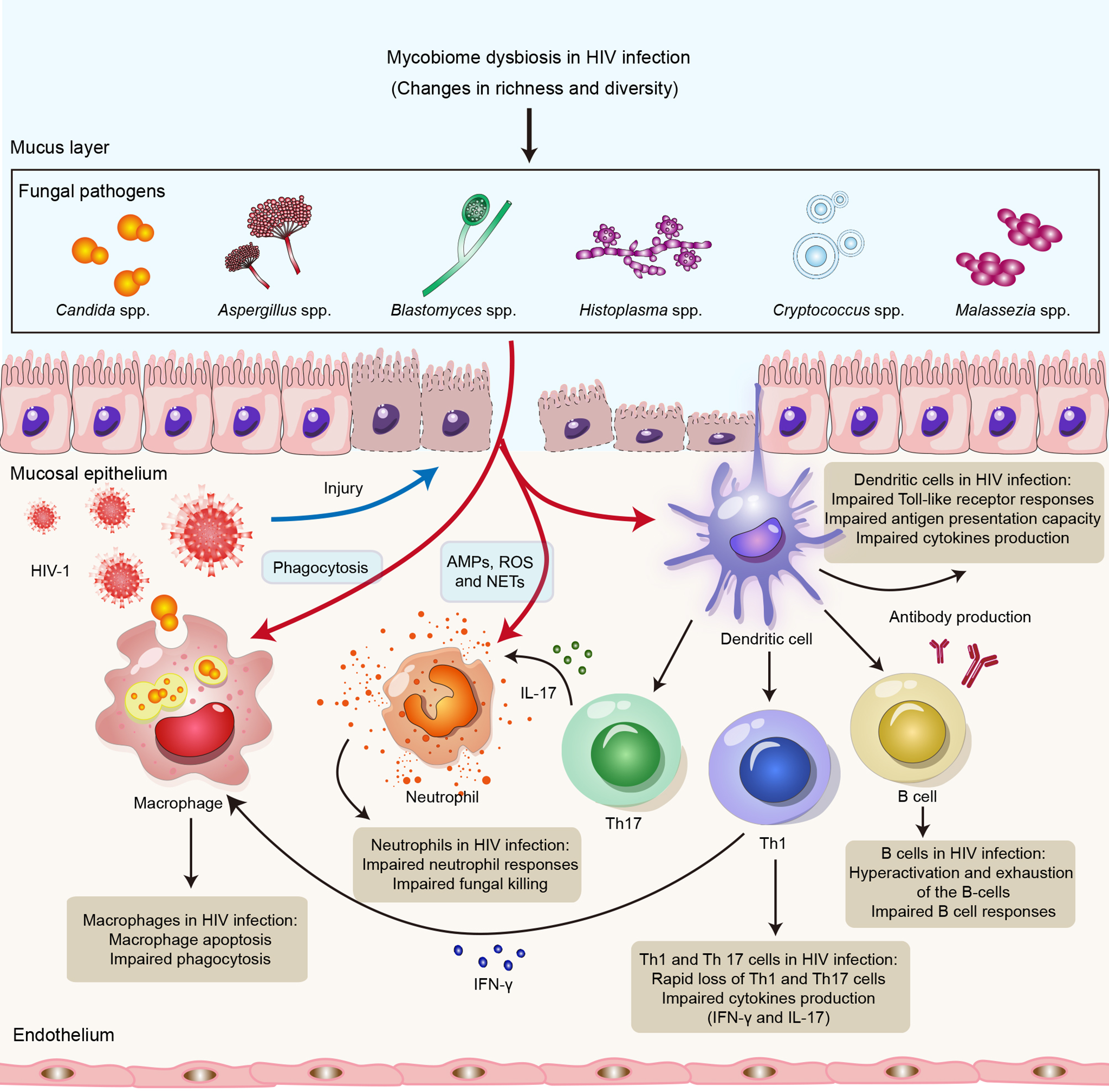
Neglected mycobiome in HIV infection: Alterations, common fungal diseases and antifungal immunity
Human immunodeficiency virus (HIV) infection might have effects on both the human bacteriome and mycobiome. Although many studies have focused on alteration of the bacteriome in HIV infection, only a handful of studies have also characterized the composition of the mycobiome in HIV-infected individuals. Studies have shown that compromised immunity in HIV infection might contribute to the development of opportunistic fungal infections. Despite effective antiretroviral therapy (ART), opportunistic fungal infections continue to be a major cause of HIV-related mortality. Human immune responses are known to play a critical role in controlling fungal infections. However, the effect of HIV infection on innate and adaptive antifungal immunity remains unclear. Here, we review recent advances in understanding of the fungal microbiota composition and common fungal diseases in the setting of HIV. Moreover, we discuss innate and adaptive antifungal immunity in HIV infection.

8,354 views

16 citations

ORIGINAL RESEARCH
2 November 2022
HIV-infected patients rarely develop invasive fungal diseases under good immune reconstitution after ART regardless high prevalence of pathogenic filamentous fungi carriage in nasopharynx/oropharynx
Xiaoman Chen, 12 more and Linghua Li

4,336 views

5 citations

ORIGINAL RESEARCH
4 October 2022
CD38+CD39+ NK cells associate with HIV disease progression and negatively regulate T cell proliferation
Shi Qian, 8 more and Yongjun Jiang
CD38+CD39+ NK cells associate with HIV disease progression and negatively regulate T cell proliferation
The ectonucleotidases CD38 and CD39 have a critical regulatory effect on tumors and viral infections via the adenosine axis. Natural killer (NK) cells produce cytokines, induce cytotoxic responses against viral infection, and acquire immunoregulatory properties. However, the roles of CD38 and CD39 expressed on NK cells in HIV disease require elucidation. Our study showed that the proportions of CD38+CD39 + NK cells in HIV-infected individuals were positively associated with HIV viral loads and negatively associated with the CD4+ T cell count. Furthermore, CD38+CD39+ NK cells expressed additional inhibitory receptors, TIM-3 and LAG-3, and produced more TGF-β. Moreover, autologous NK cells suppressed the proliferation of CD8+ T and CD4+ T cells of HIV-infected individuals, and inhibiting CD38 and CD39 on NK cells restored CD8+ and CD4+ T cell proliferation in vitro. In conclusion, these data support a critical role for CD38 and CD39 on NK cells in HIV infection and targeting CD38 and CD39 on NK cells may be a potential therapeutic strategy against HIV infection.

4,961 views

15 citations

ORIGINAL RESEARCH
31 August 2022
Spatiotemporal dynamics of HIV-1 CRF63_02A6 sub-epidemic
Mariya V. Sivay, 18 more and Natalya M. Gashnikova
Spatiotemporal dynamics of HIV-1 CRF63_02A6 sub-epidemic
1 Abstract HIV-1 epidemic in Russia is one of the fastest growing in the world reaching 1.14 million people living with HIV-1 (PLWH) by in 2021. Since mid-1990s, the HIV-1 epidemic in Russia has started to grow substantially due to the multiple HIV-1 outbreaks among persons who inject drugs (PWID) leading to expansion of the HIV-1 sub-subtype A6 (former Soviet Union (FSU) subtype A). In 2006, a local HIV-1 sub-epidemic caused by the distribution of novel genetic lineage CRF63_02A6 was identified in Siberia. In this study, we used a comprehensive dataset of CRF63_02A6 pol gene sequences to investigate the spatiotemporal dynamic of the HIV-1 CRF63_02A6 sub-epidemic. This study includes all the available CRF63_02A6 HIV-1 pol gene sequences from LANL HIV Sequence Database. The HIV-1 subtypes of those sequences were conferred using phylogenetic analysis, and two automated HIV-1 subtyping tools Stanford HIVdb Program and COMET. Ancestral state reconstruction and origin date were estimated using Nextstrain. Evolutionary rate and phylodynamic analysis were estimated using BEAST v 1.10.4. CRF63_02A6 was assigned for 872 pol gene sequences by using phylogenetic analysis approach. Predominant number (n=832; 95.4%) of those sequences were from Russia; the remaining 40 (4.6%) sequences were from countries of Central Asia. Out of 872 CRF63_02A6 sequences, the corresponding genetic variant was assigned for 75.7% and 79.8% of sequences by Stanford and COMET subtyping tools, respectively. Dated phylogenetic analysis of the CRF63_02A6 sequences showed that the virus most likely originated in Novosibirsk, Russia, in 2005. Over the last two decades CRF63_02A6 has been widely distributed across the Russia and has been sporadically detected in countries of Central Asia. Introduction of new genetic variant into mature sub-subtype A6 and CRF02_AGFSU epidemics could promotes the increase of viral genetic diversity and emergence of new recombinant forms. The fFurther HIV-1 surveillance studies are needed due to a continuing rapid virus distribution. Also, the implementation of HIV-1 prevention programs is required to reduce HIV-1 transmission. This study also highlights the discrepancies in HIV-1 subtyping approaches. The reference lists of HIV-1 sequences implemented in widely-used HIV-1 automated subtyping tools need to be updated to provide reliable results.

4,041 views

12 citations

ORIGINAL RESEARCH
22 August 2022
Establishment and application of a method of tagged-amplicon deep sequencing for low-abundance drug resistance in HIV-1
Yang Li, 8 more and Lin Li

3,485 views

6 citations

Genetic network analysis of human immunodeficiency virus sexual transmission in rural Southwest China after the expansion of antiretroviral therapy: A population-based study
ORIGINAL RESEARCH
18 August 2022
Genetic network analysis of human immunodeficiency virus sexual transmission in rural Southwest China after the expansion of antiretroviral therapy: A population-based study
Jin Chen, 14 more and Guanghua Lan
Background: To analyse the genetic network of HIV sexual transmission in rural areas of Southwest China after expanding antiretroviral therapy (ART), and to investigate the factors associated with HIV sexual transmission through the genetic network. Methods: This was a longitudinal genetic network study in Guangxi, China. The baseline survey and follow-up study were conducted among HIV patients in 2015, and among newly diagnosed HIV patients from 2016 to 2018, respectively. A generalised estimating equation model was employed to explore factors associated with HIV transmission through genetic linkage between newly diagnosed HIV patients (2016-2018) and HIV patients at baseline (2015-2017), respectively. Results: Of 3,259 identified HIV patient sequences, 2,714 patients were at baseline and 545 were newly diagnosed HIV patients at follow-up. A total of 8,691 baseline objectives were observed by repeated measurement analysis. The prevention efficacy in HIV transmission for treated HIV patients was 39% [adjusted odds ratio (AOR): 0.61, 95% confidence interval (CI): 0.44-0.85]. Stratified analyses indicated the prevention efficacy in HIV transmission for treated HIV patients with viral load (VL) <50 copies/ml and HIV patients treated for four years with a VL <50 copies/ml to be 47 [AOR:0.53, 95%CI: 0.38-0.74] and 69% [AOR:0.31, 95%CI: 0.22-0.45], respectively. No significant reduction in HIV transmission occurred among treated HIV patients with VL missing or treated HIV patients on dropout. Some factors were associated with HIV transmission, including over 50 years old, male, Zhuang and other nationalities, less than secondary schooling, working as a farmer, and heterosexual transmission. Conclusion: This study reveals the role of ART in reducing HIV transmission, and that older male farmers with less than secondary schooling to be at high risk of HIV infection at a population level. Improvements to ART efficacy for HIV patients and precision intervention on high risk individuals during the expansion of ART are urgently required.

14,154 views

8 citations

ORIGINAL RESEARCH
28 July 2022
Elevated Foxp3+ double-negative T cells are associated with disease progression during HIV infection
Leidan Zhang, 15 more and Yaxian Kong

4,957 views

13 citations

ORIGINAL RESEARCH
6 July 2022
Downregulation of TCF1 in HIV Infection Impairs T-cell Proliferative Capacity by Disrupting Mitochondrial Function

4,054 views

9 citations

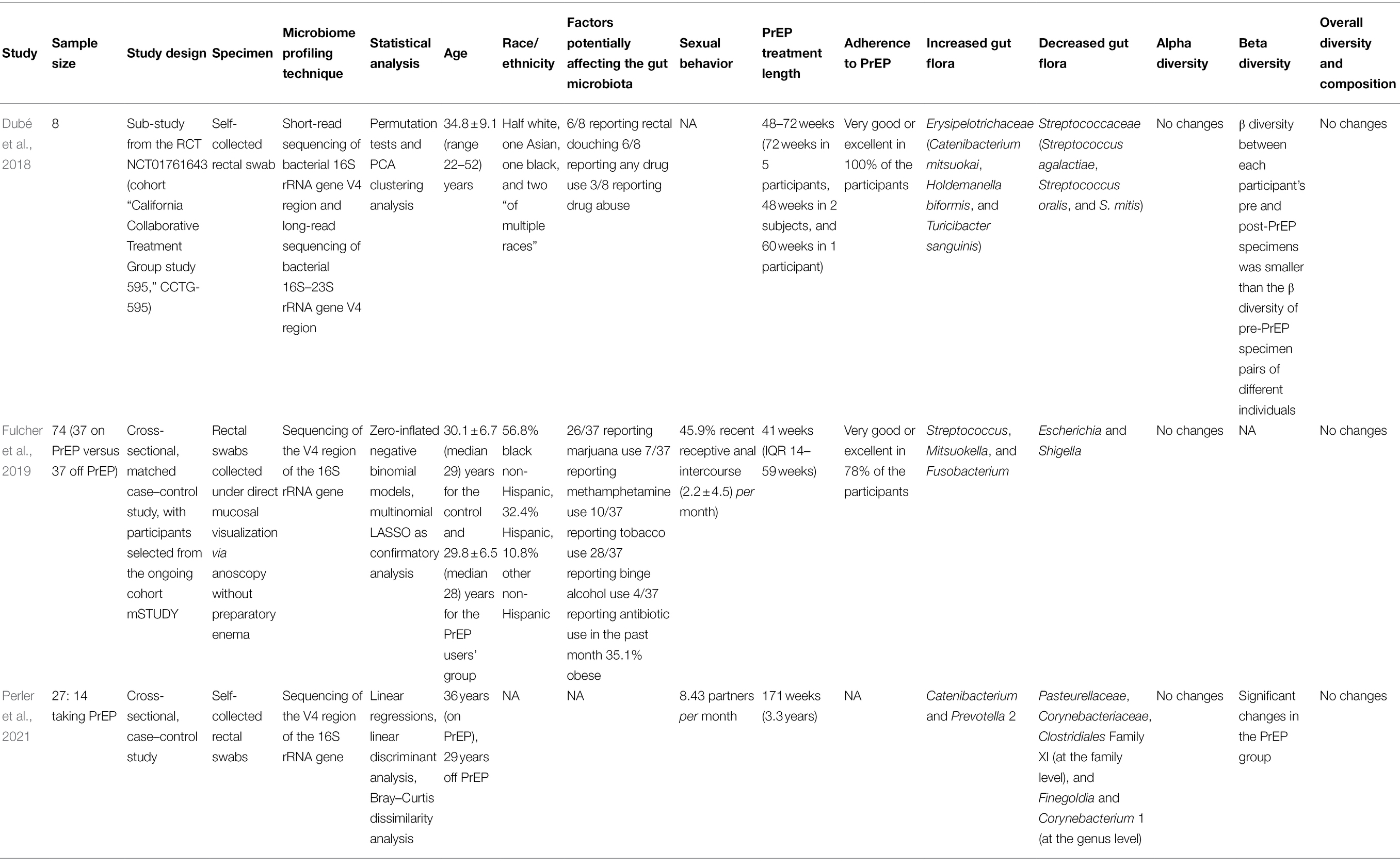
HIV Pre-exposure Prophylaxis and Its Impact on the Gut Microbiome in Men Having Sex With Men
MINI REVIEW
23 June 2022
HIV Pre-exposure Prophylaxis and Its Impact on the Gut Microbiome in Men Having Sex With Men
Nicola Luigi Bragazzi, 2 more and Naim Mahroum

12,592 views

6 citations

ORIGINAL RESEARCH
4 April 2022
Decreased CD73+ Double-Negative T Cells and Elevated Level of Soluble CD73 Correlated With and Predicted Poor Immune Reconstitution in HIV-Infected Patients After Antiretroviral Therapy
Xinyue Wang, 10 more and Yaxian Kong

3,903 views

8 citations

ORIGINAL RESEARCH
10 February 2022
Association Between CD4/CD8 Ratio Recovery and Chronic Kidney Disease Among Human Immunodeficiency Virus-Infected Patients Receiving Antiretroviral Therapy: A 17-Year Observational Cohort Study
Fengxiang Qin, 12 more and Junjun Jiang

3,982 views

6 citations