Chronic Chagas cardiomyopathy caused by infection with the protozoan Trypanosoma cruzi is a life-threatening clinical condition. Despite its unique pathophysiological mechanism, no specific treatment is available for this disease. Carolina T. Macedo et al. (https://doi,org/10.3389/fcvm.2022.864837) reported a phase II double-blind, randomized, placebo-controlled clinical trial with Granulocyte-Colony Stimulating Factor (G-CSF) to treat chronic chagas cardiomyopathy in Salvador, Brazil (www.ClinicalTrials.gov, NCT02154269). Although G-CSF is safe, it did not prevent symptom progression in the present study, and further investigation is needed.Dual-antiplatelet therapy, including aspirin and P2Y12 inhibitors, reduces thrombotic risk after percutaneous coronary intervention (PCI), but increases bleeding risk. In a two-year follow-up study by Doomun et al. (https://doi,org/10.3389/fcvm.2021.620354), the bleeding risk was assessed in a single-center, all-comers registry of 1,080 patients post-PCI. One-third of significant bleeding occurs during the first month after PCI, and is associated with ischemic events during the two-year follow-up. More comorbidities may partly drive this observation in patients with high bleeding risk than those with low bleeding risk.
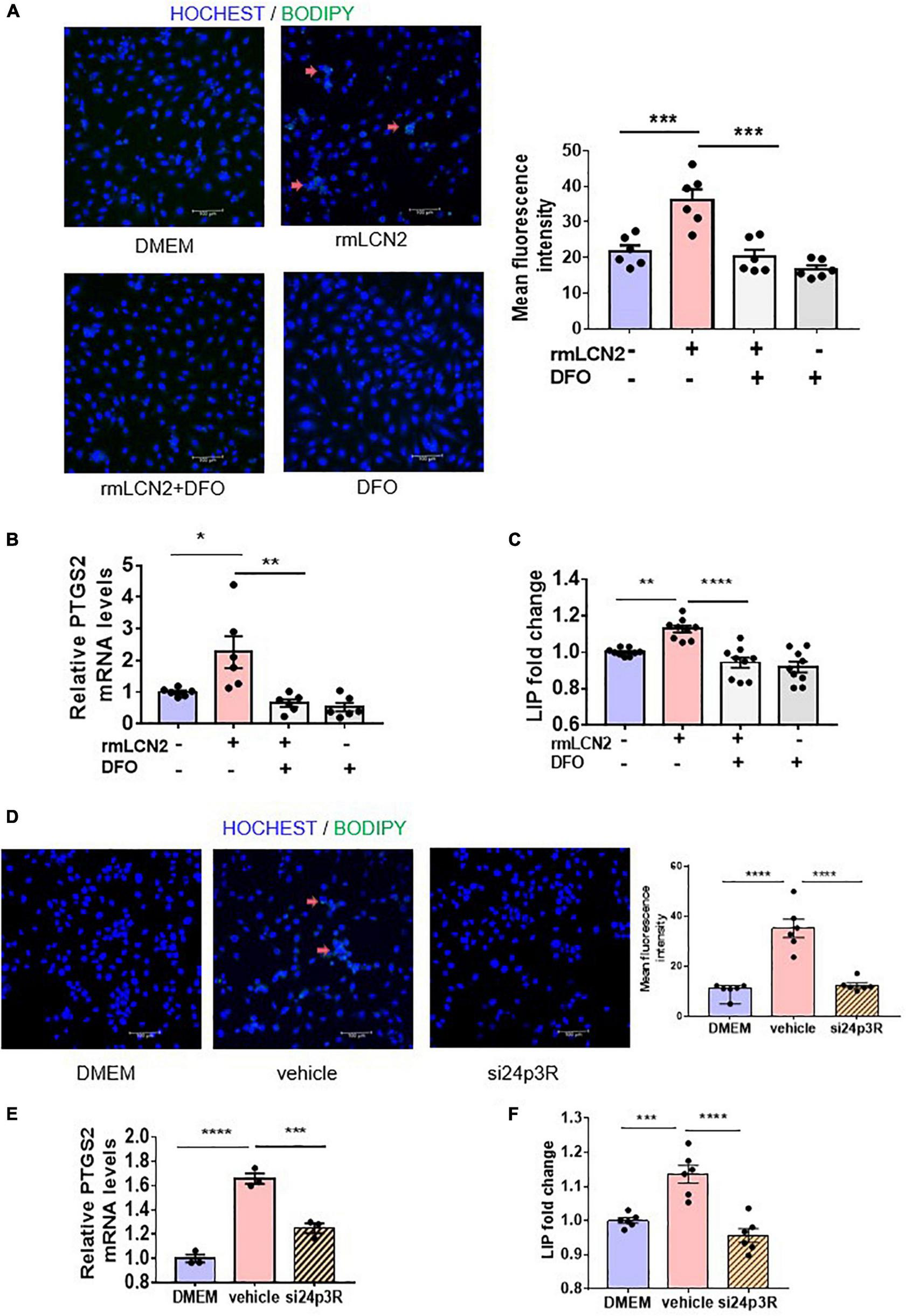
Atherosclerotic cardiovascular disease is a significant cause of mortality and morbidity worldwide. Atherosclerotic plaques accumulate on the arterial wall, reducing blood flow to organs and limiting nutrients to be delivered to the rest of the body. Progressive atherosclerotic plaques lead to myocardial infarction, ischemic stroke, and peripheral arterial disease. Clearance of dying cells by efferocytosis is essential to maintaining cardiovascular hemostasis and myocardial repair after myocardial infarction. 3,4 A minireview by the Chen group (https://doi,org//10.3389/fcvm.2022.1031293) discusses the signaling and regulation of efferocytosis in atherosclerosis. In this review, the comprehensive processing and signaling of efferocytosis are dissected in easily understandable signals, including "find-me," "bridging molecules", "eat me", and "don't eat me". The dysregulation of these signaling pathways leads to impaired efferocytosis and the formation and progression of atherosclerotic plaques. A better understanding of the regulation of efferocytosis in atherosclerosis might enhance the potential to develop anti-atherosclerotic therapies targeting efferocytosis.Vascular smooth muscle cell phenotypic changes play an essential role in neointimal formation and remodeling after vascular injury. 5 Shan and colleagues (https://doi,org/10.3389/fcvm.2022.907490) reported that anemoside B4, a unique saponin, attenuated neointima formation in a mouse model with femoral artery endothelium denudation. Anemoside inhibited vascular smooth muscle cell proliferation and migration, and its phenotypic switch from contractile to the synthetic phenotype. This article provides solid data to support that anemoside B4 may have a therapeutic potential on vascular restenosis. CXCL12/CXCR4 signaling is essential in cardiac development and cardiovascular diseases. Expression of CXCR4 was low in nonplaque areas but strongly detected on the endothelium of progressing plaques in atherosclerosis. 6 However, the CXCL12/CXCR4 signaling in vascular endothelial cells is not entirely understood. Winnicki and colleagues (https://doi,org/10.3389/fcvm.2022.971321) reported an interesting aortic stenosis phenotype of endothelial-specific CXCR4 knockouts with Tie2 Cre. Compared with the control group, deletion of CXCR4 in endothelial cells led to significantly increased aortic valve peak velocity and aortic valve peak pressure gradient, with decreased aortic valve area. It will be interesting to use inducible Cre to generate CXCR4 endothelial cell knockout to determine whether CXCR4 in endothelial cells is critical to aortic valve development and the time point of aortic stenosis. This spontaneous aortic stenosis model will be a great model to study the mechanism of aortic stenosis and explore the therapeutic targets of aortic stenosis.In addition to multiple cardiovascular causes, sepsis frequently induces cardiac dysfunction. 7 Although the pathogenesis of this process is complex, the contribution of cell death, including apoptosis, necroptosis, and necrosis, has been well documented. Huang et al. (https://doi,org/10.3389/fcvm.2022.922534) reported an important role of ferroptosis, a newly identified form of regulated cell death in septic cardiac dysfunction (SCD). Using a genetic mouse model and in vitro gene manipulation, they demonstrated that deficiency of neutrophil-derived lipocalin-2, a lipocalin family member prevented sepsis-induced ferroptosis and SCD. These novel findings suggest that lipocalin-2 could be a potential therapeutic target for SCD.
Diabetes is a chronic disease that has many cardiovascular complications. Tu et al. (https://doi,org/10.3389/fcvm.2022.995216) administered a sodium-glucose cotransporter 2 (SGLT2) inhibitor empagliflozin to a diabetic (db/db) mouse model for 8 weeks and they found that, compared to mice administered saline, mice administered empagliflozin had improved coronary flow reserve, increased the number of coronary microvessels and elevated microvascular coverage of cardiac pericytes. These results suggest that empagliflozin may be effective in inhibiting diabetic coronary microvascular dysfunction.Gupta et al. (https://doi,org/10.3389/fcvm.2022.1020006) examined the differences in the development of atherosclerosis between male and female mice with metabolic syndrome (MetS). The authors showed that male mice with MetS had more lipid-filled lesions, increased plaque area, and elevated thrombospondin-1 (TSP-1), a matrix protein that contributes to atherosclerosis, 8 compared to male mice without MetS. In contrast, lipid burden and plaque area increased in both MetS and non-MetS female mice; however, no significant differences in these parameters were identified between genotypes in female mice. This study suggests a role of plasma testosterone in atherosclerosis, and implicates TSP-1 in the sex-dependent differential roles of smooth muscle cell de-differentiation in MetS.
Aortic aneurysms and dissection are critical pathological conditions that can lead to uncontrolled bleeding and death without predictive signs. 9 To understand its associated disorders, Wang et al. (https://doi,org/10.3389/fcvm.2022.901225) used Global Health Data Exchange to analyze aortic aneurysm data from 1990 to 2019. 10 The authors found that although the number of aortic aneurysm-related deaths and disability-adjusted life years increased, the global trend of age-standardized death rate and disability-adjusted life year rate decreased. Smoking and high blood pressure were the main risks for aortic aneurysms. Negative correlations with the age-standardized death rate included alcohol abstinence, smoking age of initiation, physical activity, and temperature. Positive correlations included cholesterol level, body mass index, and alcohol consumption. The standard of living and medical resources positively impacted the burden of aortic aneurysms.In addition to human data, many animal studies also provide mechanistic insights. The renin-angiotensin system plays a critical role in developing aortic aneurysms and dissection. 11 Bramel and colleagues (https://doi,org/10.3389/fcvm.2022.936142) reported contributions of global versus second heart field-specific deletion of angiotensin II type 1a (AT1a) receptor to aortic pathology in a mouse model of Loeys-Dietz syndrome. This mouse model shows M138R/+ mutation of transforming growth factor (TGF)-β receptor 1. The authors found that in both male and female mice at 16 or 24 weeks old, whole body and second heart field-specific deletion of AT1a receptor led to significantly less aortic root dilatation than their wild-type controls. However, whole-body deletion of AT1aR had greater reductions of aortic root dilatations than second heart field-specific deletion of AT1aR, indicating that second heart-field derived cells are not the only cell type for AT1a receptor to promote aortic pathologies. Overall, the data in this article support that blockade of AT1aR is a promising strategy for treating aortic root pathology in Loeys-Dietz syndrome. SMAD3 is a component in the TGF-β signaling pathway. Its variants are one cause of familial aortic disease. Sheppard and colleagues (https://doi,org/10.3389/fcvm.2023.1103784) found a novel SMAD3 variant, V244F, in a patient with aortic root dilation and abdominal aortic aneurysms. In addition to the comprehensive characterization of the aortic pathology in the patient and family members, the authors demonstrated that this variant could induce aortic pathology in a zebrafish embryo model.
Bronchial artery aneurysm is not a common disease but is fatal. Lin et al. (https://doi,org/10.3389/fcvm.2022.856684) retrospectively compared endovascular embolization treatment and imaging characteristics of one patient with true bronchial artery aneurysm and one patient with a pseudobranchial aneurysm. The authors discussed comprehensively how to select an appropriate embolization approach for treating bronchial artery aneurysms.Collectively, this special issue features articles on cardiovascular research from zebrafish and mouse models to human data, providing a comprehensive understanding of the mechanisms, pathogenesis, and clinical relevance of cardiovascular diseases. We thank the outstanding women scientists and wish they continuously publish their solid and innovative research.