Psychosomatic Medicine in General Hospitals: Cross-disorder and Interdisciplinary Collaboration

Cover image for Research Topic "Psychosomatic Medicine in General Hospitals: Cross-disorder and Interdisciplinary Collaboration"
154kviews
Editorial13 December 2022
Editorial: Psychosomatic medicine in general hospitals: Cross-Disorder and interdisciplinary collaboration

Psychosomatic medicine focus on the etiology, diagnosis, treatment, and prevention of psychosomatic disorders 1 . Although the definitions of psychosomatic medicine may vary, the burden of psychosomatic disorders has been well recognized. During the past decades, increasing efforts have been made to improve our understanding of psychosomatic disorders and related risks. The management of these disorders is critical in general hospitals. Identifying psychosomatic disorders, accurate early diagnosis, treatment, and conducting clinical research have received increasing attention from physicians of all departments 2 .We initiated this special issue to encourage interdisciplinary studies in this field. This collection presented 23 manuscripts, including original research, reviews, and case reports worldwide. In addition, the Chinese Society of Psychosomatic Medicine (CSPM) has broadcasted this research topic to the local community. We covered papers introducing cross-cultural psychosomatic models and concepts, case reports, the development of assessment tools, related psychosomatic issues in psychiatric disorders, and psychosomatic problems in healthcare workers.

Psychosomatic medicine models, concepts, and current clinical practice vary in regions. A little more than half a century ago, European countries started to play significant roles in this field.

They investigated treatment outcomes and long-term predictors among inpatients with such treatment programs. The authors discovered medium to considerable improvements in psychological and physical symptoms and the quality of life. They also found better quality of life improvement, and antidepressants during hospitalization might lead to a better prognosis. This finding emphasized the significance and effectiveness of multimodal psychosomatic treatment for inpatients.

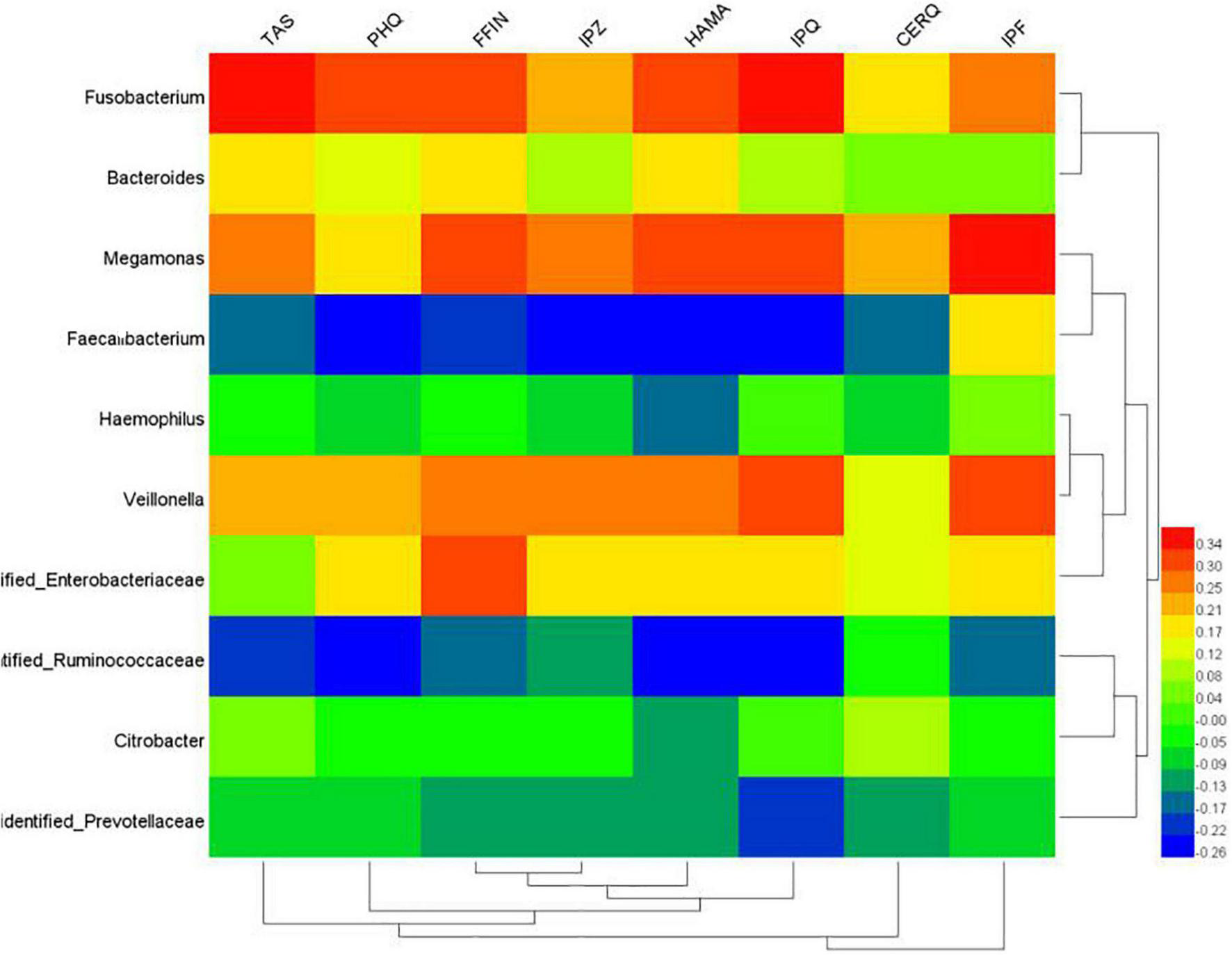
The assessment tools of psychosomatic symptoms, risk factor analysis, and interaction between them are essential in collecting clinical information for further investigations. Zhang et al. investigated sex, age, depression, insomnia, psychological stress, resilience, and perceived social support among patients with medically unexplained symptoms (MUS) in a general hospital's psychological clinic. They suggested middle-aged female patients were at high risk of presenting MUS and thus needed a comprehensive evaluation and timely intervention. Guo et al. explored the relationship between personality traits, alexithymia, and microbiome in patients with functional gastroenteropathy and generalized anxiety disorder. The authors found that the comorbidity related to the abundance of Fusobacterium. Functional gastroenteropathy alone might be related to the abundance of Hemophilus. Specific traits such as affective recognition and expression disorder, neuroticism, and negative cognition might be related to the abundance of Fusobacterium and Megamonas.

This collection also included diverse research regarding psychosomatic issues in psychiatric disorders. In anxiety disorders, Hong et al. examined the interaction between rs2071345 and alcohol dependence behavior on anxiety symptoms of male problem drinkers. The authors suggested that rs2071345 was playing a role in this specific group. On the other hand, Chu et al. examined the BDNF Val66Met polymorphism, Plasma BDNF level, and anxiety traits in panic disorder. They found that Met/Met genotype might be more likely to exhibit risky anxiety traits. Yang et al. studied the association between subclinical hypothyroidism and anxiety in depressive patients. This was the first episodic and drug-naï ve group, and the authors found that serum thyroid stimulating hormone level may be a promising biomarker of anxiety symptoms among them. The research by Shen et al. also focused on biomarkers for anxiety. Serum S100B and cytokines (IL-1β, IL-2, IL-4, and IL-10) were examined in untreated generalized anxiety disorder cases and healthy controls. They found that the combination of S100B and cytokines had a better diagnosis value with high accuracy.Major depressive disorder (MDD) and related issues also received much attention. Zhou et al.studied the negative emotional bias in depressive patients. The anterior cingulate cortex and right insula were found to mediate the interoception dysfunction and negative emotional bias of MDD.The study from Yi et al. also focused on the brain function of MDD. However, they studied non-suicidal self-injury behaviors, the amplitude of low-frequency fluctuation, and regional homogeneity. The authors suggested that the default mode network and visual network might be related to such behavior. Wu et al. reviewed clinical studies of MDD using the Delphi method, and they suggested this method can be helpful both in clinical and research settings.Bipolar disorder and schizophrenia were also covered. Wang et al. studied the effectiveness of hypomania checklist-32 in screening bipolar disorder while considering personality traits' influence.They believed that higher typical extraversion and neuroticism might lead to higher hypomania checklist-32 score. Clinicians should pay attention to these false positives while using this tool.Cheng et al. focused on the relationship between suicidal risk and childhood maltreatment in schizophrenia patients. Among all the risks, they found that schizophrenia with more positive symptoms relapses had more childhood trauma, stress, and suicidal risk.Chen et al. investigated the impulsive personality traits and negative mood states in bulimia. The study included 146 female bulimia patients and identified three linked clusters ('ED-specific symptoms,' 'impulsivity,' 'anxiety,' and 'depression'). The authors showed that the cognition of 'shape dissatisfaction' played a key role, and impulsivity and emotional symptoms contributed to the development of this eating disorder.

Two studies focused on psychosomatic health in healthcare workers, especially nurses. Huang et al. investigated a specific group of the nurse in the neonatal department. They explored the lifestyle and social factors contributing to mood disorders and functional dyspepsia. Nearly half of the participants exhibited mood symptoms such as depression and anxiety. Most neonatal nurses suffering from mood disorders also presented functional dyspepsia. Poor sleep and smoking might be risk factors among them. Yin et al. investigated nurses from psychiatric departments. They studied the relationship between coping style, sleep, and burnout. The authors suggested that coping style mediated between sleep quality and burnout. They called for developing coping skills to balance work and life in this group.

Finally, several case reports were presented in the collection, and these cases described how physicians recognized and treated patients exhibiting psychosomatic symptoms. Lipkes et al.described a woman diagnosed with Hashimoto's thyroiditis. She was brought to the psychiatric emergency department with auditory hallucinations and persecutory delusions for the first time. The patient was treated effectively with IV thyroid replacement and antipsychotics. The authors emphasized the importance of a thorough medical workup for new-onset psychosis and called for future consensus in treatment choice. Zhang et al. described a woman who suffered from an unhealed sore and ulcer of a surgical wound after ten years diagnosed with breast cancer. Combined with her mood symptoms, the patient's condition was identified as Qi (or vitality) deficiency in the view of Chinese traditional medicine. Herb medicine and a regimen based on Internal Vitality were given to her. The authors observed healed sore and ulcers over six months. Dong et al. reported that a woman suffered from significant limb edema for two months. She was previously diagnosed with pituitary adenoma and received treatments. The authors believed the edema was caused by tumor recurrence, but all examinations provided negative results. Her existing severe mood problems then came into sight, and she was diagnosed with major depressive disorder after CLP. The patient's limb edema dramatically subsided after Deanxit and Tandospirone treatment.To sum up, we expect that this special issue will expand knowledge in psychosomatic medicine and collaborative research. These studies will help reveal cross-cultural issues and underrepresented populations worldwide. In addition, the CSPM will continuously push forward domestic psychosomatic research and international collaborations. Finally, we hope the research achievement in biopsychosocial mechanisms will contribute to clinical practice.

Wenhao Jiang has prepared the first draft of this editorial. Yuqun Zhang, Jessica Turner, and Yonggui Yuan have revised the first draft and contributed to the final version of the manuscript. All authors approved the submitted version.

None

3,495 views

4 citations

ORIGINAL RESEARCH
20 October 2022
Detecting DSM-5 somatic symptom disorder in general hospitals in China: B-criteria instrument has better accuracy—A secondary analysis
Jinya Cao, 12 more and Rainer Leonhart
Detecting DSM-5 somatic symptom disorder in general hospitals in China: B-criteria instrument has better accuracy—A secondary analysis
Objective: This study investigates the diagnostic accuracy of the PHQ-15,SSS-8, SSD-12 and Whitley 8 and their combination in detecting DSM-5 somatic symptom disorder in general hospitals. Methods: In our former multicenter cross-sectional study enrolling 699 outpatients from different departments in five cities in China, SCID-5 for SSD was administered to diagnose SSD and instruments including PHQ-15, SSS-8, SSD-12 and WI-8 were used to evaluate the SSD A and B criteria. In this secondary analysis study, we investigate which instrument or combination of instrument has best accuracy for detecting SSD in outpatients. Receiver operator curves were created, and area under the curve (AUC) analyses were assessed. The sensitivity and specificity were calculated for the optimal individual cut points. Results: Data from n = 694 patients [38.6% male, mean age: 42.89 years (S.D. = 14.24)] were analyzed. A total of 33.9% of patients fulfilled the SSD criteria. Diagnostic accuracy was moderate or good for each questionnaire (PHQ-15: AUC = 0.72; 95% CI = 0.68–0.75; SSS-8: AUC = 0.73; 95% CI = 0.69–0.76; SSD-12: AUC = 0.84; 95% CI = 0.81–0.86; WI-8: AUC = 0.81; 95% CI = 0.78–0.84). SSD-12 and WI-8 were significantly better at predicting SSD diagnoses. Combining PHQ-15 or SSS-8 with SSD-12 or WI-8 showed similar diagnostic accuracy to SSD-12 or WI-8 alone (PHQ-15 + SSD-12: AUC = 0.84; 95% CI = 0.81–0.87; PHQ-15 + WI-8: AUC = 0.82; 95% CI = 0.79–0.85; SSS-8 + SSD-12: AUC = 0.84; 95% CI = 0.81–0.87; SSS-8 + WI-8: AUC = 0.82; 95% CI = 0.79–0.84). In the efficiency analysis, both SSD-12 and WI-8 showed good efficiency, SSD-12 slightly more efficient than WI-8; however, within the range of good sensitivity, the PHQ-15 and SSS-8 delivered rather poor specificity. For a priority of sensitivity over specificity, the cutoff points of ⩾13 for SSD-12 (sensitivity and specificity = 80% and 72%) and ⩾17 for WI-8 (sensitivity and specificity = 80% and 67%) are recommended. Conclusions: In general hospital settings, SSD-12 or WI-8 alone may be sufficient for detecting somatic symptom disorder, as effective as when combined with the PHQ-15 or SSS-8 for evaluating physical burden.

6,291 views

14 citations

CASE REPORT
10 November 2022
Deanxit and tandospirone relieved unexplained limb edema in a depressed pituitary adenoma survivor: A case report
Xingyu Dong, 3 more and Sunfu Zhang

3,688 views

1 citations

Validation of the Chinese version of the Somatic Symptom Scale-8 in patients from tertiary hospitals in China
ORIGINAL RESEARCH
28 September 2022
Validation of the Chinese version of the Somatic Symptom Scale-8 in patients from tertiary hospitals in China
Tao Li, 11 more and Rainer Leonhart
Objective: To validate the Chinese language version of the Somatic Symptom Scale-8 (SSS-8) in a sample of outpatients attending tertiary hospitals in China. Methods: A Chinese language version of the SSS-8 was completed by outpatients (n=699) from psychosomatic medicine, gastroenterology/neurology, and traditional Chinese medicine clinics of nine tertiary hospitals between September 2016 and January 2018. The reliability of this version was tested. The Patient Health Questionnaire-15 (PHQ-15), the Somatic Symptom Disorder–B Criteria Scale (SSD-12), the Patient Health Questionnaire-9 (PHQ-9), the General Anxiety Disorder-7 (GAD-7) scale, the Medical Outcome Study 12-item Short Form Health Survey (SF-12) and the World Health Organization Disability Assessment Schedule (WHO DAS 2.0) were rated to test construct validity. The criterion validity was tested by using the Semi-structured Clinical Interview for DSM-5 (Research Version) (SCID-5-RV) for somatic symptom disorder (SSD) as the diagnostic gold standard to explore the optimal cutoff score of the SSS-8. Results: The average age of the recruited participants was 43.08 (±14.47). 61.4% of them were female. The internal consistency derived from the sample was acceptable (Cronbach α =.78). Confirmatory factor analyses resulted in the replication of a three-factor model (cardiopulmonary symptoms, pain symptoms, gastrointestinal and fatigue symptoms) (comparative fit index = 0.95, Tucker-Lewis index = 0.92, root mean square error of approximation = 0.10, 90% confidence interval = 0.08–0.12). The SSS-8 sum score was highly associated with PHQ-15 (r = 0.74, p <.001), SSD-12 (r = 0.64, p <.001), GAD-7 (r = 0.59, p < 0.001), and PHQ-9 (r = 0.69, p < 0.001). The patients with more severe symptoms showed worse quality of life and disability The optimal cutoff score of SSS-8 was 9 (sensitivity=0.67, specificity=0.68). Conclusions: Our preliminary assessment suggests that the Chinese language version of the SSS-8 has reliability and validity sufficient to warrant testing further in research and clinical settings.

6,150 views

22 citations

BRIEF RESEARCH REPORT
14 October 2022
Changes of consultation-liaison psychiatry practice in Italian general hospitals: A comparative 20-year multicenter study
Luigi Zerbinati, 28 more and Giulia Montardi

3,430 views

9 citations

ORIGINAL RESEARCH
23 September 2022
Association between depressive symptoms and diagnosis of diabetes and its complications: A network analysis in electronic health records
Cheng Wan, 9 more and Yun Liu

3,118 views

5 citations

ORIGINAL RESEARCH
20 September 2022
Childhood maltreatment increases the suicidal risk in Chinese schizophrenia patients
Peng Cheng, 11 more and Xulai Zhang

2,863 views

10 citations

ORIGINAL RESEARCH
25 August 2022
Changes in treatment outcomes in patients undergoing an integrated psychosomatic inpatient treatment: Results from a cohort study
Monika Sadlonova, 4 more and Christoph Herrmann-Lingen

3,661 views

13 citations

Gut microbiome characteristics of comorbid generalized anxiety disorder and functional gastrointestinal disease: Correlation with alexithymia and personality traits
ORIGINAL RESEARCH
16 August 2022
Gut microbiome characteristics of comorbid generalized anxiety disorder and functional gastrointestinal disease: Correlation with alexithymia and personality traits
Xunyi Guo, 4 more and Tao Zou

6,702 views

28 citations

Personality traits influence the effectiveness of hypomania checklist-32 in screening for bipolar disorder
ORIGINAL RESEARCH
15 July 2022
Personality traits influence the effectiveness of hypomania checklist-32 in screening for bipolar disorder
Qiang Wang, 7 more and Peng Zhao
Background: It is clinically challenging to distinguish bipolar disorder (BD) from major depressive disorder (MDD) in the early stages. While the Hypomania Checklist-32 (HCL-32) is a proper auxiliary tool that is useful to differentiate between BD and MDD, there is currently no standard cut-off value. The variations in HCL-32 cut-off values could potentially be influenced by personality traits. Therefore, the aim of this study is to explore the effect of personality traits on the screening performance of HCL-32. Methods: In this retrospective cross-sectional study, 168 patients with BD or MDD were evaluated with the Eysenck Personality Questionnaire (EPQ) and HCL-32. The associations between demographic data, diagnosis and clinical rating scales were analyzed. Results: Diagnosis was not associated with extraversion but was related to neuroticism. HCL-32 scores in typical extraverted patients were higher in contrast to atypical extraverted patients. The best cut-off value for BD recognition of typical and atypical extraversion groups were 15 and 12.5, respectively. In patients with MDD, HCL-32 score of typical neuroticism was higher than the atypical type, but there was no difference in patients with BD. In typical neuroticism, there was no difference in HCL-32 scores between patients with MDD and BD. But among atypical neurotic patients, HCL-32 scores of BD were higher compared to MDD, with a cut-off value of 14.5. Limitations: This study had a small sample size. Conclusions:HCL-32 scores were affected by personality traits, with higher scores for typical extraversion and neuroticism. Clinicians should also consider the patients’ personality traits when referring to HCL-32 scores, so as to increase the recognition rate of BD and eliminate false positives.

7,338 views

6 citations

ORIGINAL RESEARCH
4 August 2022
Differences of medically unexplained symptoms among patients of different ages and sexes in the psychological clinic of a general hospital and the influencing factors of MUS: A cross-sectional study
Jie Zhang, 9 more and Ronghuan Jiang

3,069 views

4 citations

ORIGINAL RESEARCH
24 June 2022
Association of Subclinical Hypothyroidism With Anxiety Symptom in Young First-Episode and Drug-Naïve Patients With Major Depressive Disorder
Ruchang Yang, 16 more and Xiangyang Zhang
Association of Subclinical Hypothyroidism With Anxiety Symptom in Young First-Episode and Drug-Naïve Patients With Major Depressive Disorder
Backgrounds: Subclinical hypothyroidism (SCH) was reported to be associated with depression; however, its role in coexisting anxiety in young patients with major depressive disorder (MDD) remains unclear. The objective of this study was to explore the relationship between SCH and anxiety symptoms in young first-episode and drug-naïve (FEDN) MDD patients. Methods: A total of 520 outpatients diagnosed as FEDN MDD with SCH were recruited in this study. Their socio-demographic, clinical data and thyroid function parameters were collected. The Hamilton Anxiety Rating Scale (HAMA) and the Hamilton Depression Rating Scale (HAMD) were employed to measure anxiety and depressive symptoms, respectively. Results: The prevalence rate of anxious major depressive disorder (A-MDD) was 15.8% in young FEDN MDD patients with comorbid SCH. Moreover, serum thyroid stimulating hormone (TSH) levels were significantly higher in patients with A-MDD compared with those with non-anxious MDD (NA-MDD) (p<0.001). Binary logistic regression analysis indicated that A-MDD was associated with serum TSH levels with an odds ratio (OR) of 1.602. A-MDD and NA-MDD were able to be distinguished by serum TSH level, where ≥6.17mIU/L was defined as a positive diagnosis of A-MDD. There were no significant differences between NA-MDD and A-MDD patients in terms of socio-demographic variables, serum free triiodothyronine (FT3), free thyroxine (FT4), thyroid peroxidases antibody (TPOAb) and anti-thyroglobulin (TgAb) levels. Conclusions: Serum TSH level may be a promising biomarker of moderate and severe anxiety symptoms in young FEDD MDD patients with SCH, suggesting the importance of assessing serum TSH level for anxiety prevention and rehabilitation.

10,004 views

27 citations

The Mediating Role of Coping Style in the Relationship Between Sleep Quality and Burnout: A Cross-Sectional Study Among Psychiatric Nurses
ORIGINAL RESEARCH
23 June 2022
The Mediating Role of Coping Style in the Relationship Between Sleep Quality and Burnout: A Cross-Sectional Study Among Psychiatric Nurses
Ming Yin, 16 more and Xiangdong Du

5,817 views

30 citations

Combining S100B and Cytokines as Neuro-Inflammatory Biomarkers for Diagnosing Generalized Anxiety Disorder: A Proof-of-Concept Study Based on Machine Learning
ORIGINAL RESEARCH
22 June 2022
Combining S100B and Cytokines as Neuro-Inflammatory Biomarkers for Diagnosing Generalized Anxiety Disorder: A Proof-of-Concept Study Based on Machine Learning
Zhongxia Shen, 5 more and Gang Li

5,047 views

26 citations

ORIGINAL RESEARCH
23 June 2022
The Relationship Among BDNF Val66Met Polymorphism, Plasma BDNF Level, and Trait Anxiety in Chinese Patients With Panic Disorder
Lijun Chu, 5 more and Jie Li

3,684 views

16 citations

A Resting State Functional Magnetic Resonance Imaging Study of Unmedicated Adolescents With Non-suicidal Self-Injury Behaviors: Evidence From the Amplitude of Low-Frequency Fluctuation and Regional Homogeneity Indicator
ORIGINAL RESEARCH
17 June 2022
A Resting State Functional Magnetic Resonance Imaging Study of Unmedicated Adolescents With Non-suicidal Self-Injury Behaviors: Evidence From the Amplitude of Low-Frequency Fluctuation and Regional Homogeneity Indicator
Yi Zhou, 11 more and Li Kuang

5,985 views

38 citations

The History of the Introduction of the Concept of Depression Into China
ORIGINAL RESEARCH
2 June 2022
The History of the Introduction of the Concept of Depression Into China
Jike Bai, 1 more and Daqing Zhang
This is a thematic historical study on the historical construction of the concept of depression in early modern China. Using an external historical research method, through the analysis of newspaper stories, drug advertisements, and medical texts (textbooks and reference books), it presents the socio-cultural context of depression in the late Qing Dynasty and early Republican period and depicts the germination and evolution of the depression from a hazy and ambiguous concept in the late Qing Dynasty to a clear and complete disease entity of Western medicine, at least in the Chinese pharmaceutical market in the 1920s. This paper examines the three internal logical clues in the localization of depression in China: First, the transformation of the disease from a symptom (the symptom of a disease) to a disease (an independent disease entity); Second, the pathological mechanism of depression was first made from the perspective of Traditional Chinese Medicine— “caused by stagnation of liver qi” , which was joined later by the pathological mechanism of Western medicine—"caused by brain dysfunction"; Third, the introduction of the knowledge of "depression" presents a pattern of "cross-fertilization" between the West and the East. This study also examines the cultural imagery of depression during its early introduction to China and finds the three stereotypes of the manifestation of depression among the then Chinese public: a feminized disease, a disease that afflicted the intellectual youth who were worried about the country, and the association between the disease and the morbid and distorted state of life of the upper-class literary youth.

8,401 views

5 citations

ORIGINAL RESEARCH
18 May 2022
Network Analysis of Eating Disorders Symptoms Co-occurring With Impulsive Personality Traits and Negative Mood States in Patients With Bulimia Nervosa
Yan Chen, 7 more and Jue Chen

4,299 views

11 citations

ORIGINAL RESEARCH
16 May 2022
Lifestyle and Social Factors Exacerbated on the Prevalence of Mood Disorders and Functional Dyspepsia Among Neonatal Nurses in China
Zhen-peng Huang, 9 more and Xiu Lan

3,716 views

8 citations