Aortopathies may be syndromic like in Marfan syndrome (MFS), non-syndromic or associated with congenital heart diseases (CHD) such as coarctation of the aorta (CoA) or bicuspid aortic valve (BAV). [1; 2] The purpose of this editorial to the research topic “Aortopathies in Congenital Heart Disease“ is to summarize the data published in this chapter, and also shed more light on the clinical implications of aortopathies in CHD, particularly in relation to aortic stiffening and the potential effects of modifiable risk factors on long term outcome.
The articles included in this research topic cover a wide range of specialties within the area, ranging from molecular genetics and immunohistochemistry to clinical analyses of outcome and a case report. Briefly, the following key findings are presented in this issue:
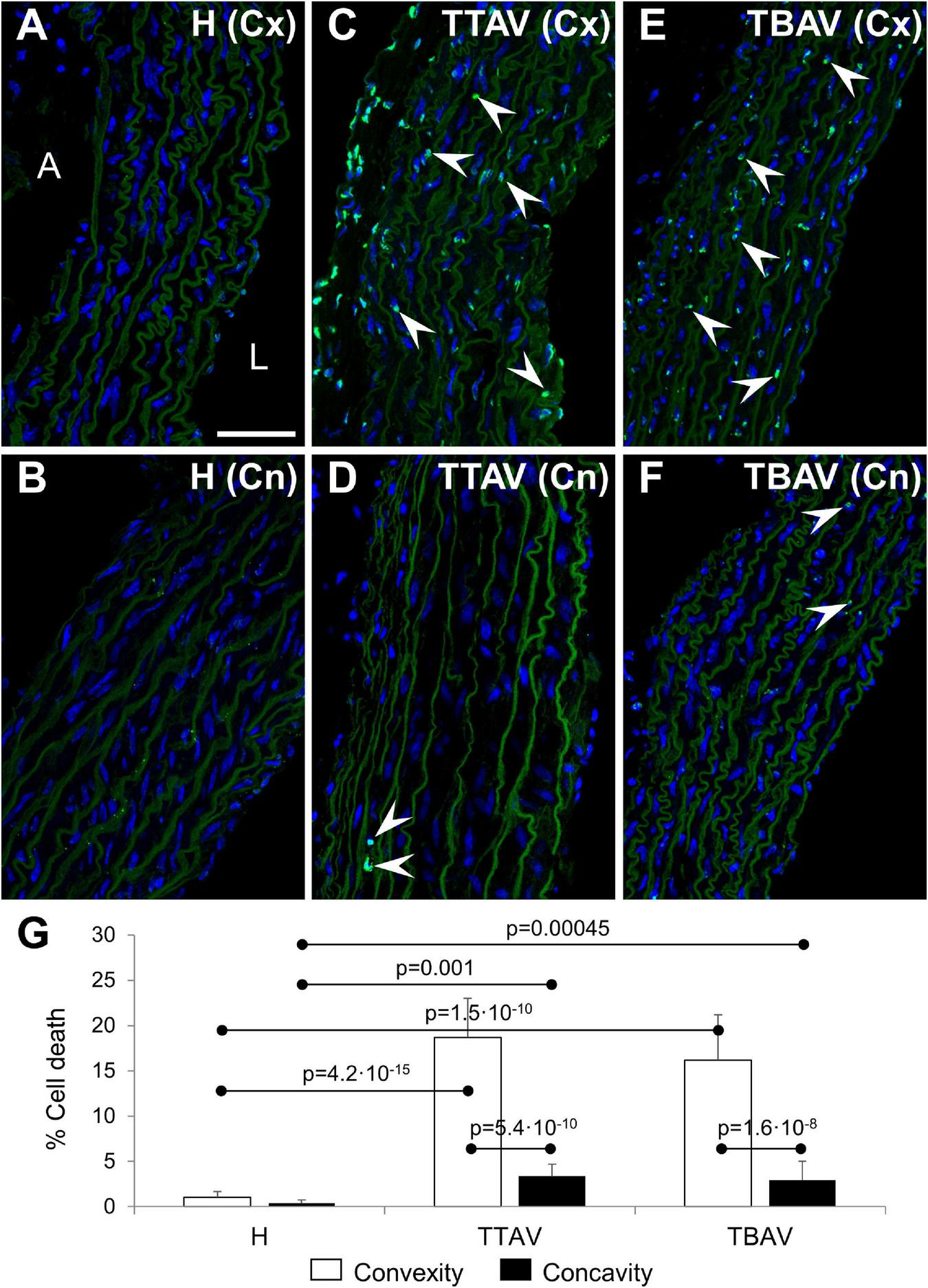
1. Soto-Navarrete et al. (2022) demonstrated in a hamster model, that the genetic background may be a better predictor of aortopathy than the presence or absence of a BAV itself. [3] The authors found that aortic diameter, smooth muscle apoptosis, elastic waviness, and Tgf-β and Fbn-2 expression were significantly increased in T strain animals (which have a 40% prevalence of BAV) compared to controls - irrespective of whether the aortic valve was bicuspid or tricuspid. The authors conclude that patients with the same genetic defect but differing valve morphology may carry the same risk for developing bicuspid aortopathy.
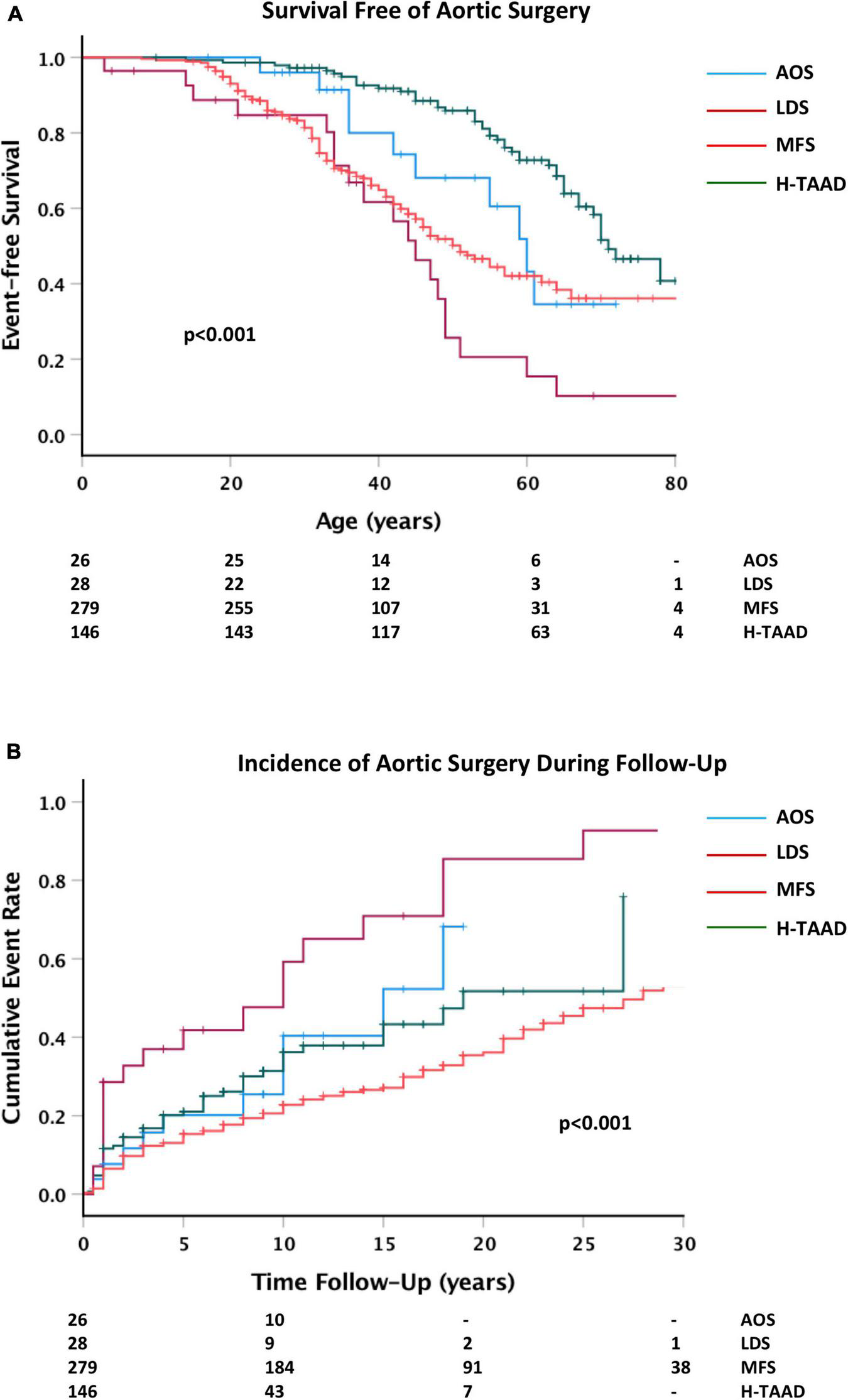
2. Robertson et al. (2022) found that patients with Loeys-Dietz syndrome and non-syndromal heritable aortopathies are often diagnosed late and have a higher risk of initial presentation with aortic dissection, when compared to MFS.[4] At 10 years follow-up though, actuarial mean survival was not significantly different between different types of congenital aortopathies, highlighting the importance of structured aortopathy follow-up programs and preventive measures.
3. Grewal et al. (2023) described important similarities in the pathogenesis of thoracic aortic aneurysms in BAV and MFS, e.g. the intima was thinner in both BAV and MFS patients compared to controls.[5] The authors suggest that common mechanisms should be further investigated in an effort to personalize treatment strategies.
4. Dolmaci et al. (2022) evaluated coronary arteries of a total of 90 patients with MFS, BAV and controls.[6] They found that MFS had fewer typical cardiovascular risk factors than BAV and controls. Importantly, the prevalence of obstructive coronary sclerosis was significantly lower in MFS and BAV patients compared to controls. These findings provide a clinical correlation to above described molecular biologic findings by Grewal et al. (2023).
5. Lastly, Verheijen et al. (2022) presented an example of successful percutaneous management of an adult with an unusual presentation of CoA. [7]
The articles in this research topic illustrate that understanding aortopathies at various levels is an important first step to personalized medicine, leading ultimately to improved outcome. Aortopathies should be viewed in the context of traditional cardiovascular risk factors and their effect on outcome in this patient population. The data so far is scarce though, which is why we are taking this opportunity to briefly review data on arterial stiffness and acquired cardiovascular risk factors in congenital aortopathies and CHD – and how these are related to outcome. We hope that this may stimulate further research in this area:
Background on arterial stiffness and arterio-ventricular interaction
In young and healthy people, the aorta has a well-functioning Windkessel effect. Thereby, pulsatile blood flow is transformed into a steady flow supplying peripheral tissues, which enables a steady blood supply of the organs (esp. coronary arteries), reduces cardiac afterload and reduces pulsatile stress on the distal vasculature.[8; 9] Arterial-ventricular interaction describes the effect of arterial stiffening on left ventricular function. With increased arterial stiffness, the pulse wave velocity increases. Thus, the reflected wave returns to the heart early (i.e., in late systole). This increases late systolic afterload, which affects thick-thin myofilament interactions and cross-bridge dissociation, leading to impaired relaxation, an important part of diastole.[10] As a result, systolic or diastolic heart failure may evolve.
Arterial stiffness in congenital heart disease
Arterial stiffness is a well-known predictor of cardiovascular morbidity and mortality in the general population.[11] It has been extensively studied in adults with traditional cardiovascular risk factors such as e.g. diabetes, dyslipidemia or hypertension, which are typically acquired as mid-aged adults. Though there is evidence that several types of CHD or genetic connective tissue disorders are associated with increased arterial stiffness, the etiology, extent, physiologic impact, changes with age and prognostic implications of vascular changes in this context are not well understood to date. [12]
The most well studied congenital lesions in the field of arterial stiffness are BAV, CoA, and MFS - all of which are associated with intrinsic aortic wall abnormalities that extend beyond the actual anatomic lesion of aortic dilation vs narrowing.[13; 14] Over the last two decades, it has become evident that these histologic abnormalities translate to increased arterial stiffness on a physiologic level.[15; 16; 17]
Aortic stiffening (and often dilation) in these groups starts during childhood and progresses with age. While MFS patients have general aortic stiffening together with thinning of the common carotid intima-media, this is not seen in BAV patients who have proximally increased aortic stiffness and pulse wave reflection.[18; 19; 20; 21] Similarly, on a histologic level, MFS and BAV patients have thinner intima, a lower expression of contractile vascular smooth muscle cells, and more elastic fiber thinning compared to controls.[5] However, other features of cardiovascular ageing differed between the BAV and MFS in this study.[5] Interestingly, there is also evidence that the risk for obstructive coronary atherosclerosis is decreased rather than increased in both MFS and BAV patients alike, supporting the above functional, structural and histologic findings.[6]
Linking outcome to micro-and macroscalar arterial characteristics in CHD patients with aortopathies would be an important step to personalized medicine. Ultimately, longitudinal follow-up will be crucial in determining changes in arterial stiffness, central blood pressure and diastolic function over time and in response to changes in medical management.
Acquired cardiovascular risk factors and outcome in CHD
Survival of patients with MFS has increased throughout the last few decades.[22; 23] Likewise, improved treatment options for patients with CHD have led to an increasing number of children surviving well into adulthood, i.e. they are exposed to the adverse effects of increased arterial stiffness much longer than the average adult with atherosclerotic cardiovascular disease.[24] At the same time, adults with CHD are more likely to have typical acquired cardiovascular risk factors.[25] Most importantly, they have a strikingly increased risk for cardiovascular events, i.e. adults with CHD with ≤2 cardiovascular risk factors have more than twice the risk for major adverse cardiovascular events compared to non-CHD adults with ≥5 risk factors.[25]
Among CoA patients e.g. the risk for acquired cardiovascular risk factors appears particularly high.[26; 27] Moreover, in MFS the body mass index may not be a good predictor of overweight and obesity as the relative muscle mass is decreased and the proportion of fat is increased.[28] Additionally, overweight or obese MFS patients may be at increased risk for adverse aortic events.[29]
To date, many aortopathy patients are still restriced from exercise, even though current ESC has published exercise recommendations specific for underlying aortopathy and degree of aortic dilation.[30] In fact, limited mouse and human data suggests a beneficial effect of aerobic training on aortic root growth without major adverse events.[31; 32; 33] If aortopathy patients were more physically active, this would likely increase muscle mass and lower the risk of overweight and obesity and perhaps, preventing the development of secondary cardiovascular risk factors.
Thus, over the last 50 years, the focus has shifted from improving early survival to optimizing long term outcome. Minimizing acquired cardiovascular risk factors plays an increasing role in the counseling of patients with CHD associated aortopathies.
Conclusion
Aortopathies in CHD and genetic aortopathies are heterogeneous with variable mechanisms for increased arterial stiffness and varying risks for aortic complications. What all aortopathy patients have in common though is that they are exposed to increased arterial stiffness for a life-time – as opposed to the typical patient with acquired cardiovascular disease. The combination of a congenital aortopathy and acquired cardiovascular risk factors may be a particularly risky combination. Further research is needed to identify personalized treatment strategies for patients with aortopathies, taking into account their individual risk factors. Perhaps most importantly, we as medical professionals need to focus more on minimizing additional cardiovascular risk factors from an early age by encouraging a healthy lifestyle and exercise.