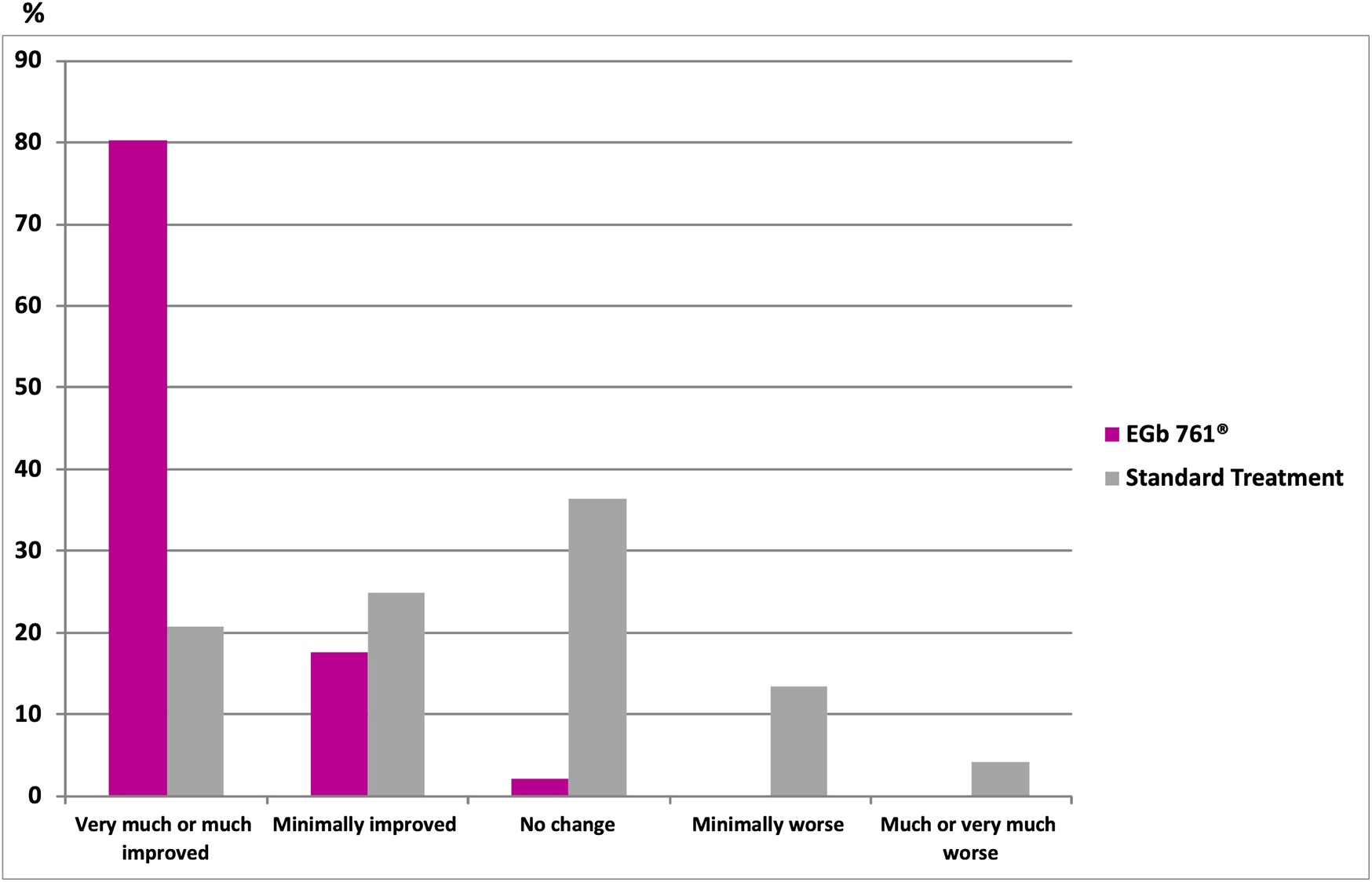
Stroke stands as one of the primary causes of death and disability globally, particularly with an increasing incidence in developing countries (Campbell et al., 2019). At the present topic, Zhou et al. (Zhou et al., 2023) documented a fatality resulting from cerebral hemorrhage after parathyroid surgery, underscoring the existence of obscure yet highly lethal etiological factors. Complications arising from strokes are prevalent and pose significant threats to life. Zheng et al. (Zheng et al., 2023b) emphasized the need to consider lumbar cistern blockage as a potential complication following cerebral hemorrhage. However, pharmaceutical therapies for both ischemic and hemorrhagic stroke are still lacking, and the available therapeutic strategies are generally timesensitive (Jovin et al., 2022). Thus, there is an urgent need to explore the complex regulation network after stroke, which is essential for developing new generations of effective treatment strategies. Besides, translational research and clinical trials are encouraged to improve the prognosis of stroke in the future. This research topic includes 17 articles concerning pathological mechanisms, new therapeutic entities, and other attractive aspects of stroke.Concurrently, stroke research remains at the forefront of technological advancements. Qiu et al. (Qiu et al., 2022) presented a novel method for identifying differentially expressed genes in spatial transcriptomics data, exemplifying the integration of cutting-edge technologies in stroke investigations. The intricate relationship between brain function and structure is elucidated through spatial-omics techniques like spatial transcriptomics, providing researchers with a more precise characterization of biological processes with spatial data. Recognizing the pivotal role of stem cells in brain function recovery (van Velthoven et al., 2013;Bacigaluppi et al., 2016;Tornero et al., 2017), Zhang et al. (Zhang et al., 2023b) provided a comprehensive summary of the progress in stem cell applications within the realm of stroke research, offering valuable insights into their potential therapeutic utility.The pathological changes following the onset of a stroke are intricate, involving the activation/inactivation of multiple cells and pathways, extending even to the interplay between the brain and gut microbiota (Jeong et al., 2023). These complexities render stroke treatment a formidable task, and various articles on this topic have synthesized novel insights into targets and therapeutic strategies for stroke. Wang et al. reviewed approaches such as dietary intervention, fecal microbiota transplantation, probiotics, antibiotics, traditional Chinese medication, and gut-derived stem cell transplantation were explored for their influence on gut microbiota and subsequent regulation of brain recovery post-stroke (Wang et al., 2023). Yuan et al. (Yuan et al., 2022) delved into intermittent hypoxic conditions as a potential strategy for ischemic stroke prevention and treatment. Their examination encompassed current evidence, future research directions, and the proposal of intermittent hypoxia as a non-invasive, non-pharmacological, systemic, and multitargeted intervention to mitigate brain damage. Traditional Chinese medicine (TCM), often composed of multiple herbs, represents a repository of numerous chemical entities with potential efficacy in stroke treatment. Zheng et al. (Zheng et al., 2023a) conducted a comprehensive review of studies on treating stroke with Sanhua decoction, consisting of Polygonaceae, Magnoliaceae, Rutaceae, and Apiaceae, and demonstrated its multiple effects on brain repair. Similarly, Li et al. (Li et al., 2023) analyzed the potential active pharmaceutical ingredients of another TCM, Zuogui Pill, which facilitated neurite outgrowth via mTOR, p53 and Wnt signaling pathways following ischemic stroke. A pressing need persists for high-level evidence regarding herbal medicines, herbal extracts, gut microbiota, or any novel strategy for treating stroke (Zheng et al., 2023a). This need is pivotal for translating preclinical findings into clinically applicable interventions. Consequently, numerous scholars actively investigate the safety and efficacy of herbal medicines or extracts in stroke treatment through well-designed clinical trials. For instance, a multi-center, open-label, pilot randomized clinical trial conducted by Cui et al. (Cui et al., 2023) demonstrated the effectiveness of Ginkgo biloba extract in protecting patients from cognitive decline 24 weeks after acute ischemic stroke, as assessed through various evaluation methods.Additionally, specific chemical entities and therapeutic modalities have gained noteworthy attention within stroke research delineated the attributes of TJ-M2010-5, a BBB-permeable drug candidate exhibiting efficacy as a MyD88/NF-κB and ERK pathway inhibitor (Li et al., 2022). Wang et al. investigated the systemic administration of dobutamine, revealing its capacity to expedite erythrocyte clearance from the brain to cervical lymph nodes following SAH (Wang et al., 2022). Intriguingly, Pichardo-Rojas et al. conducted a comprehensive review highlighting memantine's ability to mitigate NMDA-mediated excitotoxicity, preserve intracellular ATP stores, and up-regulate neuron-specific growth factor expression, with clinical evidence proving its neuroprotective effects in ICH, ischemic stroke, and ischemic stroke-related aphasia (Pichardo-Rojas et al., 2023). Besides, anesthesias utilized during endovascular thrombectomy (EVT), including ketamine, propofol, sevoflurane, and isoflurane, have been identified as beneficial for post-stroke brain protection (Zhang et al., 2023c).Moreover, this topic includes two meta-analyses evaluating the efficacy of inclisiran and mechanical thrombectomy in stroke. Luo et al. (Luo et al., 2023) analyzed three randomized clinical trials (ORION-9, , concluding that inclisiran did not exhibit significant effects in preventing stroke in atherosclerotic cardiovascular disease patients or those at high risk. Meanwhile, Yang et al. (Yang et al., 2023) analyzed seven studies (including 1083 patients) and observed that mechanical thrombectomy with intra-arterial alteplase might enhance functional outcomes without significantly impacting recanalization. These meta-analyses contribute valuable insights to inform clinical decision-making processes.The assortment of manuscripts within this research topic underscores the diverse facets of stroke prevention, treatment, and recovery. These articles contribute novel perspectives to preclinical research and expand the horizons of clinical practice. Notably, the impact of TCM, intestinal microbiota, intermittent hypoxia, and anesthetic medications on stroke prognosis is particularly enlightening. This underscores that, while stroke remains a condition associated with high mortality and disability rates, preventive and therapeutic tools are at our disposal. This realization catalyzes advancing translational research to translate cutting-edge findings in stroke research into clinical applications expeditiously.
7 Authors
- PZ
Peng Zhou
Department of Thyroid and Breast Surgery, The 960th Hospital of People's Liberation Army, China
- JX
Jing Xu
Department of Thyroid and Breast Surgery, The 960th Hospital of People's Liberation Army, China
- DZ
Dayong Zhuang
Department of Thyroid and Breast Surgery, The 960th Hospital of People's Liberation Army, China
- XL
Xiaolei Li
Department of Thyroid and Breast Surgery, The 960th Hospital of People's Liberation Army, China
- TY
Tao Yue
Department of Thyroid and Breast Surgery, The 960th Hospital of People's Liberation Army, China
- HH
Huaiqiang Hu
Department of Neurology, The 960th Hospital of People's Liberation Army, China
- QH
Qingqing He
Department of Thyroid and Breast Surgery, The 960th Hospital of People's Liberation Army, China
2,600 views
2 citations
12 Authors
- TZ
Tianhao Zhang
Department of Anaesthesiology, Union Hospital, Tongji Medical College, Huazhong University of Science and Technology, China
- DD
Daling Deng
Department of Anaesthesiology, Union Hospital, Tongji Medical College, Huazhong University of Science and Technology, China
- SH
Shiqian Huang
Department of Anaesthesiology, Union Hospital, Tongji Medical College, Huazhong University of Science and Technology, China
- DF
Daan Fu
Department of Anaesthesiology, Union Hospital, Tongji Medical College, Huazhong University of Science and Technology, China
- TW
Tingting Wang
Department of Anaesthesiology, Union Hospital, Tongji Medical College, Huazhong University of Science and Technology, China
- FX
Feng Xu
Department of Anaesthesiology, Union Hospital, Tongji Medical College, Huazhong University of Science and Technology, China
- LM
Lulin Ma
Department of Anaesthesiology, Union Hospital, Tongji Medical College, Huazhong University of Science and Technology, China
- YD
Yuanyuan Ding
Department of Anaesthesiology, Union Hospital, Tongji Medical College, Huazhong University of Science and Technology, China
- KW
Kaixin Wang
Department of Anaesthesiology, Union Hospital, Tongji Medical College, Huazhong University of Science and Technology, China
- YW
Yafeng Wang
Department of Anaesthesiology, Union Hospital, Tongji Medical College, Huazhong University of Science and Technology, China
- WZ
Wenjing Zhao
Department of Anaesthesiology, Union Hospital, Tongji Medical College, Huazhong University of Science and Technology, China
- XC
Xiangdong Chen
Department of Anaesthesiology, Union Hospital, Tongji Medical College, Huazhong University of Science and Technology, China
4,233 views
13 citations
7 Authors
- MZ
Min Zheng
Department of Neurosurgery, Tangdu Hospital, Air Force Medical University, China
- QT
Qilong Tian
Department of Neurosurgery, Tangdu Hospital, Air Force Medical University, China
- XW
Xuejiao Wang
Department of Neurosurgery, Tangdu Hospital, Air Force Medical University, China
- LL
Liqin Liu
Department of Neurosurgery, Tangdu Hospital, Air Force Medical University, China
- XD
Xiurui Deng
Department of Neurosurgery, Tangdu Hospital, Air Force Medical University, China
- YQ
Yan Qu
Department of Neurosurgery, Tangdu Hospital, Air Force Medical University, China
- QC
Qing Cai
Department of Neurosurgery, Tangdu Hospital, Air Force Medical University, China
3,830 views
2 citations

4 Authors
- DP
Diego Pichardo-Rojas
Facultad de Medicina y Psicología, Universidad Autónoma de Baja California, Mexico
- PS
Pavel Salvador Pichardo-Rojas
Vivian L. Smith Department of Neurosurgery, The University of Texas Health Science Center at Houston, United States
- JM
José Manuel Cornejo-Bravo
Facultad de Ciencias Químicas e Ingeniería, Universidad Autónoma de Baja California, Mexico
- AS
Aracely Serrano-Medina
Facultad de Medicina y Psicología, Universidad Autónoma de Baja California, Mexico
10 Authors
- XW
Xue Wang
Department of Neurosurgery, China
- HD
Hong-Ji Deng
Department of Neurosurgery, China
- SG
Sheng-Qing Gao
Department of Neurosurgery, China
- TL
Tao Li
Department of Neurosurgery, China
- CG
Chao-Chao Gao
Department of Neurosurgery, China
- YH
Yan-Ling Han
Department of Neurosurgery, China
- YZ
Yun-Song Zhuang
Department of Neurosurgery, China
- JQ
Jia-Yin Qiu
Department of Neurosurgery, China
- SM
Shu-Hao Miao
Department of Neurosurgery, China
- MZ
Meng-Liang Zhou
Department of Neurosurgery, China
4,443 views
13 citations

6 Authors
- ZQ
Zhihua Qiu
Nanfang Hospital, Southern Medical University, China
- SL
Shaojun Li
Department of Neurology, The Second Affiliated Hospital of Guangzhou Medical University, China
- ML
Ming Luo
Department of Neurology, The Second Affiliated Hospital of Guangzhou Medical University, China
- SZ
Shuanggen Zhu
Department of Neurology, People’s Hospital of Longhua, China
- YJ
Yongjun Jiang
Department of Neurology, The Second Affiliated Hospital of Guangzhou Medical University, China
- ZW
Zhijian Wang
Nanfang Hospital, Southern Medical University, China
