EDITORIAL FOR RESEARCH TOPIC:
INSIGHTS IN PEDIATRIC CARDIOLOGY: 2021
Ruth Heying1, Antonio F. Corno2
1 Department of Pediatric Cardiology, University Hospitals Leuven, Leuven, Belgium
2 Children Heart Institute, Children’s Memorial Hermann Hospital, UT Health Science Center, McGovern Medical School, Houston, Texas, USA
The rapid introduction of innovations in the clinical practice of pediatric cardiology, covering the entire field, from the basic sciences to the bedside application, has prompted us to promote this Research Topic on “Insights in Pediatric Cardiology: 2021”.
This editorial initiative focussed on new insights, novel developments, current challenges and future perspectives in the field of pediatric cardiology. Associated members of the accomplished editorial boards contributed with various topics shedding light on current challenges to inspire and provide direction to researchers in the field. Major progress has been made especially in genetics and various imaging techniques allowing improvement in diagnosis and therapeutic options. Inflammatory diseases and associated general health care factors have gained increased interest in the last decade.
We collected over more than one year time the decent number of 16 articles, and we are pleased to introduce them to the readers of Frontiers in Pediatrics, all collected in this special issue.
Imaging modalities
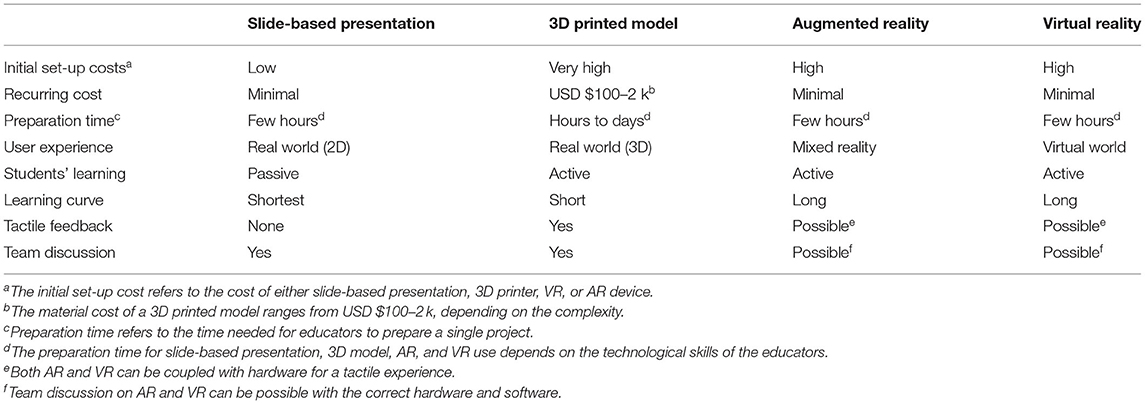
One of the sectors where the most striking progresses have been registered in the field of pediatric cardiology is imaging. The advent of three-dimensional (3D) and four-dimensional (4D) reconstructions of the heart, and as well the systemic and pulmonary circulations, has completely changed the knowledge of all details required for the decision-making process. Now the conventional images which were the only ones available a few years ago are not sufficient in any patient’s presentation today. With this regard, Bui and colleagues1 have presented the advantages of diagnostic modalities involving 3D visualization such as 3D printed anatomical models, virtual and augmented reality, not only for the clinical practice, but also for teaching and training. Their review article analyzed the use of these new technologies in medical education, including a thorough and honest report of their benefits and limitations.
An interesting study was reported by Ardakani and colleagues2 who studied, in aortic coarctation, the relationship between aortic shape and hemodynamic parameters by means of computational simulations, purposely isolating the morphological variable. Using aortic geometries derived by magnetic resonance imaging, the computational simulations, with statistical shape modeling methodology, were run in three aortic models: absence of aortic coarctation, surgically repaired and unrepaired aortic coarctation. Even small alterations in the aortic morphology had an impact on key hemodynamic indices. As the effective management of aortic coarctation affects the long-term cardiovascular outcome phenomena such as persistent hypertension in the absence of any clinically significant narrowing may be explained by the differences observed in the aortic morphology.
In another retrospective study on aortic coarctation, Tuo and colleagues3 investigated the fetal echocardiographic parameters in all cases of suspicion for aortic coarctation at fetal exam performed at second and/or third trimester of pregnancy, to improve the prenatal prediction after birth. Neonates were divided into two groups depending on the presence or absence of aortic coarctation after birth, and the used criteria for fetal diagnosis of aortic coarctation allowed accurate diagnosis of most severe cases, but with the rate of false positive relatively high for milder cases.
Closure of patent ductus arteriosus with interventional catheter techniques is still performed under fluoroscopy visualization. Many years after the first successful interventional closure under transesophageal echocardiographic guidance, Siagian and colleagues4 investigated the feasibility and safety of patent ductus arteriosus closure under echocardiography-only guidance during one year experience in their institution, comparing fluoroscopy and echocardiography guided procedures in two groups of 30 children each, with primary endpoint procedural success, and secondary endpoints procedural time and rate of adverse events. All patients had successful closure of the patent ductus arteriosus, with only residual shunts disappearing during follow-up in both groups. The procedural time was not significantly different between the fluoroscopy and echocardiography group.
Kawasaki disease
Because of the migrations occurred in the last few decades, typical diseases like the Kawasaki disease is now observed more frequently than before across all world. As the factors predicting high-risk Kawasaki disease remain unclear, Liu and colleagues5 studied the risk factors for resistance to intravenous immunoglobulin treatment and coronary artery aneurysm development in a Chinese pediatric population with high-risk, comparing the performances of 11 scoring systems in a population of 346 children between 2013 and 2021. Among the Kobayashi score and five Chinese scoring system scores (Tang, Yang, Lan, Liping, and Wu) the results of the curve analysis were observed to be highest in the Liping scoring system for intravenous immunoglobulin resistance. The researchers concluded that the Liping scoring system is the most appropriate method for identifying high-risk patients for intravenous immunoglobulin resistance in the Chinese pediatric population with Kawasaki disease.
Resistance to intravenous immunoglobulin therapy was also addressed by Li and colleagues6. They investigated the best available scoring model for early identification of intravenous immunoglobulin-resistant type of the disease. In a very large patient population of >1000 children, in two separate hospitals, fifteen variables in the training set were statistically different between intravenous immunoglobulin sensitive and resistant, including e.g., rash, duration of fever, peripheral blood neutrophil-to-lymphocyte ratio, prognostic nutritional index, percentage of monocytes and eosinophils and high-sensitivity C-reactive protein. Based on the results of this study, a scoring model with elevated sensitivity, specificity and accuracy of prediction was constructed to predict intravenous immunoglobulin -resistance, which would greatly assist pediatricians in making a suitable therapeutic strategy for these children.
In another interesting study on Kawasaki disease, Van Stijn and colleagues7 made an extensive literature review to identify patients with Kawasaki disease and the potential for developing coronary artery pathology, in particular coronary artery aneurysms, by an integrated cardiovascular program, tailored to the severity of the existing coronary artery pathology. Their practical workflow developed involving expert opinions of pediatric cardiologists, infectious disease specialists and radiology experts, should be able to anticipate the risk of coronary of coronary artery aneurysms in patients with Kawasaki disease.
Fontan circulation
Although the Fontan procedure has dramatically improved survival in patients with single ventricle, the long-term outcome is still complicated by significant morbidity, with complications mainly due to the elevated systemic venous pressure, characteristic of the Fontan circulation. Consequently, these patients need close clinical and imaging monitoring, since early recognition of failing hemodynamics can be essential for long-term survival. As echocardiography remains the first-line monitoring modality method, nowadays cross-sectional imaging has become an essential tool in the evaluation of these patients. Ciliberti and colleagues8 analyzed the role of other diagnostic techniques, underlining the importance of cardiac magnetic resonance, particular in providing at the same time anatomic and functional information, and essential information about extra-cardiac complications such as liver dysfunction and/or abnormal lymphatic drainage. Cardiac computerized tomography scan may be useful when magnetic resonance is contraindicated or for anatomical assessment in uncooperative patients. Cardiac catheterization is currently reserved to measure specific hemodynamic parameters and for interventional procedures.
While the early advantages of fenestration in the Fontan procedure are well known, as well as the long-term consequences of Fontan circulation, little evidence exists about the long-term consequences of Fontan fenestration and the effects of interventional closure of the fenestration, when indicated by the clinical situation. Because of this reason, Greenleaf and colleagues9 performed a systematic literature review and meta-analysis of the late outcome of Fontan fenestration, analyzing in 922 publications parameters such as changes in oxygen saturation, cavo-pulmonary pressure, maximum heart rate during exercise, exercise duration and oxygen saturation after fenestration closure. In 877 patients who received interventional catheter closure of the fenestration at a mean interval of 27.4 months after fenestration closure there was a significant increase in arterial oxygen saturation and exercise duration, however, with an associated increase in mean cavo-pulmonary pressure. This study concluded that late closure of a Fontan fenestration improves resting oxygen saturation, exercise oxygen saturation and exercise duration. Concrete conclusions remain guarded regarding the management of creation/enlargement of Fontan fenestrations. The lack of comparative data suggests the need for better, prospective trials looking at role of fenestration in management of late Fontan failure.
Associated health care issues
One of the most frequent health issues affecting the contemporaneous society is obesity, with its consequences on the mortality and morbidity in the adult population, requiring a huge number of resources and efforts by the caregivers and the society at large. Lee and colleagues10 provided their contribution to this matter by screening a population of overweight adolescents with metabolic syndrome, and obtained a risk stratification for future cardiovascular disease in this population. Certainly, this stuy will stimulate further investigations on early development of obesity and associated co-morbidities.
Children with congenital heart defects have a well-established risk of neuropsychiatric comorbidities, including attention deficit/hyperactivity disorder (ADHD) symptoms, even if it is unknown whether the higher burden of ADHD symptoms is mainly driven by hyperactivity, inattention, or both. Lau-Jensen and colleagues11 compared a group of patients with simple congenital heart defects with age matched controls and found a higher symptom burden across all ADHD scores and all symptom sub-scores, driven by both inattention and hyperactivity symptoms, though the inattention symptoms were more prominent. They suggested routine screening for ADHD symptoms in all children with congenital heart defects to facilitate adequate help and guidance as these symptoms are easily overlooked.
One of the leading causes of sudden, unexplained death of infants, is the sudden infant death syndrome (SIDS). While the recognition of this dramatic health issue has made progresses in the last few years, we are still far from an adequate policy for its prevention. Yamada and colleagues12
report of their research project to identify associations between SIDS and race/ethnicity, birth weight/gestational age, and socioeconomic/environmental factors in their referral area of North Carolina, USA. Based on the results of their study, as maternal, socioeconomic, and environmental risk factors are all associated with higher incidence of SIDS in the population investigated, a thorough risk assessment should be performed in all infants at risk.
Remaining in the field of the connective tissue disease affecting the systemic circulation, neurofibromatosis, also known as von Recklinghausen disease, a common autosomal dominant disorder caused by mutations in the NF1 gene, is associated with early-onset systemic hypertension. Lu and colleagues13, in addition to a systematic literature review, performed a study on NF1 mutations in two unrelated Chinese families with NF-1 who presented with early-onset hypertension, and, using whole-exome sequencing, they identified one recurrent and one novel frame-shift mutation. Because hypertension is not a rare complication of NF-1, and in consideration of phenotypic heterogeneity in NF-1, based on the results of their observations, Lu and colleagues suggested genetic testing as a tool for early and accurate diagnosis especially in children and adolescents, to potentially prevent serious cardiovascular events.
Connective tissue disease
Connective diseases affecting the aorta, such as Marfan and Loeys-Dietz syndrome, have attracted interest, particularly due to the progresses achieved with their accurate diagnosis of the cardiovascular malformation with 3D images and the subsequent improvement of the surgical outcome. This approach has also allowed to treat an increasing number of adolescents and children. Camarda and colleagues14 have investigated pediatric patients with Marfan and Loeys-Dietz syndrome, and other undifferentiated connective tissue diseases, with sophisticated techniques of magnetic resonance imaging as input to patient-specific fluid structure interaction models, measuring time-averaged wall shear stress and oscillatory shear index, and compared them with age- and gender-matched control participants. Apparently, they reported that differences in these two parameters were driven by local morphological differences, in particular the dimensions of the ascending aorta, and the cardiac output. This is another example as a foundation for larger future studies on the connective tissue disorders in the pediatric population.
Right ventricular hypoplasia
Hirono and colleagues15 performed a systematic literature review of the isolated right ventricular hypoplasia, not associated with severe pulmonary or tricuspid valve malformation, as rare congenital myocardial disease, and focused on evaluating clinical status and outcomes. The result of their study was that an early diagnosis of isolated right ventricular hypoplasia in children with cyanosis is associated with high mortality.
Postural tachycardia
Postural tachycardia syndrome in children is a quite rare disease, but with serious potential consequences. Wang and colleagues16 investigated the predictive value of heart rate and blood pressure on the prognosis of postural tachycardia syndrome in a large group of children showing that the predictive value of the four combined indicators for prognosis was better than that of the single factor, conventionally used. Based on their observations, they divided the patients in two groups, good and poor prognosis, and treated them accordingly, with encouraging outcomes.
Conclusion
The various interesting contributions collected in this research topic highlighted key matters on the pathophysiology of congenital heart disease and its diagnostic management, herewith indicating future directions to improve the treatment of our patients.