Dyslipidemia, Obesity and Coronavirus Disease 2019 (Covid-19)

92kviews
Editorial23 November 2022
Editorial: Dyslipidemia, obesity and coronavirus disease 2019 (COVID-19)

Almost three years after its emergence in December 2019, coronavirus disease 2019 (Covid-19) still causes a significant burden on health, economic, and social aspects of life.[1] While some SARS-CoV-2 infections appear as mild upper respiratory symptoms and may be self-limiting, there is still a notable number of patients who require hospitalizations and intensive treatment following progression into more severe cases, varying from simple lower respiratory tract infections to acute respiratory distress syndrome (ARDS) or multi-organ failure (MOF). Identification of risk factors for severe disease and special populations at risk are important to help mitigate the pandemic, reducing the morbidity and mortality from Covid-19.[2] Among the comorbidities which are associated with severe Covid-19, dyslipidemia and obesity may become important as these two have often been under-looked. Moreover, the role of drugs commonly used in patients with dyslipidemia and obesity has gathered a lot of attention because they may potentially alter the course of Covid-19. This Research Topic, focused on the role of dyslipidemia, obesity, and their related disorders in the course of Covid-19, consists of a set of eight papers – three original research articles, two brief research reports, two mini-reviews, and one review article.

Countries around the world have implemented strategies to control the Covid-19 pandemic, such as social distancing, lockdown, isolation, quarantine, and so on. However, these measures are increasingly impacting all classes of people with sheer frustration, especially university students, with far-reaching effects on their mental, physical, and social lives. A cross-sectional study conducted in Bangladesh has revealed that during the Covid-19 lockdown, there is an increased prevalence of overweight/obesity among university students due to changes in eating behaviors and reduction in physical activities.[3] This is concerning because studies have shown that obesity may increase the risk of mortality and severe Covid-19 complications, including ICU admission and intubation. People with higher body mass index (BMI) also tend to be more vulnerable to SARS-CoV-2 infections.[4] Not only BMI, but also the percentage of body fat (%BF) and visceral fat (%VF) were significantly associated with poor outcomes from Covid-19.[5] Therefore, measurement of BMI, %BF, and %VF through bioelectrical impedance analysis (BIA) may serve as a potential tool to predict which patients are at high risk of developing poor Covid-19 outcomes.[4,5]

People with obesity are suggested to focus on lowering their body weight to achieve a normal BMI target. One of the non-pharmacological treatments which can be offered is dietary changes. Among several available dietary patterns, the ketogenic diet may give benefit not only for healthy subjects but also patients with respiratory diseases, including SARS-CoV-2 infection.[6] This beneficial effect has been attributed to the anti-inflammatory, anti-viral, and weight-reducing effects of a ketogenic diet, which therefore may be considered in obese patients as a preventive measure for Covid-19.

The management of obesity should not only focus on BMI. Several vitamin and mineral concentrations may be altered in people with obesity. The presence of obesity and higher visceral fat content is related to a higher incidence of vitamin D deficiency, probably because of vitamin D sequestration into adipose tissue. A higher proportion of patients with obesity have low vitamin D levels (<20 ng/ml or <50 nmol/L). Both low vitamin D levels and vitamin D deficiency (≤12 ng/ml or <30 nmol/L) are associated with higher mortality from Covid-19 independent of BMI, partly mediated by the effect of vitamin D on markers of disease severity, such as D-dimer and ultrasensitive cardiac troponins.[7] Besides vitamin D, magnesium may also be associated with obesity. Magnesium is known to have roles in glucose, insulin, and energy homeostasis through its activity on pancreatic beta-cells, increasing glucose uptake from peripheral tissue, and modulation of the inflammatory process. Magnesium deficiency is frequently observed in obese people. A cross-sectional study in Iran has shown that high magnesium intake in Covid-19 patients was associated with lower levels of several inflammatory biomarkers, such as C-reactive proteins (CRP) and erythrocyte sedimentation rate (ESR).[8] Patients with higher dietary magnesium intake may also have lower odds of developing severe Covid-19 conditions compared to those with low magnesium intake. We can conclude from these studies that vitamin D and magnesium supplementation should be considered to reduce the burden of Covid-19 in those who are deficient, especially people with obesity.[7,8]

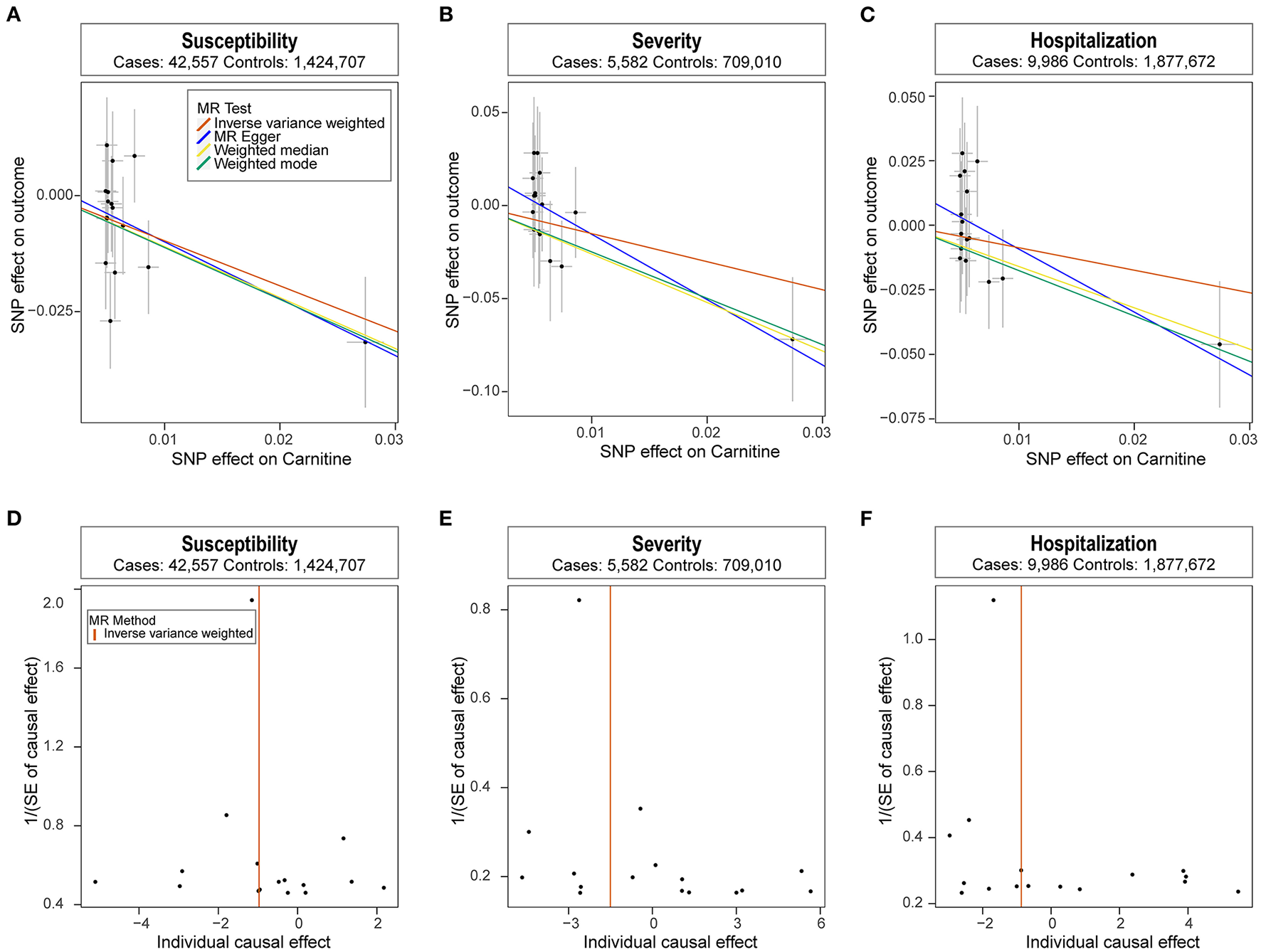
When treating people with obesity, we must also consider its related disorders such as dyslipidemia. Dyslipidemia has been repeatedly shown to be associated with the risk and severity of Covid-19, and one of the mainstay therapies in patients with dyslipidemia is a statin. Studies have shown that statins are generally safe for Covid-19 patients and may even offer therapeutical benefits, owing to their antiviral, immunomodulatory, anti-thrombosis, and anti-oxidative effects.[9] The use of statins should therefore not be discontinued during Covid-19, especially in those who have dyslipidemia where the benefit from statins will be more prominent. Besides statins, studies have shown that L-carnitine has a key role in fatty acid metabolism and could function as an additional agent to improve dyslipidemia. Using the Mendelian randomization method, it has been demonstrated that carnitine might have a protective role on Covid-19, and carnitine might be a therapy that is worth further exploration in clinical trials.[10]

We hope that the studies under our Research Topic collection may give us a better understanding of Covid-19 and its relationship with both obesity and dyslipidemia. Their results enable better risk stratification, earlier detection, and a more holistic approach for these populations. These publications also show how this field is in an emergent phase and how much research is needed in this area of knowledge.

1,808 views

1 citations

ORIGINAL RESEARCH
22 February 2023
Associations of body mass index with severe outcomes of COVID-19 among critically ill elderly patients: A prospective study
Zahra Gholi, 2 more and Hassan Eini-Zinab

2,613 views

5 citations

ORIGINAL RESEARCH
11 July 2022
The Role of Bioelectrical Impedance Analysis in Predicting COVID-19 Outcome
Djordje Stevanovic, 12 more and Vladimir Miloradovic

3,204 views

9 citations

The study aims to evaluate the changes in BMI, dietary patterns, and the extent of physical activities among university students following the prolonged COVID-19 lockdown in Bangladesh. A cross-sectional web-based survey was conducted between July 10 to August 10, 2021, through a pre-designed Google Form to collect the data required for assessing the changes in BMI, eating behaviors, and physical activity between “before” and “during” the COVID-19 lockdown among the Bangladeshi university students (age: ≥ 18 years). Informed consent was electronically obtained from each participant, and a simple snowball technique was employed during the sample recruitment. Univariate (frequency and percentage distribution), paired t-test, bivariate (chi-square test), and multivariate (multinomial and binary logistic regression) analyses were consecutively applied to analyze the collected clean data set. Among the total participants (n = 1,602), 45.1%, 55.6%, and 14.2% were female, 22 to 25 years' age, and regular smokers, respectively. The current BMI (mean ± standard deviation, SD) following the prolonged COVID-19 lockdown was 23.52 ± 7.68 kg/m2 which was 22.77 ± 4.11 kg/m2 during the pre-lockdown period (mean difference = 0.753; p < 0.001). The multinomial logistic regression found a significant impact of gender, age, monthly family income, university type, eating larger meals/snacks, and physical exercise on overweight/obesity. Besides, the female students, and who kept their eating habits constant were more likely to be underweight. Additionally, the binary logistic regression analysis found that the students from private universities, urban areas, wealthier families, and who were taking larger meals/snacks were substantially more physically inactive.

8,421 views

48 citations

Higher Intake of Dietary Magnesium Is Inversely Associated With COVID-19 Severity and Symptoms in Hospitalized Patients: A Cross-Sectional Study
ORIGINAL RESEARCH
12 May 2022
Higher Intake of Dietary Magnesium Is Inversely Associated With COVID-19 Severity and Symptoms in Hospitalized Patients: A Cross-Sectional Study
Saeedeh Nouri-Majd, 6 more and Alireza Milajerdi
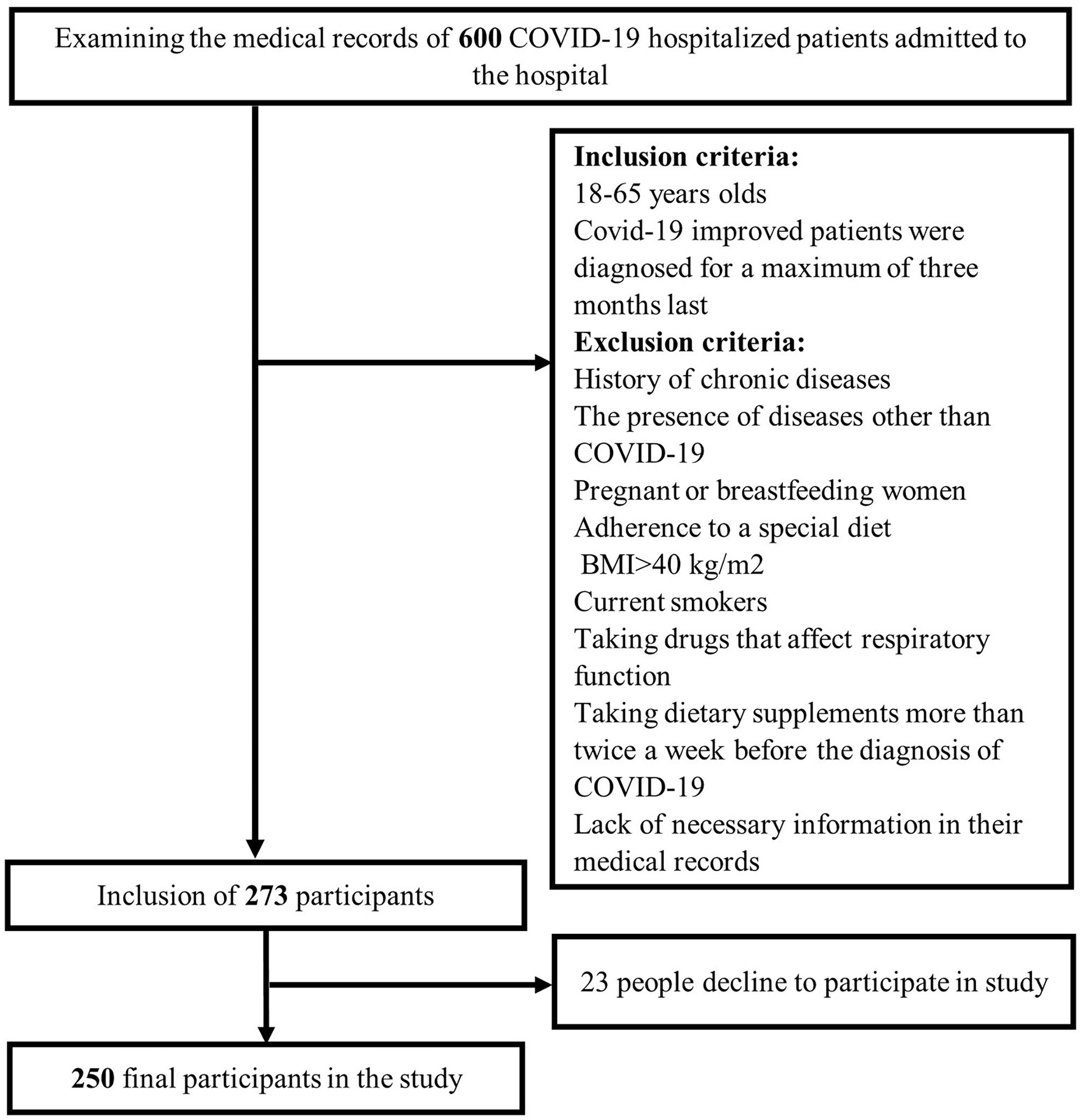
Background & Aims: Magnesium is a mineral with anti-inflammatory potential that deserves further attention in COVID-19. We examined the association between dietary magnesium intake and COVID-19 severity and related symptoms in hospitalized patients. Methods: A cross-sectional study was done enrolling 250 COVID-19 patients aged 18 to 65 years. A validated 168-item online food frequency questionnaire was used to assess dietary magnesium intake. COVID-19 Treatment Guidelines were used to determine COVID-19 severity and symptoms were evaluated using a standard questionnaire. Crude and adjusted analyses were performed (Model 1: age, sex, and energy intake; Model 2: Model 1 + physical activity, supplements, corticosteroids, and antiviral drugs; Model 3: Model 2 + body mass index). Results: The mean age of participants was 44.1±12.1 years and 46% of them had severe COVID-19. Patients at the highest tertile of dietary magnesium intake had lower serum levels of inflammatory biomarkers, including CRP (11.8±2.2 vs. 29.5±2.1) and ESR (15.8±2.4 vs. 34.7±2.4) than those at the lowest tertile. After controlling for potential confounders, we observed that a higher intake of dietary magnesium was associated with a lower odds of severe COVID-19 (OR: 0.32; 95% CI: 0.15-0.70). Also, we found a significant inverse association between dietary magnesium intake and odds of COVID-19 symptoms including dyspnea (OR: 0.28; 95% CI: 0.12-0.65), cough (OR: 0.28; 95% CI: 0.12-0.63), fever (OR: 0.35; 95% CI: 0.13-0.93), chilling (OR: 0.34; 95% CI: 0.13-0.92), weakness (OR: 0.14; 95% CI: 0.06-0.34), myalgia (OR: 0.45; 95% CI: 0.21-0.94), nausea and vomiting (OR: 0.03; 95% CI: 0.004-0.24), and sore throat (OR: 0.10; 95% CI: 0.04-0.29). Conclusion: Higher intake of dietary magnesium was inversely associated with COVID-19 severity and symptoms.

28,881 views

22 citations

ORIGINAL RESEARCH
26 January 2022
Serum Vitamin D Levels Are Associated With Increased COVID-19 Severity and Mortality Independent of Whole-Body and Visceral Adiposity
Pablo Esteban Vanegas-Cedillo, 13 more and Roopa Mehta

8,856 views

23 citations

Background: Carnitine, a potential substitute or supplementation for dexamethasone, might protect against COVID-19 based on its molecular functions. However, the correlation between carnitine and COVID-19 has not been explored yet, and whether there exists causation is unknown. Methods: A two-sample Mendelian randomization (MR) analysis was conducted to explore the causal relationship between carnitine level and COVID-19. Significant single nucleotide polymorphisms from genome-wide association study on carnitine (N = 7,824) were utilized as exposure instruments, and summary statistics of the susceptibility (N = 1,467,264), severity (N = 714,592) and hospitalization (N = 1,887,658) of COVID-19 were utilized as the outcome. The causal relationship was evaluated by multiplicative random effects inverse variance weighted (IVW) method, and further verified by another three MR methods including MR Egger, weighted median, and weighted mode, as well as extensive sensitivity analyses. Results: Genetically determined one standard deviation increase in carnitine amount was associated with lower susceptibility (OR: 0.38, 95% CI: 0.19~0.74, P: 4.77E-03) of COVID-19. Carnitine amount was also associated with lower severity and hospitalization of COVID-19 using another three MR methods, though the association was not significant using the IVW method but showed the same direction of effect. The results were robust under all sensitivity analyses. Conclusions: A genetic predisposition to high carnitine levels might reduce the susceptibility and severity of COVID-19. These results provide better understandings on the role of carnitine in the COVID-19 pathogenesis, and facilitate novel therapeutic targets for COVID-19 in future clinical trials.

8,725 views

21 citations