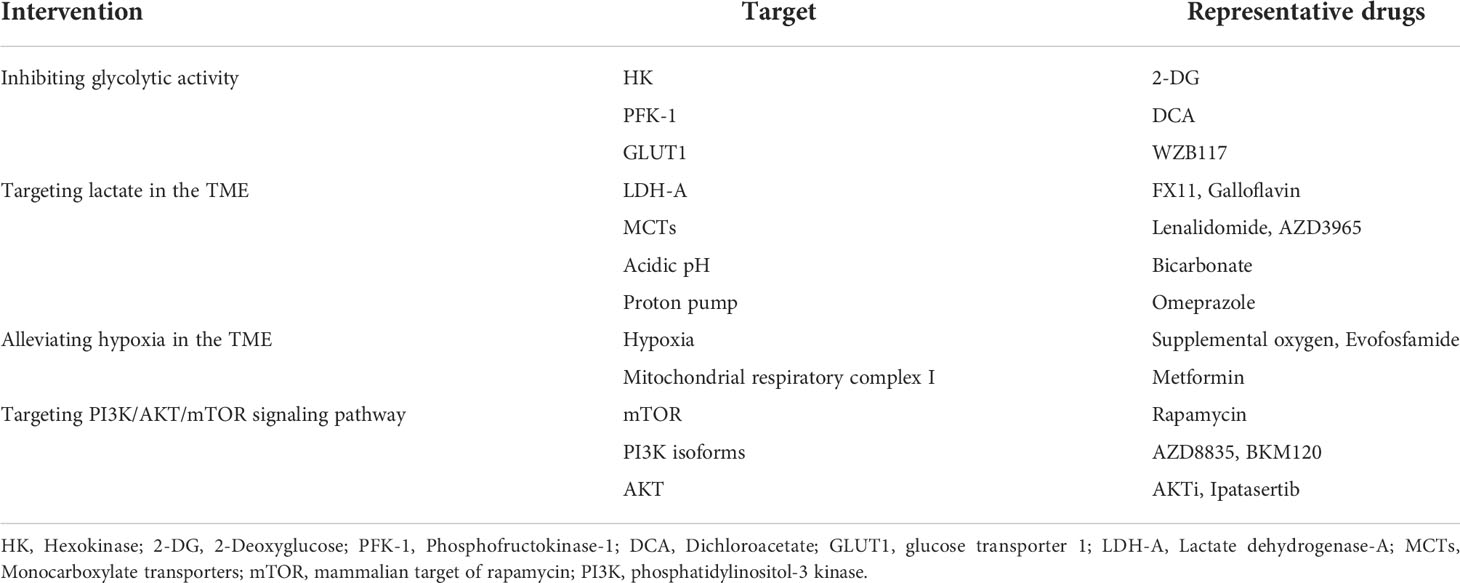
Convincing evidence has revealed that metabolic reprogramming orchestrates tumor initiation and progression, immune evasion, and drug resistance. Targeting metabolic vulnerabilities of tumors has remarkable advantages as a therapeutic strategy that exerts prominent antitumor effects, without affecting normal cell physiology. Indeed, the current treatment options based on metabolic reprogramming present impressive curative effects in solid tumors and hematological malignancies.A better understanding of tumor metabolic remodeling and immunometabolism will deepen the insights into disease mechanisms and promote the development of promising therapeutic strategies. This Research Topic intends to highlight the current understanding of the role of cellular metabolism in hematological malignancies, with the purpose of identifying new therapeutic targets and rational metabolic therapies alone or in combination with other regimens.
Arginine plays a multifaceted role in numerous crucial biological processes and exerts a significant impact on carcinogenesis and immune response. Arginine auxotrophic tumors, including many hematological malignancies, lose the ability to endogenously synthesize arginine; thus, arginine depletion therapy can serve as a promising antitumor therapeutic approach. Arginase is a prevalent arginine-depleting agent in clinical practice that converts arginine into ornithine. Du et al. illustrate the arginine metabolism pathway and summarize the current state of arginase application in the treatment of hematological malignancies. The combination of acupuncture and bortezomib is a promising therapeutic strategy to benefit multiple myeloma (MM) model mice, as outlined by Ke et al. The synergistic effects of acupuncture and bortezomib on the survival of MM mice might depend on ornithine-mediated metabolism, which is implicated in arginine and proline metabolic pathways. Furthermore, the external data from the Gene Expression Omnibus (GEO) database revealed that higher ornithine decarboxylase 1 (ODC1) expression was significantly associated with inferior prognosis in MM patients.Emerging metabolic pathways provide new clues for identifying potential drivers of pathogenesis in hematological malignancies. As a novel characterized modality of regulatory cell death, ferroptosis has been demonstrated to be related to multiple metabolic pathways. Lan et al.summarize the recent progress in the regulatory mechanism of ferroptosis and elucidate the roles of ferroptosis in hematological malignancies. The potential of ferroptosis as a therapeutic target in hematological malignancies is further discussed.Recent studies have revealed metabolic differences between hematopoietic and leukemic stem cells. Patel et al. depict the unique metabolic adaptations seen in leukemic stem cells (LSCs). They also highlight the advances and limitations of metabolic analysis to decipher the metabolic adaptability of LSCs. Cell number limitation and metabolic heterogeneity represent the major challenges to understanding metabolic differences in the cells of interest. Single-cell metabolic technologies provide an excellent opportunity to dissect cellular states at unprecedented depth. Zuo et al. introduce single-cell metabolomics techniques, providing clear navigation to select appropriate approaches for metabolic analysis.
To date, increasing evidence indicates that immune cells can alter metabolic programs to sustain Collectively, the original research and review articles in this Research Topic cover a series of meaningful findings of metabolic reprogramming in hematological malignancies, providing new insights into the mechanisms underlying cellular metabolism in hematological malignancies. Moreover, several potential effective targets for cancer treatment have been proposed, and further validation is warranted.