Mice and rats provide the primary model systems in which the pathophysiology of obesity and its associated pandemic diseases are investigated. Rodent models have been instrumental in the garnering of numerous insights into fundamental pathophysiological mechanisms that are conserved across species. Nevertheless, in key respects rodent physiology is distinct from that of humans, and uncritical overreliance on rodent findings risks impeding translational progress towards improving human health. This research topic aimed to assess whether current use of mouse and rat models is appropriate to maximise generalizable insights and to minimise erroneous conclusions being drawn about human disease. It solicited 16 publications, encompassing 14 opinions or reviews and 2 original research articles, describing or evaluating many aspects of current research performed using rats or mice, covering both causes and consequences of obesity.
Type 2 diabetes is the main focus of three papers. Santosa et al. discuss the use of the rodent pancreatic beta cell to understand the signalling pathways involved in human beta cell differentiation. Laber and Cox . and Thomsen et al consider the successes for rodent modelling of human genome wide association studies (GWAS) for adiposity and T2DM, encompassing similarities and differences between mouse and human genomes. They consider how animal models can be developed as more precise disease models of T2D by targeted gene manipulation in the correct developmental and tissue context. Significant limitations of this strategy are also discussed.
Rodent modelling of two major obesity associated diseases, namely non-alcoholic fatty liver disease (NAFLD) and polycystic ovary syndrome (PCOS), is the focus of two papers. The use of monogenic mouse models to interrogate the pathophysiology and genetic predisposition to NAFLD is discussed by Mann et al.. This points to interspecies differences and variability in experimental protocols as a limit for the extent to which results from rodent models can currently be extrapolated to humans. Huang-Doran et al. reviewed the characteristics of the PCOS and assessed the adequacy of rodent models for investigation of this complex pathology. They highlight the variable recapitulation of the PCOS phenotype in rodents, and the relative lack of insulin resistance-related PCOS, quite unlike humans.
Rat models have been used for 3 decades to study facets of nutrition, endocrinology, the metabolic syndrome, obesity, lipid metabolism, vascular myocardial pathophysiology and pharmacology, and are the primary focus of several papers in the topic. Chusyd et al. review the physiological properties and metabolic profiles of rodent white adipose fat pads and compare these to white adipose depots in humans. The authors also elaborate on sexual dimorphism in adipose tissue depots and attempt to explain why pre-menopausal women generally have a healthier metabolic risk profile than men. Diane et al discuss how the JCR:LA-cp rat has contributed to understanding of the gut’s contribution to increased production of chylomicron particles, and how ruminant-derived trans fatty acids participate in regulating lipid metabolism. The authors also consider modelling of PCOS in this strain of rat. Bi and Moran focused on the insights into the neural basis of food intake and body weight control that have been yielded by studies of the obese OLEF-T rat, a CCK-1 receptor knockout model. The OLEF-T rat has also been valuable in dissection of interactions among exercise and food intake, and in investigating the role of the DMH in energy balance.
Giles et al. report lessons learned from study of the OP/OR rat, including the observation that OP rats have disturbances in hypothalamic signaling pathways involved in energy homeostasis before obesity develops, and while still on a low-fat diet. They also highlight the sexual dimorphism of obesity and point out that this is often ignored because most pre-clinical studies are performed on male rodent models. The authors have extended the study of the obese rat model to address the menopause and breast cancer using surgical ovariectomy in OP/OR female rats to mimic loss of ovarian function. Surgical ovariectomy was also used in mice by Chalvon-Demersay et al to address the consequences of oestrogen deficiency, however they suggest that differences observed even between rats and mice imply that extrapolations to humans must be made with caution. In the same article, the authors also discuss the “protein leverage hypothesis”, which proposes that insufficient protein intake may be a key factor in obesity development. The authors discuss in detail mechanisms whereby dietary protein levels may affect food intake.
The brain is the focus of two further papers. Poon and Leibowitz discuss the various techniques used for the administration of substances to rodents in studies of the neuronal and molecular mechanisms determining the behavioral outcomes of gestational exposure to non-illicit substances of abuse, such as excessive dietary fat, ethanol, and nicotine. Munzberg et al. suggest that environmental factors and genetic predisposition, rather than personal choices, are at the root of the obesity pandemic, and critically evaluate how rodent models can help to understand the contribution of hedonic neural processes to body weight regulation. They summarise how these models helped to solidify the new view that homeostatic and hedonic controls are closely interrelated, often acting in unison at the unconscious level to effect biologically adaptive responses
Lutz and Bueter review the advantages and limitations of studying mechanisms underlying the benefits of bariatric surgical approaches to obesity treatment (Roux-en-Y gastric bypass (RYGB) and vertical sleeve gastrectomy (VSG)) in rats and mice. He concludes that most animal models recapitulate remarkably well findings in humans, but indicate that animals larger than rats and mice may offer additional specific advantages.
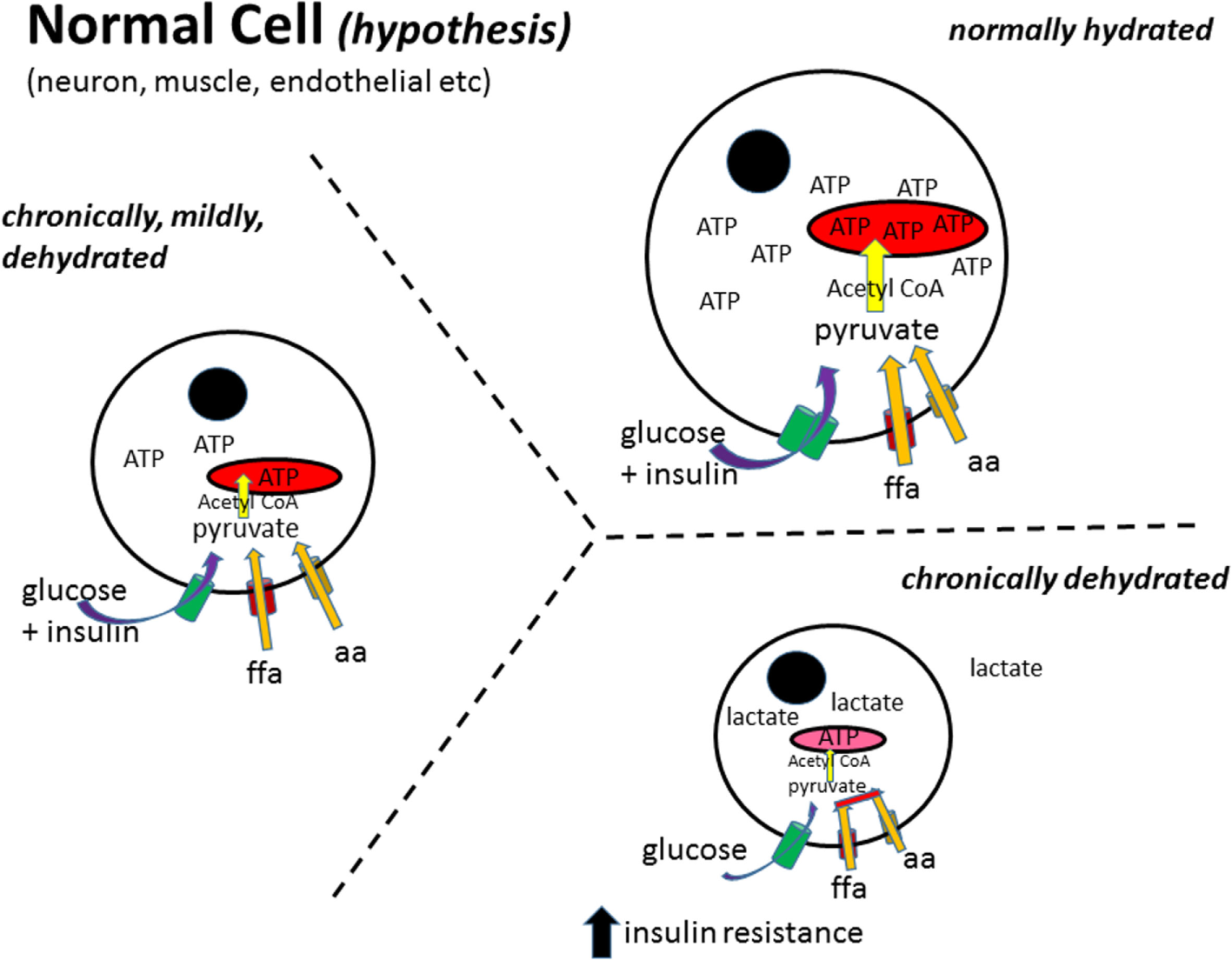
Thornton reviewed experiments in favour of the specific hypothesis that increased hydration leads to body weight and fat loss through a decrease in feeding. The hypothesis derives from a broad association between chronic dehydration, raised levels of angiotensin II and chronic diseases such as obesity, diabetes, cancer and cardiovascular diseases. Proposed mechanisms involve an increase in metabolism due to expansion of cell volume by hydration.
Two original studies were published in this topic. Even and Blais. sound a cautionary methodological note by demonstrating that the cost of thermoregulation in mice housed at room temperature strongly affects attempts to estimate thermogenic responses to feeding accurately, due to heat transfer between diet-induced thermogenesis and non-shivering thermogenesis. They suggest that these observations undermine the use of mice housed below thermoneutrality to model human disorders of energy balance. Finally, Lombardo et al. show that use of a simple standard diet, without additive agents and without caloric restriction, is sufficient to rescue high-fat feeding-induced insulin resistance and prevent the evolution of diabetes without the need for a hypocaloric diet.
The papers in this topic offer a cross section of current approaches to studying obesity and its associated diseases in rodents. They highlight successes and failures, as well as illustrating important methodological issues and some emerging hypotheses in the field. Collectively, they attest to the enduring utility of highly tractable rodent models of complex human metabolic disease, and to the importance of continued and careful adjustment of rodents to the disease being modelled. They further raise awareness of areas where species-specific pathophysiology appears irrevocably distinct. Appropriately critical use of rodent models will remain vital to interrogation of pandemic human metabolic disease.