
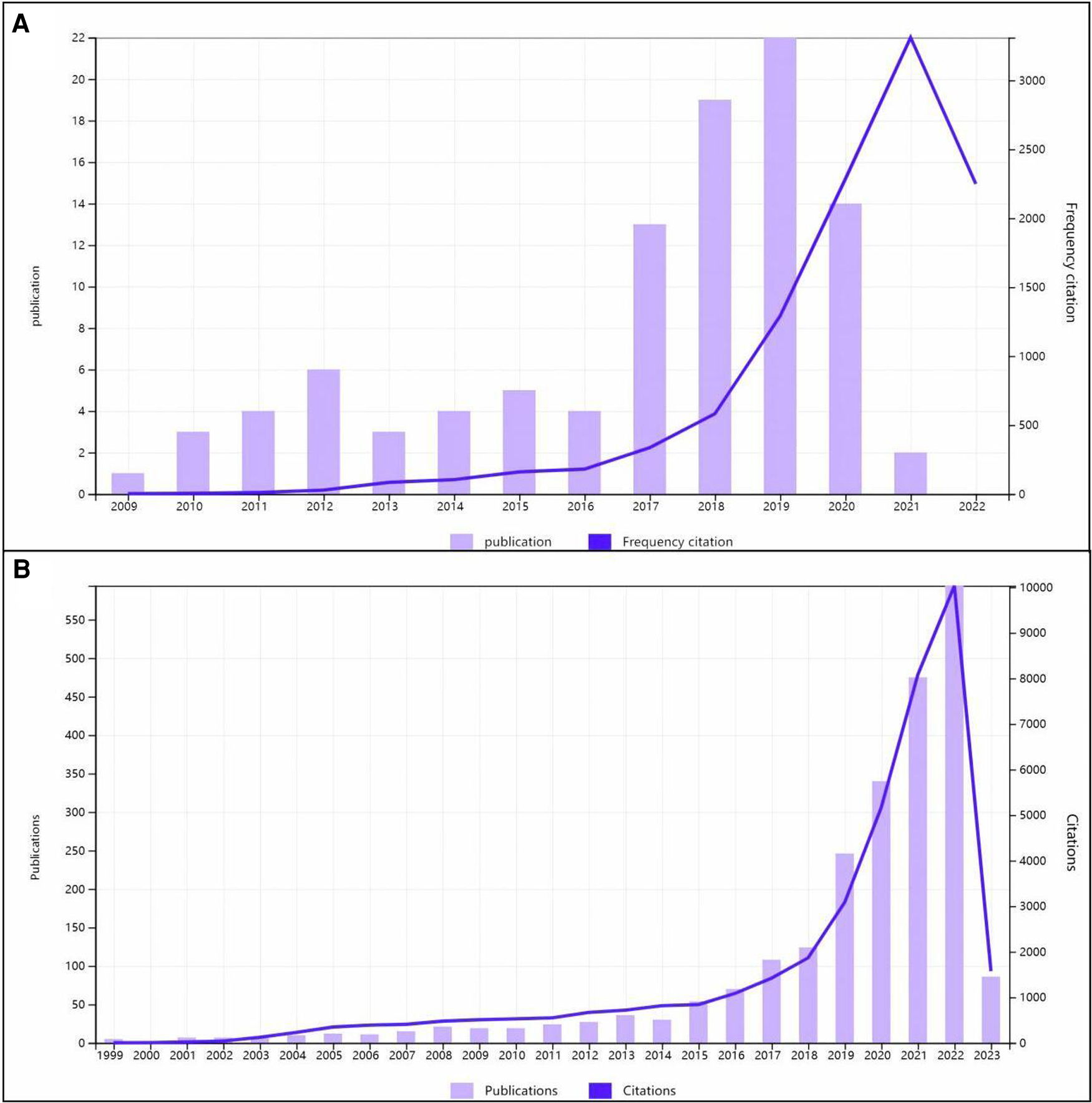
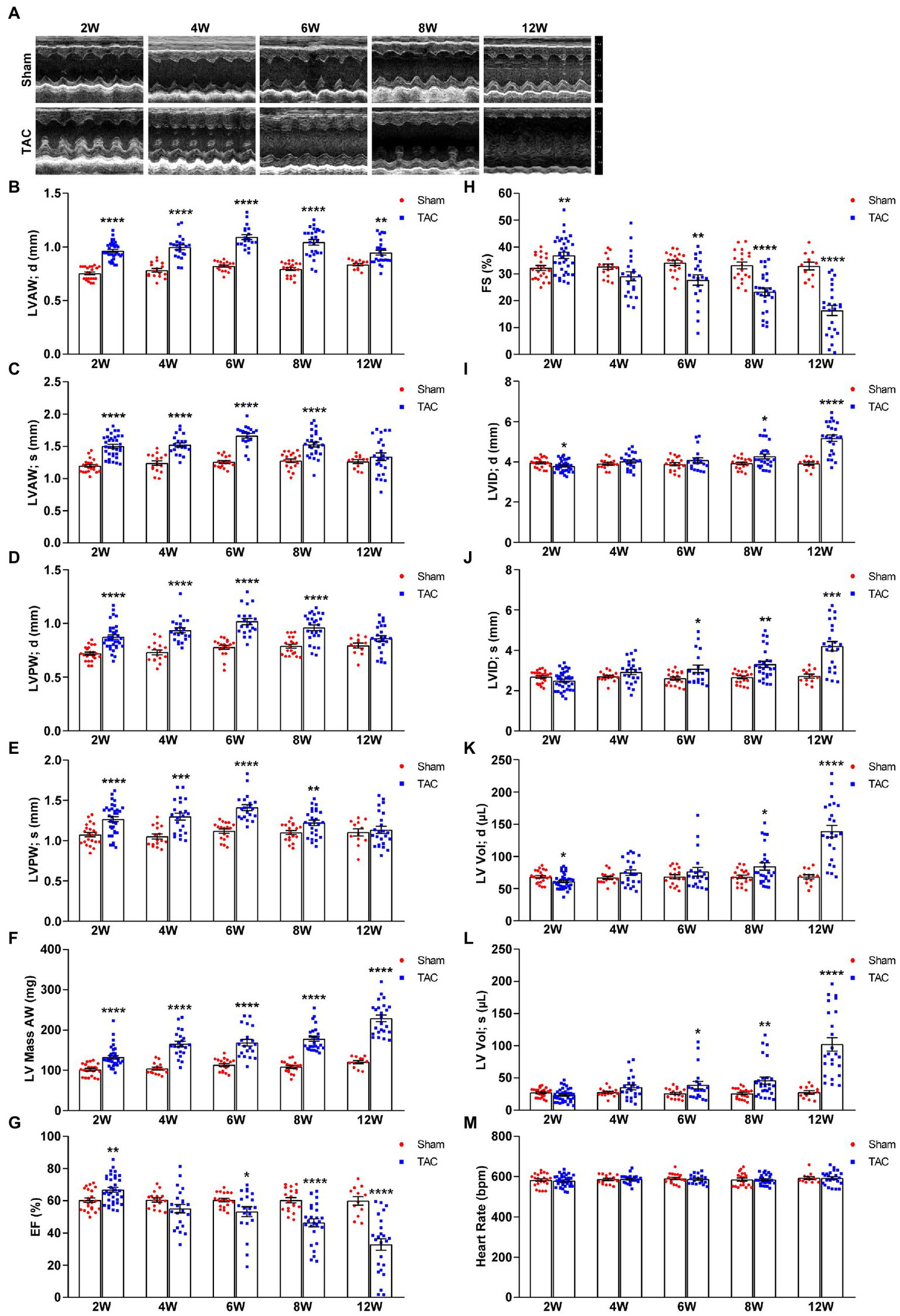
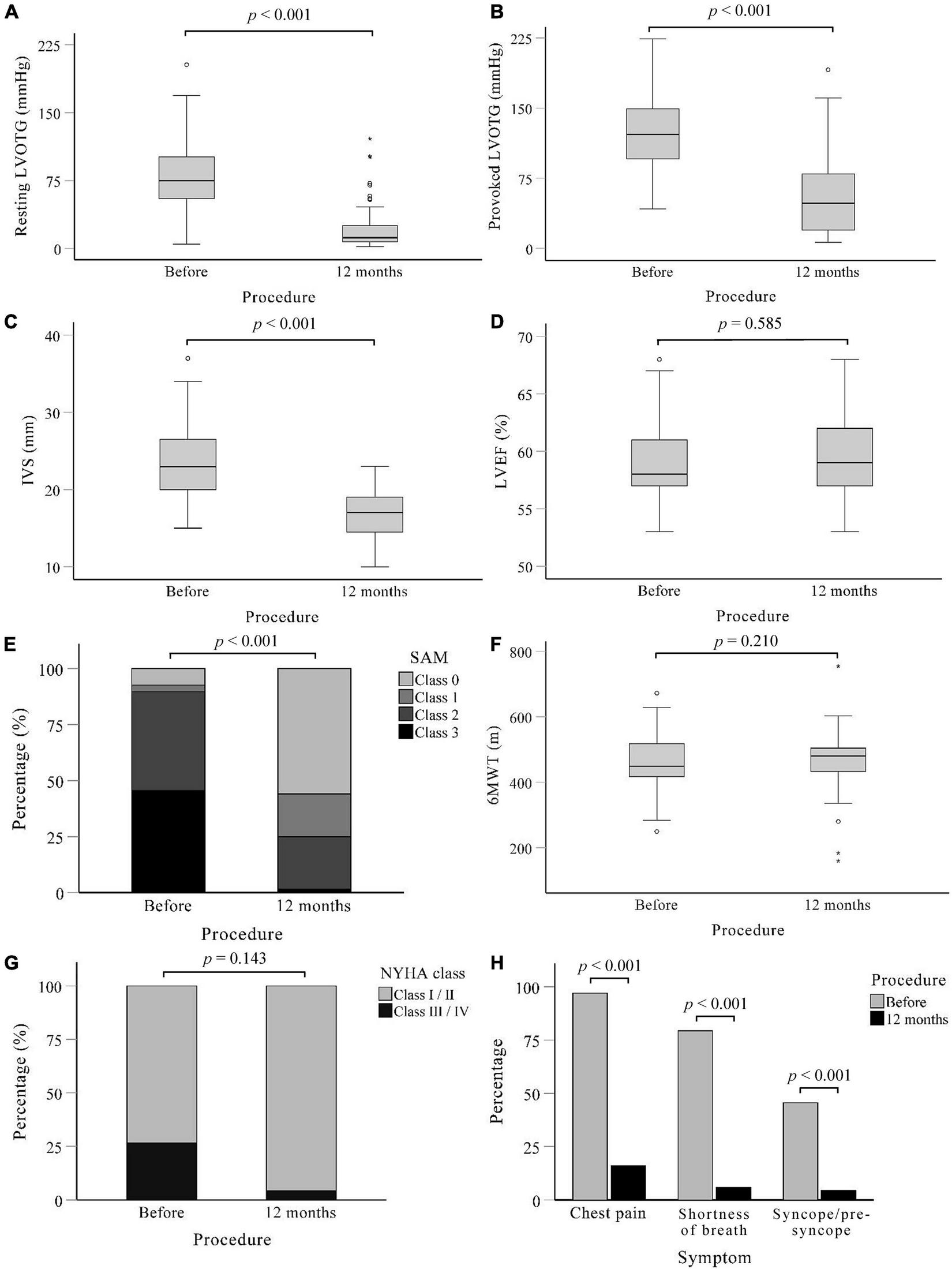
Finding ways to deal with/treat patients with heart failure (HF) is one of the most serious issues facing the healthcare industry today. A primary contributor to cardiovascular mortality that affects approximately 64 million people worldwide, the prevalence of HF is rising rapidly, even in developing nations 1 . Despite exponentially evolving improvements and accelerating technological leaps for all healthcare industry stakeholders, cardiovascular disease has remained woefully stagnant. In healthcare, HF has held primacy as the most overwhelming burden on both patient morbidity and mortality, arguably driven by high incidence and its considerable detrimental effects. The following acknowledgement of works submitted to this topic, critical works on HF intends to provide a broad range of medical, therapeutic, and device options, and to reflect the present landscape of surgical and technological armaneraium.Nair 2 addressed the need for improved risk prediction models using artificial intelligence (AI) technology for evaluations of the right ventricular failure, after left ventricular device (LVAD) implantation, which remains a major cause of morbidity and mortality in this patient population. Nair provided compelling reviews of existing risk prediction scores, which included primary diagnostic features as well as limitations. Cardoso et al. 3 , summarily reviewed new medical-device based (i.e. mechanical circulatory support) therapies, as well as the various mechanisms for decompensated HF. The article's classification scheme, collectively classified as (DRI2P2S), has been proposed to address the advanced device-based therapies by their mechanism of action: Dilators (increase venous capacitance); Removers (direct removal of sodium and water); Inotropes (increase leftventricular contractility); Interstitials (accelerate removal of lymph); Pushers (increase renal arterial pressure); Pullers (decrease renal venous pressure); and, Selective (selective intrarenal drug infusion).Wang et al. 4 , reported on the first in-man application of the Liwen RF™ ablation system. This open label, one-arm, prospective, non-randomized study used the system as treatment of drug-resistant hypertrophic obstructive cardiomyopathy. At follow up, amongst those patients excluded from either surgical myectomy (for now, considered the "gold-standard" treatment for most patients), or alcohol septal ablation, the Liwen RF™ demonstrated a significant reduction in left ventricular outflow obstruction and symptom relief.Yu et al. 5 , described results from in vivo studies (n=2) of hemodynamics and potential mechanisms that drive pulmonary circulation in status of ventricular fibrillation. Upon completion of implanting the continuous-flow LVAD (CF-LVAD) in ovine models, the HeartCon Ventricular Assist Device was used as CF-LVAD. Overall, study-findings underline the importance of the atrial rhythm and function for the circulation maintenance; in patients with ventricular fibrillation, post CF-LVAD.In their original research article, Xia Wang and associates 6 described their experiences with a minimally invasive, transverse aortic-constriction model (C57BL/6 J mice), investigating pressure overload-induced cardiac remodeling and HF. With specifically calibrated instrumentation, this method was found suitable for high-precision aortic contraction in mice that need high reproducibility and low post-operative mortality, holding potentially important research value with regards to cardiac remodeling and HF experimentation.Funamoto and colleagues 7 , reported the group's early clinical report shared clinical experience and patient outcomes, with the next-gen surgical Impella 5.5. Patients with surgically implanted axillary Impella 5.5 showed optimal short-term survival rates. Axillary placement of the blood pump was used in a multitude of clinical indications (e.g., bridging strategy to durable support; implant LVAD and heart transplant; or, perioperative support for high-risk cardiac surgery), all with excellent outcomes. Zhou et al. 8 , investigated the exploratory efficacy of the D-Shant device for interatrial shunting in treating HF with reduced ejection fraction (HFrEF), and HF with preserved ejection fraction (HFpEF). The team of researchers also chose to study the predictive value of biventricular longitudinal strain for functional improvement in such patients. Improvements in both clinical-and functional-status were observed (at 6 months, post-implantation of atrium shunt device).Schmitto and the team of investigators 9 reported on the first clinical-use of the left atrial appendage (LAA) for epicardial micrograft transplantation during LVAD implantation (in a 61year-old male patient with dilated cardiomyopathy). The LAA micrograft transplant was successfully applied epicardially, in conjunction with LVAD implantation. In addition to potential therapeutic benefits, their approach well-facilitates gathering mechanistic proof of remodeling efficacy at all observed levels (i.e. functional, molecular, and structural).Lee et al. 10 investigated the differential outcomes of catheter ablation vs. medical treatment in patients with atrial fibrillation (AF) and HF. The cohort study was stratified by different left ventricular ejection fractions (LVEFs), New York Heart Association class ≥ II, and different AF-types. Analysis showed improved LVEF, improved 6-min walk distance, less AF recurrence, and lower all-cause mortality. In favor of catheter ablation vs. medical treatment (in AF patients with HF and LVEF of 36%-50%), less HF hospitalization was observed by investigators. This was seen in AF patients with HF and LVEF ≤50% and LVEF ≤35%.In a retrospective, single-center and observational study, Ma et al. 11 analyzed the feasibility and outcomes of conduction system pacing (CSP) in HF patients with a severely reduced LVEF of less than 30% (HFsrEF). The CSP was found feasible and safe in patients with HFsrEF and was associated with significantly better clinical and echocardiographic outcomes.With the underlying objective to conduct a dynamic and longitudinal bibliometric analysis of HF, Kuang et al. 12 provided a comprehensive overview of machine learning applications in HF-associated diseases; the perspective of using AI in HF diagnosis and treatment has been emphasized. Dixit and Amsterdam 13 discussed how revascularization should be prioritized at index hospitalization for newly diagnosed HFrEF patients at high risk for coronary artery disease (not presenting with acute coronary syndrome). Ultimately, the authors propose an algorithm for evaluation of ischemic cardiomyopathy in hospitalized patients with newly diagnosed HFrEF, utilizing strategies that could optimize the guidelines and directions of medical therapy outcomes. Pyka et al. 14 , investigated potential benefits of mechanically supported revascularization for heart-transplant candidates. The researchers shared a specific case-report, featuring a 53year-old male heart-transplant candidate with type 1 diabetes mellitus. In the study, the subject was initially considered unsuitable for revascularization, and had already qualified for heart transplantation. The operating heart team opted for a high-risk mechanically supported percutaneous coronary intervention for revascularization. Several months, post-procedure, the patient was no longer listed as a candidate for heart transplant. Overall, their findings suggested that -in select cases -a more-thorough assessment of myocardial viability, with potential revascularization strategies, is critical for these patient populations.Miyagi et al. 15 showed anatomical-and virtual-fittings of two small-sized (i.e., pediatric and infant patients) continuous-flow total artificial heart pumps (CFTAHs) in congenital heart surgery patients. Performed at Cleveland Clinic in pediatric cardiac surgery patients (n = 40), the study used 3D-models of pediatric [P-CFTAH] and infant [I-CFTAH] blood pumps. An important landmark in pediatric blood-pump research, the investigators successfully demonstrated optimal dimensions for each of the pumps, and proved them to be feasible in all enrolled patients, including those who were under 10 kg at the time of evaluation assessment.Shen and collaborators 16 , retrospectively analyzed a total of 460 patients, to elucidated the prognostic significance of serum albumin, and thereby find the creatinine ratio (ACR) in these patients, receiving heart transplantation of end-stage HF. Their article also discussed efforts to identify potential correlations between ACR and the prognosis of heart transplantation, (with optimal cut-off values); purportedly estimating prognosis in this complex patient population.Overall, this Frontiers topic underlying intention was to discuss the HF therapeutics and treatment options landscape. From covering a representative array of sophisticated clinical and engineering tools currently utilized to investigate clinical-gaps in treating HF, to the growing number of viable, novel devices, to finally the sophisticated surgical approaches, our selected works are representative, but by no-means conclusive. Further research is needed to determine long-term evolution of any of the devices; for example, the observed shift in patient phenotypes over time would continue to imply that more devices and treatment strategies should be elaborated. Another such area would be to examine these data points in heart transplant candidates who are less-ill, not exclusively at end-stage HF. A regular continuation of researchclinical and data-analysis -in addition and development, is critical in order to evolve and enable the next-generation of surgical techniques and device-based therapies. With time, these research efforts should be able to achieve effective neutralization of device-related complications, and to drastically improve overall patient-outcomes.
7 Authors
- XK
Xuyuan Kuang
Xiangya Hospital, China
- ZZ
Zihao Zhong
Hunan University of Technology and Business, China
- WL
Wei Liang
Hunan University of Technology and Business, China
- SH
Suzhen Huang
Central South University, China
- RL
Renji Luo
Hunan University of Technology and Business, China
- HL
Hui Luo
National Research Center of Geriatic Diseases (Xiangya Hospital), China
- YL
Yongheng Li
Hunan University of Technology and Business, China

15 Authors
- ZW
Zihao Wang
Xijing Hypertrophic Cardiomyopathy Center, Department of Ultrasound, Xijing Hospital, Fourth Military Medical University, China
- RZ
Rong Zhao
Xijing Hypertrophic Cardiomyopathy Center, Department of Cardiac Surgery, Xijing Hospital, Fourth Military Medical University, China
- HS
Horst Sievert
CardioVascular Center, Germany
- ST
Shengjun Ta
Xijing Hypertrophic Cardiomyopathy Center, Department of Ultrasound, Xijing Hospital, Fourth Military Medical University, China
- JL
Jing Li
Xijing Hypertrophic Cardiomyopathy Center, Department of Ultrasound, Xijing Hospital, Fourth Military Medical University, China
- SB
Stefan Bertog
CardioVascular Center, Germany
- KP
Kerstin Piayda
CardioVascular Center, Germany
- MZ
Mengyao Zhou
Xijing Hypertrophic Cardiomyopathy Center, Department of Ultrasound, Xijing Hospital, Fourth Military Medical University, China
- CL
Changhui Lei
Xijing Hypertrophic Cardiomyopathy Center, Department of Ultrasound, Xijing Hospital, Fourth Military Medical University, China
- XL
Xiaojuan Li
Xijing Hypertrophic Cardiomyopathy Center, Department of Ultrasound, Xijing Hospital, Fourth Military Medical University, China
- JL
Jiani Liu
Xijing Hypertrophic Cardiomyopathy Center, Department of Ultrasound, Xijing Hospital, Fourth Military Medical University, China
- BX
Bo Xu
Xijing Hypertrophic Cardiomyopathy Center, Department of Cardiac Surgery, Xijing Hospital, Fourth Military Medical University, China
- BF
Bo Feng
Xijing Hypertrophic Cardiomyopathy Center, Department of Cardiac Surgery, Xijing Hospital, Fourth Military Medical University, China
- RH
Rui Hu
Xijing Hypertrophic Cardiomyopathy Center, Department of Ultrasound, Xijing Hospital, Fourth Military Medical University, China
- LL
Liwen Liu
Xijing Hypertrophic Cardiomyopathy Center, Department of Ultrasound, Xijing Hospital, Fourth Military Medical University, China
