International Symposium on Performance Science 2017

Cover image for Research Topic "International Symposium on Performance Science 2017"
399kviews
3 In live performances seated audiences have restricted opportunities for response. Some 4 responses are obvious, such as applause and cheering, but there are also many apparently 5 incidental movements including posture shifts, fixing hair, scratching and adjusting glasses. 6 Do these movements provide clues to people’s level of engagement with a performance? Our 7 basic hypothesis is that audience responses are part of a bi-directional system of audience- 8 performer communication. This communication is part of what distinguishes live from recorded 9 performance and underpins live performers’ moment-to-moment sense of how well a performance 10 is going. Here we investigate the range of visible real-time movements of audiences in four live 11 contemporary dance performances. Video recordings of performers and audiences were analysed 12 using computer vision techniques for extracting face, hand and body movement data. The 13 meaning of audience movements were analysed by comparing clips of the audience at moments 14 of maximum and minimum movement to expert and novice judges. The results show that audience 15 clips with the lowest overall movement are judged as displaying the highest engagement. In 16 addition, we found that while there is no systematic relationship between audience and dancers 17 movement, hands seem to play an especially significant role since they move significantly more 18 compared to the rest of the body. We draw on these findings to argue that collective stillness is 19 an especially salient signal of audience engagement.

21,867 views

32 citations

How do classical singers combine performing and teaching, two highly challenging and consuming careers? The life of a performer combines reward with intense challenging commitment. Furthermore, for the classical vocalist whose body is the instrument, maintaining good health is a priority. Teachers of singing have demanding roles, with the responsibility of guiding their students’ vocal technique, in addition to providing inspiration, emotional support and career guidance. Moreover, their work can be taxing on their voices. There is research pertaining to musicians who balance teaching and performing, however the literature reviewed did not present a study which focused solely on classical singers who also teach, whose operatic engagements can be lengthy and travel-orientated. This gap in the literature provided an opportunity to contribute further to the field and examine the relationship between successfully balancing a performance and teaching career for classical vocalists. My aim was to explore: 1) how classical vocalists with extensive performance schedules maintain a commitment to their teaching studio; and 2) how teachers of singing who manage large private studios, and/or teach at high-level music institutions, balance performance careers with their responsibilities to their students. A phenomenological approach was selected for my exploratory study, using a qualitative method to devise an interview guide and analyze data. The procedure used for selecting the sample group was to invite participants representing a range of professional involvement in both teaching and performing. Diversity with regards to gender, base location and experience was also considered. Participants mainly responded via e-mail interviews. They were invited to discuss the following themes: balancing performing obligations with commitments to students, benefits of performing on pedagogy, and maintaining vocal health. Overall, participants felt that their performance experience was essential to their work in the teaching studio, with performing seen as a source of learning to be transmitted to students. On the other hand, for some, teaching was also seen as a source of learning, enhancing performances. Although demanding, the benefits of maintaining and enjoying both a teaching role and an active performing life were affirmed by participants. Attempting to balance both roles becomes a constant quest.

7,606 views

7 citations

This pilot explores embodiment and gender representation through the lens of choreographic practice and sociology. The perspective derives from a comparative lack of status held by female (vs male) choreographers in the UK. The pilot study specifically addresses how choreography itself embodies and perpetuates sociocultural values. This work is part of a larger, on-going ethnographic study into the social world(s) of choreography and choreographers. The method is a process of dance making called Sonnet that would expose habitual expectations of dance performances. The process was designed to heighten awareness, nudge and challenge dancers and audience members to reflect on what they normally take for granted. Using Pierre Bourdieu’s critique and notion of habitus (embodiment), the study indicates perpetuating social hierarchy in dance training and practice. This is explored and framed from Bourdieu’s social and cultural perspective.

6,293 views

2 citations

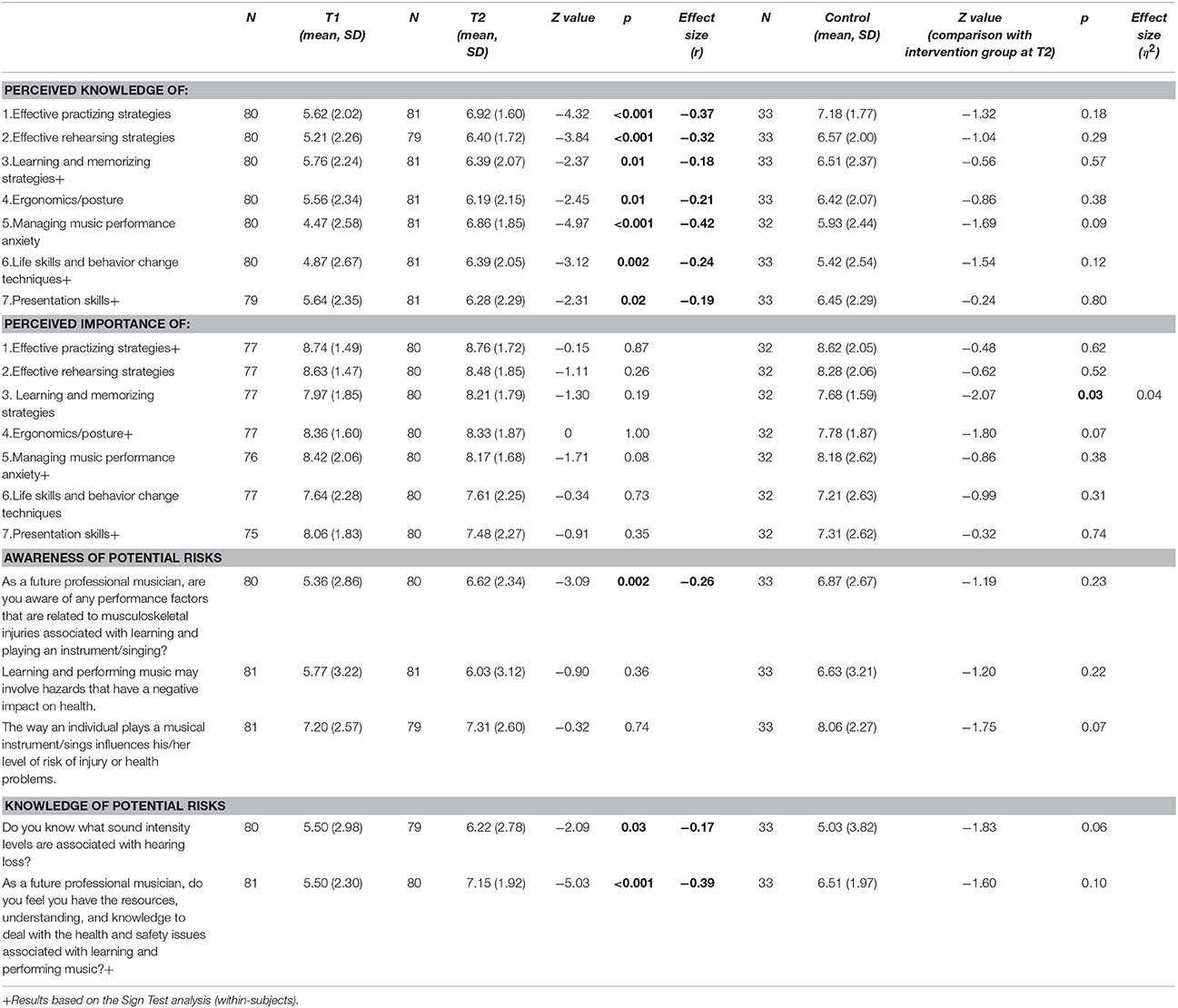
Context and aims: Many musicians suffer for their art, and health is often compromised during training. The Health Promotion in Schools of Music (HPSM) project has recommended that health education should be included in core curricula, although few such courses have been evaluated to date. The aim of the study was to design, implement and evaluate a compulsory health education course at a UK conservatoire of music. Methods: The course design was informed by a critical appraisal of the literature on musicians’ health problems and their management, existing health education courses for musicians, and the HPSM recommendations. It was delivered by a team of appropriately-qualified tutors over five months to 104 first-year undergraduate students, and evaluated by means of questionnaires at the beginning and end of the course. Thirty-three students who had been in their first year the year before the course was introduced served as a control group, completing the questionnaire on one occasion only. Items concerned: hearing and use of hearing protection; primary outcomes including perceived knowledge and importance of the topics taught on the course; and secondary outcomes including physical and psychological health and health-promoting behaviours. The content of the essays written by the first-year students as part of their course assessment served as a guide to the topics they found most interesting and relevant. Results: Comparatively few respondents reported using hearing protection when practising alone, although there was some evidence of hearing loss, tinnitus and hyperacusis. Perceived knowledge of the topics on the course, and awareness of the risks to health associated with performing music, increased, as did self-efficacy; otherwise, there were negative effects on secondary outcomes, and few differences between the intervention and control groups. The topics most frequently covered in students’ essays were managing music performance anxiety, and life skills and behaviour change techniques. Conclusion: There is considerable scope for improving music students’ physical and psychological health and health-related behaviours through health education, and persuading senior managers, educators and students themselves that health education can contribute to performance enhancement.

22,704 views

108 citations

ORIGINAL RESEARCH
13 August 2018
Musculus Palmaris Longus: Influence on Playing Capability of Keyboard Musicians – Preliminary Report
Krzysztof Dąbrowski, 3 more and Bogdan Ciszek

10,071 views

1 citations

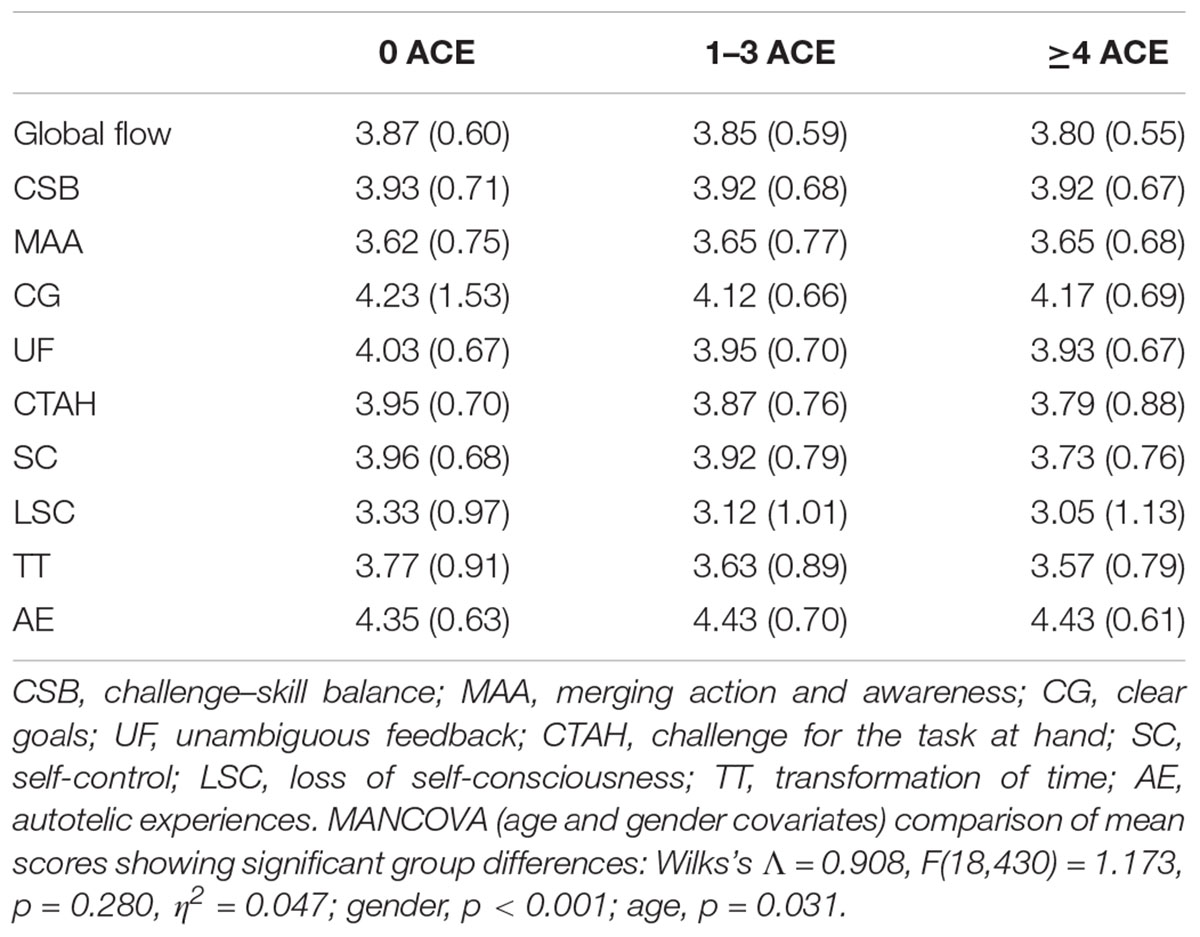
Childhood adversity is identified as any exposure to abuse, neglect or family dysfunction. Greater exposure to childhood adversity has been strongly identified with increased morbidity and mortality. The aim of this study was to examine differences in creative experiences, fantasy proneness, dispositional flow, exposure to adult traumatic events, and psychopathology (internalized shame, trait anxiety), amongst professional performing artists who experienced no childhood adversity, some adversity, or substantial adversity. This cross-section IRB approved study examined 234 professional performers (dancers, opera singers, actors, directors, musicians). Self-report measurements were included to examine the following psychological factors: adverse childhood experiences (ACE), experience of creativity questionnaire, dispositional flow, trait anxiety, internalized shame, fantasy, and total adult and childhood traumatic events. The sample was divided into three groups based on ACE scores: 0 ACE (n = 93), 1 – 3 ACEs (n = 95), ≥ 4 ACEs (n = 42). The MANCOVA (with age and gender as covariates) results revealed no significant (p = .280) differences between all three ACE groups for the nine flow scales (optimal performance measurements). Performing artists with ≥ 4 ACEs had significantly stronger creative experiences (p = .006) related to distinct creative processing, absorption, and a transformational sense of self and the world. They were also more fantasy prone, shame-based, anxious, and experienced more cumulative past traumatic events (p < .001). Although the high ACE group experienced greater negative effects, they also endorsed positive creative performance experiences.

90,283 views

41 citations