Strategies for Combatting Age-Related Decline through Targeted Exercise Programs

Cover image for Research Topic "Strategies for Combatting Age-Related Decline through Targeted Exercise Programs"
148kviews
SYSTEMATIC REVIEW
11 February 2026
Remote exercise snacking and fall-related functional outcomes in older adults: a systematic review including a meta-analysis
Simin Zhang, 8 more and Xuemin Zhang

3,125 views

5 citations

ORIGINAL RESEARCH
9 January 2026
Understanding the walking football population: sociodemographic, health, lifestyle, and participation insights from a national tournament cohort
Alfie G. Price, 5 more and Ian Varley

3,075 views

2 citations

MINI REVIEW
12 November 2025
Clinical effect and mechanism of aerobic exercise for knee osteoarthritis: a mini review
Hao-Yu Hu, 6 more and Pei-Jie Chen
Clinical effect and mechanism of aerobic exercise for knee osteoarthritis: a mini review
Knee osteoarthritis (KOA) is a prevalent degenerative joint disease characterized by pain, dysfunction, and stiffness, significantly impairing quality of life. While various interventions exist, aerobic exercise stands out as a safe and effective core treatment. This review synthesizes current evidence on the therapeutic benefits and underlying mechanisms of aerobic exercise for KOA. We recommend low-to-moderate intensity aerobic training (RPE 11–14) for KOA patients, performed 3–4 times per week for 30–60 min, for at least 6 weeks. Recommended modalities include gentle exercises like Wuqinxi, Baduanjin, and yoga, or water-based exercises and swimming, which can offer additional benefits for weight management. The therapeutic effects of aerobic exercise on KOA are multifaceted. Mechanistically, it modulates inflammatory responses by balancing pro- and anti-osteoclastogenic cytokines and inhibiting inflammatory signaling pathways, thereby alleviating pain and promoting cartilage repair. Additionally, aerobic exercise contributes to weight control, reducing knee joint load and improving cartilage health. It also provides appropriate mechanical loading to facilitate osteogenesis and preserves muscle mass, particularly in the lower extremities, mitigating muscle loss and reducing joint pressure. Despite these benefits, the precise exercise modalities, patterns, and intensities for different KOA grades remain to be fully defined and require further clinical validation. Future research should focus on quantifying exercise prescriptions to optimize anti-inflammatory effects, muscle preservation, and cartilage regeneration, as well as exploring the potential of combining aerobic exercise with other training types to enhance outcomes.

7,410 views

7 citations

SYSTEMATIC REVIEW
5 November 2025
Physical literacy among older adults: a scoping review of definition, attributes, contributing factors, consequences and interventions
Yawei Yu, 2 more and Yiping Chen

4,693 views

6 citations

CLINICAL TRIAL
16 September 2025
Effects of exercise-cognitive dual-task training on cognitive frailty in older adults: a randomized controlled trial
Xiaoxing Lai, 8 more and Xiaopeng Huo
Effects of exercise-cognitive dual-task training on cognitive frailty in older adults: a randomized controlled trial
ObjectiveThis study aims to investigate the effects of exercise-cognitive dual-task training on frailty status, cognitive function, physical performance, and dual-task cognitive load in older adults with Cognitive frailty (CF) over a 16-week intervention period.MethodsThis randomized controlled trial enrolled older adults with CF at community health service center in Chaoyang District, Beijing, between February and March 2024. Participants were randomly assigned to either the dual-task training group or the health education group in a 1:1 ratio. The dual-task training group received an exercise-cognitive dual-task training program, while the health education group received information on CF, including its symptoms, risk factors, and non-pharmacological prevention and treatment strategies. The primary outcomes were frailty status, while the secondary outcomes included cognitive function, balance and gait function, walking ability, and dual-task cognitive load.ResultsA total of 72 participants (35 males) were enrolled, including 36 individuals (mean age: 74.81 ± 8.23 years, 17 males, mean BMI: 21.38 ± 2.83 kg/m2) in the dual-task training group, and 36 individuals (mean age: 76.50 ± 7.75 years, 18 males, mean BMI: 22.18 ± 2.12 kg/m2) in the health education group. Participants (n = 72) were 75.66 ± 7.9 years old; 48.6% (35/72) were male and 51.4% (37/72) were female. Following the intervention, the dual-task training group exhibited significant improvements compared to the health education group in the Tilburg Frailty Index (5.14 ± 0.99 vs. 7.36 ± 1.07, p < 0.001) and Montreal Cognitive Assessment scores (27.25 ± 2.41 vs. 23.47 ± 1.87, p < 0.001). Additionally, the dual-task training group demonstrated superior outcomes in the Performance-Oriented Mobility Assessment (POMA) scores (24.64 ± 5.50 vs. 17.39 ± 4.38, p < 0.001), Time Up and Go Test (TUGT) indicators (10.66 ± 1.76 vs. 12.01 ± 2.21, p < 0.05), and cognitive load measures (all p < 0.05).ConclusionExercise-cognitive dual-task training may effectively improve frailty status, cognitive function, physical performance, and dual-task cognitive load in older adults with CF, suggesting its potential for broader application in this population.Clinical trial registrationhttp://www.chictr.org.cn/, ChiCTR2400080105.

10,323 views

11 citations

ORIGINAL RESEARCH
17 September 2025
The effect of resistance training on physical function is associated with changes in serum albumin redox state in middle-aged and older Japanese adults: a Quasi-experimental study
Takuya Shibasaki, 4 more and Shuichi Machida

5,076 views

2 citations

ORIGINAL RESEARCH
11 September 2025
Functional training improves cognitive function, functional fitness, and BDNF levels in older women with mild cognitive impairment: a randomized controlled trial

7,068 views

3 citations

SYSTEMATIC REVIEW
26 August 2025
Effect of exercise on brain-derived neurotrophic factors in middle-aged and older adults with type 2 diabetes mellitus: a systematic review and meta-analysis
Zhihua Li, 4 more and Chengbo Yang

5,382 views

9 citations

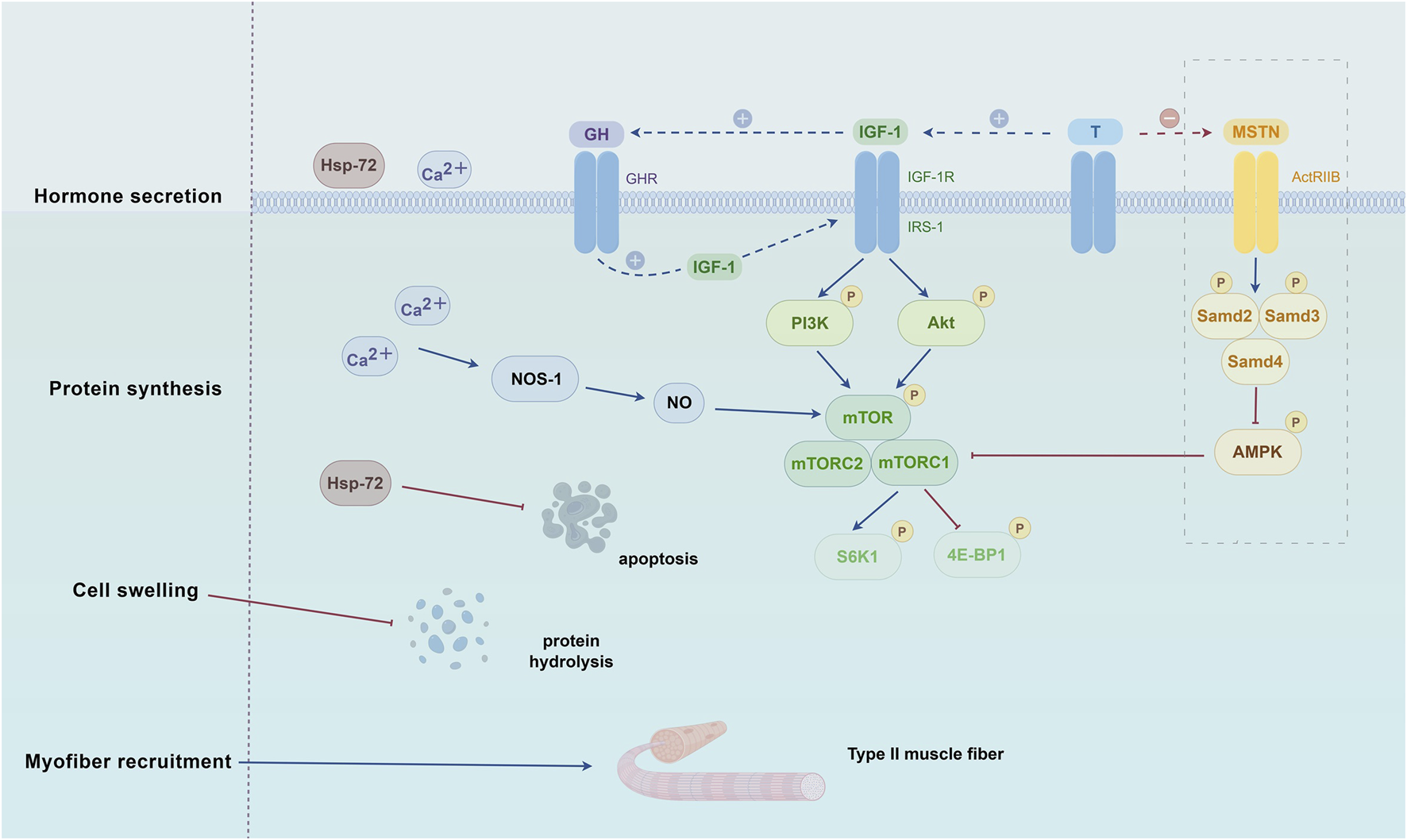
Blood flow restriction training: a new approach for preventing and treating sarcopenia in older adults
REVIEW
25 August 2025
Blood flow restriction training: a new approach for preventing and treating sarcopenia in older adults
Wei Li, 6 more and Yuxiang Wu

10,552 views

7 citations

Effects of Baduanjin exercise on cognitive impairment in older adults: a systematic review and meta-analysis
SYSTEMATIC REVIEW
3 July 2025
Effects of Baduanjin exercise on cognitive impairment in older adults: a systematic review and meta-analysis
Xiao-Gang Gong, 4 more and A-Yuan Zhang
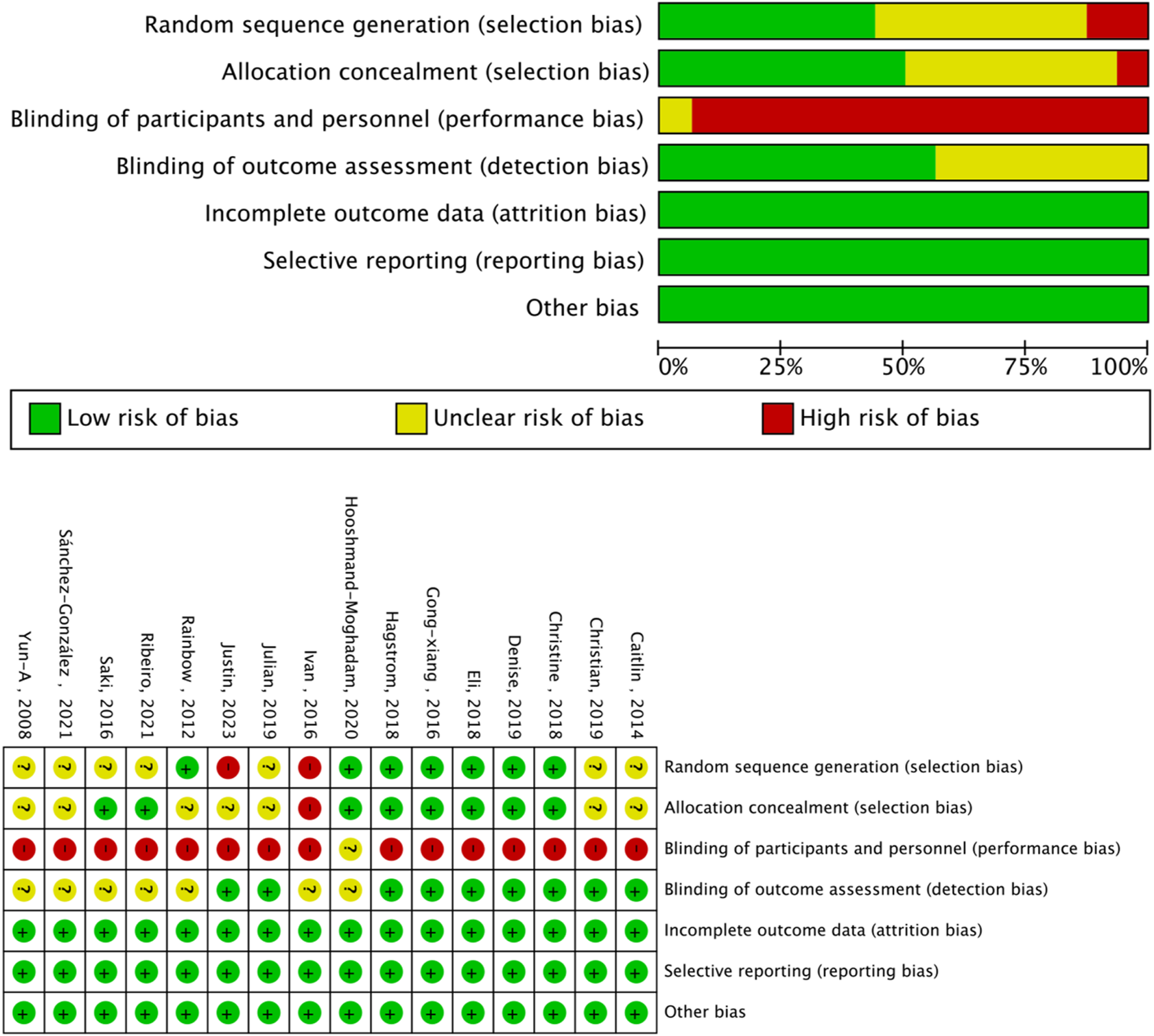
BackgroundCognitive impairment in older adults poses a growing burden on global healthcare systems, especially in resource-limited communities. Baduanjin exercise, a low-cost traditional Chinese mind–body exercise, demonstrates considerable potential for assisting older adults in managing cognitive impairment. However, there is no consensus regarding its efficacy. This meta-analysis aimed to assess the feasibility and effectiveness of Baduanjin exercise in ameliorating cognitive impairment in older adults.MethodsRandomized controlled trials (RCTs) published through January 30, 2025, were searched in PubMed, Web of Science, Cochrane Library, Embase, ClinicalTrials.gov, and Chinese databases (CSTJ, CNKI, Wanfang). Two reviewers independently conducted trial selection, assessed methodological quality using the Cochrane Risk of Bias tool, and extracted data in accordance with PRISMA guidelines. Seven RCTs involving 539 community-dwelling older adults met the inclusion criteria.ResultsBaduanjin exercise significantly improved global cognitive function [mean difference (MD) = 2.15; 95% CI, 1.53 to 2.76; p < 0.00001], memory (standardized mean difference = 0.59; 95% CI, 0.38 to 0.80; p < 0.00001), executive function (SMD = 0.26; 95% CI, 0.07 to 0.44; p = 0.007), and physical health (MD = −0.86; 95% CI, −0.26 to −0.46; p < 0.00001). No included study reported adverse effects related to Baduanjin exercise.ConclusionThese findings indicate that Baduanjin exercise can effectively improve cognitive impairment in older adults. Nevertheless, further rigorously designed RCTs are required to confirm these findings.Systematic review registrationInternational Platform of Registered Systematic Review and Meta-Analysis Protocols (INPLASY) under the registration number INPLASY202460007, https://inplasy.com/inplasy-2024-6-0007/.

8,129 views

9 citations

ObjectiveTo systematically evaluate the regulatory effects of exercise intervention on telomere length (TL) and telomerase activity (TA), and to provide evidence for formulating precise exercise prescriptions based on telomere protection.MethodsDatabases including China National Knowledge Infrastructure, Wanfang, VIP, PubMed, Web of Science, Cochrane Library, and Embase were searched to collect randomized controlled trials (RCTs) regarding the regulation of TL and TA by exercise intervention up to February 2025. The Cochrane risk assessment tool was used to evaluate the quality of the included literature. Meta-analysis, heterogeneity test, subgroup analysis, sensitivity analysis, univariate meta-regression analysis, and publication bias test were conducted using Review Manager 5.3 and Stata 18.0 software.ResultsExercise intervention significantly maintained TL (SMD = 0.59, 95% CI: 0.14–1.06, P = 0.01) and enhanced TA (SMD = 0.35, 95% CI: 0.20–0.51, P < 0.00001). A single study suggests high-intensity interval training (HIIT) may maintain TL (SMD = 0.66, P = 0.01), but this requires further validation due to limited evidence. Aerobic exercise (AE) consistently increased TA (SMD = 0.33, P = 0.0001), while resistance exercise (RE) showed non-significant trends (SMD = 0.16, P = 0.43). Subgroup analysis by sex showed a trend toward greater TL maintenance in females (SMD = 0.48, P = 0.06) compared to males (SMD = 0.38, P = 0.40). An exercise duration of ≥16 weeks was necessary for significant effects. High heterogeneity (I2 = 92% for TL) was partially explained by measurement methods, age, and baseline health.ConclusionExercise maintains TL and enhances TA, potentially contributing to delayed aging. AE shows robust effects on TA, while HIIT and RE require further research due to limited studies. Future studies should standardize measurement methods and explore confounders like diet and genetics.Systematic Review RegistrationPROSPERO, identifier CRD420251006569.

11,894 views

3 citations

SYSTEMATIC REVIEW
20 May 2025
The effects of circuit-based resistance training on blood pressure, arterial stiffness, and body composition in community-dwelling older adults: a systematic review and meta-analysis
Zhongxu Hu, 3 more and Jinfa Gu

7,373 views

7 citations