
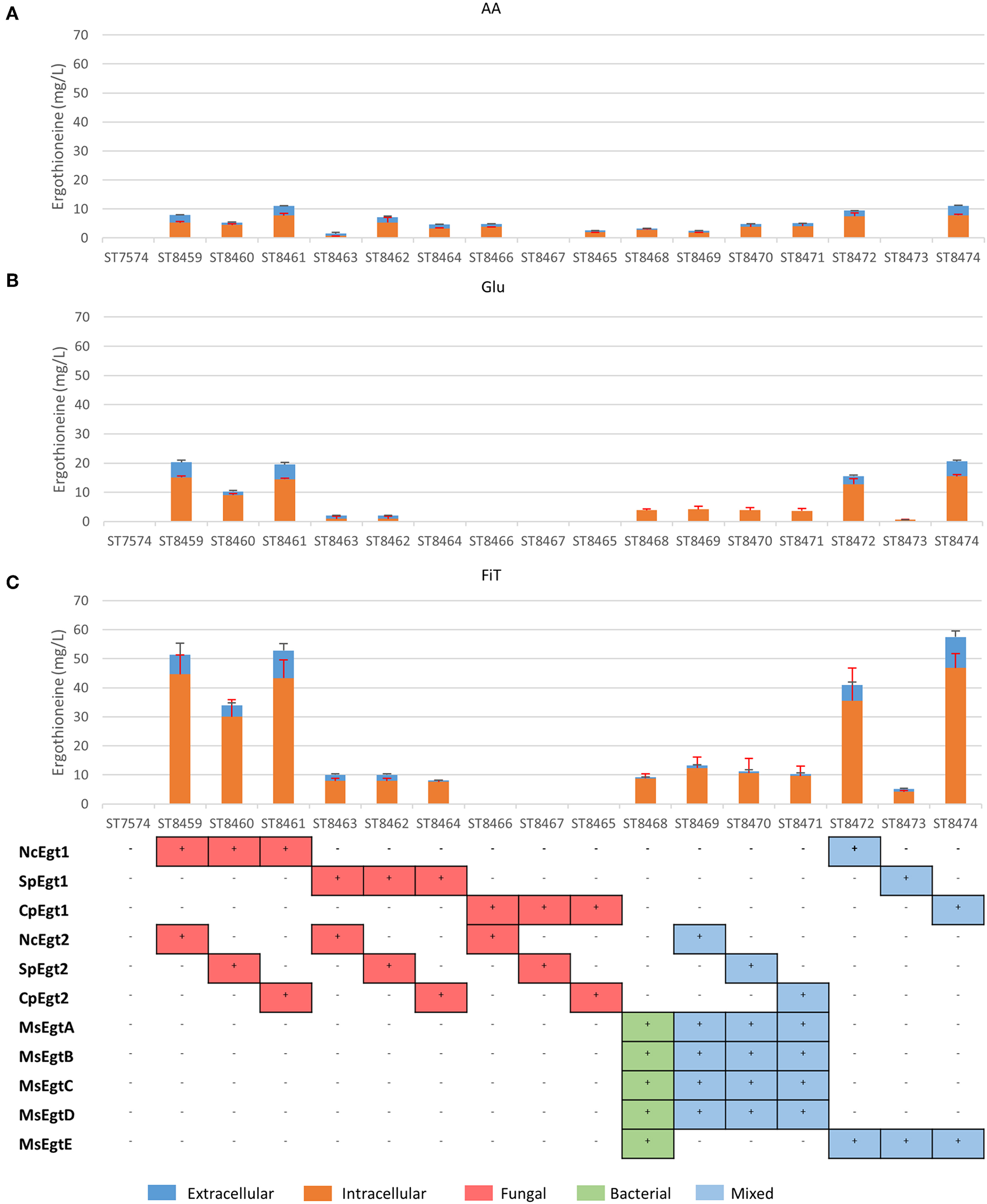
Aromatics have great potential for bio-based production, as biochemical pathways like the polyketide biosynthesis or the shikimate pathway give rise to a wealth of aromatics and aromaticsderived compounds, with diverse applications in the chemical-, pharma-, cosmetic-and foodindustry. To achieve commercial viability, processes need to be competitive, as determined by the three factors: titer, yield and rate. 1 Therefore, in addition to metabolic engineering, optimization of the process is also imperative, comprised of reactor-design and -operation and has been included as subject in this Research Topic.Aromatic compounds of interest may be produced microbially outgoing from sugar-based carbonsources, while many pharmaceutically utilized natural products are still plant-derived. To supply the growing demand of many of these products while ensuring affordability, as well as to uphold a constant supply chain (tolerant to environmental factors such as weather and climate), heterologous production of natural products in microbes is sought after. For sustainability reasons, as well as a potential cost advantage, biotechnology is also increasingly adapting non-edible carbon-sources for production. This can be lignocellulosic biomass, of which the lignin part is especially attractive for production of aromatics, as it can be de-polymerized to directly obtain aromatic compounds. In this context, the degradation and recycling of spend materials, like polyethylene terephthalate, is also of interest, not only to achieve sustainability but also for environmental protection.This Research Topic was initiated to expand upon a review on biotechnological aromatics production, which ranks metabolic engineering strategies by establishing thresholds of yields, titers and rates for commercial viability (Averesch et al.). Collecting contributions from leaders in the field, we strived to spotlight recent concepts and current trends that shape the future for biotechnological production of aromatic compounds. Deliberately also including research from more peripheral areas, we intended to expand the horizon and show where the field may be headed. Calls for papers resulted in ten accepted manuscripts, of which eight are original research and two review articles. Topics cover a broad research spectrum, from metabolic engineering for production of compounds valuable in chemical-, food-and pharmaceutical-industry, including process development and optimization, to studies on mechanisms of degradation, conversion and valorisation of aromatic bioproducts. Especially the diversity of approaches and deployed organisms, shows that a paradigm shift beyond the established model organisms is taking place.Two articles review recent advances in microbial production of aromatic compounds: one with a special emphasis on metabolic engineering strategies, as well as bioprocess optimization (Braga & Nuno Faria); the other putting special emphasis on melanins (which have applications in the pharmaceutical, cosmetic, optical and electronic industries) and strategies for their recombinant production (Martínez et al.).Metabolic Engineering studies utilising rational strain design are most prominently featured in this Research Topic, three of which are targeting chemical building-blocks for polyesters: through genetic modification of Pseudomonas taiwanensis, 4-hydroxybenzoic acid is derived via tyrosine (Lenzen et al.) -an interesting alternative to the more conspicuous pathway where 4-hydroxybenzoic acid is obtained directly from chorismate. In a study more focused on optimization of physiological parameters and process design, conversion of ferulic acid to vanillin is investigated deploying wholecell biocatalysts with growth arrested E. coli (Ruzzi et al.). In another E. coli study, deep strain engineering leads to significantly enhanced production of the central shikimate-pathway intermediate 3-dehydroshikimate; in combination with process design this allows downstream conversion into significant amounts of muconic acid (Choi et al.).Microbial biotechnology has relevance beyond the common carbon-biochemistry, as shown by the fermentative production of natural product 7-bromo-L-tryptophan, a precursor for the proteasome inhibitor and potential anti-cancer agent TMC-95A, which is explored through engineering of Corynebacterium glutamicum for the bromination of tryptophan (Veldmann et al.).Besides bacteria, also fungi have their advantages for production of aromatics: performing Metabolic Engineering on the yeast Saccharomyces cerevisiae for production of ergothioneine, an antioxidant, nutraceutical, non-proteinogenic amino acid and not-so-usual aromatic compound (aromatic heterocycle), highlights the diversity of interesting aromatics and the emerging ability to produce these biotechnologically (van der Hoek et al.).Complementary to the de-novo production of aromatics from sugars, two studies evolve around lignin as alternate substrate and biochemically more direct source of aromatic compounds: one study investigates the transcriptional response of the white-rot fungus Dichomitus squalens expressing extracellular enzymes during lignin degradation (Kowalczyk et al.). Another study looks at the regulation of degradation of the lignin building-block cinnamic acid in the filamentous fungus Aspergillus niger (Lubbers et al.).Finally, an economic evaluation of a process-model for production of aromatic compounds, sheds light on potential commercial competitiveness and environmental impact, with unexpected and therefore likely often overlooked outcomes (Krömer et al.).Further reading includes another recent review on "Metabolic engineering of microorganisms for production of aromatic compounds" Lastly, we would like to bring Biorizon to the attention of the reader, a Research Center solely dedicated to enable commercially viable production bio-aromatics.NJHA conceived of the idea for the Research Topic and served as editor. OK served as co-editors for the Research Topic. NJHA wrote the editorial, with editing help from OK. Both authors have read and revised the manuscript.

2 Authors
- AB
Adelaide Braga
Centre of Biological Engineering, University of Minho, Portugal
- NF
Nuno Faria
Centre of Biological Engineering, University of Minho, Portugal
15,800 views
35 citations
4 Authors
- JO
Jens O. Krömer
Systems Biotechnology, Department of Solar Materials, Helmholtz Centre for Environmental Research – UFZ, Germany
- RG
Rafael G. Ferreira
Intelligen Brazil, Brazil
- DP
Demetri Petrides
Intelligen Inc., United States
- NK
Norbert Kohlheb
Department Environmental and Biotechnology Centre, Helmholtz Centre for Environmental Research – UFZ, Germany
8,562 views
23 citations
9 Authors
- SA
Steven A. van der Hoek
The Novo Nordisk Foundation Center for Biosustainability, Technical University of Denmark, Denmark
- BD
Behrooz Darbani
The Novo Nordisk Foundation Center for Biosustainability, Technical University of Denmark, Denmark
- KE
Karolina E. Zugaj
The Novo Nordisk Foundation Center for Biosustainability, Technical University of Denmark, Denmark
- BK
Bala Krishna Prabhala
The Novo Nordisk Foundation Center for Biosustainability, Technical University of Denmark, Denmark
- MB
Mathias Bernfried Biron
The Novo Nordisk Foundation Center for Biosustainability, Technical University of Denmark, Denmark
- MR
Milica Randelovic
The Novo Nordisk Foundation Center for Biosustainability, Technical University of Denmark, Denmark
- JB
Jacqueline B. Medina
The Novo Nordisk Foundation Center for Biosustainability, Technical University of Denmark, Denmark
- DB
Douglas B. Kell
The Novo Nordisk Foundation Center for Biosustainability, Technical University of Denmark, Denmark
- IB
Irina Borodina
The Novo Nordisk Foundation Center for Biosustainability, Technical University of Denmark, Denmark
11 Authors
- RJ
Ronnie J. M. Lubbers
Fungal Physiology, Westerdijk Fungal Biodiversity Institute and Fungal Molecular Physiology, Utrecht University, Netherlands
- AD
Adiphol Dilokpimol
Fungal Physiology, Westerdijk Fungal Biodiversity Institute and Fungal Molecular Physiology, Utrecht University, Netherlands
- JN
Jorge Navarro
Fungal Natural Products, Westerdijk Fungal Biodiversity Institute, Netherlands
- MP
Mao Peng
Fungal Physiology, Westerdijk Fungal Biodiversity Institute and Fungal Molecular Physiology, Utrecht University, Netherlands
- MW
Mei Wang
US Department of Energy Joint Genome Institute, United States
- AL
Anna Lipzen
US Department of Energy Joint Genome Institute, United States
- VN
Vivian Ng
US Department of Energy Joint Genome Institute, United States
- IV
Igor V. Grigoriev
US Department of Energy Joint Genome Institute, United States
- JV
Jaap Visser
Fungal Physiology, Westerdijk Fungal Biodiversity Institute and Fungal Molecular Physiology, Utrecht University, Netherlands
- KS
Kristiina S. Hildén
Department of Microbiology, University of Helsinki, Finland
- RP
Ronald P. de Vries
Fungal Physiology, Westerdijk Fungal Biodiversity Institute and Fungal Molecular Physiology, Utrecht University, Netherlands
9,155 views
29 citations