
mHealth technologies is increasing, and these approaches are contributing to aiding both patients and healthcare professionals in disease management and education.Laranjeira et al. propose a mixed-method study that offers new insights into the needs and expectations of patient-informal caregivers' dyads and nurses in community palliative care regarding caregiving preparedness and online health resources. Through the implementation of an adaptive digital tool, they aim to improve access to palliative care family support, addressing the lack of available and accessible in-person counseling resources. This Digital Health Intervention in palliative care may be used for education, symptom management, communication, and decision-making, to enhance the quality of Life of patients and informal caregivers, fostering anticipatory grief and the reach and efficiency of services.The ubiquitous usage of mobile phones makes it a perfect platform for delivering interventions to increase knowledge and awareness in screening. In the Yusuf et al. study, the use of a mobile app had a positive effect in increasing the women's knowledge of risk factors of breast cancer, warning signs awareness and confidence level for breast self-examination. They concluded that the mobile app may be an adjunct in educating women on breast cancer. mHealth reminders also become promising approaches to support chronic patients' treatment. Wu et al. evaluated the effect of a reminder app and the smart pillbox on tuberculosis treatment outcomes compared with standard care. They concluded that the reminder app and the smart pillbox interventions were acceptable and improved the treatment outcomes. Rosa et al. article reviewed some of the mobile applications available to monitor lifestyle behaviors and individual chronobiology. Herein is also described the design and development of the NutriClock system -a mHealth solution developed to monitor these variables.Additionally, Yao et al. evaluated the accuracy and reliability of steps tracked by the smartphonebased WeChat app compared with the Actigraph-GT3X accelerometer in free-living conditions. Despite the limitation in predicting body composition, they concluded that the app can be used to assess physical activity step counts and is a reliable tool for measuring steps in free-living conditions.Indeed, there is an increasing number of digital tools, including diagnostic decision support systems, to better assess and manage symptoms, provide tailored treatment, and understand when and where to seek medical care. Ventura, Sousa, et al. presents a study protocol to assess the effectiveness of a user-friendly, comprehensive Clinical Decision Support System for remote patient monitoring of cardiovascular disease patients. mHealth solutions may contribute to more personalized and tailored patient recommendations according to their specific needs. mHealth solutions allow continuous monitoring of patients, sharing relevant information and data with physicians and other healthcare professionals, and accessing education resources to support informed decisions.With the development of telemedicine and e-health, usage of online health communities has grown, now representing convenient sources of information for patients who have geographical and temporal constraints regarding visiting physical healthcare institutions. Zhang, Lv et al. analyzed an online healthcare platform (Spring Rain Doctor), a new form of medical treatment that tried to solve the problems of an unbalanced distribution of medical resources in China. According to the authors, the online healthcare platform has reduced the medical pressure of the hospital and the risk of cross-infection, especially during the COVID-19 pandemic. The cumulative number of users of the platform is 130 million, and its daily consulting times exceed 300,000. Additionally, the study by Liu et al. explored how patients' self-disclosure affects the establishment of patients' trust in physicians, analyzing computer-mediated communication in an online health community.Successful management of chronic diseases often requires patients to be motivated to make significant behavior changes to improve health outcomes, quality of life, and well-being. Digital technologies may be crucial to achieving these aims, however data about which features are more engaging over time, which can contribute to behavior change and increase treatment adherence, are still scarce. Kassavou et al. present a post-trial process evaluation of the mechanism by which a digital intervention achieved effectiveness at improving medication adherence in non-adherent patients with Hypertension or Type 2 Diabetes. This mixed methods research found that intervention effectiveness was associated with the underlying mechanisms of behavior change and that the intervention supported motivation and ability to adhere. Also, Ventura, Brovall and Smith considered that digital health interventions have become essential complementary solutions in health care to enhance support and communication at a distance, with evidence of improving patient outcomes. Their discussion endorses the adoption of mixed-methods research designs, to gather the perspectives of stakeholders and end-users, as well as pragmatic evaluation approaches that value effectiveness outcomes as much as process outcomes.Anthropomorphic conversational agents are other promising digital tools to support the selfmanagement of chronic diseases. Recently, the systematic review of Griffin et al. (2020) showed some evidence that text-based conversational agents (chatbots) are acceptable, usable, and effective in supporting chronic disease self-management. In this research topic, Pernencar, Saboia and Dias also undertook a literature review associating the use of chatbot technology with inflammatory bowel disease patients' health care. Chatbot technology for chronic disease self-management increases self-care practice, presenting a huge potential as a part of digital health interventions.The study of Pimenta et al. describes the development of evidence and theory-based intervention to improve physical activity in older adults with type 2 diabetes, subsumed in a multi-behavior intervention via a mobile application with an anthropomorphic conversational agent. This approach, which includes 13 behavior change techniques and six if-then rules for their tailoring, may leverage the efforts of others in developing similar interventions.Nowadays, multi-channel appointment has been provided for patients to get medical services, especially for those with severe illnesses and remote distance. Ye and Wu decided to address the long waiting time for treatment in the outpatient department. This study confirms the effect of Internet use on reducing patient's waiting time and explores the factors that influence patient appointment channel choice, producing several insights into the design of appointment systems in hospitals.Huang et al. present a novel WeChat Applet to help patients with dental anxiety management, provide patients with a physical status self-evaluation, and provide a platform for online assessment and teleconsultant by dentists. The results of this application show that it is a relevant and useful tool before and after dental treatment, being effective in reducing treatment risks, and improving patients' satisfaction and dentists' convenience, especially in terms of facilitating the management of high-risk patients during the COVID-19 pandemic.Chronic disease management is a usual lifelong process, mostly self-managed by the patient. Artificial Intelligence can help patients improve medicine adherence and continuous monitoring of their vital data (Kent, 2020). Artificial Intelligence also addresses the need for physicians to make efficient data-driven decisions by keeping track of thousands of patients at once and directing treatment to those who need it the most to avoid delays. Knitza et al. evaluated the acceptability, usability, usefulness, and potential impact of an artificial intelligence-based symptom checkers and an online questionnaire-based self-referral tool. Results showed that patients increasingly assess their symptoms independently online, however only a minority used dedicated symptom assessment websites or diagnostic decision support systems. Decision support systems, such as artificial intelligence-based symptom checker and online questionnaire-based self-referral tools are easy to use, well accepted among patients with musculoskeletal complaints, and could replace online search engines for patient symptom assessment, potentially saving time and increasing helpfulness.The study protocol of Bevilacqua et al. aims to evaluate a rehabilitation program for Parkinson's disease patients based on a new system called "SI-ROBOTICS," composed of multiple technological components, such as a social robotic platform embedded with an artificial vision setting, a dance-based game, environmental and wearable sensors, and an advanced AI reasoner module. The study proposes a new approach to Parkinson's disease rehabilitation, focused on the use of Irish dancing, together with a new technological system focused on helping the patient perform the dance steps and on collecting kinematic and performance parameters used both by the physiotherapist and by the system.We may also highlight the importance of smart devices and wearables, that provide patientcentered health data in real-time, helping inform self-management decision-making. Despite the perceived benefits of wearables in improving chronic disease self-management, their influence on healthcare outcomes remains poorly understood.Bernardes et al. present a perspective on integrating wearable technology and IoT to support telemonitoring and self-management of people living with Parkinson's disease in their daily living environment. Complementing current therapeutic options with technology-based solutions in Parkinson's disease patients' real-world environments is crucial to enhancing their quality of life. In that way, wearable technology and IoT might constitute resources of excellence in seamless monitoring and self-management in people's home environments.Bernardes, Caldeira et al. present a study protocol to perform an innovative assessment of nursing students' podiatric profile (using a pedobarographic platform), which will allow for a comprehensive description of foot/ankle changes and their relationship with prolonged standing and walking contexts. Finally, Zhang, Zhang et al. used an electronic portable spirometer (GOSPT2000), a validated device for dynamic monitoring of lung function, to investigate the possible influencing factors of the large-and small-airway function variation in healthy non-smoking adults. Taken together, these nineteen studies give indication of the future direction of the field. They show that digital health tools, including digital therapeutics, wearables, remote patient monitoring, coaching, and education, among others, can assist with condition-specific factors. Despite the potential for the delivery of healthcare at a relatively low-cost scale, the implementation of digital health interventions is not an easy endeavor. For several reasons, it is almost impossible to have a universal 'digital recipe' for managing chronic diseases (Bashi et al., 2020). From a patient's perspective, strategies for the self-management of a chronic condition may vary based on the socio-cultural and economic status of people. From a health system's perspective, different countries have different legislative and policy implications for the adoption of digital health interventions.

11 Authors
- QY
Qinqin Yao
Key Lab of Public Health Safety of the Ministry of Education, School of Public Health, Fudan University, China
- JW
Jing Wang
Shanghai Pudong New Area Center for Disease Control and Prevention, China
- YS
Yucong Sun
Winning Ringnex Technology (Shanghai) Co., Ltd., China
- LZ
Li Zhang
Shanghai Pudong New Area Center for Disease Control and Prevention, China
- SS
Shuangyuan Sun
Shanghai Municipal Center for Disease Control and Prevention, China
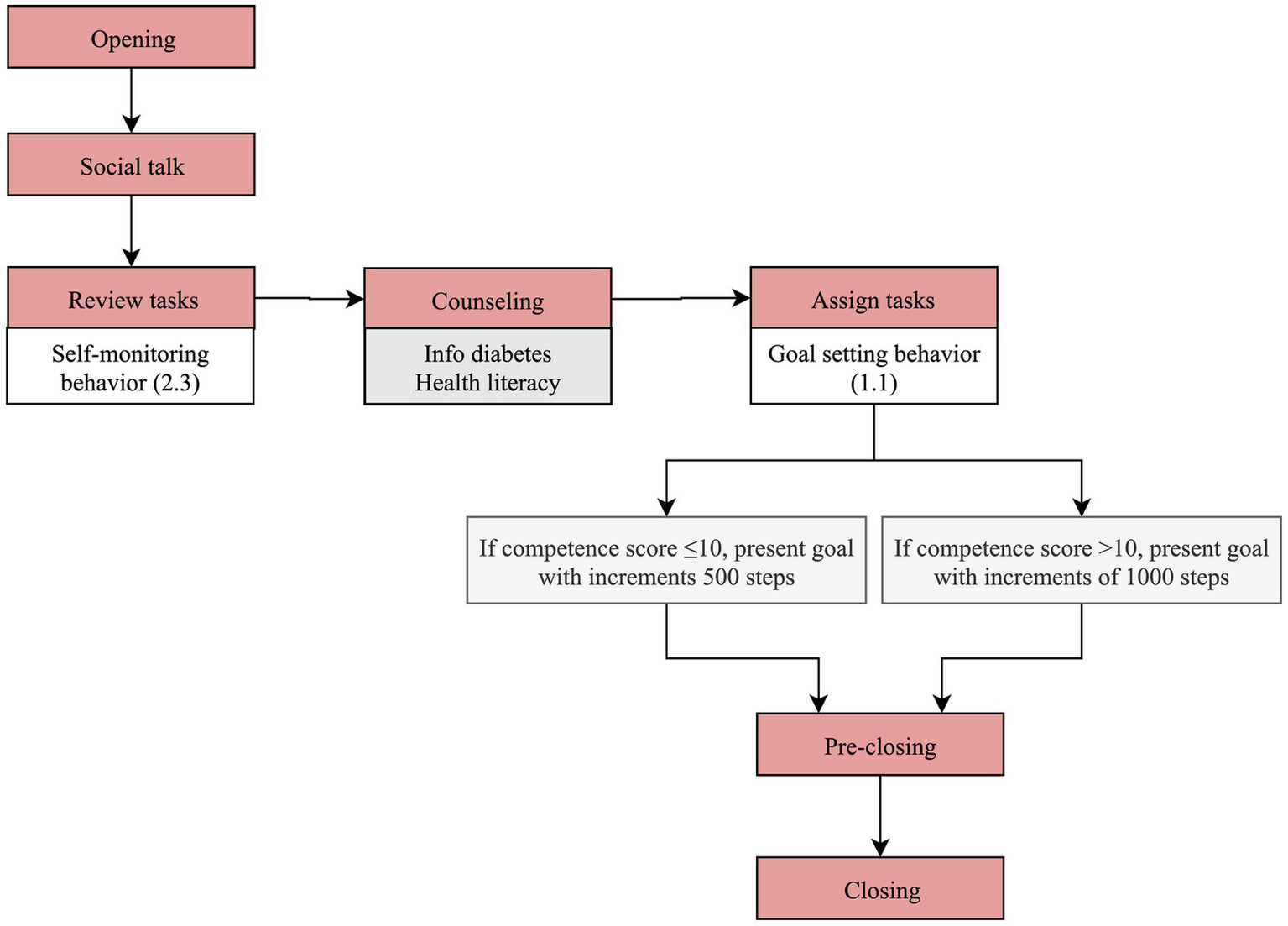
- MC
Minna Cheng
Shanghai Municipal Center for Disease Control and Prevention, China
- QY
Qinping Yang
Shanghai Municipal Center for Disease Control and Prevention, China
- SW
Siyuan Wang
Shanghai Municipal Center for Disease Control and Prevention, China
- LH
Ling Huang
Shanghai Pudong New Area Center for Disease Control and Prevention, China
- TL
Tao Lin
Shanghai Pudong New Area Center for Disease Control and Prevention, China
- YJ
Yingnan Jia
Key Lab of Public Health Safety of the Ministry of Education, School of Public Health, Fudan University, China
4,637 views
6 citations
4 Authors
- LZ
Lanting Zhang
School of Economics and Management, Harbin Engineering University, China
- DL
Dan Lv
School of Economics and Management, Harbin Engineering University, China
- WL
Weijia Li
School of Economics and Management, Harbin Engineering University, China
- ZX
Zeyu Xing
School of Management, Zhejiang University of Technology, China
4,472 views
5 citations

5 Authors
- AY
Azlina Yusuf
School of Health Sciences, Universiti Sains Malaysia, Malaysia
- YH
Yulita Hanum P. Iskandar
Graduate School of Business, Universiti Sains Malaysia, Malaysia
- IS
Imi Sairi Ab Hadi
Department of Surgery, Hospital Raja Perempuan Zainab II, Malaysia
- AN
Arryana Nasution
School of Health Sciences, Universiti Sains Malaysia, Malaysia
- SL
Soon Lean Keng
School of Health Sciences, Universiti Sains Malaysia, Malaysia

3 Authors
- CP
Cláudia Pernencar
ICNOVA—NOVA Institute of Communication, NOVA School of Social Sciences and Humanities, Universidade NOVA de Lisboa, Portugal
- IS
Inga Saboia
UFC Virtual, Federal University of Ceará, Brazil
- JC
Joana Carmo Dias
COMEGI—Research Center on Organizations, Markets and Industrial Management, Portugal

8 Authors
- FV
Filipa Ventura
The Health Sciences Research Unit: Nursing (UICISA: E), Nursing School of Coimbra (ESEnfC), Portugal
- PS
Pedro Sousa
The Health Sciences Research Unit: Nursing (UICISA: E), Nursing School of Coimbra (ESEnfC), Portugal
- MA
Maria Anjos Dixe
Center for Innovative Care and Health Technology (ciTechcare), School of Health Sciences, Polytechnic of Leiria, Portugal
- PF
Paulo Ferreira
The Health Sciences Research Unit: Nursing (UICISA: E), Nursing School of Coimbra (ESEnfC), Portugal
- RM
Ricardo Martinho
School of Technology and Management, Polytechnic of Leiria, Portugal
- SS
Sara Simões Dias
Center for Innovative Care and Health Technology (ciTechcare), School of Health Sciences, Polytechnic of Leiria, Portugal
- JM
João Morais
Center for Innovative Care and Health Technology (ciTechcare), School of Health Sciences, Polytechnic of Leiria, Portugal
- LM
Lino M. Gonçalves
Cardiology Department, Coimbra University Hospital Centre, Portugal

20 Authors
- JK
Johannes Knitza
Department of Internal Medicine 3, Friedrich-Alexander-University Erlangen-Nürnberg and Universitätsklinikum Erlangen, Germany
- FM
Felix Muehlensiepen
Université Grenoble Alpes, AGEIS, France
- YI
Yuriy Ignatyev
Center for Health Services Research, Faculty of Health Sciences, Brandenburg Medical School Theodor Fontane, Germany
- FF
Franziska Fuchs
Department of Internal Medicine 3, Friedrich-Alexander-University Erlangen-Nürnberg and Universitätsklinikum Erlangen, Germany
- JM
Jacob Mohn
Department of Internal Medicine 3, Friedrich-Alexander-University Erlangen-Nürnberg and Universitätsklinikum Erlangen, Germany
- DS
David Simon
Department of Internal Medicine 3, Friedrich-Alexander-University Erlangen-Nürnberg and Universitätsklinikum Erlangen, Germany
- AK
Arnd Kleyer
Department of Internal Medicine 3, Friedrich-Alexander-University Erlangen-Nürnberg and Universitätsklinikum Erlangen, Germany
- FF
Filippo Fagni
Department of Internal Medicine 3, Friedrich-Alexander-University Erlangen-Nürnberg and Universitätsklinikum Erlangen, Germany
- SB
Sebastian Boeltz
Department of Internal Medicine 3, Friedrich-Alexander-University Erlangen-Nürnberg and Universitätsklinikum Erlangen, Germany
- HM
Harriet Morf
Department of Internal Medicine 3, Friedrich-Alexander-University Erlangen-Nürnberg and Universitätsklinikum Erlangen, Germany
- CB
Christina Bergmann
Department of Internal Medicine 3, Friedrich-Alexander-University Erlangen-Nürnberg and Universitätsklinikum Erlangen, Germany
- HL
Hannah Labinsky
Department of Internal Medicine 3, Friedrich-Alexander-University Erlangen-Nürnberg and Universitätsklinikum Erlangen, Germany
- WV
Wolfgang Vorbrüggen
Verein zur Förderung der Rheumatologie e.V., Germany
- AR
Andreas Ramming
Department of Internal Medicine 3, Friedrich-Alexander-University Erlangen-Nürnberg and Universitätsklinikum Erlangen, Germany
- JH
Jörg H. W. Distler
Department of Internal Medicine 3, Friedrich-Alexander-University Erlangen-Nürnberg and Universitätsklinikum Erlangen, Germany
- PB
Peter Bartz-Bazzanella
RheumaDatenRhePort (RHADAR), Germany
- NV
Nicolas Vuillerme
Université Grenoble Alpes, AGEIS, France
- GS
Georg Schett
Department of Internal Medicine 3, Friedrich-Alexander-University Erlangen-Nürnberg and Universitätsklinikum Erlangen, Germany
- MW
Martin Welcker
RheumaDatenRhePort (RHADAR), Germany
- AJ
Axel J. Hueber
Section Rheumatology, Sozialstiftung Bamberg, Germany


27 Authors
- RB
Roberta Bevilacqua
Scientific Direction, IRCCS INRCA, Italy
- MB
Marco Benadduci
Scientific Direction, IRCCS INRCA, Italy
- AR
Anna Rita Bonfigli
Scientific Direction, IRCCS INRCA, Italy
- GR
Giovanni Renato Riccardi
Clinical Unit of Physical Rehabilitation, IRCCS INRCA, Italy
- GM
Giovanni Melone
Innovation Lab, Innovation, Marketing and Technology, Exprivia S.p.A., Italy
- AL
Angela La Forgia
Innovation Lab, Innovation, Marketing and Technology, Exprivia S.p.A., Italy
- NM
Nicola Macchiarulo
Innovation Lab, Innovation, Marketing and Technology, Exprivia S.p.A., Italy
- LR
Luca Rossetti
Innovation Lab, Innovation, Marketing and Technology, Exprivia S.p.A., Italy
- MM
Mauro Marzorati
Consiglio Nazionale delle Ricerche, Istituto di Tecnologie Biomediche, Italy
- GR
Giovanna Rizzo
Consiglio Nazionale delle Ricerche, Istituto di Tecnologie Biomediche, Italy
- PD
Pierpaolo Di Bitonto
Grifo Multimedia Srl, Italy
- AP
Ada Potenza
Grifo Multimedia Srl, Italy
- LF
Laura Fiorini
Dipartimento Ingegneria Industriale, Università degli Studi di Firenze, Italy
- FG
Federica Gabriella Cortellessa Loizzo
Istituto di BioRobotica, Scuola Superiore Sant'Anna, Italy
- CL
Carlo La Viola
Dipartimento Ingegneria Industriale, Università degli Studi di Firenze, Italy
- FC
Filippo Cavallo
Dipartimento Ingegneria Industriale, Università degli Studi di Firenze, Italy
- AL
Alessandro Leone
Consiglio Nazionale delle Ricerche, Istituto per la Microelettronica e i Microsistemi, Italy
- GR
Gabriele Rescio
Consiglio Nazionale delle Ricerche, Istituto per la Microelettronica e i Microsistemi, Italy
- AC
Andrea Caroppo
Consiglio Nazionale delle Ricerche, Istituto per la Microelettronica e i Microsistemi, Italy
- AM
Andrea Manni
Consiglio Nazionale delle Ricerche, Istituto per la Microelettronica e i Microsistemi, Italy
- AC
Amedeo Cesta
Consiglio Nazionale delle Ricerche, Istituto di Scienze e Tecnologie della Cognizione, Italy
- GC
Gabriella Cortellessa
Consiglio Nazionale delle Ricerche, Istituto di Scienze e Tecnologie della Cognizione, Italy
- FF
Francesca Fracasso
Consiglio Nazionale delle Ricerche, Istituto di Scienze e Tecnologie della Cognizione, Italy
- AO
Andrea Orlandini
Consiglio Nazionale delle Ricerche, Istituto di Scienze e Tecnologie della Cognizione, Italy
- AU
Alessandro Umbrico
Consiglio Nazionale delle Ricerche, Istituto di Scienze e Tecnologie della Cognizione, Italy
- LR
Lorena Rossi
Scientific Direction, IRCCS INRCA, Italy
- EM
Elvira Maranesi
Scientific Direction, IRCCS INRCA, Italy